










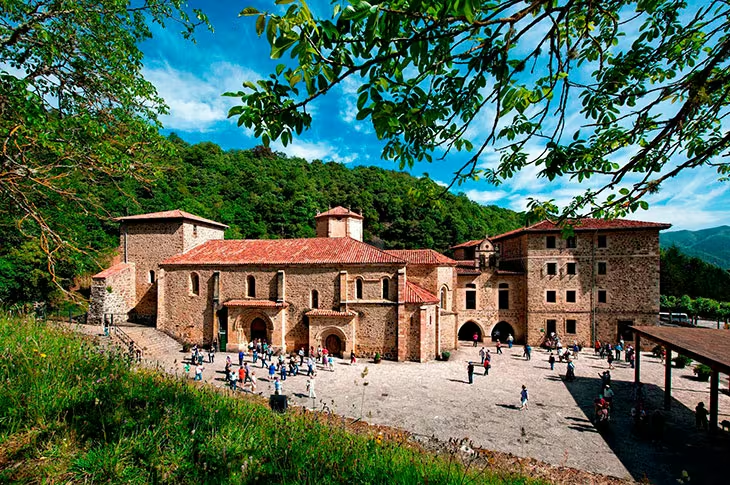
The Monastery of Santo Toribio de Liébana is becoming one of the most meaningful spiritual destinations for modern pilgrims seeking more than just a journey
The Camino Lebaniego is quietly but steadily gaining recognition among pilgrims and travelers who are looking for something deeper than the traditional Camino experience. While routes like the Camino Francés continue to attract large numbers, this lesser-known path in northern Spain is emerging as a powerful alternative—one that places spirituality, silence and reflection at the center of the journey.
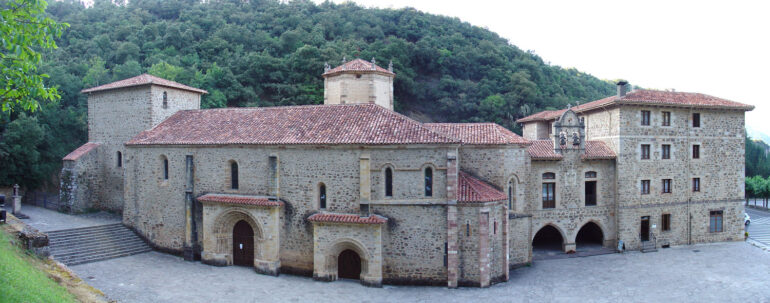
At the heart of this growing interest is the Monastery of Santo Toribio de Liébana, a place that is increasingly being seen not just as the end of a route, but as a true spiritual reference point within the wider Camino network.
A destination with centuries of meaning
The Monastery of Santo Toribio is not a new destination. Its importance dates back centuries, as it houses one of the most significant Christian relics in the world. This alone has made it a place of pilgrimage long before modern tourism began to shape travel habits.
However, what is changing now is the type of pilgrim who arrives. It is no longer only about religious devotion. Today, many visitors come searching for something more personal: a pause from their daily lives, a moment of silence, or simply a place where they can reconnect with themselves.
This shift is helping redefine the meaning of pilgrimage in the 21st century.
A quieter Camino, a deeper experience
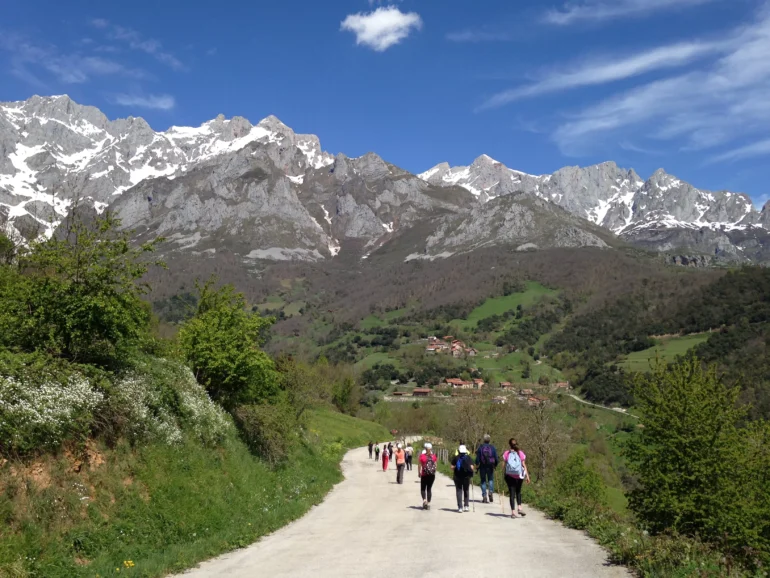
One of the defining characteristics of the Camino Lebaniego is its atmosphere. Unlike more crowded routes, here the experience feels slower, more intimate and more connected to nature.
The journey begins near the Cantabrian coast and gradually moves inland, climbing into the mountains of Liébana. This transition—from sea to mountains—is not only physical but also symbolic. It mirrors the internal journey many pilgrims experience as they move away from the noise of everyday life and into a space of reflection.
There are no long lines of walkers, no constant distractions. Just the path, the landscape and the rhythm of your own steps.
For many, this is what makes the Camino Lebaniego so special.
The rise of alternative pilgrimage routes
In recent years, there has been a clear shift in how people approach the Camino de Santiago. Pilgrims are no longer only interested in completing the most famous routes. Instead, they are seeking authenticity, solitude and a more meaningful connection with the journey.
This is where the Camino Lebaniego stands out.
It offers something different: fewer crowds, untouched landscapes and a strong spiritual identity. It is not about following the masses, but about finding your own path.
This growing interest is positioning the route as one of the most promising alternatives within the Camino world.
Santo Toribio as a spiritual landmark
As more pilgrims reach the Monastery of Santo Toribio, its role continues to expand. It is no longer just a historical or religious site—it is becoming a place where journeys culminate in a deeper way.
The arrival is often described as emotional and meaningful. After days of walking, the silence of the monastery, the surrounding mountains and the sense of history create a powerful atmosphere.
It is a moment to stop, to reflect and to understand what the journey has meant.
A journey that goes beyond distance
The Camino Lebaniego is not one of the longest routes, but its impact is undeniable. It proves that the value of the Camino is not measured in kilometers, but in experiences.
For many pilgrims, reaching Santo Toribio is not the end of the journey, but the beginning of something new. A different perspective, a new mindset or simply a deeper appreciation for simplicity.
The Camino Lebaniego continues to grow, not because it is popular, but because it is meaningful.
And in a world that moves faster every day, that may be exactly what people are looking for.