








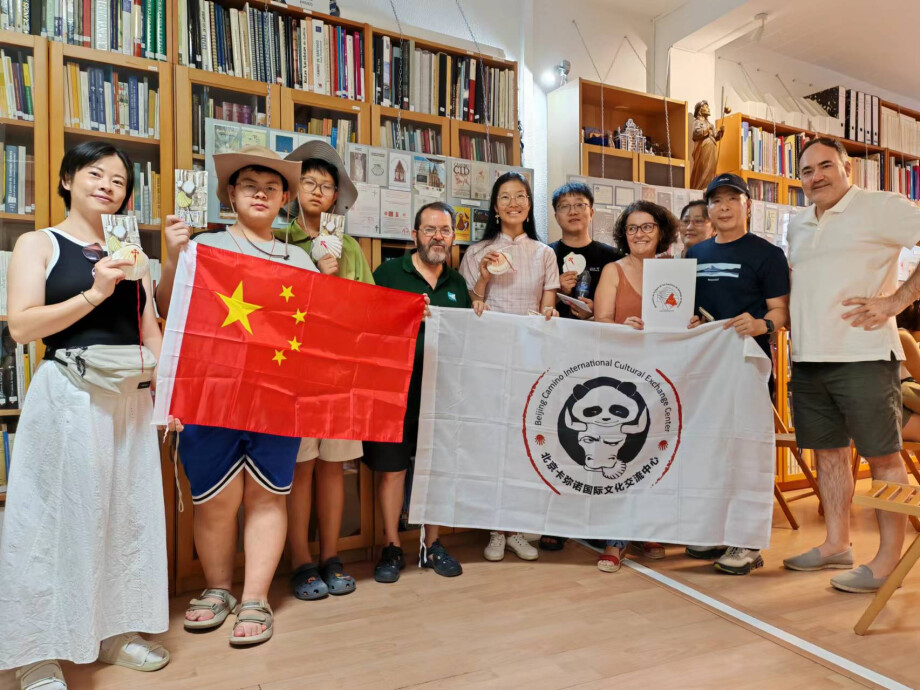
The “Spirit of the West” becomes a new trend among Asian pilgrims
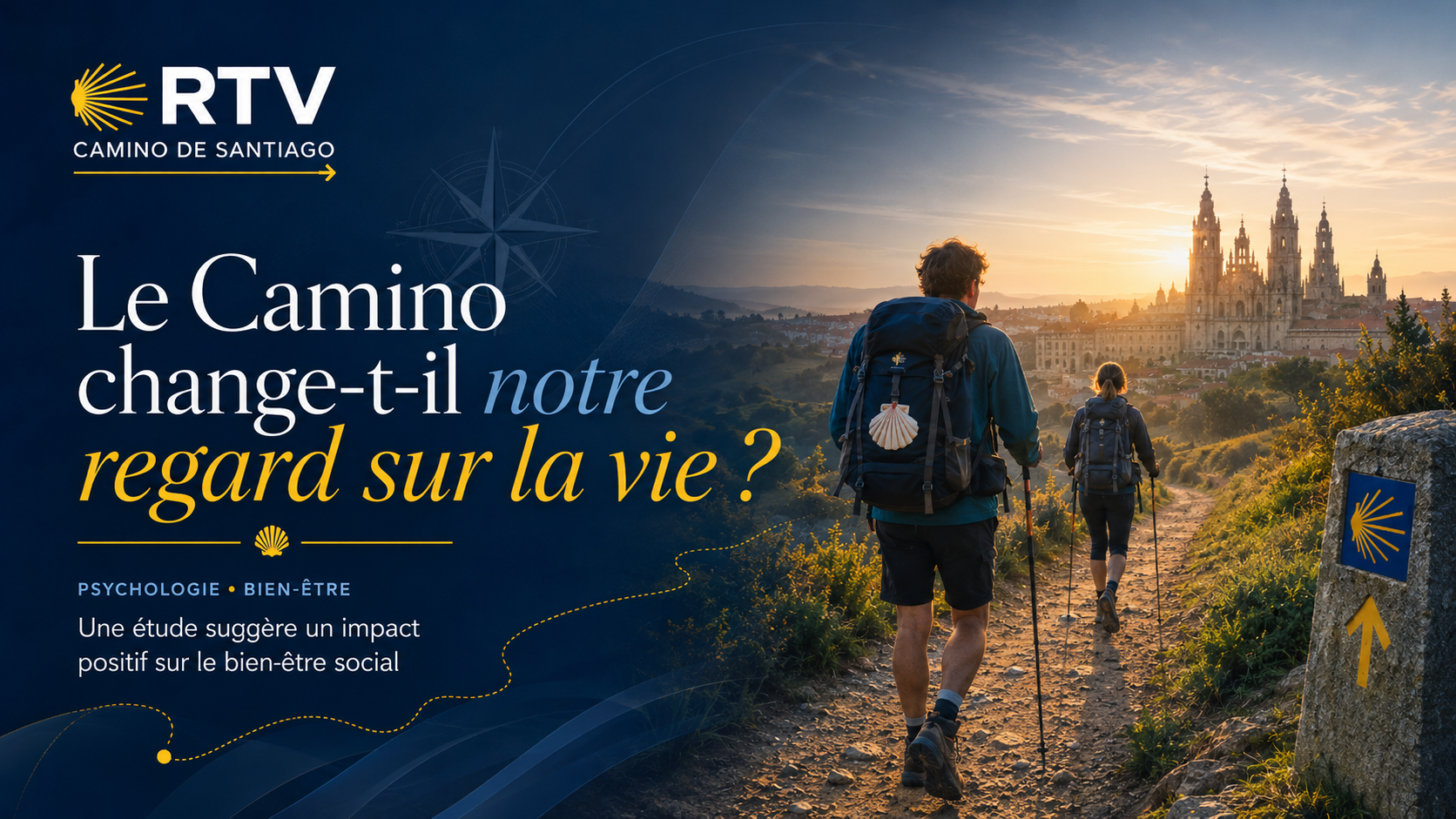
The Camino de Santiago is experiencing a remarkable transformation as it becomes one of the most attractive travel experiences for Asian tourists. Under the concept of the “Spirit of the West,” more and more travelers from countries like South Korea, Japan, and China are choosing this historic pilgrimage route as a destination that combines culture, spirituality, and personal growth.
What was once considered a primarily European religious journey has now evolved into a global phenomenon. The Camino de Santiago is no longer just about reaching Santiago de Compostela, but about the journey itself—an experience that resonates deeply with a new generation of international travelers.
Why Asian travelers are choosing the Camino de Santiago
The increasing presence of Asian pilgrims on the Camino is not a coincidence. Several key factors explain why this route has become so appealing to travelers from Asia.
First, the Camino offers a unique combination of physical challenge and emotional reflection. Many Asian travelers are drawn to experiences that provide personal meaning, and walking for days or weeks across Spain offers a rare opportunity to disconnect from daily routines and reconnect with oneself.
Second, the Camino is seen as a safe and well-organized route. The infrastructure, including marked paths, accommodations, and services, makes it accessible even for first-time long-distance walkers. This sense of security is especially important for international travelers.
Finally, the cultural richness of Spain, including its gastronomy, architecture, and traditions, adds an extra layer of attraction. The journey becomes not only a physical and spiritual experience but also a cultural discovery.
South Korea leads the growth of Asian pilgrims
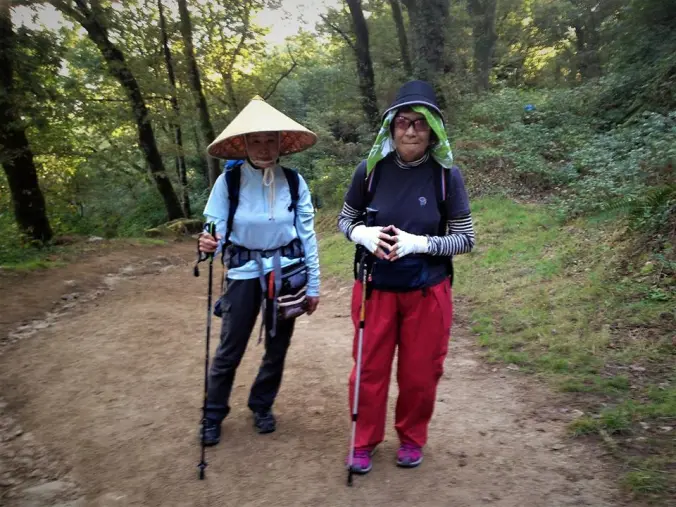
Among Asian countries, South Korea stands out as one of the fastest-growing sources of pilgrims on the Camino de Santiago. In recent years, the number of South Korean travelers completing the route has increased significantly.
For many of them, the Camino represents a life-changing experience. It is often described as a journey of self-discovery, where the simplicity of walking becomes a powerful tool for reflection.
The popularity of the Camino in South Korea has also been influenced by books, documentaries, and social media, where personal stories inspire others to follow the same path.
The role of social media and digital storytelling
Social media platforms have played a crucial role in the rise of the Camino among Asian travelers. Videos, blogs, and travel diaries shared online have created a strong emotional connection with potential pilgrims.
Images of long paths, quiet villages, and breathtaking landscapes resonate with audiences looking for authentic and meaningful travel experiences. The Camino is often portrayed as a journey that goes beyond tourism, offering a deeper sense of purpose.
This digital exposure has helped position the Camino de Santiago as one of the most desirable long-distance travel experiences in the world.
Beyond religion: a modern spiritual journey
While the Camino de Santiago has strong religious roots, today it attracts people from all backgrounds and beliefs. For many Asian travelers, the journey is not necessarily about religion, but about spirituality in a broader sense.
The idea of slowing down, walking in nature, and reflecting on life aligns with values found in many Asian cultures. This makes the Camino particularly appealing as a modern form of pilgrimage.
The concept of the “Spirit of the West” reflects this transformation, where the Camino becomes a symbol of freedom, exploration, and personal growth.
Economic and cultural impact in Spain
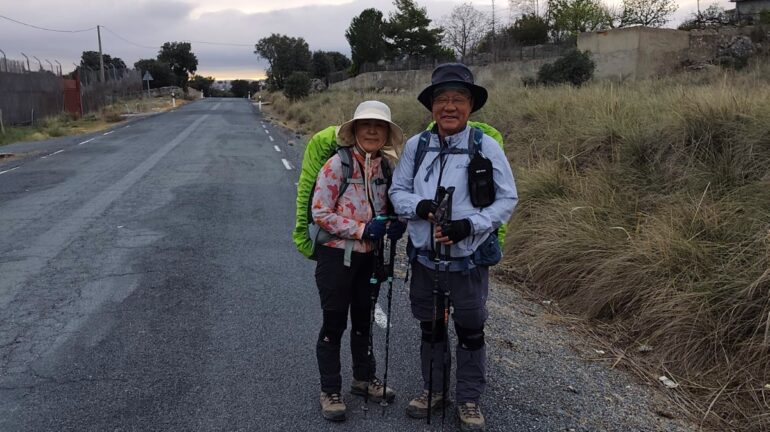
The growing number of Asian pilgrims is having a significant impact on local economies along the Camino routes. Small towns and rural areas benefit from increased tourism, as pilgrims spend on accommodation, food, and services.
This international interest also promotes cultural exchange. Local communities have the opportunity to interact with people from different parts of the world, creating a richer and more diverse environment.
At the same time, businesses are adapting to this new audience, offering multilingual services and tailored experiences.
Alternative routes gain popularity
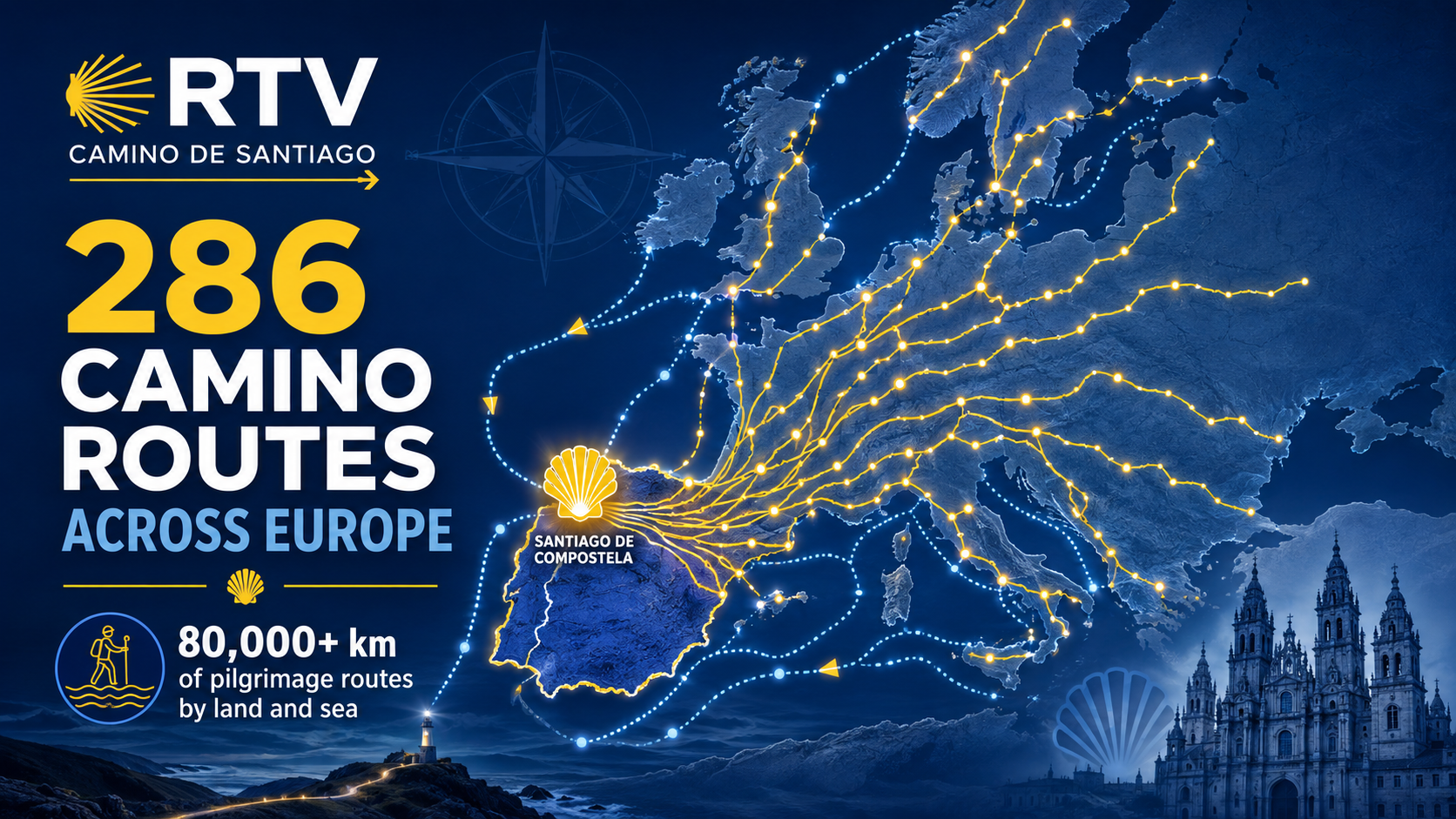
As the number of pilgrims increases, many travelers are exploring alternative routes beyond the traditional Camino Francés. Paths like the Camino del Norte or lesser-known inland routes are becoming more attractive for those seeking quieter and less crowded experiences.
Asian travelers, in particular, often value authenticity and tranquility, making these routes an ideal choice. This trend is helping to distribute tourism more evenly across different regions of Spain.
A journey that changes lives
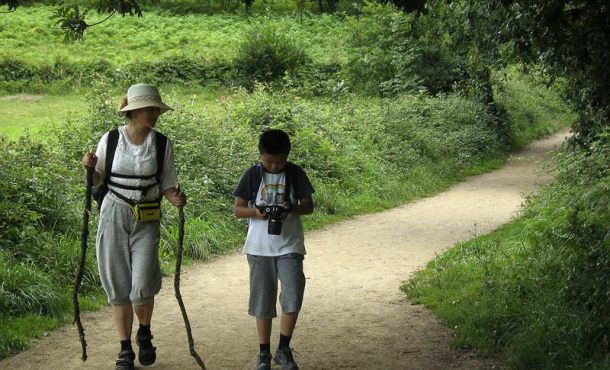
One of the most powerful aspects of the Camino de Santiago is its ability to transform those who walk it. Pilgrims often describe the experience as life-changing, highlighting the simplicity, the human connections, and the sense of accomplishment.
For Asian travelers, this transformation is especially meaningful. The contrast between fast-paced urban life and the slow rhythm of the Camino creates a unique opportunity for reflection and renewal.
Conclusion: the global future of the Camino de Santiago
The rise of Asian travelers on the Camino de Santiago is a clear sign of its evolution into a truly global experience. The “Spirit of the West” is no longer limited to Europe, but has become a universal concept that attracts people from all cultures.
As interest continues to grow, the Camino will likely see further diversification in its audience and routes. What remains unchanged is its essence: a journey that connects people, cultures, and inner experiences.
The Camino de Santiago is not just a path across Spain—it is a path that leads travelers from all over the world toward something deeper.