









A mysterious Romanesque treasure on the Camino de Santiago
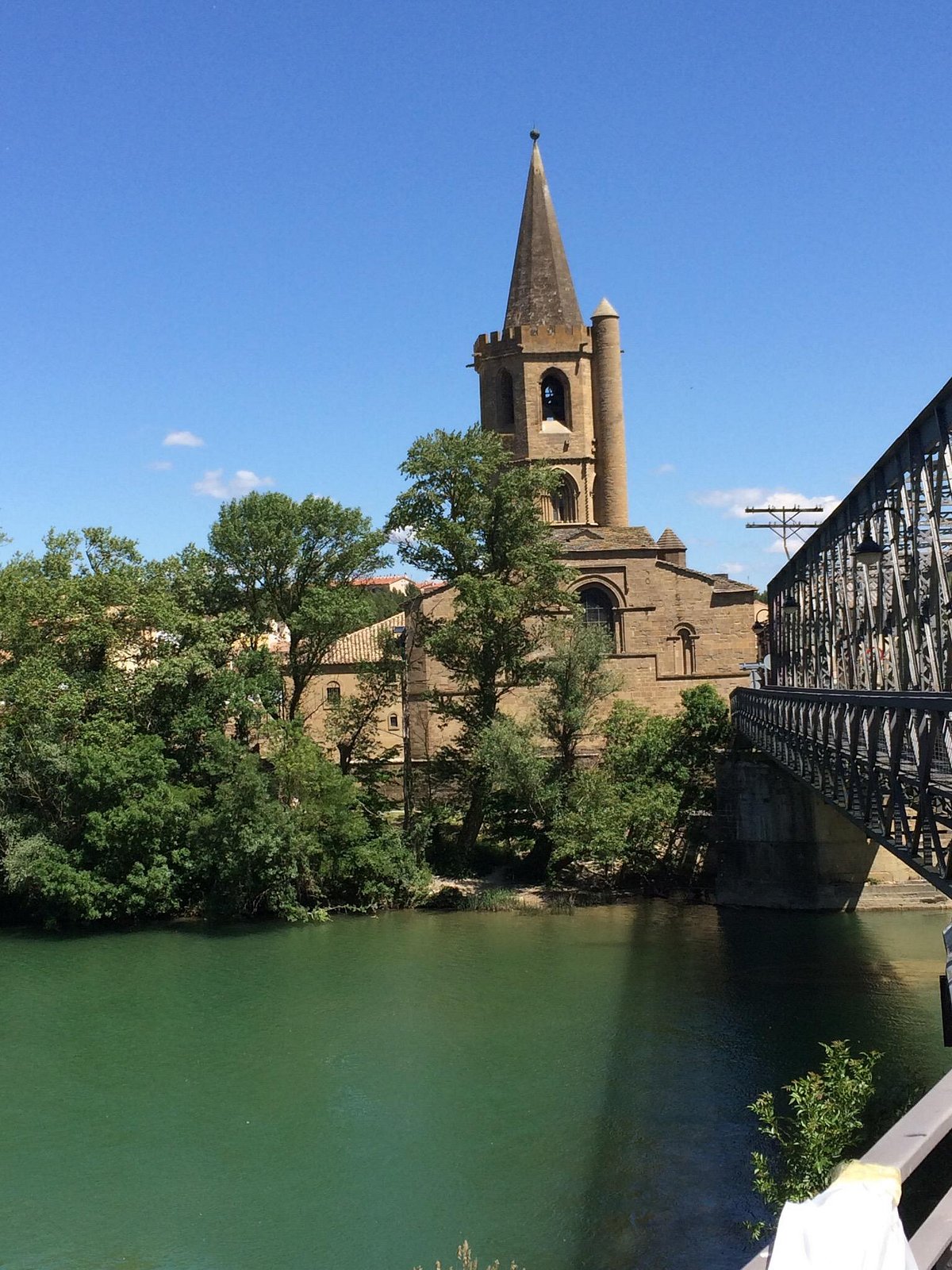
In the heart of northern Spain, along the historic Camino de Santiago, stands a monument that has captivated travelers, historians, and pilgrims for centuries. Located in the region of Navarre, this architectural gem hides something unexpected: a Nordic legend carved into its very stone.
Far from being just another stop along the pilgrimage route, this site represents a unique meeting point between cultures, beliefs, and stories that have traveled across Europe over hundreds of years.
A Romanesque masterpiece unlike any other
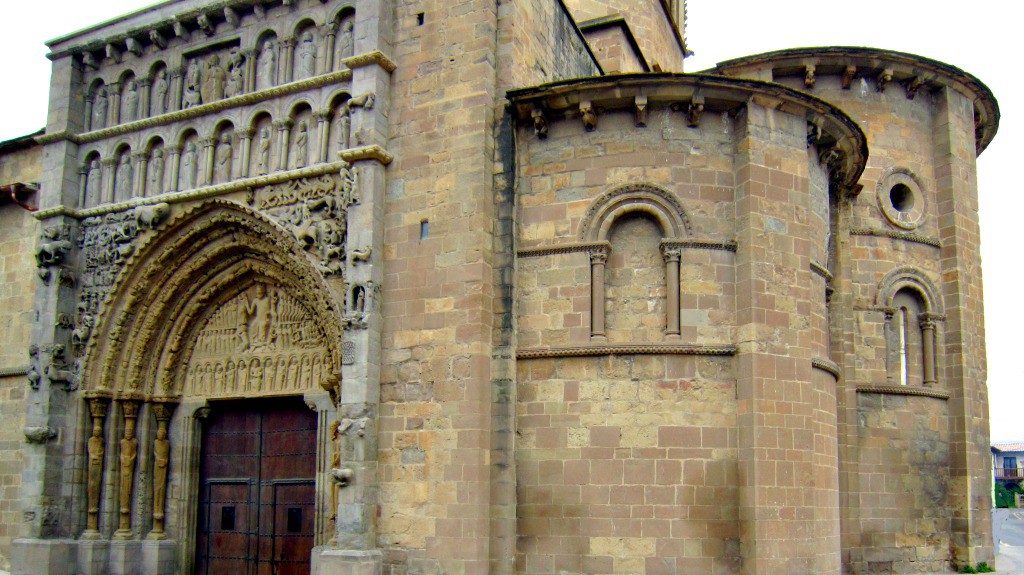
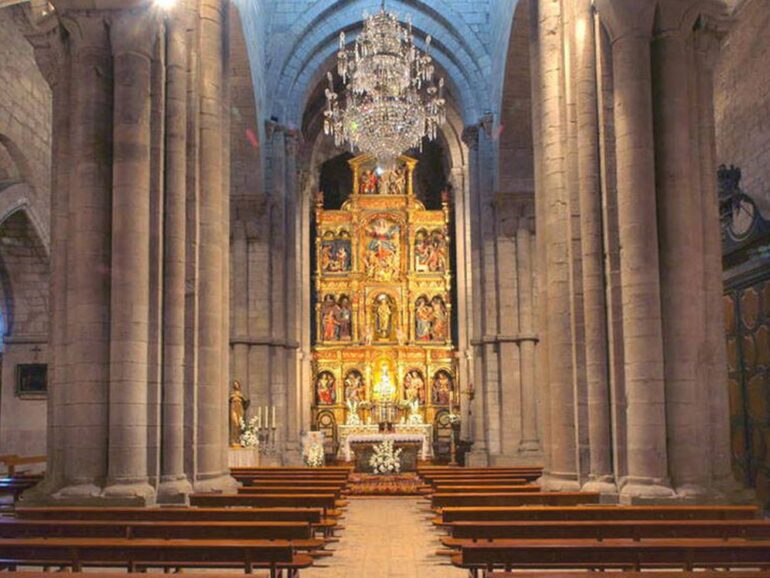
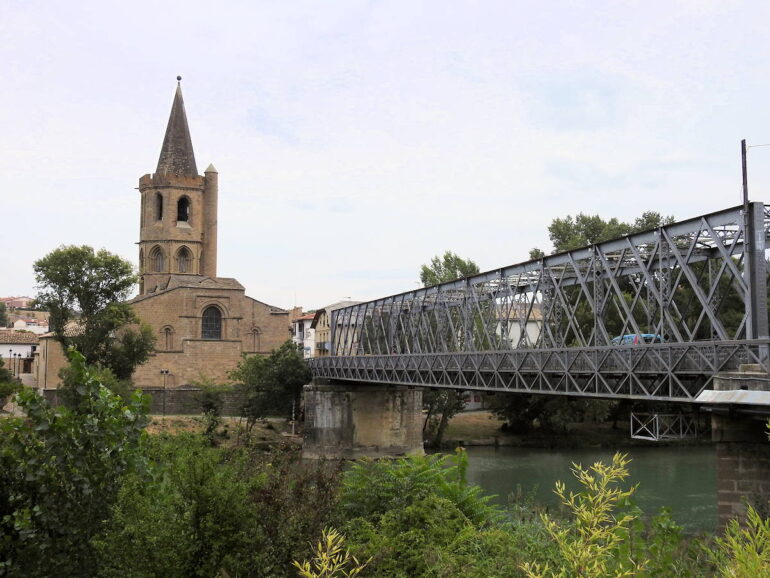
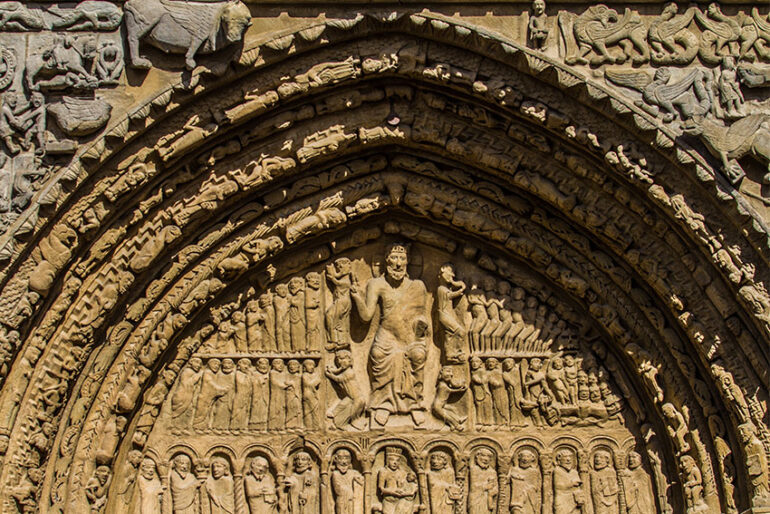
The monument in question is the Church of Santa María la Real in Sangüesa, one of the most important examples of Romanesque art in Navarre. Its façade immediately draws attention, not only for its intricate carvings but for the unusual figures that appear among them.
Unlike typical medieval religious art, which usually depicts biblical scenes, this church includes elements that seem to come from a completely different cultural world.
Among its sculptures, experts have identified figures and motifs that resemble Nordic mythology, something highly unusual in southern Europe.
How did a Nordic legend reach Spain?
The explanation lies in the history of the Camino itself. For centuries, thousands of pilgrims from across Europe traveled this route, bringing with them not only their faith but also their stories, traditions, and myths.
Over time, these cultural exchanges left a mark on the places they passed through. The church in Sangüesa became a living testimony of this phenomenon, where northern legends and Christian symbolism merged into a single artistic expression.
This makes the monument much more than a religious building—it is a symbol of Europe’s shared history.
A place that awakens curiosity and emotion
For modern pilgrims, discovering this site is often an unexpected highlight of their journey. After days of walking, surrounded by nature and silence, arriving at a place filled with mystery creates a powerful emotional impact.
Many travelers stop in front of the façade, trying to understand the meaning behind its carvings. Others simply admire its beauty, feeling connected to the countless pilgrims who stood there before them.
Search trends like hidden places in Spain, mysterious monuments Europe, Camino de Santiago highlights, and cultural travel Spain reflect the growing interest in locations like this.
More than a monument: a story carved in stone
What makes this place truly special is not just its architecture, but the story it tells. Every sculpture, every detail, reflects centuries of movement, exchange, and transformation.
It reminds us that the Camino de Santiago has never been just a religious route. It has always been a bridge between cultures—a place where people from different backgrounds meet, share, and leave a part of themselves behind.
The rise of cultural tourism on the Camino
In recent years, more travelers are seeking deeper experiences when walking the Camino. Beyond reaching Santiago, they want to understand the history, the symbolism, and the hidden stories along the way.
This trend has boosted interest in sites like this church, where cultural tourism in Spain, historical routes Europe, and unique travel experiences come together.
Visitors are no longer satisfied with just seeing places—they want to feel them, to connect with their meaning.
A must-see stop for pilgrims and travelers
For anyone planning the Camino de Santiago, this monument in Navarre has become a must-visit destination. Not only because of its artistic value, but because of the emotions it evokes.
Standing in front of it, it is easy to imagine the pilgrims of centuries past, arriving tired yet curious, carrying stories from distant lands.
And perhaps, without realizing it, they left behind fragments of their own culture—fragments that still live today in the stone of this remarkable place.
Conclusion: where myths, history, and journeys meet
The Church of Santa María la Real in Sangüesa is more than just a monument. It is a reminder that travel is not only about moving from one place to another, but about exchanging ideas, stories, and emotions.
In a world that often feels disconnected, places like this show us something powerful: that for centuries, people have been connected through journeys like the Camino de Santiago.
And sometimes, those connections leave behind something extraordinary—like a Nordic legend hidden in the heart of Spain.