












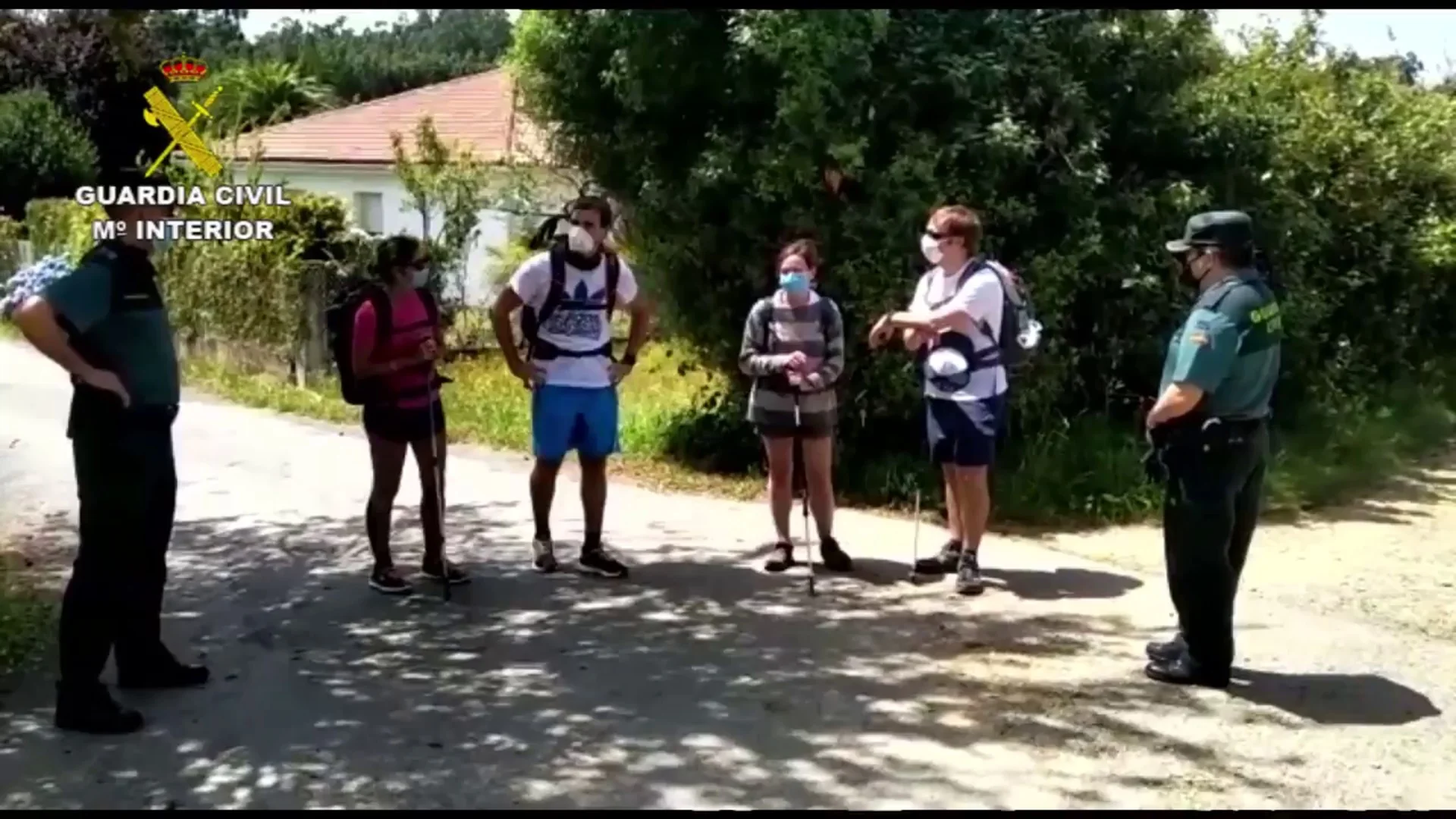
Official tips to avoid incidents
With more pilgrims than ever, safety on the Camino becomes a shared responsibility between technology, awareness and community
The Camino de Santiago continues to grow in 2026, attracting thousands of pilgrims from all over the world. With this increase, one question naturally arises for many first-timers and even experienced walkers:
Is the Camino still safe?
The short answer is yes. The Camino remains one of the safest long-distance routes in Europe. However, like any popular destination, it requires awareness, preparation and a basic understanding of how to stay safe along the way.
A generally safe experience… with some realities
Most pilgrims complete the Camino without any serious incidents. The routes are well marked, towns are welcoming, and there is a strong sense of mutual support among walkers.
That said, minor issues can occur.
Lost belongings, physical exhaustion, occasional scams or small conflicts are part of the reality of any journey involving large numbers of people. The key difference on the Camino is how these situations are handled—and how prepared you are to avoid them.
How to use the AlertCops app
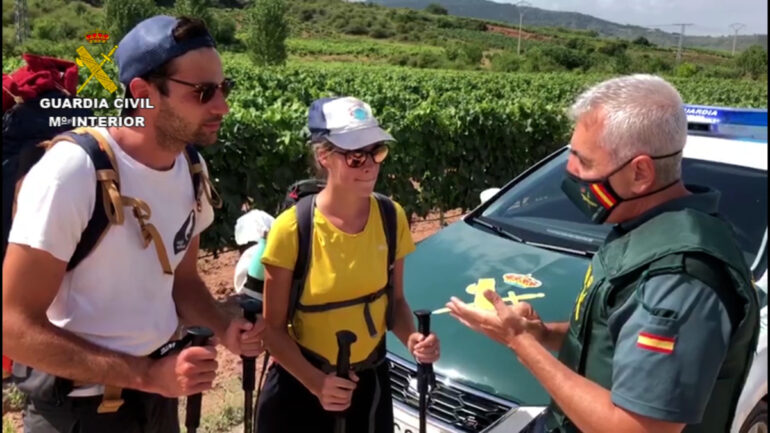
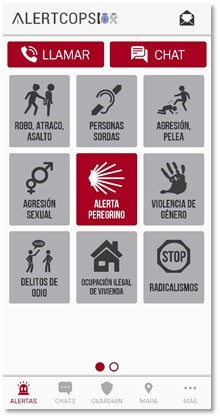
One of the most useful tools for safety in Spain is the AlertCoPs app, recommended by authorities for both locals and visitors.
This free mobile application allows pilgrims to quickly contact police services, share their location and report incidents in real time. It is especially helpful in more remote areas or if immediate assistance is needed.
The app is available in multiple languages and is designed to be simple and fast to use, making it an essential companion for anyone walking the Camino in 2026.
The Camino community: your best protection
Beyond technology, the greatest safety factor on the Camino is the community itself.
Pilgrims naturally look out for one another. If someone is struggling, others step in. If a situation feels uncomfortable, there is always someone nearby to help or give advice.
Albergues, local residents and fellow walkers create a network of informal support that is difficult to find in other types of travel.
This sense of shared experience is one of the reasons why many people feel safe even when walking alone.
Simple tips to stay safe on the Camino
While the Camino is generally safe, following a few basic guidelines can make a big difference:
Stay aware of your surroundings, especially in busy areas.
Avoid walking alone at night in unfamiliar or poorly lit sections.
Keep your valuables secure and carry only what you need.
Listen to your body and avoid pushing beyond your limits.
Share your route or daily plan with someone if possible.
These small precautions help ensure a smoother and more enjoyable journey.
A balance between trust and awareness
The Camino de Santiago is built on trust, openness and connection. These values remain strong in 2026.
However, being aware does not mean being afraid—it means being prepared.
Walking with confidence, staying informed and relying on both technology and community allows pilgrims to fully enjoy the experience while minimizing risks.
Safe, but above all… meaningful
At its core, the Camino is still what it has always been: a place where people come to walk, reflect and connect.
Safety is part of the journey—but it doesn’t define it.
Because in the end, what most pilgrims remember is not the risks…
but the people, the moments and the transformation along the way.