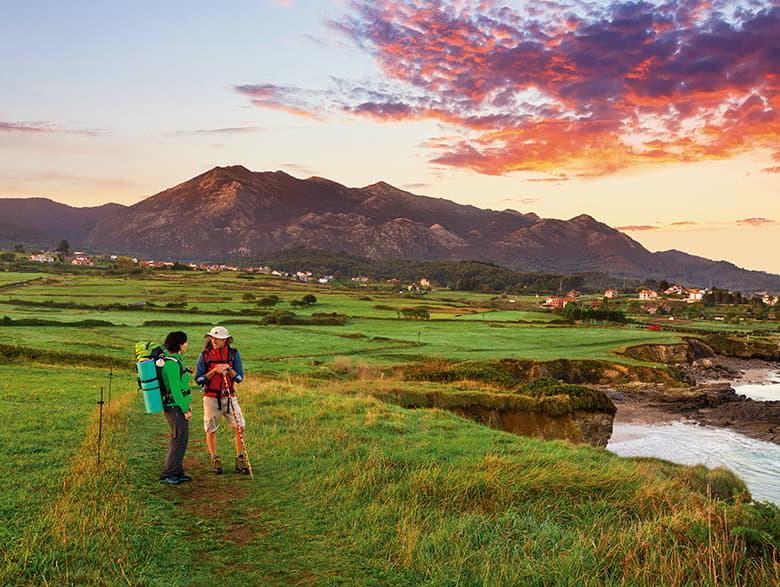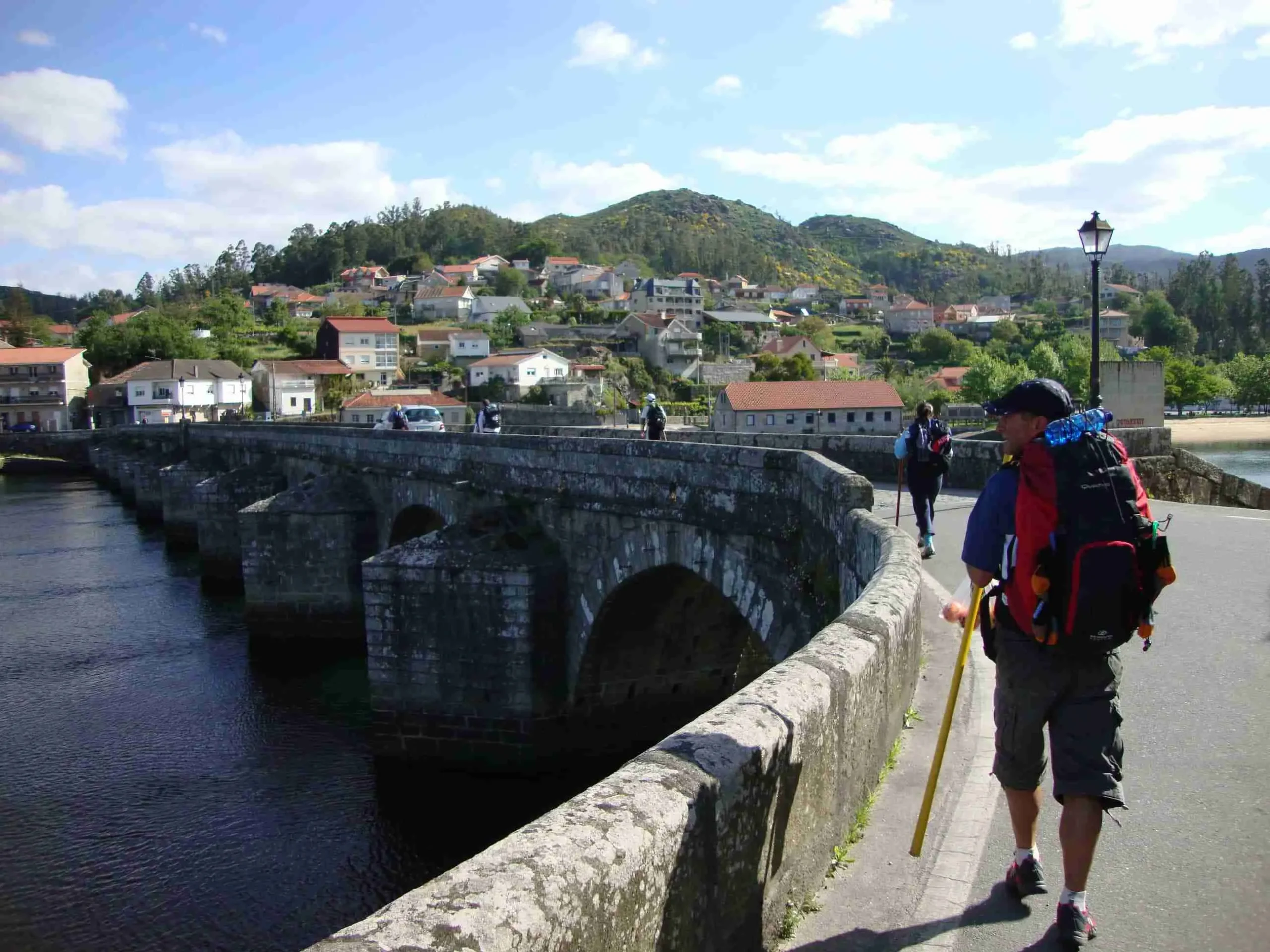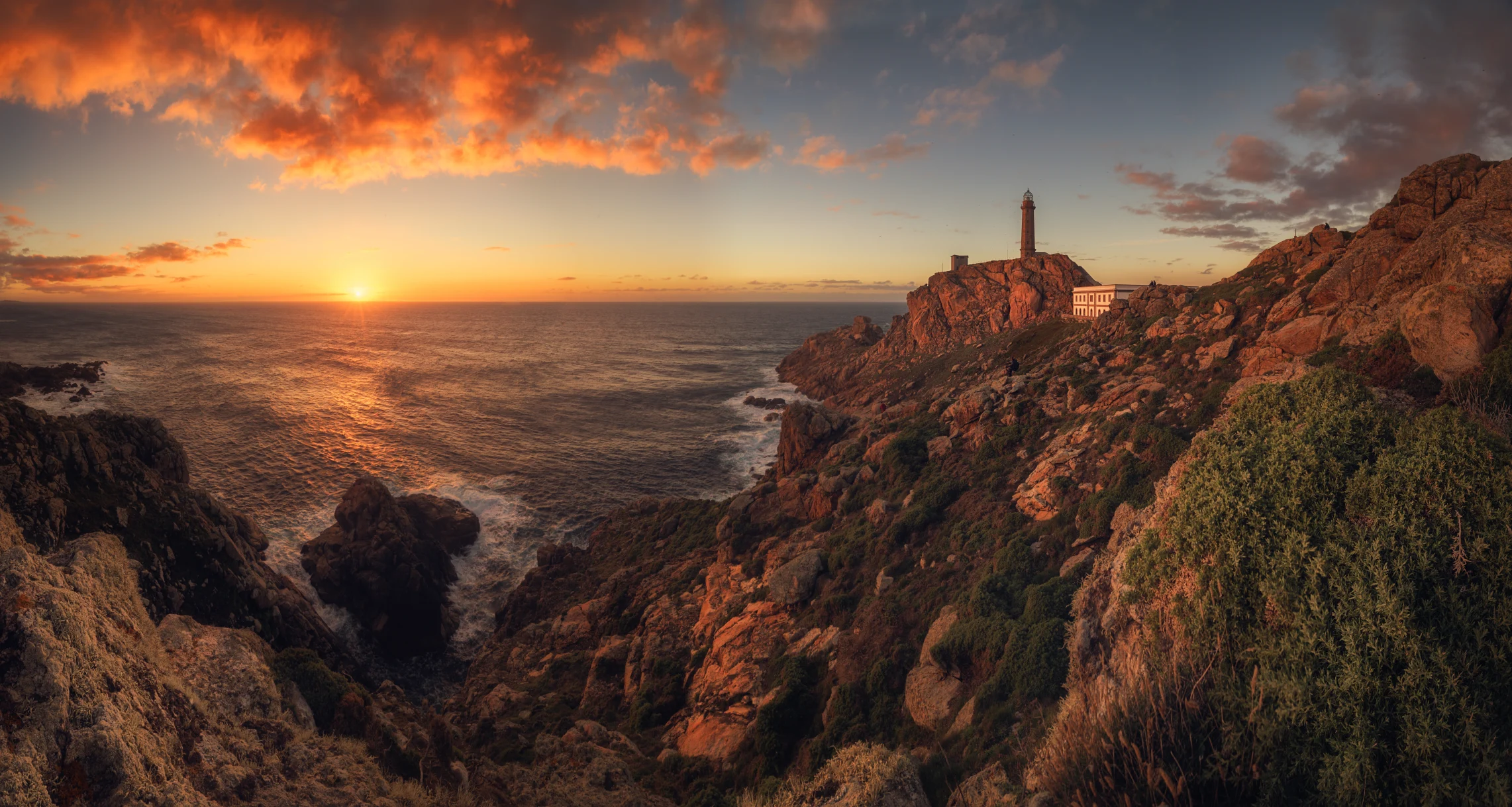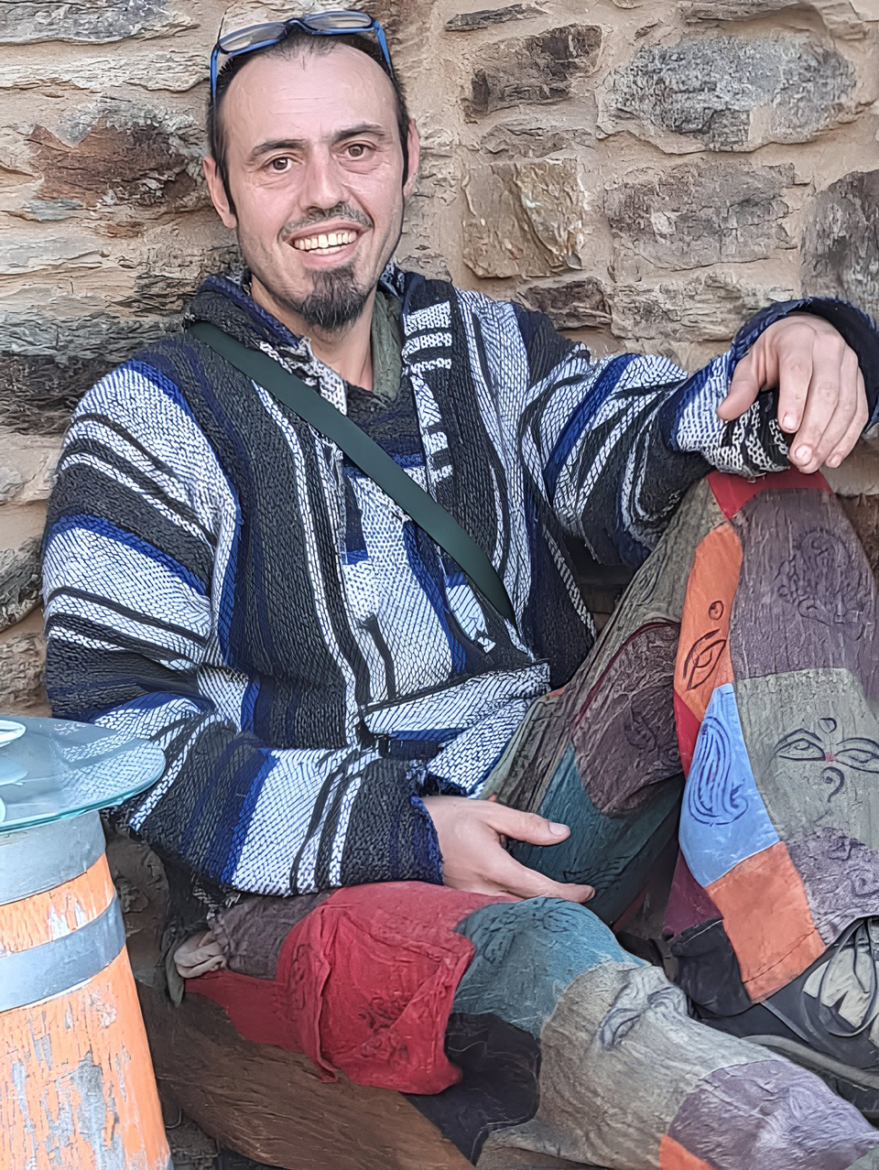








Every year, thousands of people from all over the world step onto the ancient routes of the Camino de Santiago, not fully knowing what they will find. What begins as a physical journey across northern Spain often transforms into something far more profound: a collection of human stories, each unique, yet strangely connected.
Unlike traditional travel, the Camino is not about ticking destinations off a list. It is about the people you meet along the way. On this path, a retired teacher from Italy may share dinner with a software engineer from South Korea, while a student from Germany walks side by side with someone who left everything behind to start over.
Each step carries not only the weight of a backpack, but also the invisible stories of those walking beside you.
One of the most remarkable aspects of the Camino is how briefly—and deeply—lives intersect. Conversations that would take months in everyday life unfold in just a few kilometers. People open up in ways they rarely do elsewhere.
Some are walking to heal after loss. Others are searching for clarity, purpose, or simply an escape from routine. There are those celebrating milestones and those quietly carrying grief. Yet on the Camino, labels fade. Job titles, social status, and backgrounds lose importance. What remains is something more human: presence.
It is not uncommon to share a meaningful conversation with someone, only to never see them again after the next stage. And yet, their story stays with you.
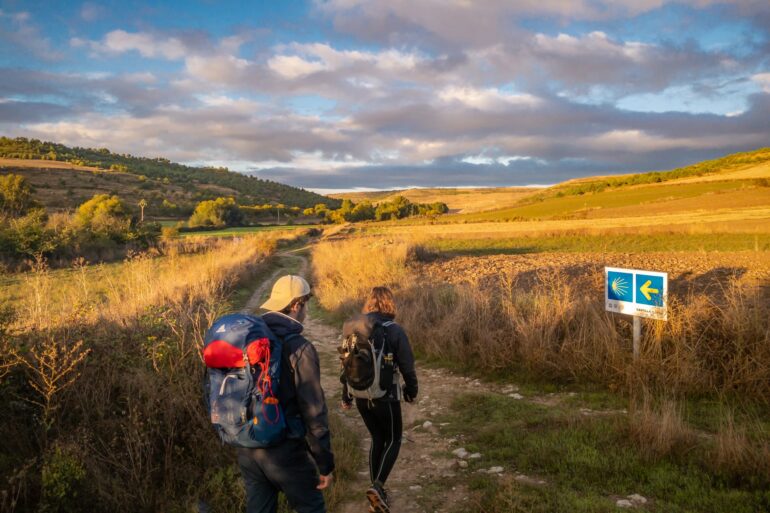
The Camino as a mirror of modern life
In a fast-paced, hyperconnected world, the Camino offers something increasingly rare: space. Space to think, to feel, and to disconnect from constant noise. Without the distractions of daily life, many pilgrims find themselves confronting questions they had long avoided.
Why am I here? What do I really want? What matters?
The simplicity of walking—step after step, day after day—creates clarity. And in that clarity, people begin to understand not only themselves, but also others.
The stories encountered along the way act as reflections. In someone else’s journey, you may recognize parts of your own.
More than a destination
Reaching Santiago is often described as the goal, but for many, it feels more like a transition than an ending. The real impact of the Camino lies in what is carried forward: perspectives, memories, and the stories of those who briefly walked beside you.
“One path, a thousand stories” is not just a poetic idea—it is a reality lived by every pilgrim. The Camino is a reminder that while we may come from different places, we are all, in some way, walking toward something.