











Beyond the physical effort and the long days on the trail, the Camino de Santiago continues to transform those who walk it in ways that are difficult to explain but impossible to forget
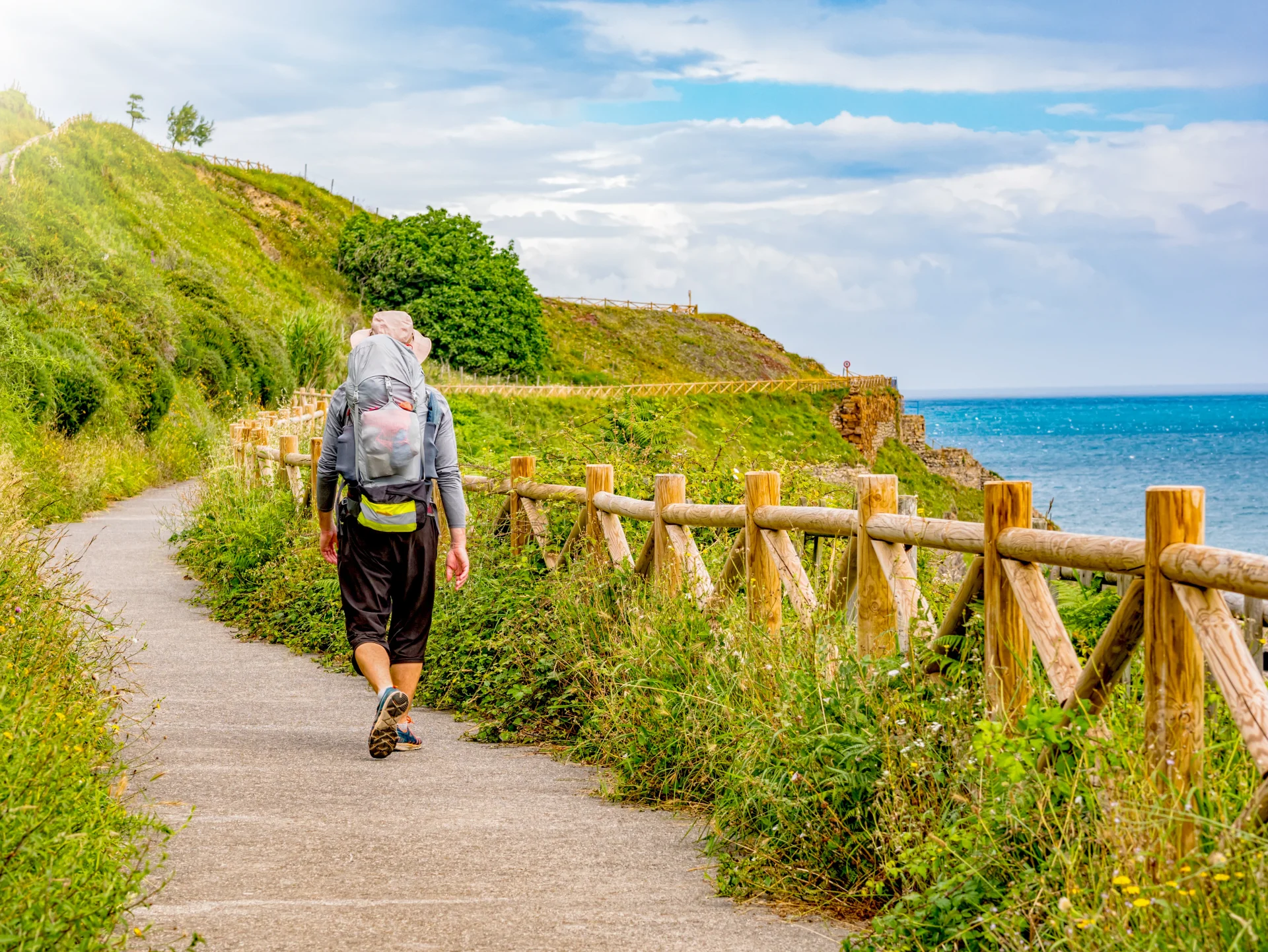
There is something about the Camino de Santiago that goes far beyond the idea of a simple journey. At first, many people approach it as a challenge: a long-distance walk, a personal goal, or even just a travel experience. But as the days pass, what begins as a physical effort slowly turns into something much deeper.
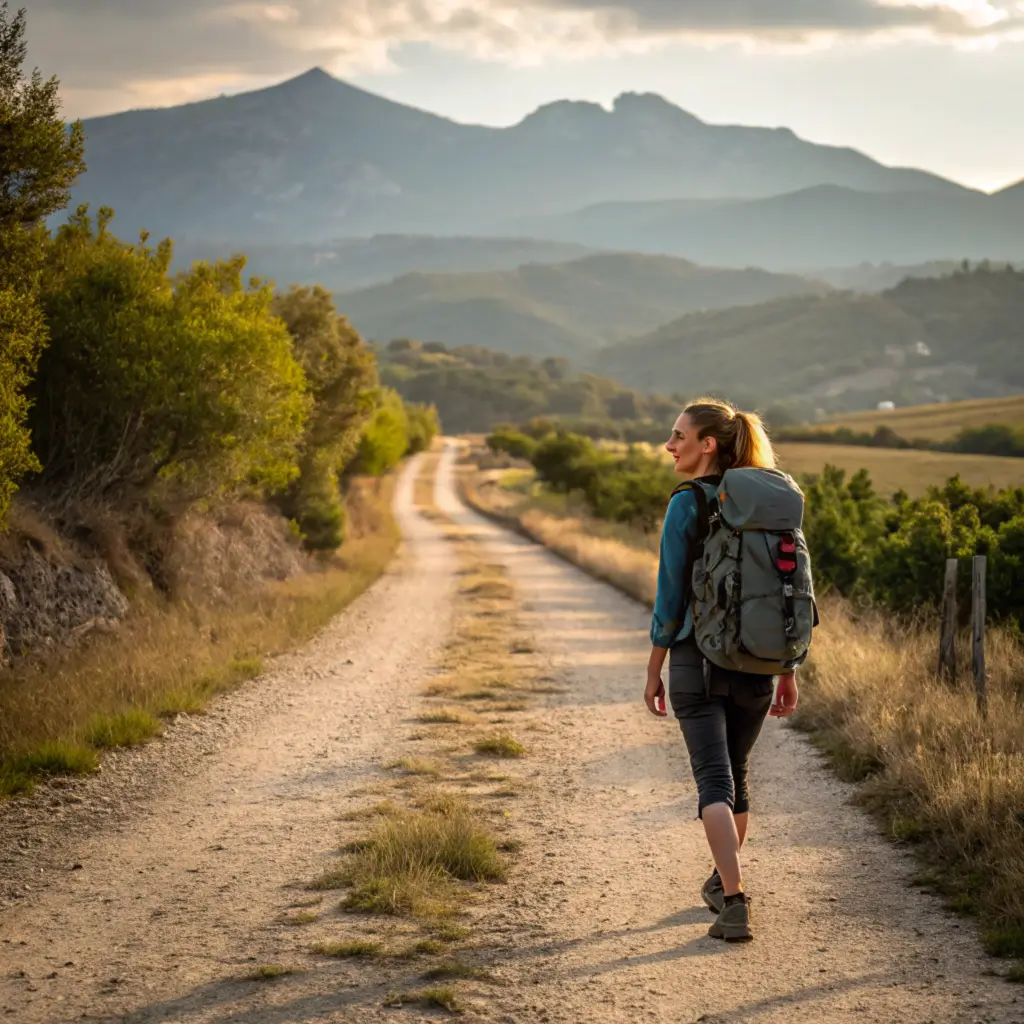
In the beginning, everything feels external. You think about the kilometers ahead, the weight of your backpack, where you will sleep or what you will eat. Your body is adapting, your mind is still connected to your everyday life, and the Camino feels like something you are doing
But little by little, almost without noticing, that changes.
When the Camino becomes something personal
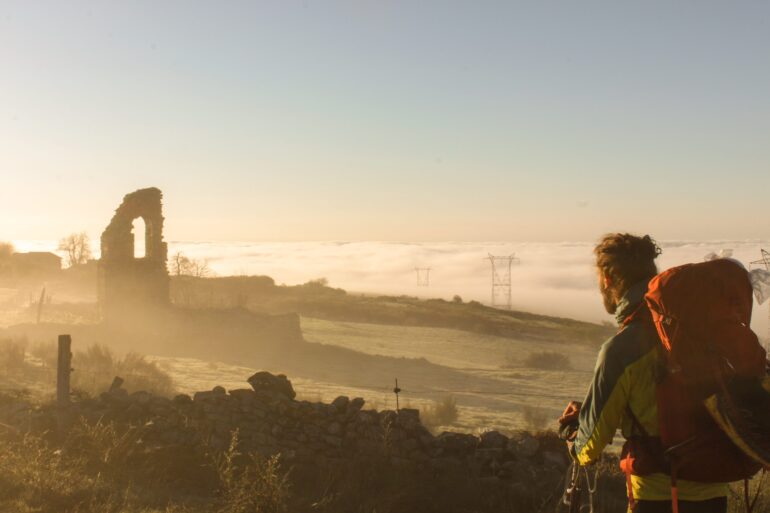
There is a moment, different for every pilgrim, when the Camino stops being just a route and becomes something internal. It can happen during a quiet morning walk, when the landscape opens in front of you, or during a conversation that unexpectedly touches something deep inside.
It is not dramatic or sudden. It is subtle.
You begin to feel more present. The noise of daily life fades away, replaced by a slower rhythm that allows you to observe, think and simply be. The things that once seemed urgent lose importance, and what remains is something more essential.
This is when many pilgrims realize that the Camino is not about reaching Santiago, but about what happens within them along the way.
The unexpected power of human connection
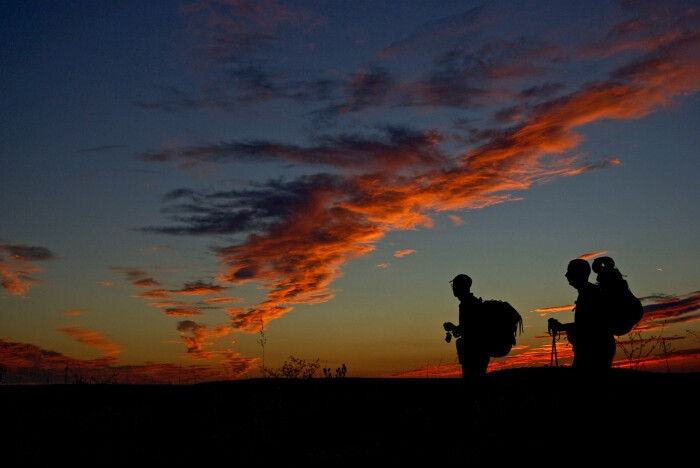
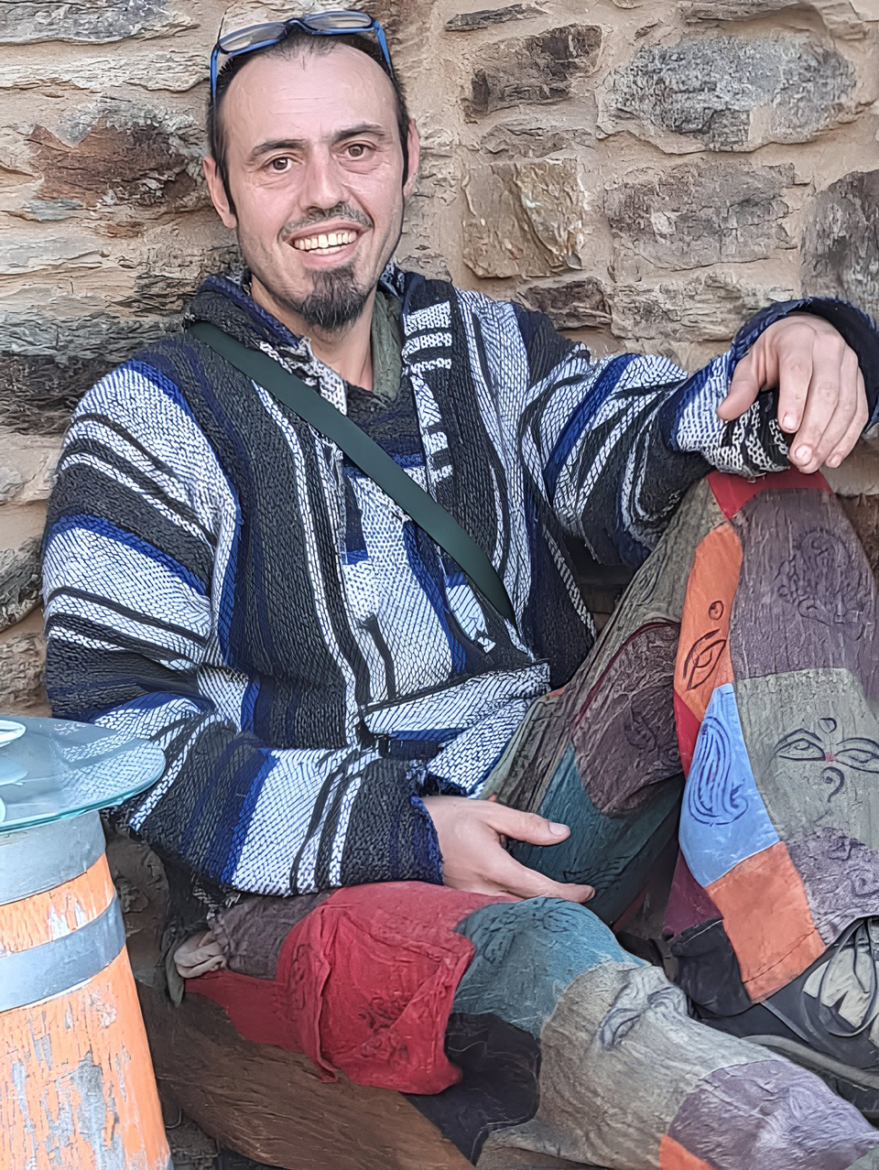
One of the most remarkable aspects of the Camino is the people you meet. Strangers from different countries, cultures and backgrounds come together on the same path, sharing not only the road but also moments that quickly become meaningful.
Conversations flow naturally, often with a depth that surprises even those involved. There is a sense of openness that is rare in everyday life, where people tend to be more guarded. On the Camino, that barrier disappears.
You share meals, stories, challenges and laughter, and even if those encounters are brief, they often leave a lasting impression. Some of these connections evolve into friendships that continue long after the journey ends.
The silence that changes everything
Another powerful element of the Camino is silence. In a world filled with constant noise, silence can feel unfamiliar, even uncomfortable. But on the Camino, it becomes something valuable.
Walking alone for hours, surrounded by nature, gives space for reflection. It allows thoughts to surface, emotions to settle, and perspectives to shift. This silence is not empty; it is full of meaning.
Many pilgrims describe it as one of the most important parts of their journey, a time when they reconnect with themselves in a way that is difficult to achieve in daily life.
More than a destination, a transformation
By the time pilgrims reach Santiago, something has changed. Not necessarily in a visible or dramatic way, but in a deeper, more personal sense. The Camino does not provide clear answers, but it helps clarify the questions that matter.
It teaches patience, resilience and simplicity. It shows that less can be enough, and that moving forward, step by step, is sometimes all that is needed.
And perhaps most importantly, it reminds people of what truly matters.
Why the Camino stays with you
Even after the journey ends, the Camino continues to exist in the memories and in the way people see the world. It is not something that is easily left behind.
Many feel a desire to return, not necessarily to repeat the same experience, but to reconnect with that feeling of clarity and authenticity.
Because the Camino is not just a path across Spain.
It is a journey that stays with you.