







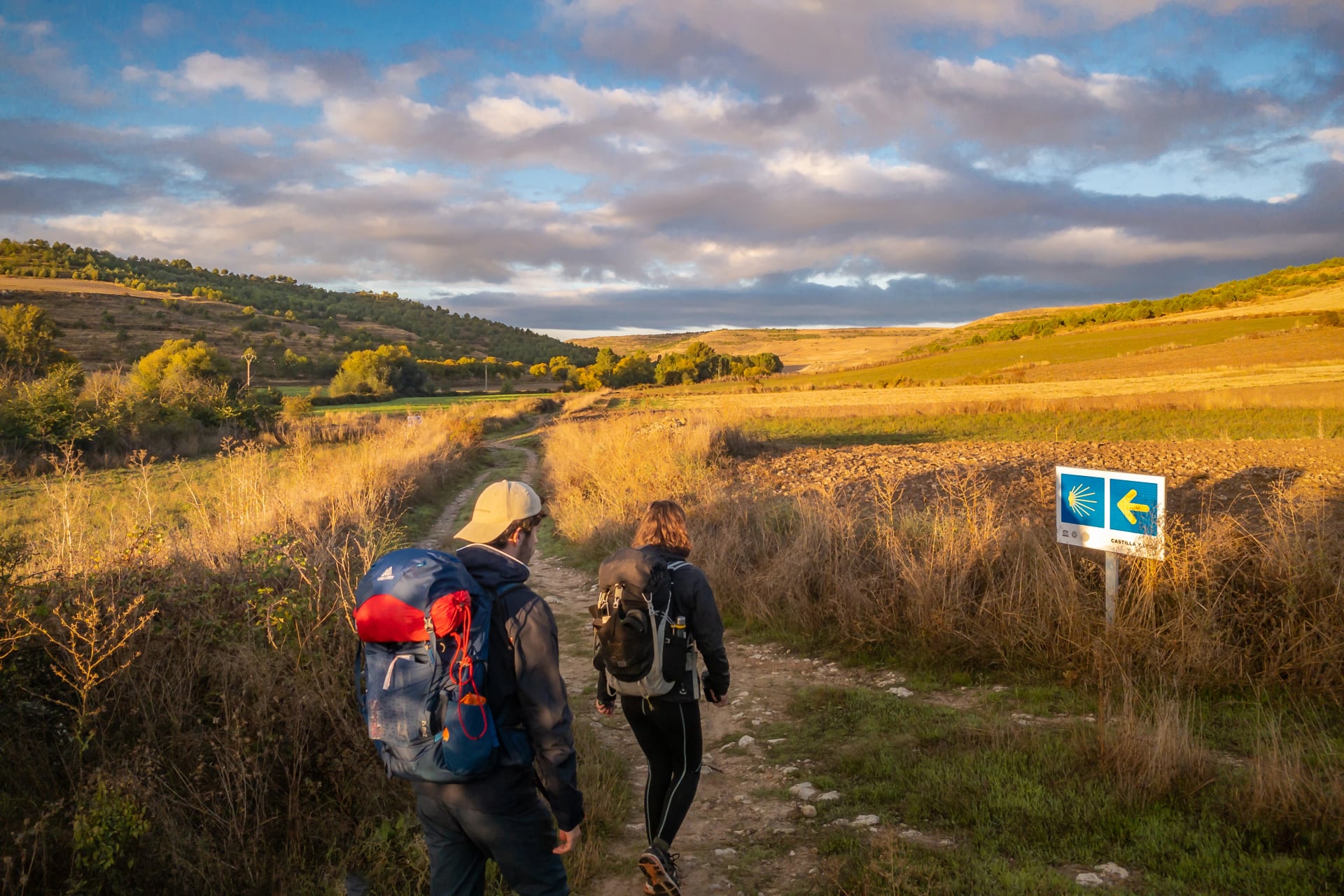
What many first-time walkers get wrong… and how to avoid turning your Camino into a survival challenge
The Camino de Santiago is one of the most rewarding experiences you can have. But for first-time pilgrims, it can also be full of surprises—some beautiful, others… painful.
Every year, thousands of people start the Camino thinking they’re fully prepared. And within a few days, reality hits: sore feet, heavy backpacks and the realization that this journey is very different from what they imagined.
Here are the five most common mistakes first-time pilgrims make—and why avoiding them can completely change your experience.
Starting too fast, too strong
One of the biggest mistakes is treating the first day like a race. Many beginners feel excited and full of energy, so they walk too far, too fast.
The problem? The Camino is not about day one—it’s about every day.
Starting too strong often leads to injuries, exhaustion and even having to stop early. The key is simple: slow down, listen to your body and build your rhythm gradually.
Carrying too much weight
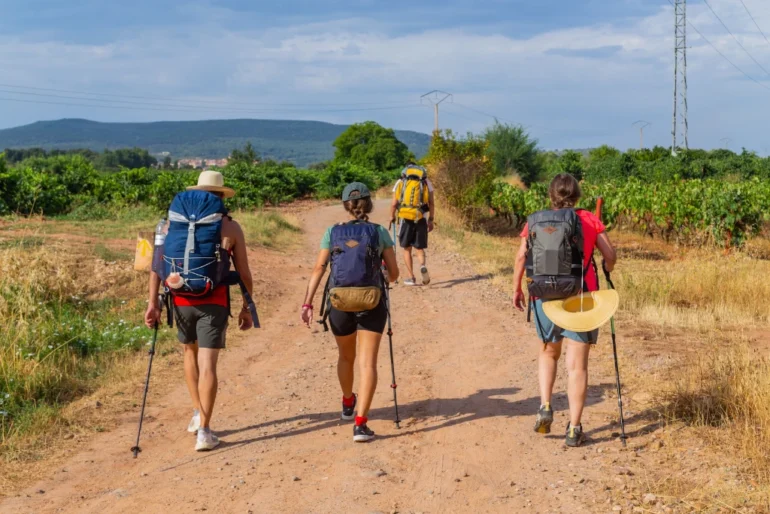
If there’s one universal lesson on the Camino, it’s this: you don’t need half the things you packed.
First-time pilgrims often bring too many clothes, “just in case” items and unnecessary gear. After a few kilometers, that extra weight becomes very real.
A good rule: if you’re not sure you need it, you probably don’t. Less weight means more freedom—and a much happier walk.
Ignoring foot care
Blisters are almost a rite of passage on the Camino, but many can be avoided.
New pilgrims often underestimate the importance of proper footwear, socks and daily foot care. Small issues quickly turn into big problems if ignored.
Taking care of your feet is not optional—it’s essential. Because on the Camino, your feet are everything.
Planning every detail (and forgetting to enjoy it)
Some pilgrims arrive with a strict schedule: exact distances, booked accommodations, fixed plans.
While planning is useful, overplanning can take away one of the most beautiful aspects of the Camino: spontaneity.
Some of the best moments happen when plans change—when you meet someone new, take a different route or decide to stop earlier than expected.
Comparing your Camino to others
It’s easy to look at other pilgrims and think you’re too slow, too tired or doing it “wrong”.
But the truth is: there is no right way to walk the Camino.
Each person has their own pace, their own reasons and their own journey. Comparing yourself only adds pressure—and takes away from your experience.
The Camino is not about perfection
Making mistakes is part of the journey. In fact, many of the best stories come from things that didn’t go as planned.
The Camino de Santiago teaches you to adapt, to let go and to keep moving forward—even when things are not perfect.
And in the end, those “mistakes” often become the most valuable lessons.
Because the Camino is not about doing everything right…
it’s about living every step.