








A changing landscape on the Camino
The Camino de Santiago has always been a reflection of the world. When things change globally, the Camino feels it. And as 2026 begins, there is already a question many hospitaleros and pilgrims are asking:
Will fewer people walk the Camino this year?
While it is still early, some small signs are starting to appear. A few albergues have reported isolated cancellations, mostly linked to uncertainty around global conflicts and travel concerns. Nothing dramatic yet, but enough to suggest that this year could be slightly different.
At the same time, interest in the Camino remains strong. Search trends, bookings and online communities still show high levels of demand. The Camino is not slowing down… but it may be adjusting.
The most common nationalities on the Camino
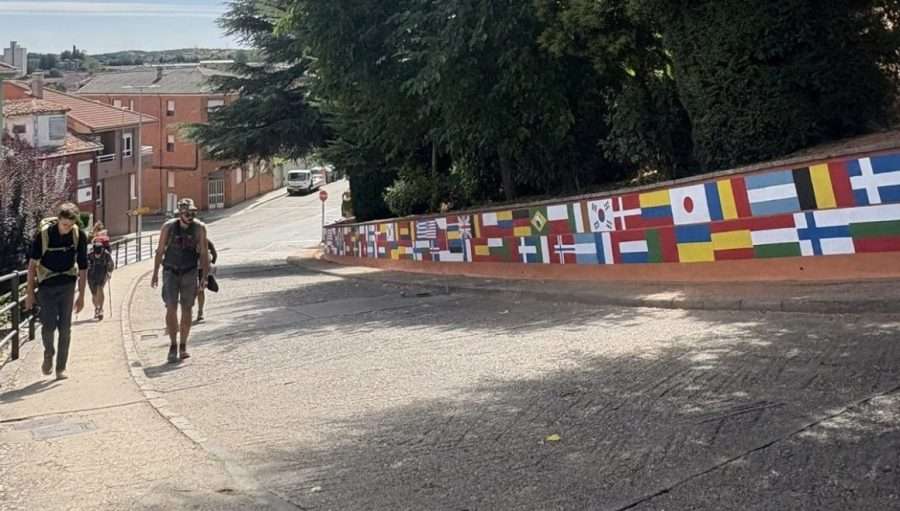
One of the most interesting aspects of the Camino is its international character. Over the past year, the diversity of pilgrims has continued to grow, with some nationalities standing out more than others.
Among the most common were:
- Spain (still the largest group)
- United States
- Germany
- Italy
- France
- Portugal
- United Kingdom
- South Korea
In recent years, South Korea has remained one of the most surprising and consistent presences on the Camino, especially on the Camino Francés.
American pilgrims have also increased significantly, often combining the Camino with longer European trips.
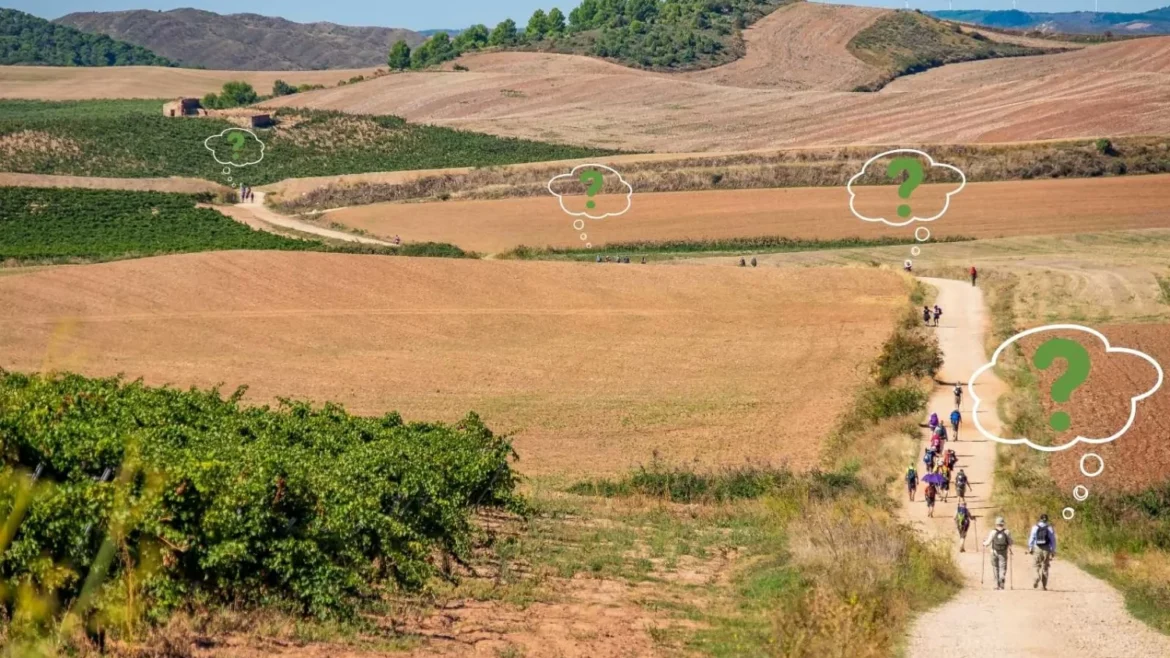
Will global conflicts affect pilgrim numbers?
This is the big unknown.
Historically, the Camino has proven resilient. Even after global disruptions, numbers tend to recover quickly. However, uncertainty always has an impact on travel decisions.
Some possible effects for 2026 include:
- Shorter Camino routes instead of full journeys
- More European pilgrims and fewer long-haul travelers
- Last-minute bookings instead of long-term planning
- Slight increase in cancellations in early season
For now, cancellations remain very low, but hospitaleros are paying attention.
A shift toward alternative routes
Another clear trend is the growing interest in less crowded routes.
Many pilgrims are moving away from the busiest sections of the Camino Francés and choosing:
- Camino Primitivo
- Camino del Norte
- Camino de Invierno
- Portuguese Coastal Route
These routes offer a quieter, more personal experience, which is becoming increasingly attractive.
What pilgrims are really looking for in 2026
Beyond numbers, something deeper is happening.
Pilgrims are no longer just looking to “complete” the Camino. They are looking for:
- Authentic experiences
- Silence and nature
- Human connection
- Meaningful travel
This shift could shape the future of the Camino more than any global event.
The Camino always adapts
If there is one thing history has shown, it is this:
the Camino adapts.
Wars, pandemics, economic changes… the Camino has seen it all. And yet, people keep walking.
2026 may bring small changes, slight shifts in numbers or profiles, but the essence remains the same.
People will continue to arrive.
Step by step.
Looking for something… even if they don’t know what it is yet.