










Author of “The Secret Guide to the Camino de Santiago” disappeared during an alternative pilgrimage route
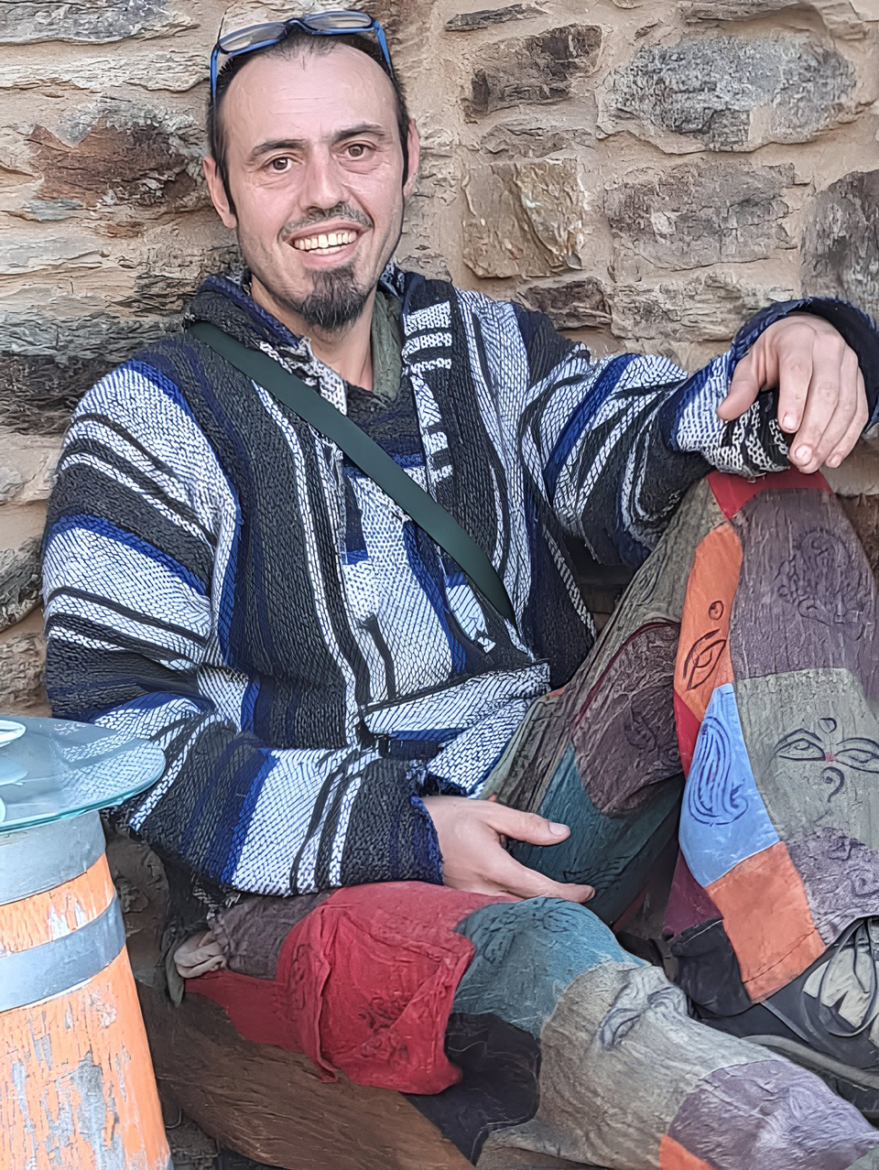
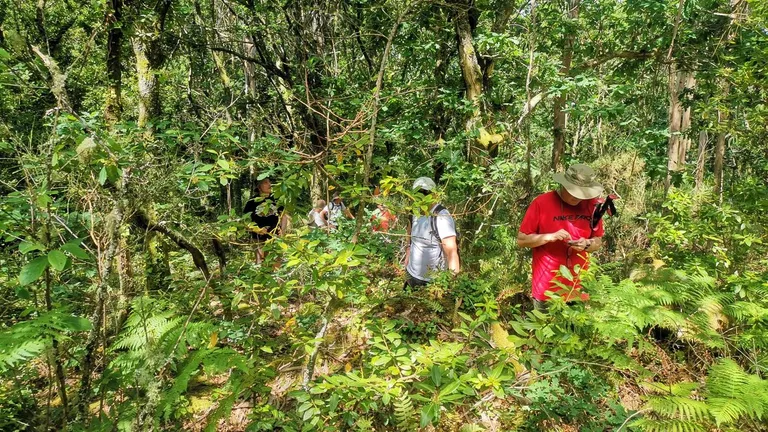
What began as a unique pilgrimage experience through hidden Camino de Santiago routes ended in moments of real tension in the mountains of Galicia. Jorge González Paredes, well-known Camino expert and author of The Secret Guide to the Camino de Santiago, had to be rescued after getting lost with a group of pilgrims in the wild hills of Carnota, in northwestern Spain.
The incident happened during one of the alternative Camino routes organized by González Paredes, who for years has guided pilgrims through lesser-known historic trails far from the crowded official routes.
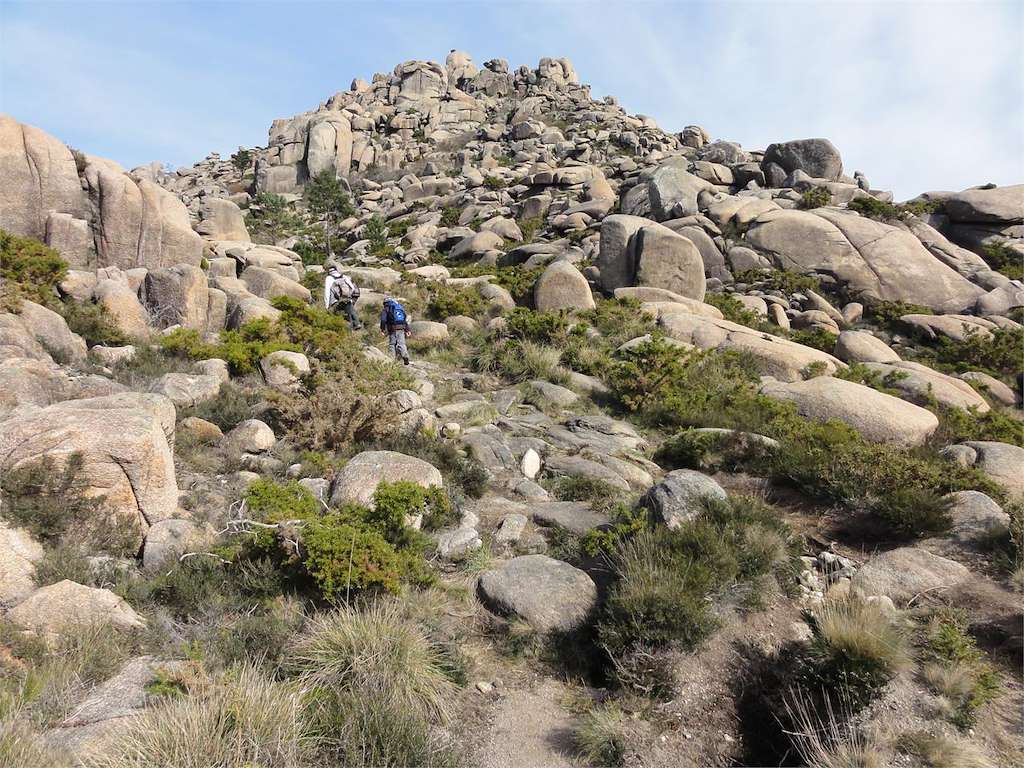
The group of seven pilgrims had started their journey in Carnota and planned to climb Monte Lariño before descending toward San Martiño. However, at one point during the route, they accidentally took the wrong path and became disoriented in a difficult mountain area. (lavozdegalicia.es)
The mistake quickly turned into a stressful situation as the terrain became increasingly complicated and the group struggled to find the correct route back.
Emergency rescue teams were eventually deployed to locate the pilgrims in one of Galicia’s most rugged and isolated coastal mountain areas.
A well-known figure in the Camino de Santiago world
Jorge González Paredes is not an ordinary pilgrim.
He is widely recognized among Camino enthusiasts for exploring and promoting hidden Jacobean routes and forgotten pilgrimage paths across Spain. His book The Secret Guide to the Camino de Santiago has become popular among travelers looking for authentic Camino experiences away from mass tourism.
For years, he has organized special pilgrimage trips for people from across Spain interested in discovering the “hidden Camino” — routes filled with nature, silence, history and adventure.
Ironically, it was precisely this search for unknown paths that led the group into difficulty in the mountains of Carnota.
Galicia’s wild beauty can also be dangerous
The area where the pilgrims became lost is famous for its dramatic landscapes, Atlantic cliffs, forests and mountain trails.
Carnota and nearby O Pindo have become increasingly popular among hikers, outdoor travelers and Camino enthusiasts searching for alternative tourism experiences connected to nature and wellness travel.
But experts warn that these routes can also become dangerous very quickly.
Fog, changing weather conditions, poor mobile phone coverage and confusing trails make orientation difficult even for experienced hikers.
The incident highlights one of the growing challenges linked to the boom in outdoor tourism and hiking adventures across Spain.
More travelers are searching for hidden routes and authentic experiences — but many underestimate the risks of remote natural environments.
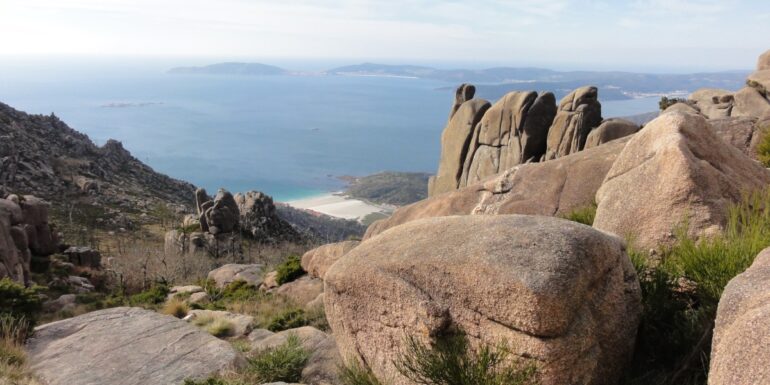
Alternative Camino routes are becoming increasingly popular
In recent years, thousands of pilgrims have started looking beyond the crowded Camino Francés.
Travel trends connected to:
- sustainable tourism,
- nature travel,
- hiking holidays,
- wellness experiences,
- spiritual tourism,
- and digital detox trips
have pushed alternative Camino routes into the spotlight.
Many pilgrims today are searching for silence, personal transformation and real adventure rather than busy tourist routes.
That growing interest has made experts like Jorge González Paredes increasingly popular within the Camino community.
His routes focus on forgotten pilgrimage paths, hidden villages and spectacular natural scenery rarely seen by mainstream tourists.
Hiking rescues continue to increase in Spain
Spanish emergency services have repeatedly warned about the growing number of mountain rescues linked to hiking and adventure tourism.
Many travelers underestimate:
- physical exhaustion,
- dehydration,
- mountain orientation,
- route difficulty,
- and rapidly changing weather conditions.
Galicia in particular has become one of Europe’s fastest-growing destinations for hiking tourism, Camino travel and outdoor experiences thanks to its incredible landscapes, gastronomy and Atlantic coastline.
However, local authorities continue reminding visitors that proper preparation and caution are essential when exploring remote areas.
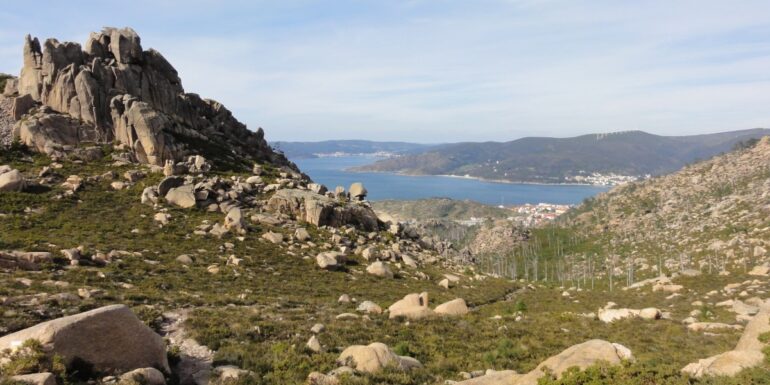
The Camino also demands respect for nature
Although the Camino de Santiago is often associated with spirituality and peaceful travel, many of its alternative routes cross difficult natural terrain.
Especially in Galicia, some mountain paths and forest trails require experience, preparation and careful planning.
Experts recommend always:
- carrying enough water,
- checking weather forecasts,
- planning routes carefully,
- informing others about hiking plans,
- and avoiding improvisation in unknown areas.
Because even experienced Camino experts can lose their way.
Fortunately, the rescue ended safely
Thankfully, the incident ended without serious injuries.
Rescue teams successfully located the group after hours of uncertainty, and all participants were able to leave the mountain safely.
Still, the story has once again highlighted both the beauty and unpredictability of Galicia’s hidden Camino routes.
For many pilgrims, that mixture of adventure, nature and uncertainty is exactly what makes the Camino de Santiago such a life-changing experience.
But sometimes, even the most experienced pilgrims discover that the wild side of the Camino deserves enormous respect.