













The Volunteers Who Welcome Pilgrims Every Day
Every year, hundreds of thousands of people set out on the Camino de Santiago, searching for adventure, spirituality, personal growth, or simply a unique travel experience. While the ancient routes, historic villages, and breathtaking landscapes are essential parts of the pilgrimage, many walkers agree that its true soul is found in the people they meet along the way.
Among those people, hospitaleros hold a very special place.
These volunteers dedicate part of their own holidays to welcoming pilgrims in hostels across the Way of St. James. They receive no salary and often work long days simply because they believe in the centuries-old tradition of Camino hospitality. Their reward is not financial but the satisfaction of helping strangers from every corner of the world continue their journey.
Before becoming a hospitalero, almost everyone has first been a pilgrim. That experience allows them to understand the physical exhaustion, emotional challenges, and unexpected moments that every walker experiences on the road to Santiago de Compostela.
A typical day begins before sunrise. Hospitaleros say goodbye to pilgrims leaving early in the morning before cleaning rooms, preparing common areas, maintaining kitchens and bathrooms, shopping for supplies, and getting everything ready for the arrival of new guests later in the afternoon. Although the work is demanding, many volunteers return year after year because they see it as a way of giving back to the Camino for everything it has given them.
However, their mission goes far beyond managing accommodation.
Hospitaleros are often the first friendly face a tired pilgrim encounters after a long day of walking. They offer directions, practical advice, medical assistance when needed, and perhaps most importantly, a listening ear.
Many describe their role as one of welcome and companionship rather than simple hostel management. Some volunteers even say that the first thing they offer is not a bed, but a heartfelt hug that makes pilgrims feel safe and understood after hours—or even weeks—on the trail.
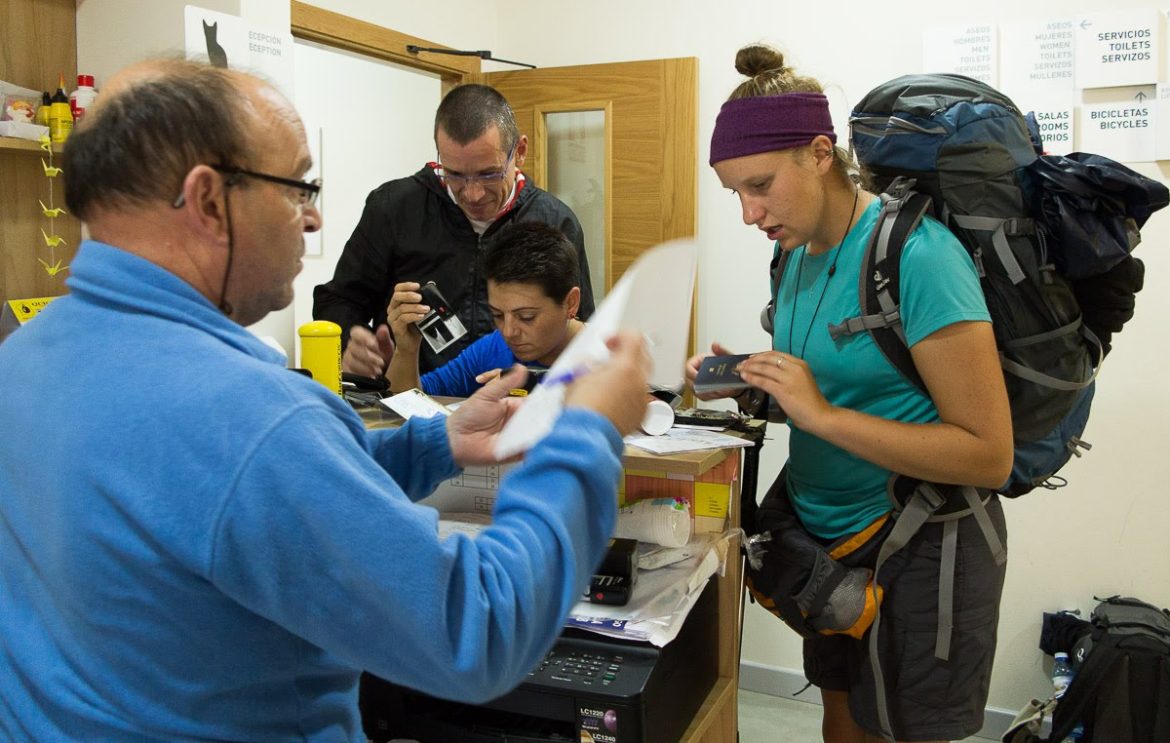
Pilgrims frequently arrive carrying more than just backpacks. Many bring emotional burdens, personal worries, grief, or important life decisions. Hospitaleros often become trusted listeners during conversations that may last only a few minutes but remain unforgettable for both sides.
That spirit of listening is considered one of the defining characteristics of Camino hospitality, where kindness and compassion matter just as much as providing food or a place to sleep.
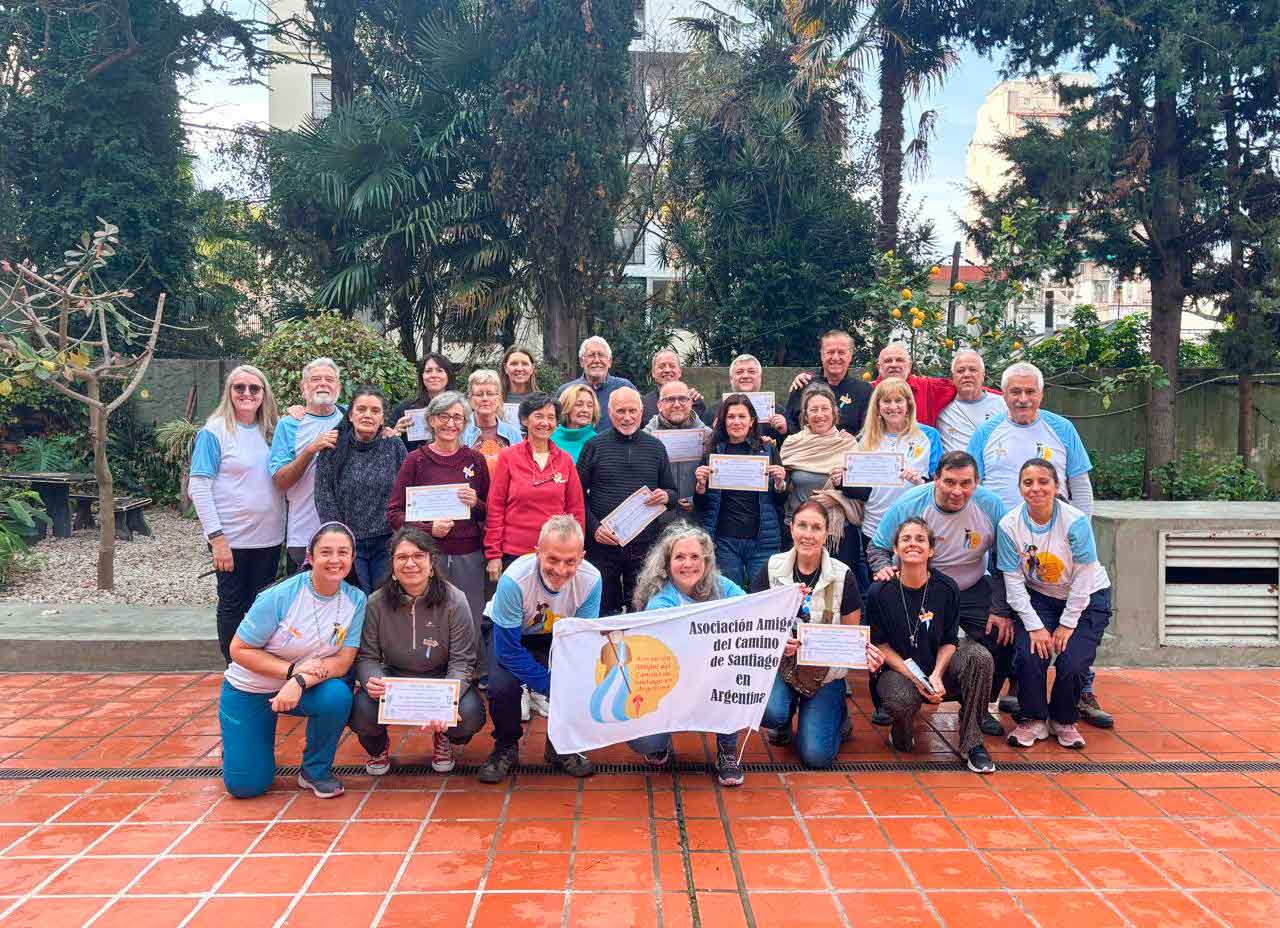
The volunteer network supporting the Camino has grown steadily over the years. Today, thousands of trained hospitaleros serve in dozens of pilgrim hostels across Spain. Before taking on this responsibility, volunteers complete specialised training courses organised by the Spanish Federation of Associations of Friends of the Camino de Santiago, learning about hospitality, first aid, communication, and the practical realities of caring for pilgrims from around the world.
For many volunteers, becoming a hospitalero represents a completely different way of experiencing the Camino. Instead of walking towards Santiago, they remain in one place, watching hundreds of pilgrims come and go. Every day brings new nationalities, languages, cultures, and personal stories, creating a unique atmosphere of friendship and mutual respect.
This tradition has become one of the defining features of the Camino de Santiago, distinguishing it from many other long-distance walking routes around the world.
As the number of international pilgrims continues to grow every year, the work of hospitaleros becomes increasingly important. Their dedication helps preserve the welcoming spirit that has characterised the Camino for centuries and ensures that every pilgrim, regardless of nationality, religion, or background, feels at home.
The Camino is famous for its yellow arrows, medieval churches, and unforgettable landscapes, but those who have completed the pilgrimage often remember something even more valuable—the people who welcomed them with generosity and kindness.
For countless pilgrims, hospitaleros are not simply volunteers. They are guardians of one of the Camino’s oldest traditions, keeping alive a culture of hospitality that continues to inspire the world, one pilgrim at a time.