













The Camino de Santiago is a bucket-list experience for thousands of pilgrims every year. While the journey to Santiago de Compostela is often described as life-changing and spiritual, it is not without its share of physical and environmental risks. As the popularity of the Way of Saint James continues to grow, local authorities are issuing new warnings to ensure that hikers and cyclists stay out of harm’s way.
The Physical Toll: Blisters, Dehydration, and Exhaustion
The most common «dangers» on the Camino aren’t dramatic accidents, but the slow wear and tear on the human body. Many pilgrims start their journey—particularly the French Way (Camino Francés)—without adequate physical preparation. Walking 20 to 30 kilometers a day under the Spanish sun can lead to severe heat exhaustion and dehydration.
Blisters might seem like a minor inconvenience, but if not treated with proper hygiene, they can lead to infections that end a pilgrimage prematurely. Experts recommend high-quality, broken-in hiking boots and moisture-wicking socks to mitigate these risks.
Navigational Hazards and Road Safety
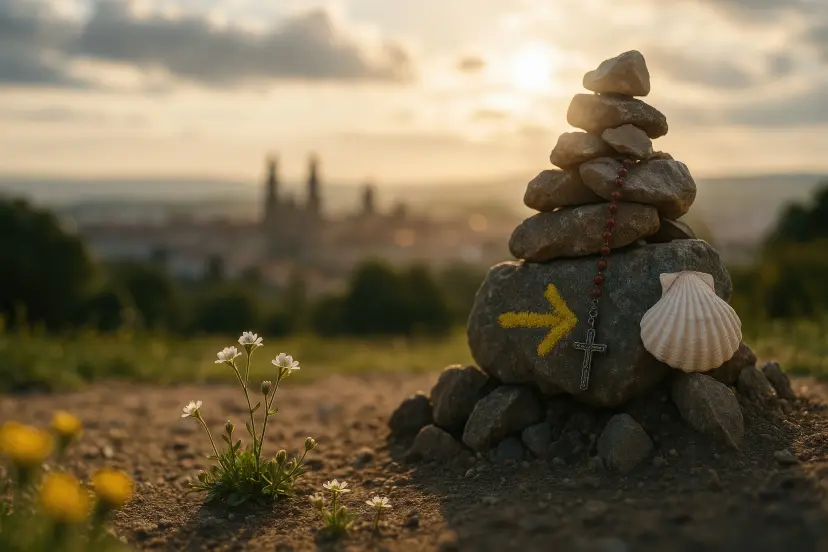
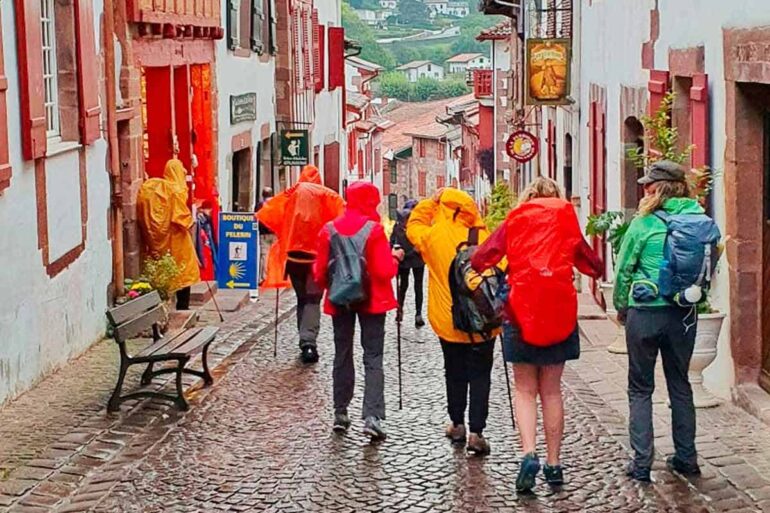
While the Camino is well-marked with the iconic yellow shells and arrows, it is easy to become disoriented, especially in dense fog or during the winter months in the Pyrenees. The Napoleon Route, which crosses from Saint-Jean-Pied-de-Port to Roncesvalles, is notorious for its unpredictable weather. Every year, rescue teams are dispatched to save pilgrims who ignored weather warnings and became trapped in snow or heavy mist.
Furthermore, many sections of the trail run parallel to or cross major highways (N-120 and N-547). Road safety is a critical concern; pilgrims must remain hyper-vigilant of traffic, especially in low-light conditions. Wearing reflective gear is highly encouraged for those starting their walk before dawn.
The Risk of Petty Theft
While the Camino is generally very safe compared to urban centers, the high density of tourists attracts petty criminals. Pilgrim hostels (albergues) are communal spaces where backpacks and electronics are often left unattended. There have been increasing reports of «trail theft,» where valuables are taken while pilgrims are sleeping or showering. Travelers should always keep their passports, credentials, and cash in a lightweight neck pouch or waist belt that never leaves their person.
Wildlife and Rural Terrain
In the more remote stretches of Galicia and Castile and León, the terrain can be challenging. Loose gravel on steep descents often leads to sprained ankles or fractures. Additionally, while rare, encounters with stray dogs or local livestock can be intimidating. Staying on the marked path is the best way to avoid unnecessary environmental hazards.
By respecting the trail, listening to your body, and staying aware of your surroundings, you can ensure that your Camino experience is defined by its beauty rather than its dangers.