








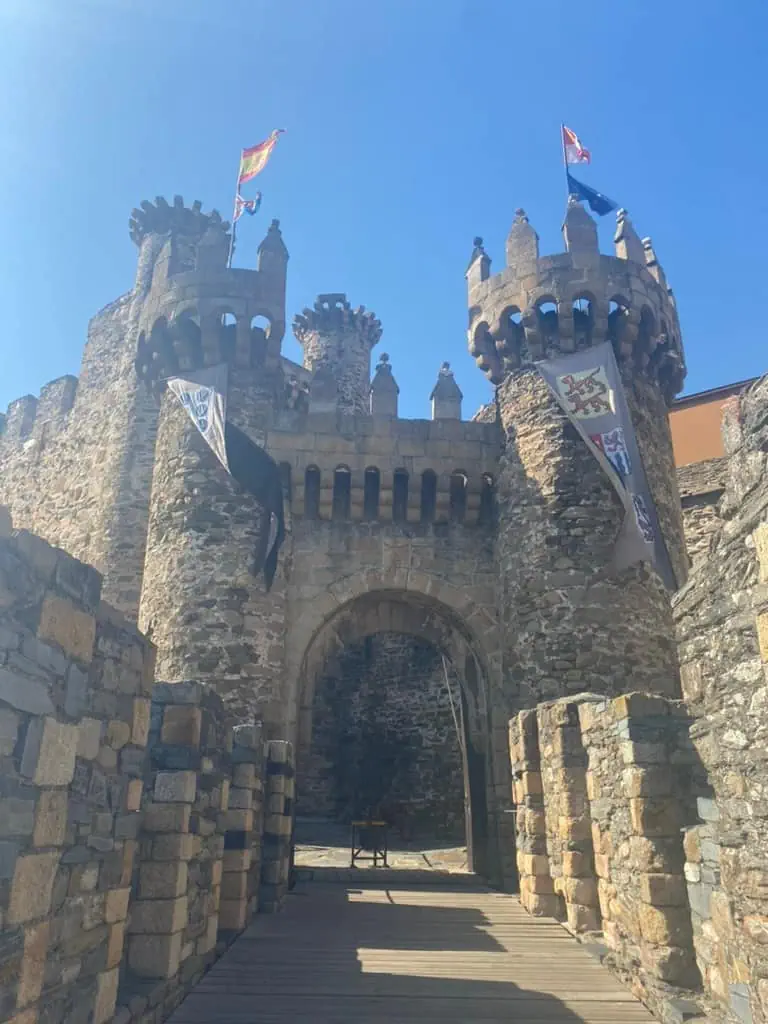
Today, pilgrims worry about blisters, rain, finding a bed or whether their phone battery will last until the next village. Medieval pilgrims walking to Santiago de Compostela faced a very different journey. Robbery, disease, dangerous rivers, bad water, dishonest tolls and roads with little protection could turn a pilgrimage of faith into a genuine struggle for survival.
For a medieval pilgrim, leaving home for Santiago was an act of devotion, but also an enormous risk.
The journey could take weeks or months. Roads were not always safe, accommodation was uncertain and medical help was extremely limited. The medieval Camino was gradually equipped with bridges, hospitals, monasteries and shelters precisely because travelling such long distances exposed pilgrims to very real dangers.
The famous Book V of the Codex Calixtinus, written in the 12th century, was much more than an early travel guide. It described routes, stopping places and sanctuaries, but it also warned travellers about dangers they might encounter on their way to Compostela.
So what did medieval pilgrims actually fear?
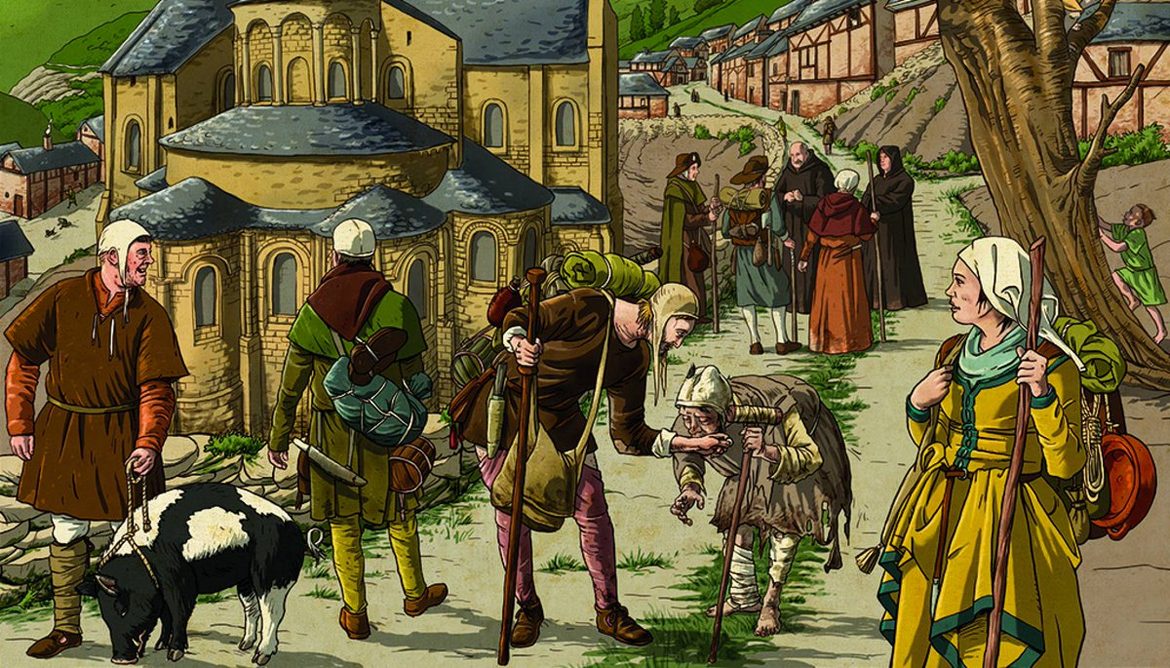
Robbers on isolated roads
One of the most obvious dangers was robbery.
A medieval pilgrim often travelled carrying money, food and personal belongings for a journey that could last several months. That made travellers potentially attractive targets in isolated areas.
Pilgrims therefore often preferred to travel in groups.
Company meant conversation and mutual support, but it also offered protection.
A solitary traveller on an empty road was much more vulnerable than a group carrying staffs and walking together.
Dishonest people waiting for pilgrims
Not every threat came with a weapon.
The Camino created an economy around travelling pilgrims, and wherever large numbers of strangers moved through unfamiliar territory, opportunities for abuse existed.
Medieval pilgrimage accounts and guides warned travellers about people who might take advantage of them through dishonest charges, misleading information or abusive practices.
A pilgrim arriving from another kingdom might not understand the language, local customs, money or distances.
That vulnerability is one reason why reliable monasteries, hospitals and established pilgrimage towns became so important.
They offered something medieval travellers valued enormously: trust.
Bad water
Today a pilgrim can buy bottled water almost anywhere.
A medieval traveller could not.
Knowing which rivers and springs were safe to drink from was an important part of the journey.
The Codex Calixtinus itself included practical information about water sources and warned pilgrims about the quality of water encountered along the route.
That tells us something important.
Water was not a minor inconvenience.
It could become a serious health risk.
A pilgrim suffering from severe stomach illness while days away from home and without modern medicine could quickly find himself or herself in a dangerous situation.
Disease
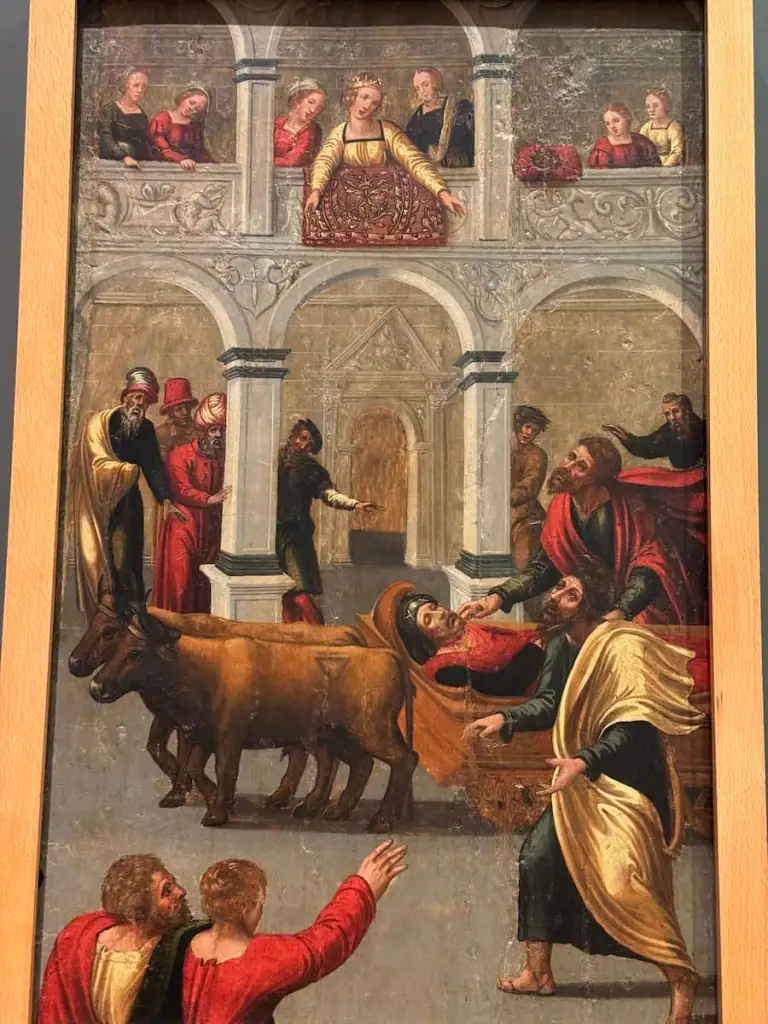
Illness was perhaps one of the most frightening dangers because there was so little a traveller could do once seriously sick.
Medieval Europe knew epidemics and diseases that modern medicine can now treat or control.
Hospitals existed in pilgrimage towns and monasteries, but medieval care was very different from the healthcare systems we know today. Monastic infirmaries and charitable hospitals provided shelter and assistance to the sick, but effective treatment for many serious conditions simply did not exist.
From the 14th century onwards, plague added an entirely new dimension of fear to travel across Europe.
Yet illness could be both a reason not to travel and a reason to make the pilgrimage in the first place.
Some people went to holy shrines hoping for healing. Medieval pilgrims might travel to fulfil a vow, seek forgiveness or ask for a miraculous cure.
Rivers and dangerous crossings
Bridges mattered enormously on the medieval Camino.
Today many of the historic bridges along the routes appear picturesque.
For medieval travellers they were infrastructure that could save lives.
Without a bridge, a pilgrim might have to cross a river at a ford or use a boat.
Rain could transform a manageable crossing into a dangerous obstacle.
The importance of bridges, hospitals and roadside sanctuaries throughout the historic pilgrimage network reflects the physical difficulties travellers faced.
This helps explain why builders of bridges became celebrated figures in Camino history.
Helping pilgrims cross safely was not simply an engineering achievement.
It was an act of protection.
Getting lost
There were no yellow arrows.
No GPS.
No Google Maps.
And certainly no WhatsApp message asking the albergue for directions.
Routes were followed through local knowledge, churches, towns, bridges, paths and information provided by other travellers.
The medieval pilgrim relied heavily on people.
A wrong turn could mean hours of extra walking, arriving after dark or entering an area where accommodation was unavailable.
This is another reason why written guides such as the Codex Calixtinus were so valuable.
They transformed accumulated knowledge of the journey into practical information for those who came later.
The weather
The Camino crosses mountains.
That was as true eight centuries ago as it is today.
The Pyrenees, the high areas of León and the mountains entering Galicia could become dangerous in winter conditions.
Snow, rain, mud and cold were especially threatening to travellers whose clothing and footwear provided far less protection than modern outdoor equipment.
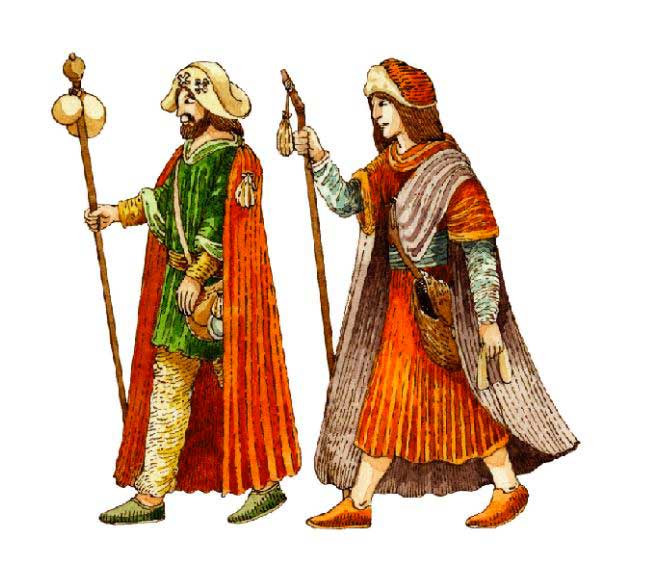
The traditional pilgrim’s clothing included a cloak, sturdy shoes, hat, pouch and staff.
These objects have become romantic symbols of pilgrimage today, but originally they were practical tools for surviving the road.
A staff helped with difficult terrain.
A cloak provided some protection against rain and cold.
A wide hat protected against sun and weather.
The medieval pilgrim dressed for necessity.
Injury far from home
A twisted ankle today might mean calling a taxi.
For a medieval pilgrim, it could mean the end of the journey.
Walking hundreds of kilometres inevitably produced injuries.
Feet suffered.
Joints suffered.
Falls happened.
And if a traveller could no longer walk, the next question was not simply whether they would reach Santiago.
It was how they would return home.
The network of hospitals and religious institutions along the Camino became essential precisely because pilgrims could fall sick or become physically unable to continue.
Animals and the night
Travelling after dark was risky.
Roads became difficult to follow and travellers were more vulnerable.
Wild animals also formed part of the medieval landscape in ways modern pilgrims rarely experience.
But even without dramatic encounters with wolves, night itself was a danger.
A traveller who failed to reach shelter before darkness faced cold, exposure and the possibility of sleeping outside.
For this reason, each day’s destination mattered enormously.
Reaching a safe town, monastery or hospital before nightfall could be the difference between a difficult day and a dangerous one.
War and political instability
The Camino did not exist outside medieval politics.
Borders changed.
Kingdoms fought.
Armies moved.
Political instability could affect roads that pilgrims used.
Early travellers to Santiago also faced the danger of military raids and periods of conflict that could suddenly make parts of a route less safe.
Later centuries brought more stable conditions along many sections of the Camino, but medieval Europe remained a world in which war could quickly change the reality of travel.
Dying before reaching Santiago
Perhaps this was the deepest fear of all.
Medieval pilgrims did not leave home assuming they would definitely return.
A journey to Santiago could be physically dangerous enough that preparing spiritually for travel mattered enormously.
Pilgrims received blessings before departure and carried symbols identifying them as people undertaking a sacred journey.
Their objective was not tourism.
For many, the pilgrimage was connected with salvation, repentance, vows or the hope of divine help.
Death on the road was therefore not simply a practical fear.
It was part of the spiritual meaning of pilgrimage itself.
Why hospitals and monasteries changed the Camino
The dangers of medieval travel also explain the extraordinary network that developed along the route.
Bridges were built.
Hospitals received exhausted travellers.
Monasteries offered food and shelter.
Churches became landmarks.
Settlements grew around the movement of pilgrims.
The Camino became safer because generations of people built structures to protect those who walked it.
The Camino was an adventure with no guarantee of return
It is easy to romanticise medieval pilgrimage.
We imagine cloaks, staffs, Romanesque churches and quiet roads.
The reality was much harder.
To leave home and walk towards Santiago meant accepting uncertainty.
The pilgrim did not know exactly where they would sleep.
They could not predict the weather.
They could become sick.
They could be robbed.
They could get lost.
And they might never see home again.
That is perhaps what makes medieval pilgrimage so extraordinary.
Millions of people still went.
Not because the Camino was safe.
But because reaching Santiago mattered enough to accept the danger