











A unique rail journey offers a different way to experience the Camino
What if you could experience the spirit of the Camino de Santiago… without walking every step?
A new travel trend in Spain is capturing attention: a Camino-style journey by train, combining comfort, culture, and the essence of the pilgrimage.
For many travelers, this is becoming an alternative way to connect with one of Europe’s most iconic routes.
A different Camino experience
Traditionally, the Camino de Santiago is about walking long distances, carrying a backpack, and facing physical challenges.
But not everyone can — or wants to — walk hundreds of kilometers.
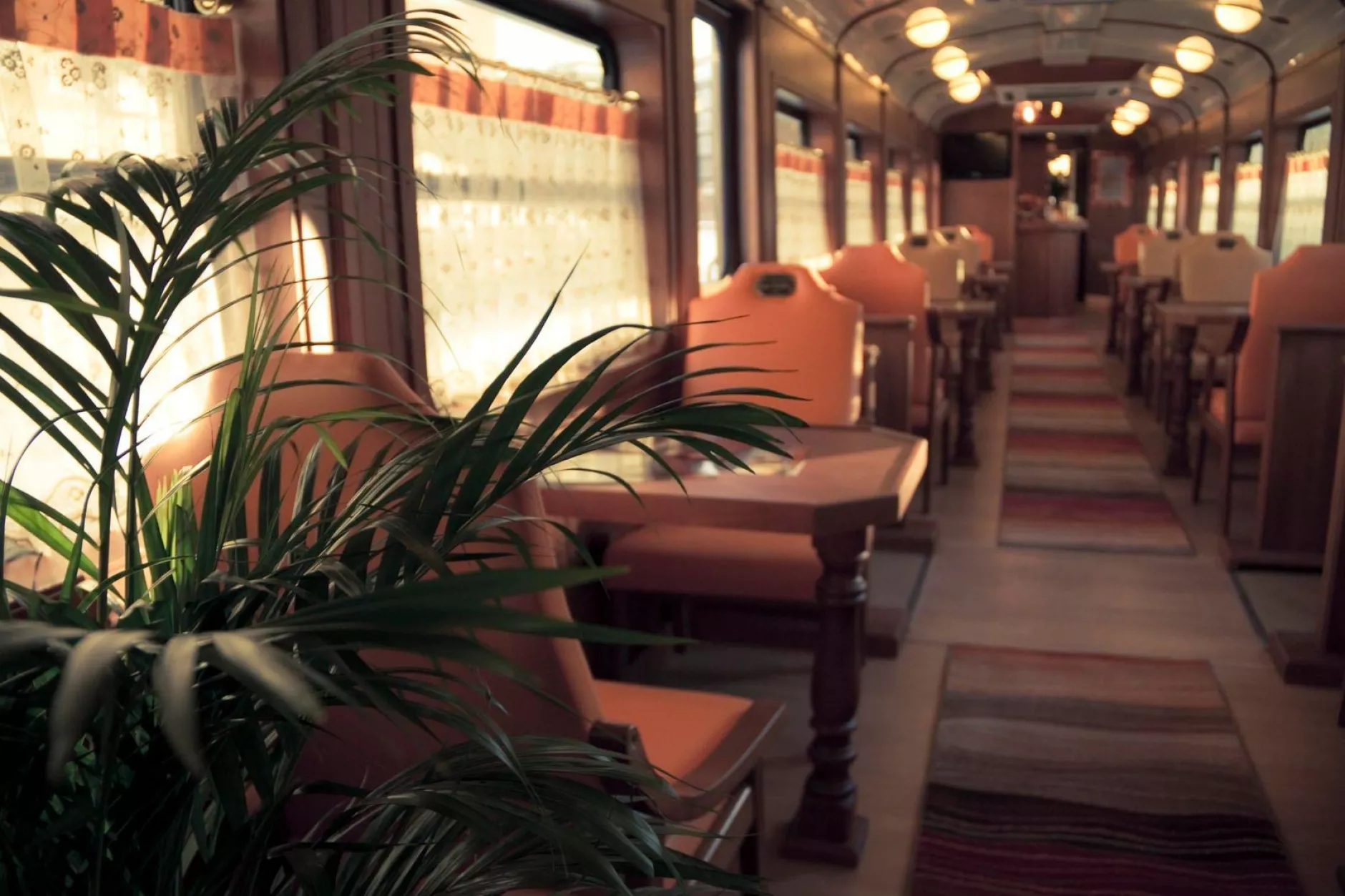
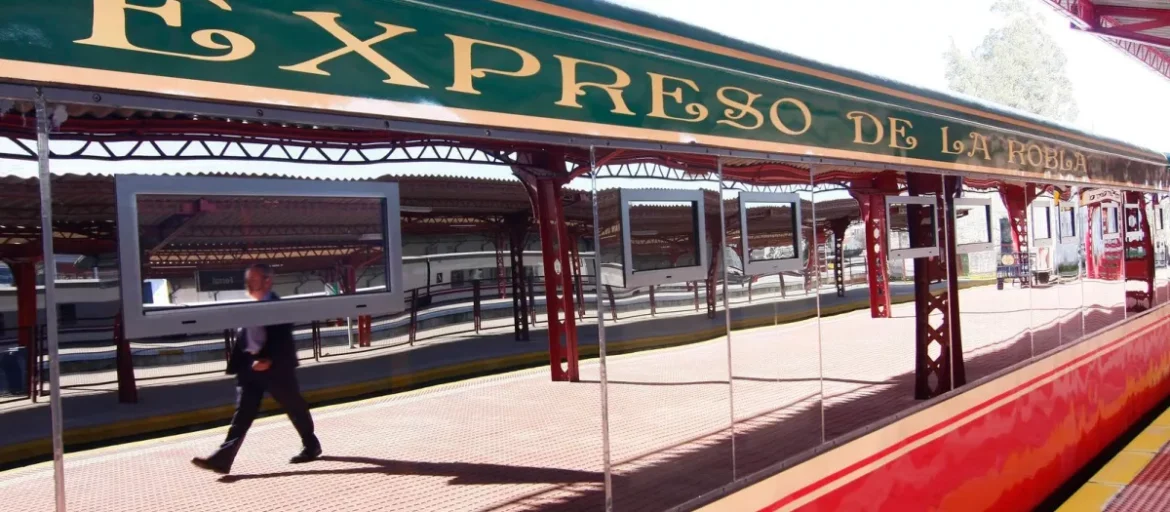
Now, a luxury tourist train route between Bilbao and León is offering a new perspective:
👉 experience the Camino atmosphere
👉 explore historic towns
👉 discover hidden landscapes
All while traveling in comfort.
Travel, culture, and pilgrimage combined
This journey is not just about transportation. It is designed as a cultural experience inspired by the Camino.
Passengers can:
- visit historic villages linked to pilgrimage routes
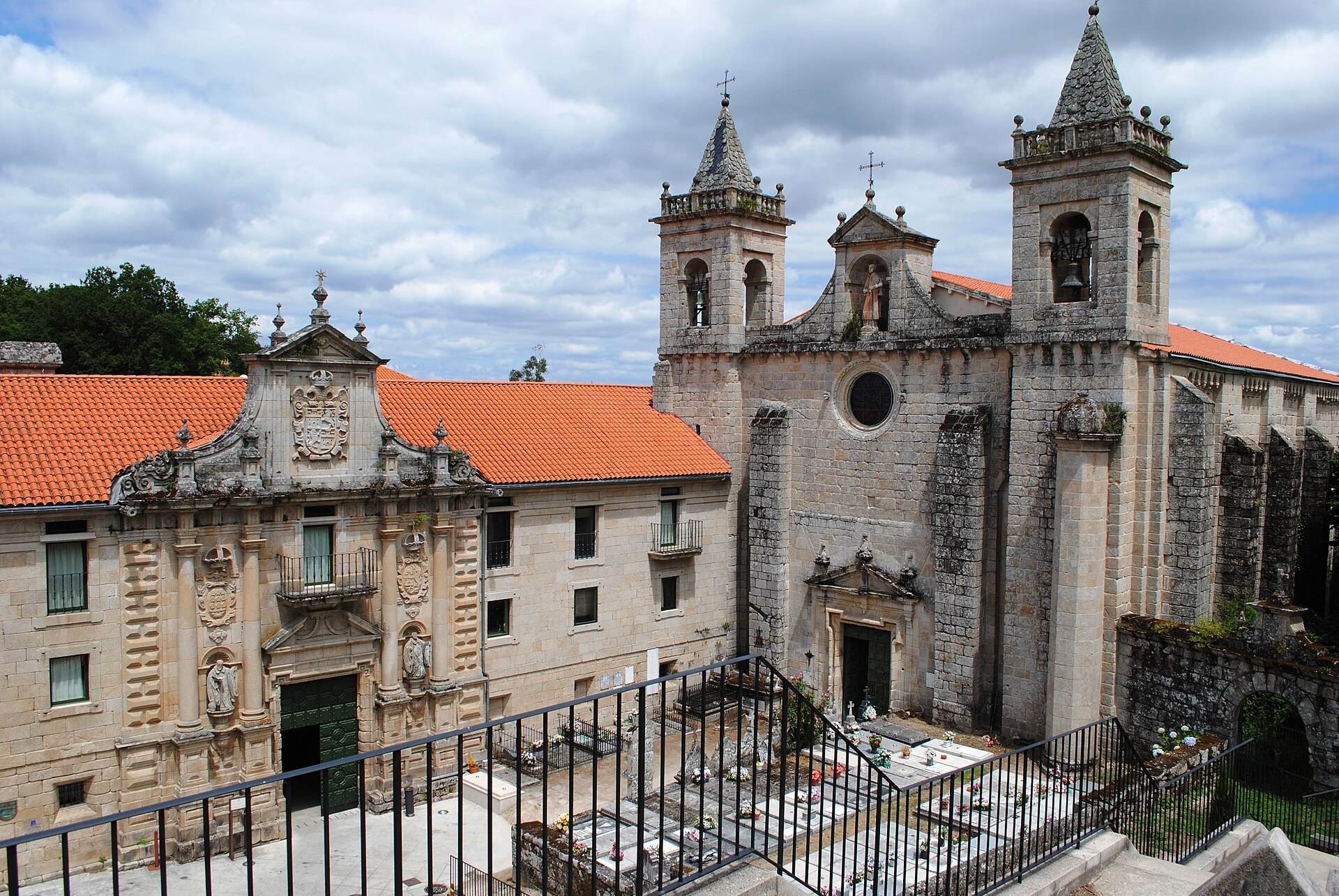
- explore Romanesque churches and heritage sites
- discover northern Spain’s landscapes
- enjoy local gastronomy
For travelers searching for Camino de Santiago experiences, Spain travel ideas, or unique European journeys, this concept is gaining popularity.
Who is this for?
This “Camino by train” is attracting a new type of traveler:
- people with limited time
- older pilgrims looking for comfort
- travelers interested in culture over physical challenge
- visitors exploring Spain in a different way
It also appeals to those who want to experience the Camino spirit before deciding to walk it.
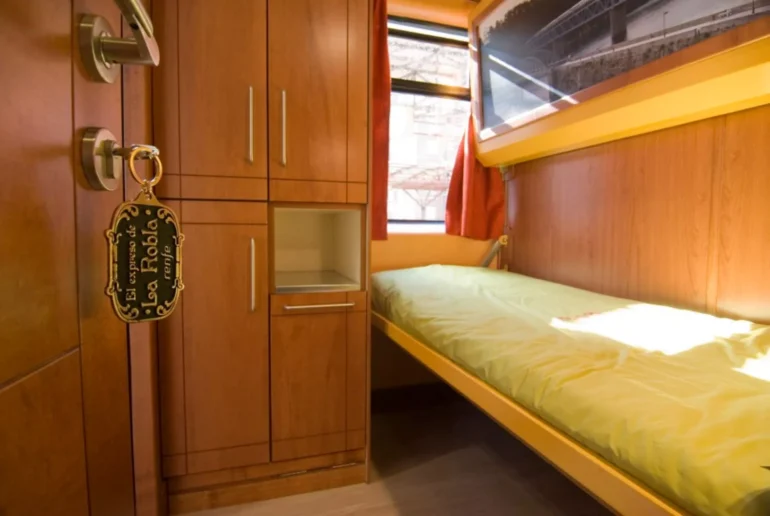
The rise of alternative Camino travel
In recent years, the Camino de Santiago has evolved.
While walking remains the most authentic way, new options are emerging:
- cycling routes
- organized tours
- short Camino stages
- and now… train journeys
Search trends such as Camino without walking, easy Camino routes, and luxury travel Spain are growing fast.
A controversial idea?
Not everyone agrees with this concept.
For traditional pilgrims, the Camino is about effort, sacrifice, and personal transformation.
Walking is essential.
But others argue that:
👉 the Camino is also about experience
👉 connection matters more than distance
👉 there is no single way to live it
This debate is becoming part of the modern Camino conversation.
A gateway to the real Camino
Interestingly, many travelers who try this train experience later decide to walk the Camino themselves.
It acts as:
- an introduction
- a motivation
- a first contact with the route
For some, it is the beginning of a deeper journey.
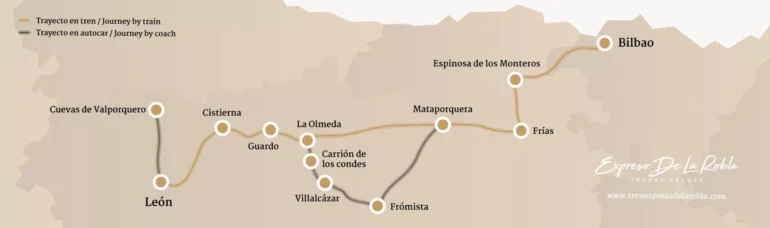
The future of the Camino experience
As tourism evolves, the Camino de Santiago continues to adapt.
New generations of travelers are looking for:
- flexible experiences
- comfort combined with authenticity
- meaningful journeys
And this “Camino by train” reflects exactly that.
Conclusion: can you do the Camino without walking?
The answer depends on how you define the Camino.
If it is about walking — maybe not.
If it is about discovering, connecting, and feeling — maybe yes.
One thing is clear:
👉 the Camino is changing
👉 and new ways to experience it are emerging