











A couple highlights lesser-known Camino paths through rural Spain
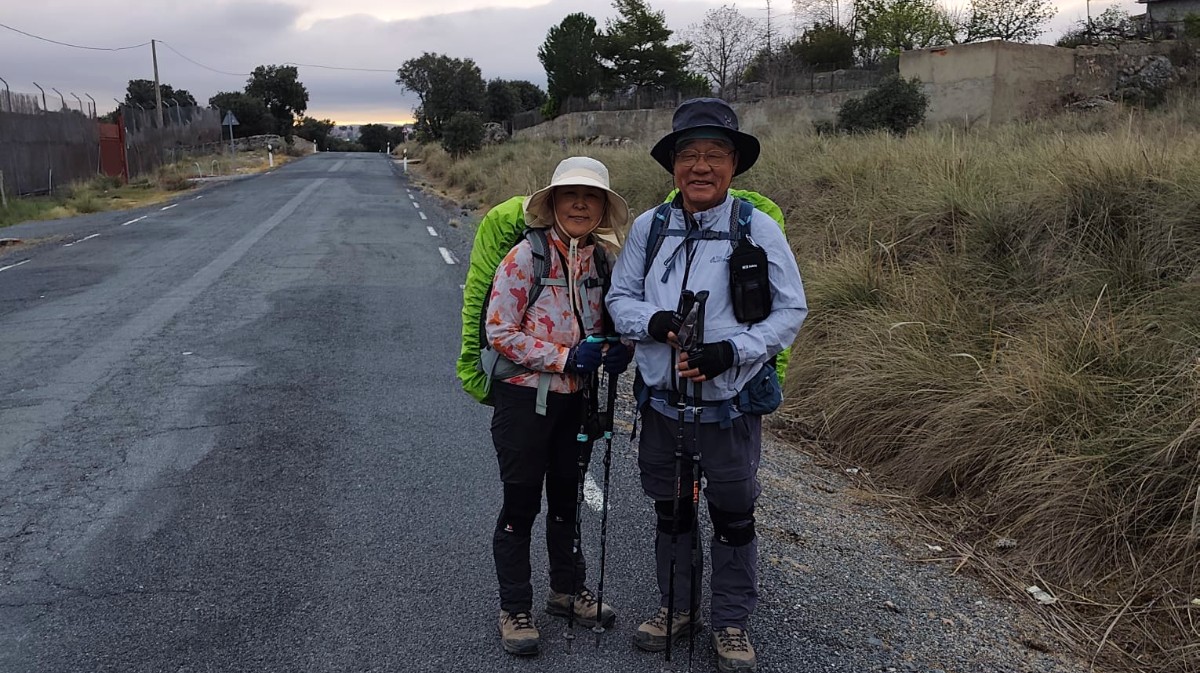
A South Korean couple has brought international attention to one of the lesser-known routes of the Camino de Santiago after passing through the small village of Narrillos de San Leonardo in the province of Ávila. Their journey, heading toward Santiago de Compostela, follows the Levante-Sureste route, an alternative path that is gaining popularity among pilgrims seeking quieter and more authentic experiences.
The couple arrived early in the morning, around 8:10 a.m., continuing a long pilgrimage that connects eastern Spain with Galicia. Their presence reflects a growing trend of international pilgrims, particularly from Asia, choosing less crowded Camino routes instead of the more traditional and busy ones.
The rise of Asian pilgrims on the Camino de Santiago
The journey of this South Korean couple highlights a significant trend: the increasing number of Asian pilgrims walking the Camino de Santiago. South Korea has become one of the fastest-growing sources of international pilgrims in recent years.
For many of these travelers, the Camino is more than just a trip. It represents a personal challenge, a spiritual journey, and a cultural experience. As a result, many are choosing alternative routes that allow them to avoid crowds and connect more deeply with the environment and local communities.
This shift is transforming the overall Camino experience, making lesser-known paths more relevant than ever.
The Levante-Sureste route: a growing alternative
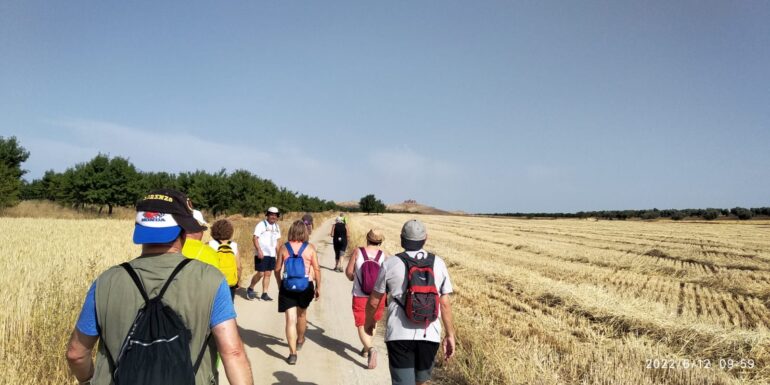
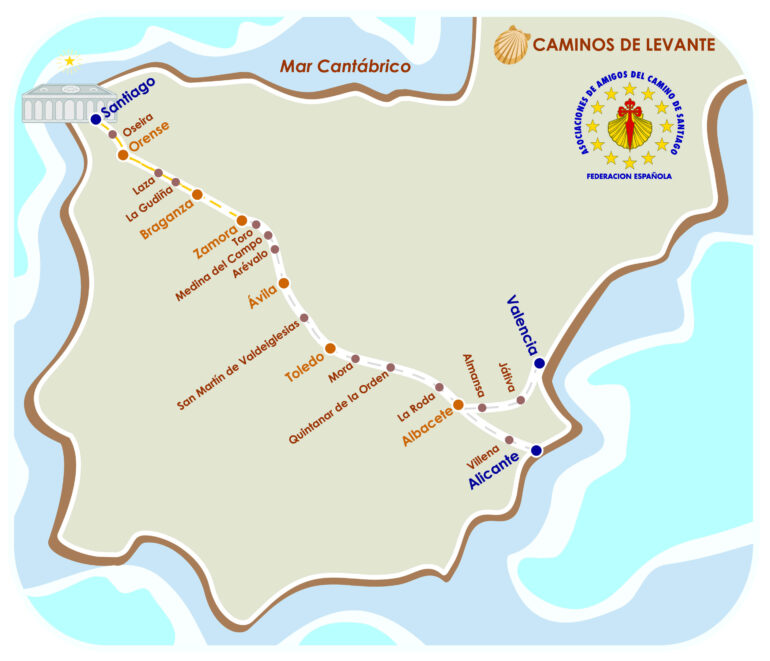
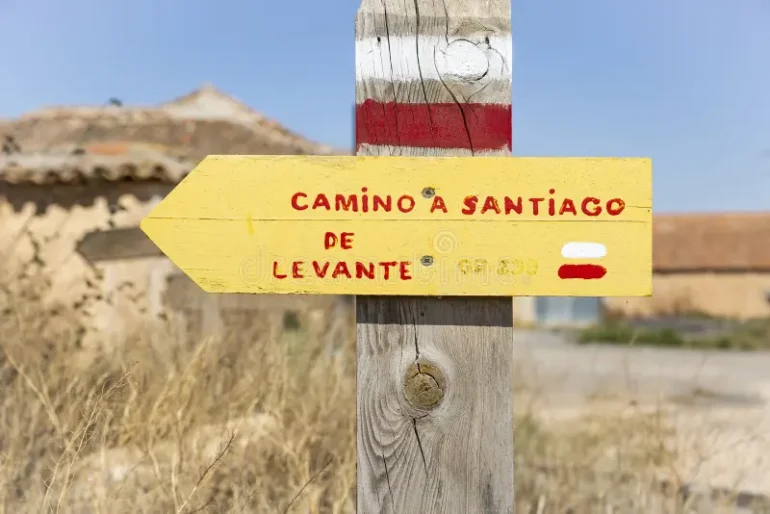
The Levante-Sureste route, which the couple is following, is approximately 525 kilometers long and offers a very different experience compared to the more popular Camino Francés. It passes through regions such as the Alberche Valley and the Tierra de Pinares, providing diverse landscapes and a quieter atmosphere.
This route is becoming increasingly attractive for pilgrims who seek solitude, authenticity, and a deeper connection with the journey. Unlike the crowded sections of the Camino Francés, this path allows for a more personal and reflective experience.
The growing interest in this route reflects a broader change in travel preferences, with more people looking for meaningful and less commercialized experiences.
Narrillos de San Leonardo: a small village with global connections
The arrival of international pilgrims in small villages like Narrillos de San Leonardo highlights the importance of these locations within the Camino network. Despite its size, the village plays a key role as a stop along this alternative route.
Local hospitality and the peaceful environment make these places especially appealing to pilgrims seeking a more intimate experience. The presence of international travelers also brings cultural exchange and new perspectives to these rural communities.
In addition, the economic impact is significant. Even a small number of pilgrims can support local businesses such as accommodations, bars, and small shops, contributing to the sustainability of rural areas.
A journey of culture, connection, and discovery
For this South Korean couple, each stage of the Camino is an opportunity to discover new cultures and connect with people from different backgrounds. The Camino de Santiago is known for its ability to bring together individuals from all over the world in a shared experience.
Along the way, pilgrims exchange stories, support each other, and create lasting memories. These interactions go beyond language barriers, reinforcing the Camino’s role as a symbol of global connection.
The experience becomes not just a physical journey, but also a deeply human one.
The appeal of less crowded Camino routes
The growing interest in alternative routes like the Levante-Sureste path reflects a demand for more authentic travel experiences. While the Camino Francés remains the most popular route, it can become crowded, especially during peak seasons.
In contrast, lesser-known paths offer tranquility, closer contact with nature, and stronger connections with local communities. Pilgrims can enjoy a slower pace and a more immersive experience, which many find more rewarding.
This trend is helping to diversify the Camino de Santiago and distribute tourism more evenly across different regions.
Tourism impact and opportunities for rural development
The presence of international pilgrims in rural areas creates valuable opportunities for local development. Small villages can benefit from increased tourism, generating income and helping to maintain essential services.
Stories like that of this South Korean couple also contribute to the global visibility of the Camino de Santiago. As more people discover these alternative routes, interest continues to grow, attracting new visitors each year.
This dynamic supports both cultural preservation and economic sustainability in less populated regions.
A global Camino with local roots
The Camino de Santiago continues to evolve as a global phenomenon while maintaining its deep local roots. The journey of this couple demonstrates how the Camino connects distant cultures through a shared experience.
From South Korea to rural Spain, the path becomes a bridge between different worlds, united by the simple act of walking.
Conclusion: a new perspective on the Camino de Santiago
The story of this South Korean couple highlights the changing nature of the Camino de Santiago. As more pilgrims seek alternative routes, the focus shifts toward authenticity, connection, and personal growth.
The Levante-Sureste route, along with other lesser-known paths, is gaining recognition as a valuable part of the Camino network. These routes offer a unique opportunity to experience the journey in a more intimate and meaningful way.
As the Camino continues to attract people from around the world, stories like this remind us of its true essence: a journey that goes beyond distance, connecting people, cultures, and experiences.