




The Camino de Santiago is entering a new era where spirituality, introspection and personal transformation redefine the journey
The Camino de Santiago is changing… again.
What was once mainly a religious pilgrimage, and later a cultural and hiking experience, is now evolving into something deeper. In 2026, a new kind of pilgrim is emerging—one that walks not only for distance, but for meaning.
This is the Camino’s new age renaissance.
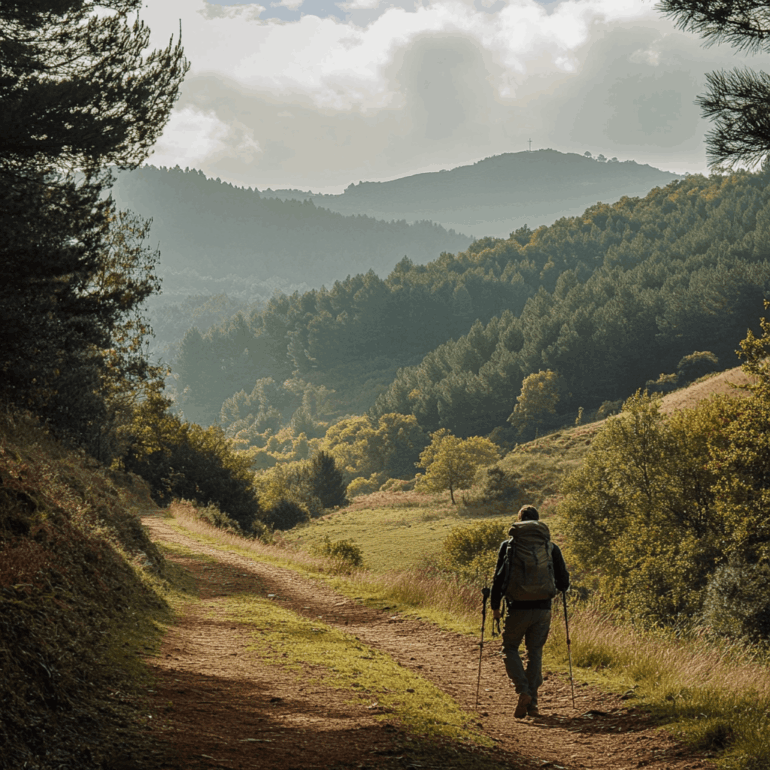
A journey beyond religion
For centuries, the Camino was closely tied to faith. And while that connection still exists, today’s pilgrims are expanding its meaning.
Many are not walking for religious reasons. They are searching for clarity, balance and inner peace. The Camino has become a space where spirituality is personal, not defined by tradition, but by experience.
Meditation, reflection and silence are now as common as stamps in a pilgrim passport.
Mindfulness on the move
One of the biggest trends shaping the Camino in 2026 is mindfulness.
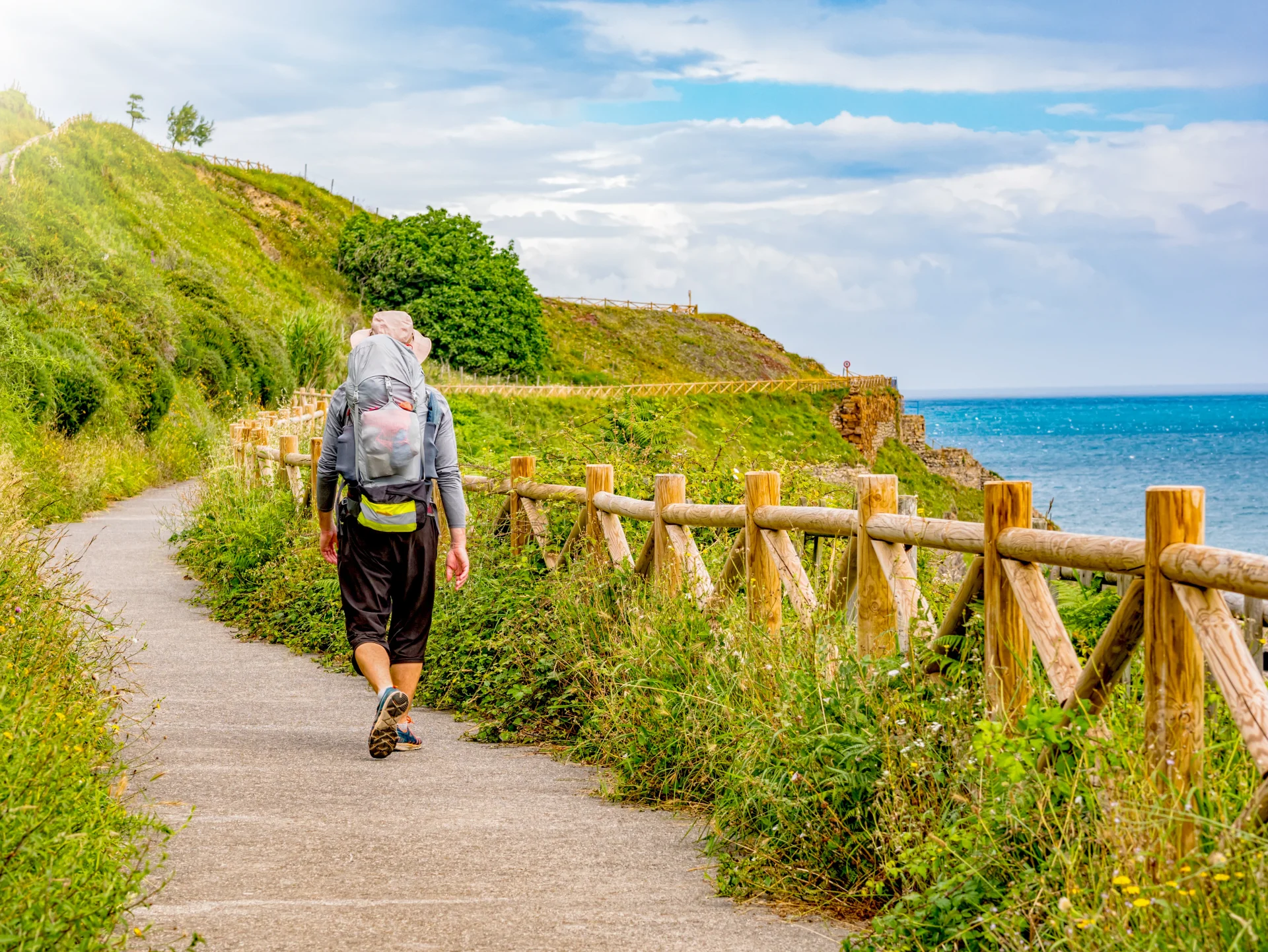
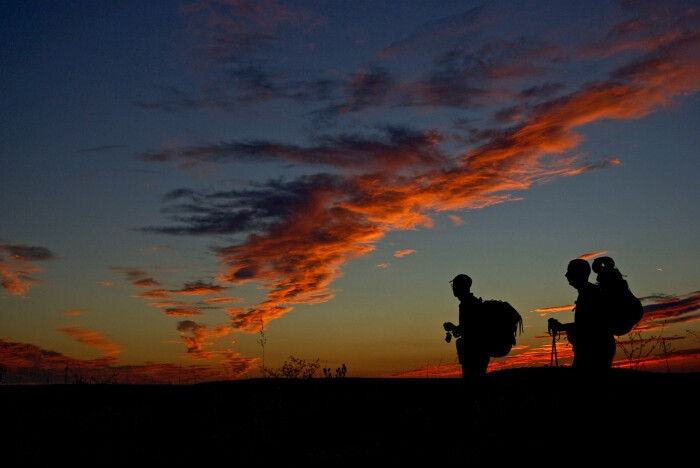
Pilgrims are no longer focused on speed or distance. Instead, they walk with intention. They pay attention to their breath, their steps and their surroundings.
Walking becomes a form of meditation.
The rhythm of the Camino naturally creates a state of presence. No distractions, no screens, no constant noise—just the sound of footsteps and nature.
For many, this is the first time in years they truly disconnect.
The mystery that keeps calling people back
There is something about the Camino that is hard to explain.
Some call it energy.
Others call it coincidence.
Some simply call it magic.
People meet at the right moment. Conversations happen when they are needed most. Answers appear without being searched for.
This sense of mystery is part of what keeps drawing people back.
The Camino doesn’t promise anything…
but it often gives more than expected.
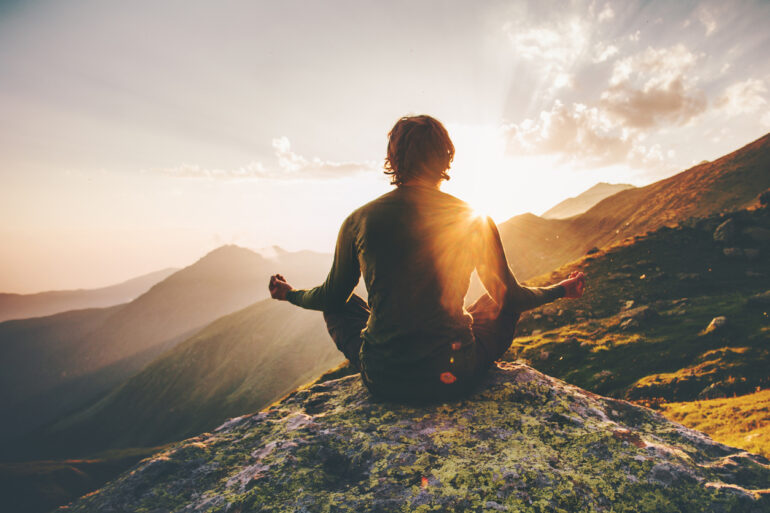
A global movement of seekers
In 2026, the Camino is attracting a new global audience. Travelers, digital nomads, professionals and people in transition are choosing this experience as a way to reset their lives.
It is no longer just a European tradition. It is a global movement.
People come with different stories, but many share the same intention: to pause, reflect and reconnect.
From physical challenge to inner transformation
The Camino still requires effort. There are long days, tired legs and moments of doubt.
But the focus is shifting.
The challenge is no longer just physical. It is emotional, mental and even spiritual.
And that is what makes the experience so powerful.
Because when you remove distractions, what remains is real.
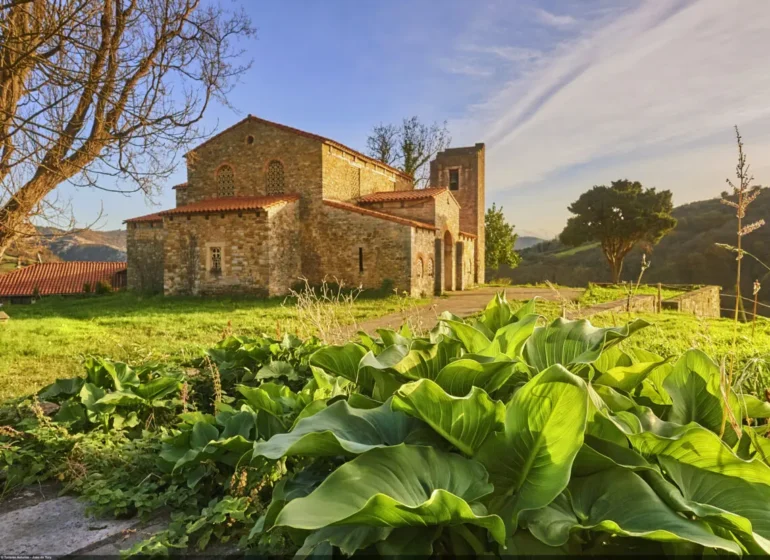
The Camino’s new identity
This new phase of the Camino is not replacing the old one—it is adding to it.
Faith, culture, adventure and now mindfulness coexist on the same path.
Each pilgrim walks for their own reason.
And that is the beauty of it.
More than a trend, a transformation
The rise of this new approach is not temporary. It reflects a deeper change in how people see travel and life.
The Camino is no longer just a destination.
It is a tool for transformation.
And in a world that feels increasingly disconnected, that may be exactly why it continues to grow.