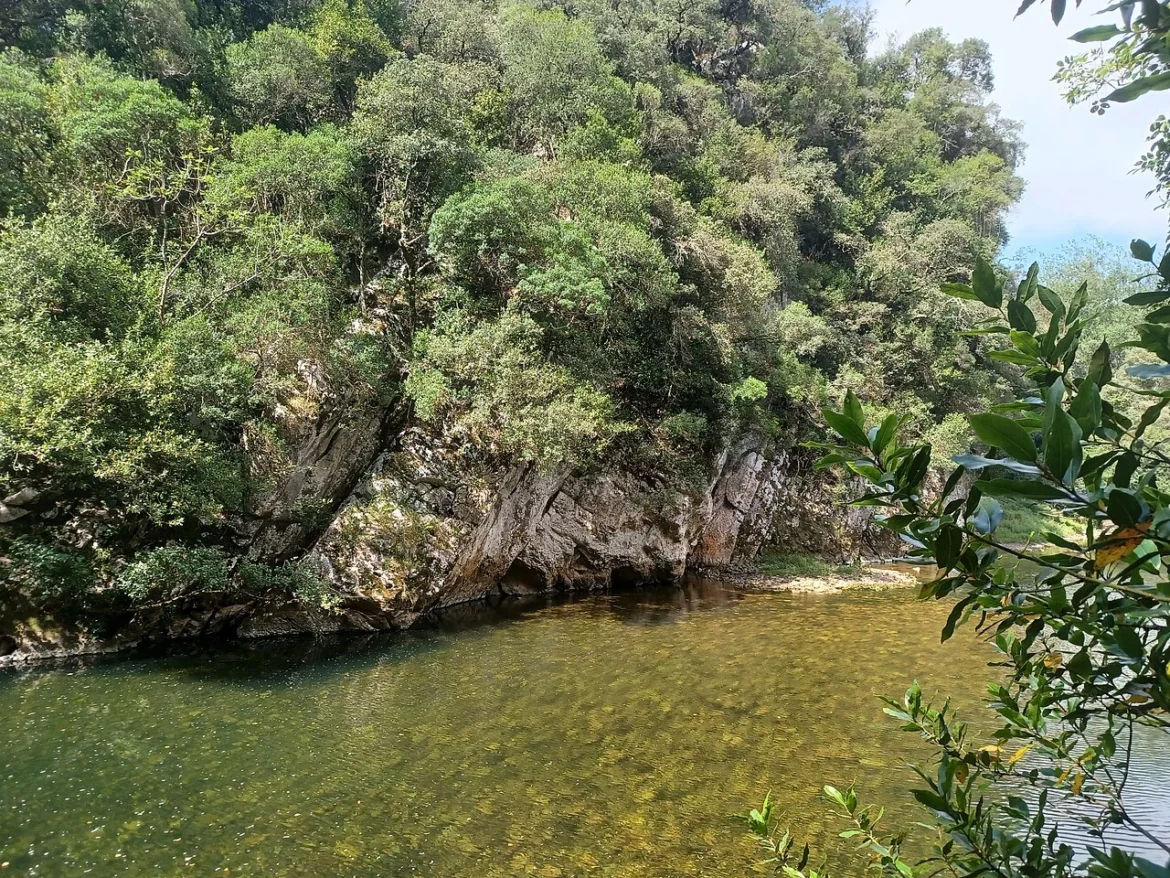
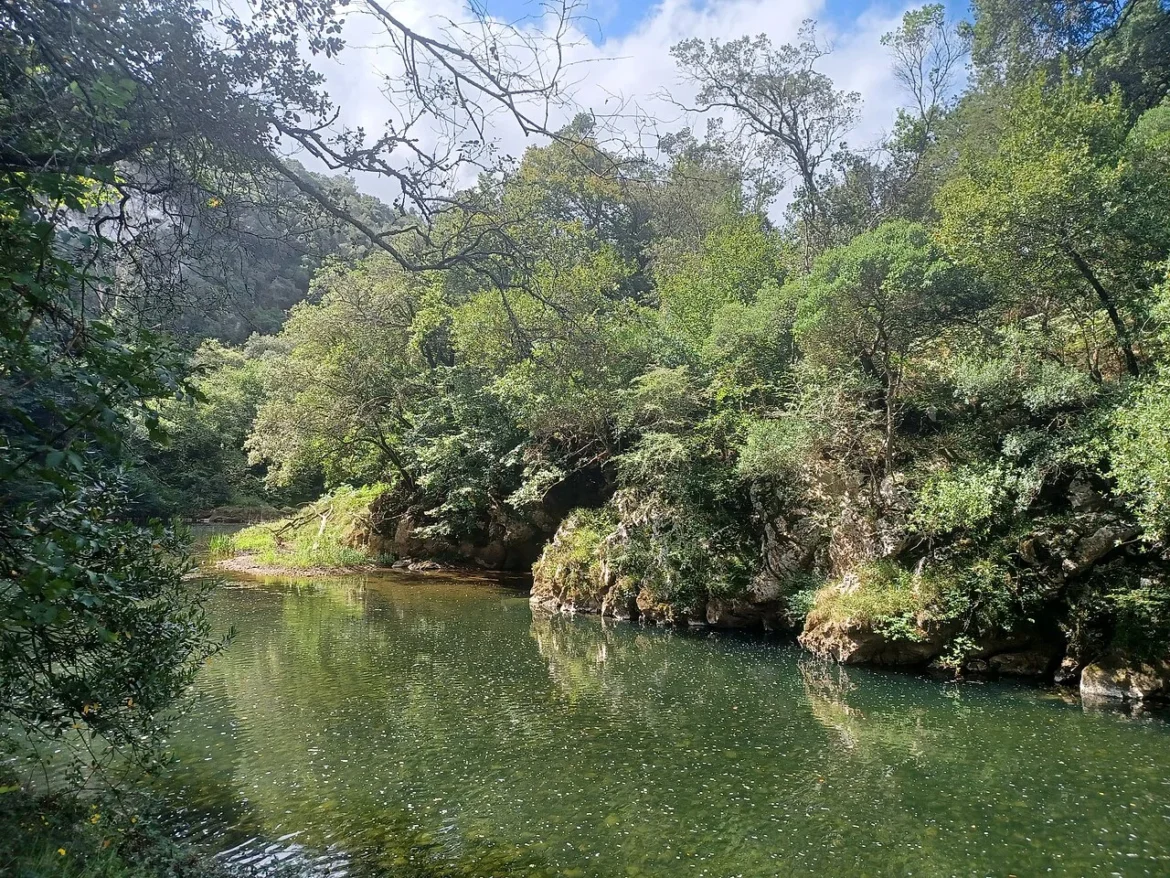
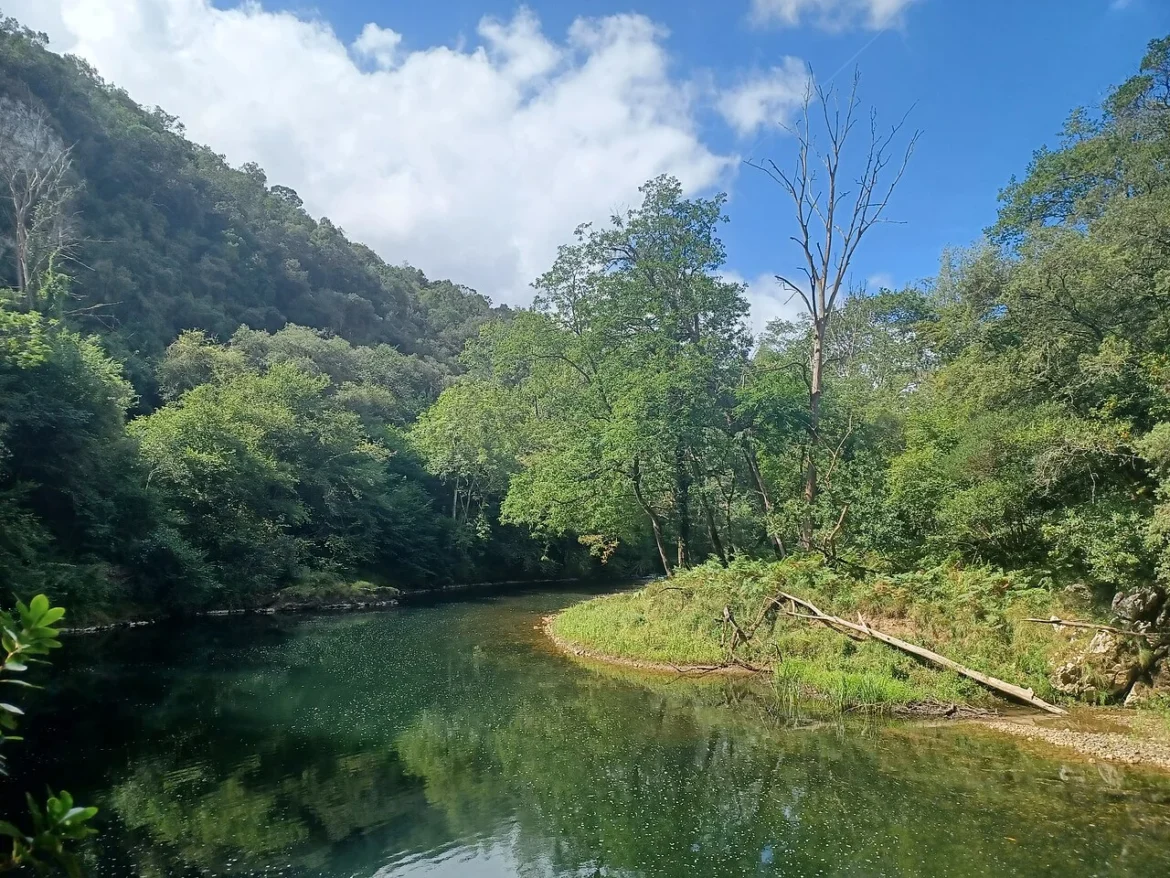
History of Camijanes
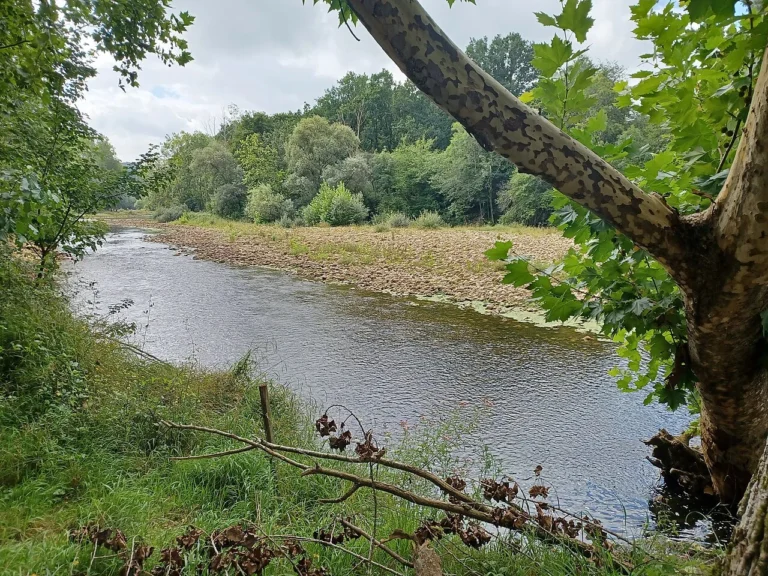
Camijanes is part of the municipality of Herrerías and the history of the Nansa valley, a territory marked by the river and the passes that allowed the towns on its banks to be linked. The most illustrative heritage of the environment is the Tortorio bridge, between Camijanes and Cabanzón. An inscription dates its construction to 1761, when communications depended on stone works capable of overcoming riverbeds and slopes. It is a single-span bridge that testifies to the importance of keeping rural roads open long before the current highways.
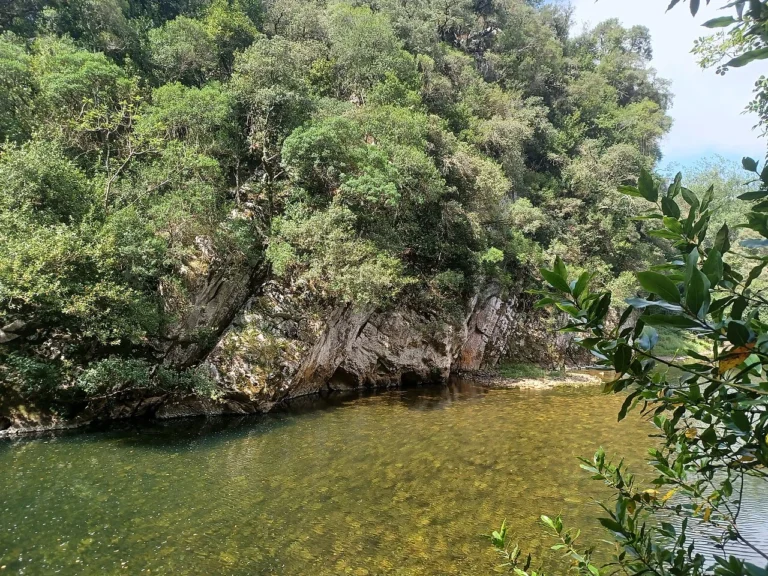
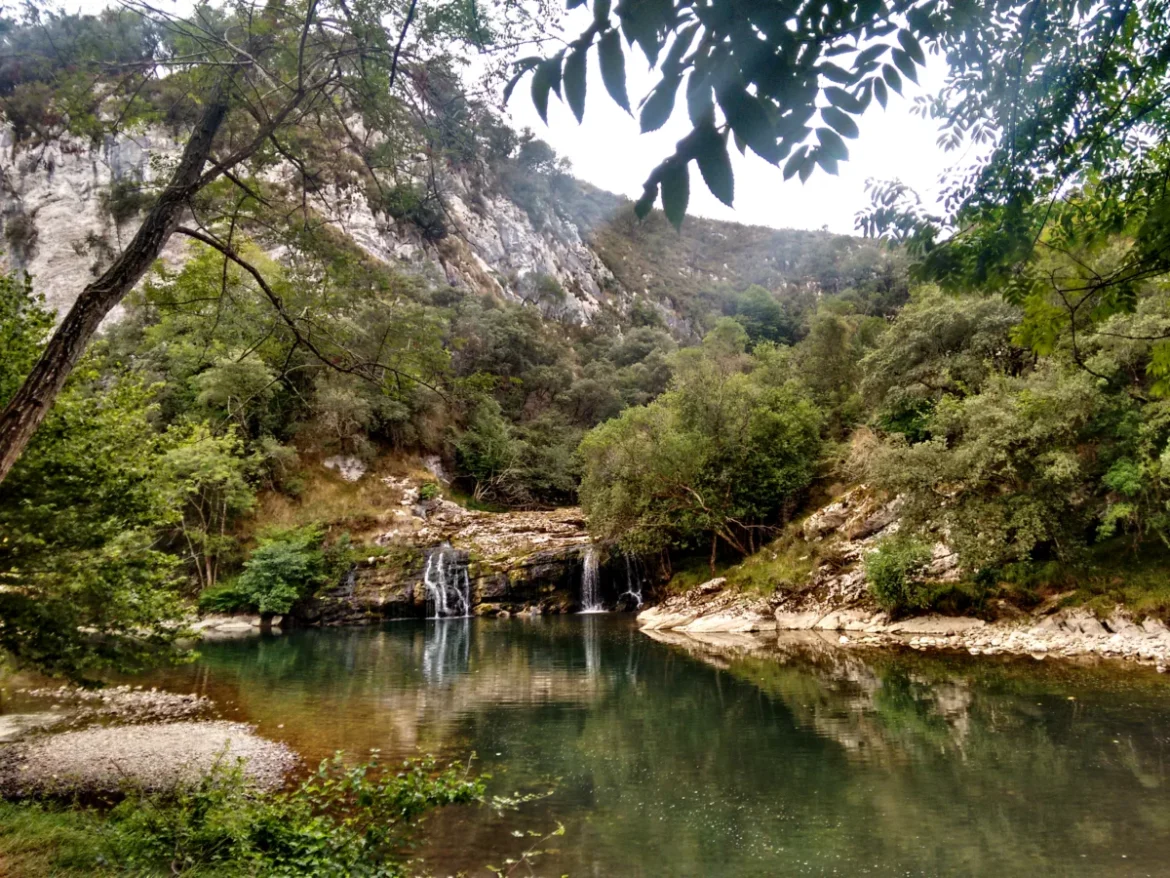
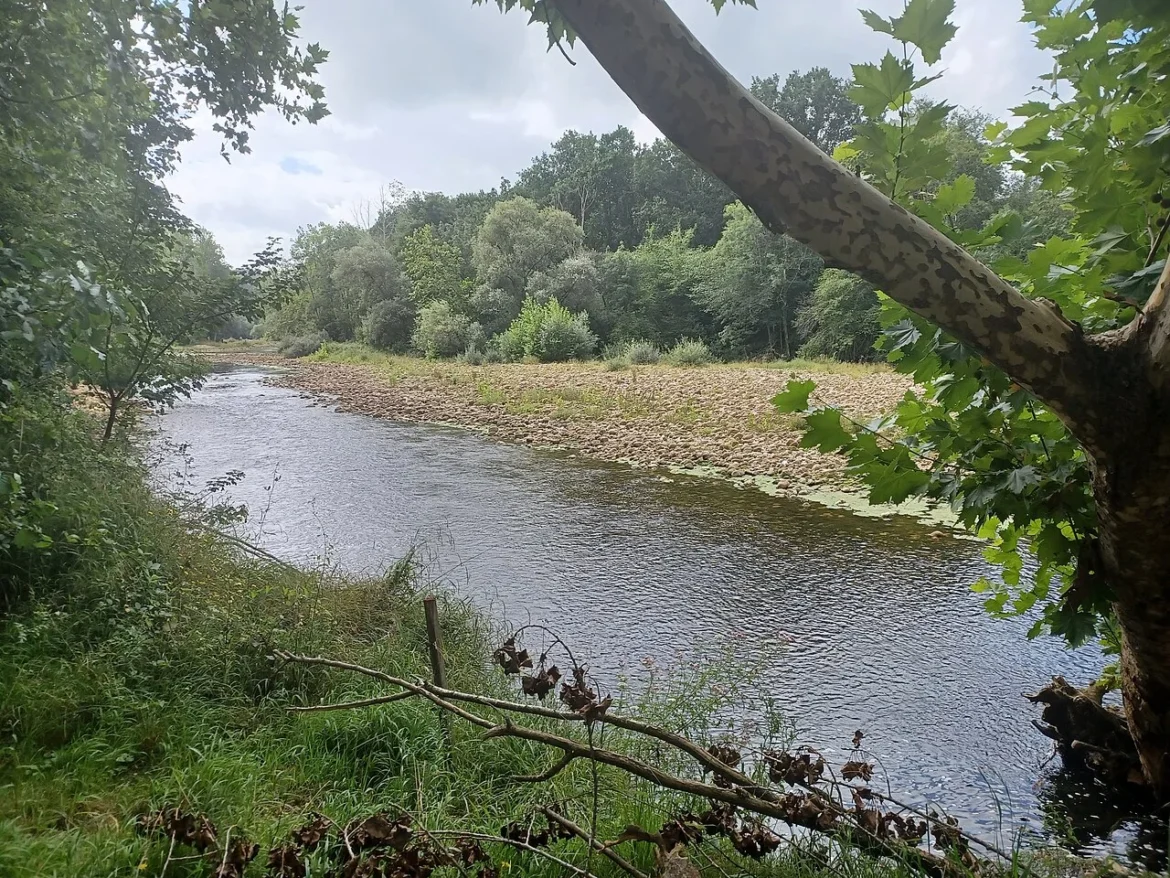
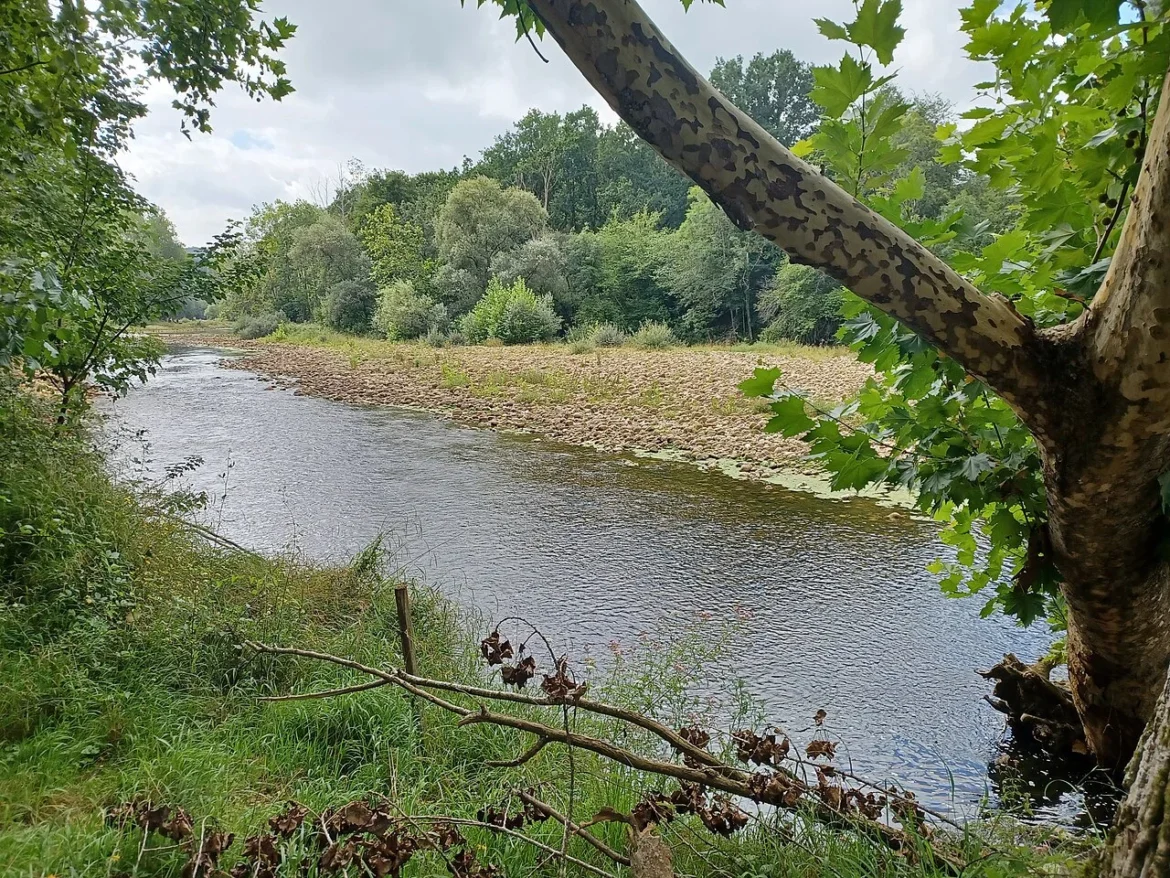
For centuries, the valley combined agriculture, livestock and water-related uses. Nearby you can recognize the riverside landscape and traditional routes between towns. The presence of hydraulic constructions at different points of the Nansa helps to understand how the force of the river was used for jobs and trades that supported the local economy.
Today Camijanes welcomes the pilgrims who advance along the river path. From here we continue towards Cabanzón and Cades, where two other very different elements of the valley's heritage appear: a medieval tower and an 18th century forge. Together they offer a reading of several centuries of regional history.
Sources: University of Cantabria, GTED-UC Technical Notebooks nº 3, study of the Tortorio bridge; Nansa Valley, Celucos–Camijanes itinerary (valledelnansa.org).