Countdown to
Xacobeo 2027
The Camino unites us
They are missing
days
hours
minutes
seconds
Xacobeo 2027 begins! Good Way.
24 hours
walking together
News · Radio · Television · Stories of the Camino

LafuenteSanta Juliana, popular sculpture and landscape of the Lamasón valley

Lafuente offers Romanesque heritage and the Los Pumares hostel on the Cades–Cabañes stage of the Camino Lebaniego.

  • Lebaniego Road
  • Stage 2 of the route

Map of Lafuente on the Lebaniego Road

Tour the town, its points of interest and its connection with the route.

Loading map…

History of Lafuente

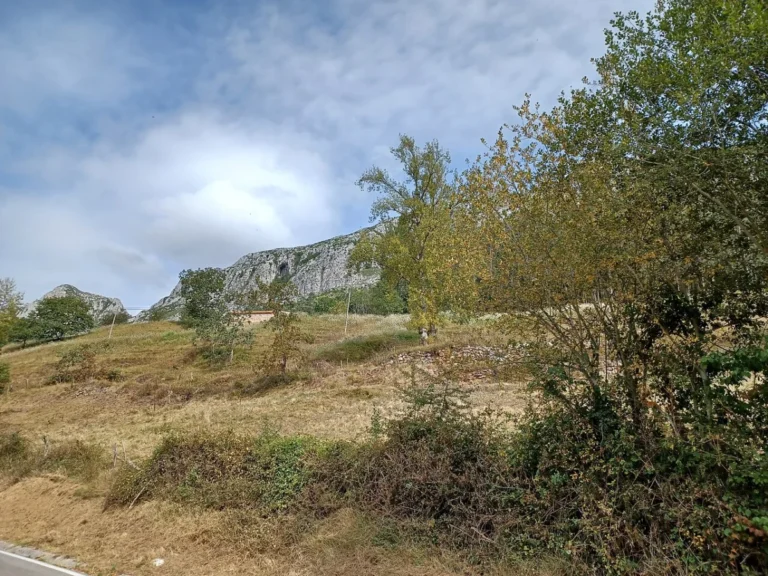
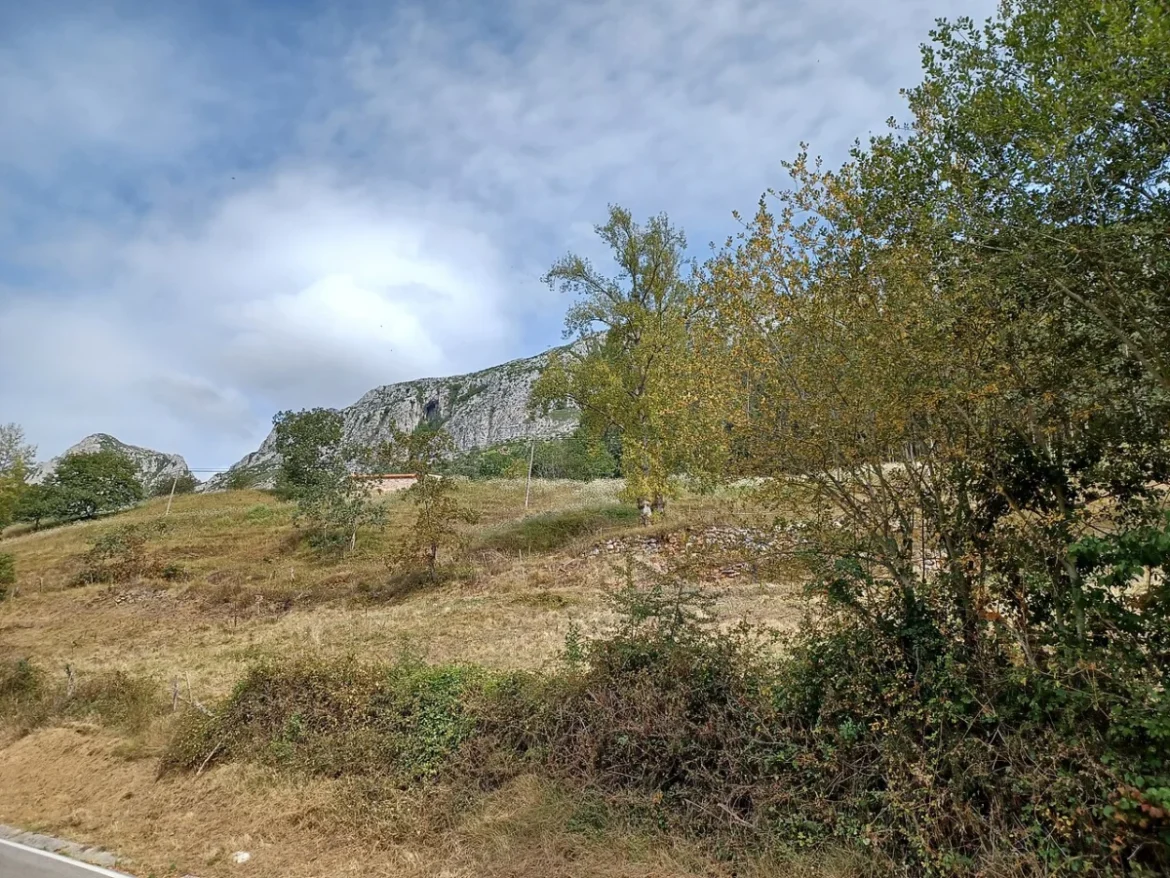
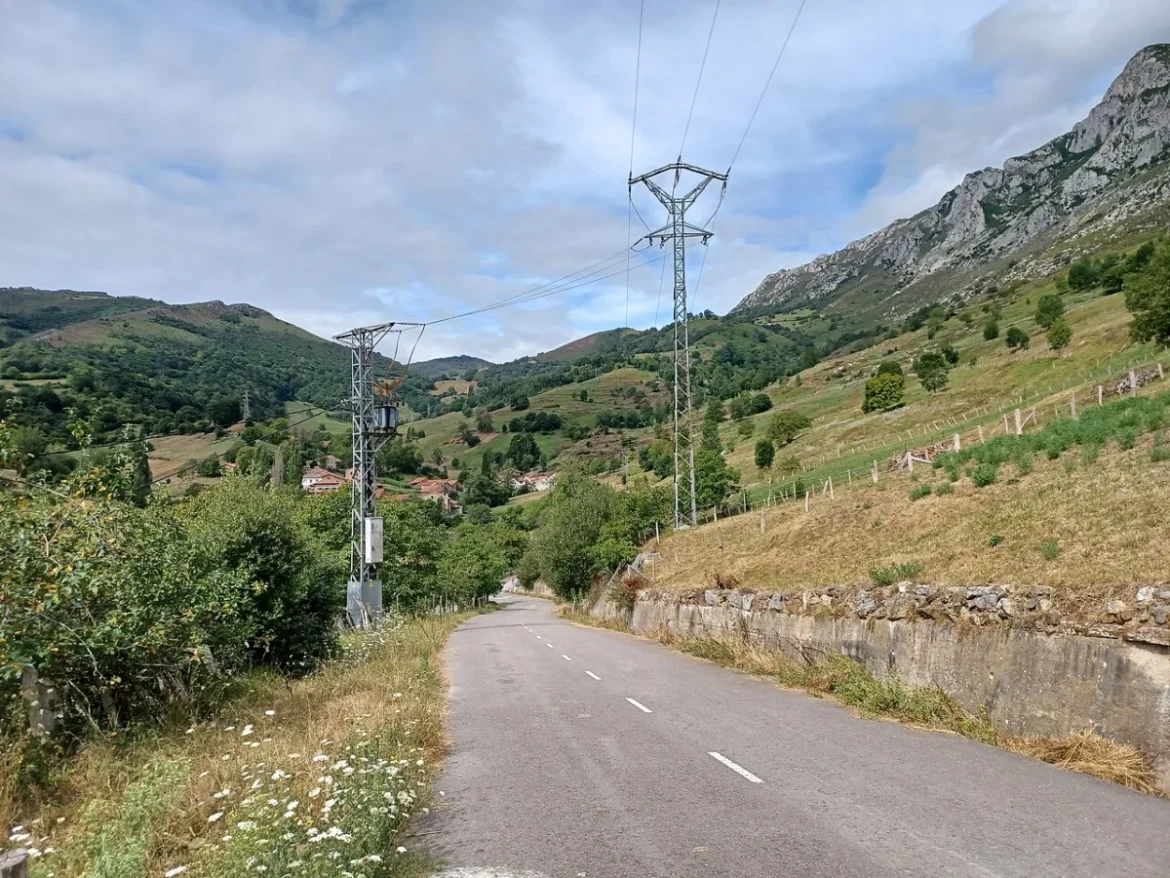
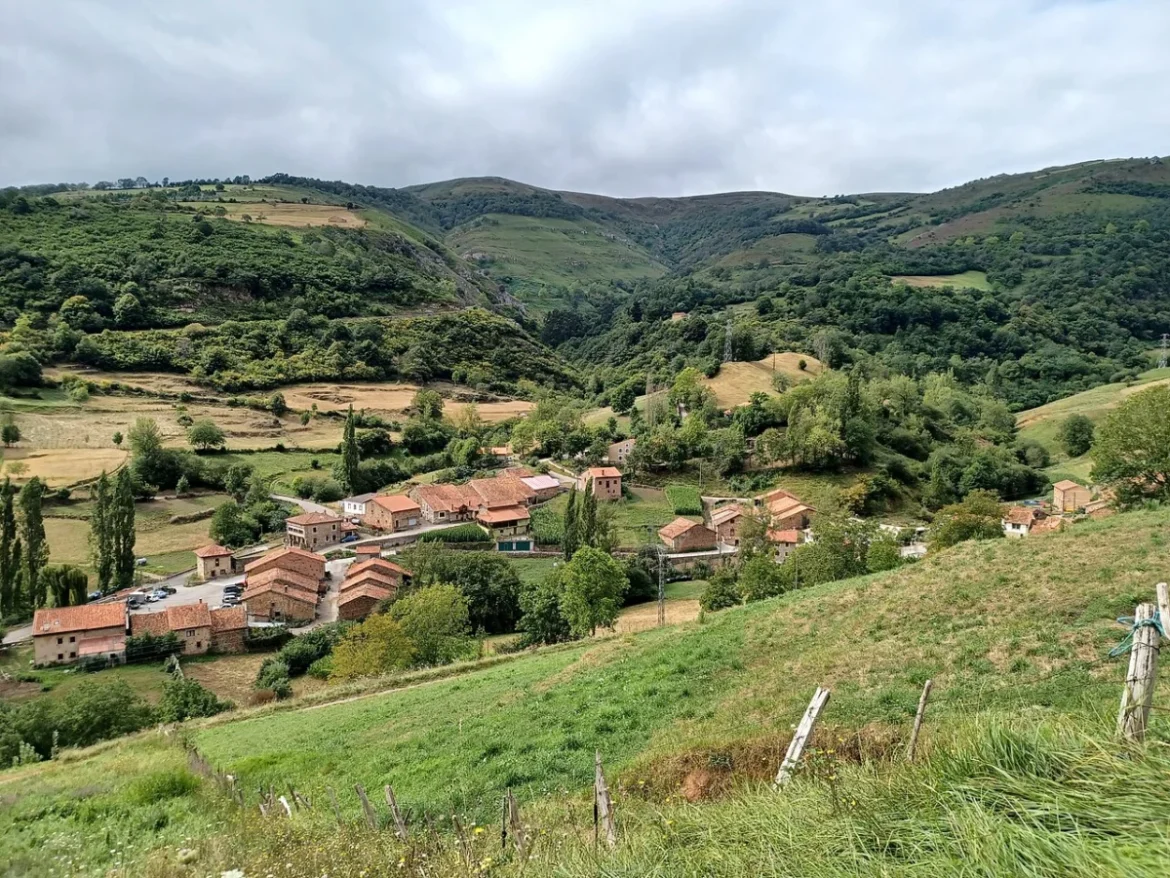
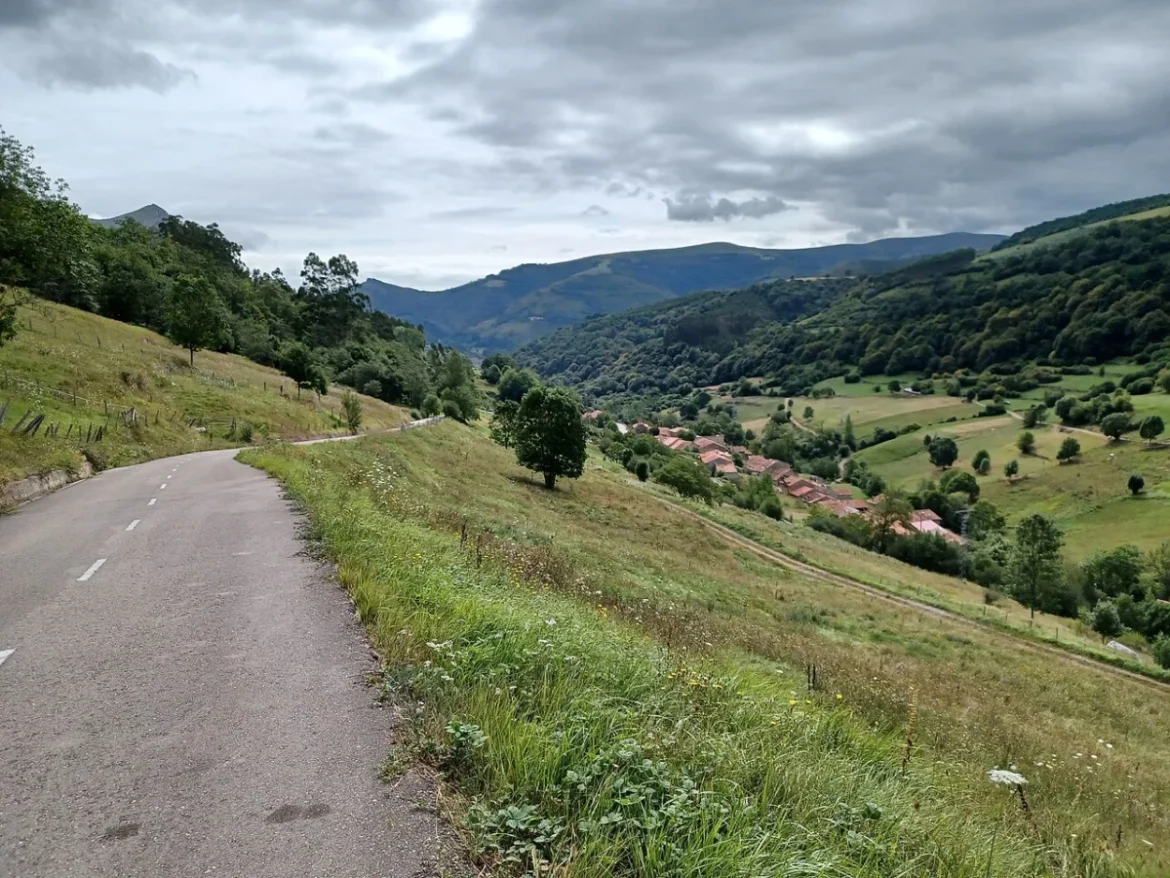
Camino Lebaniego near Lafuente, Lamasón valley in Cantabria

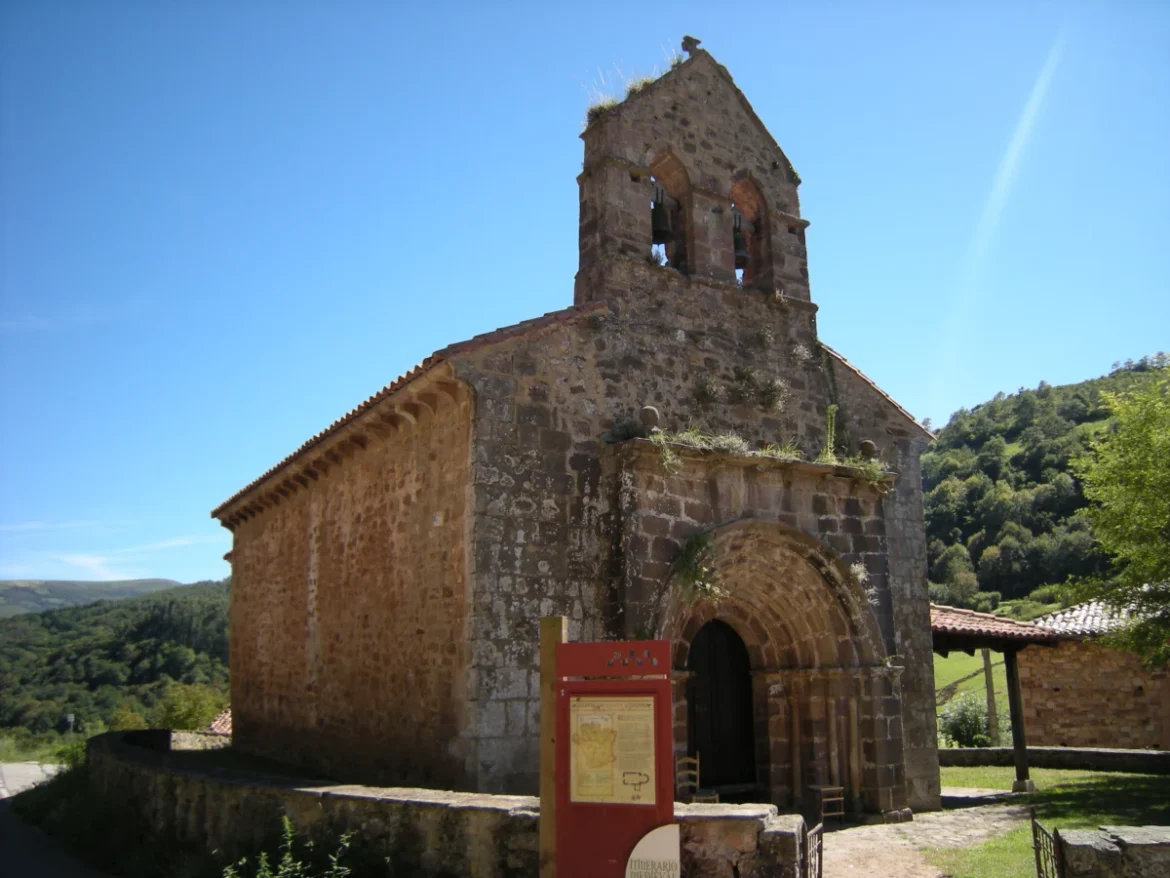
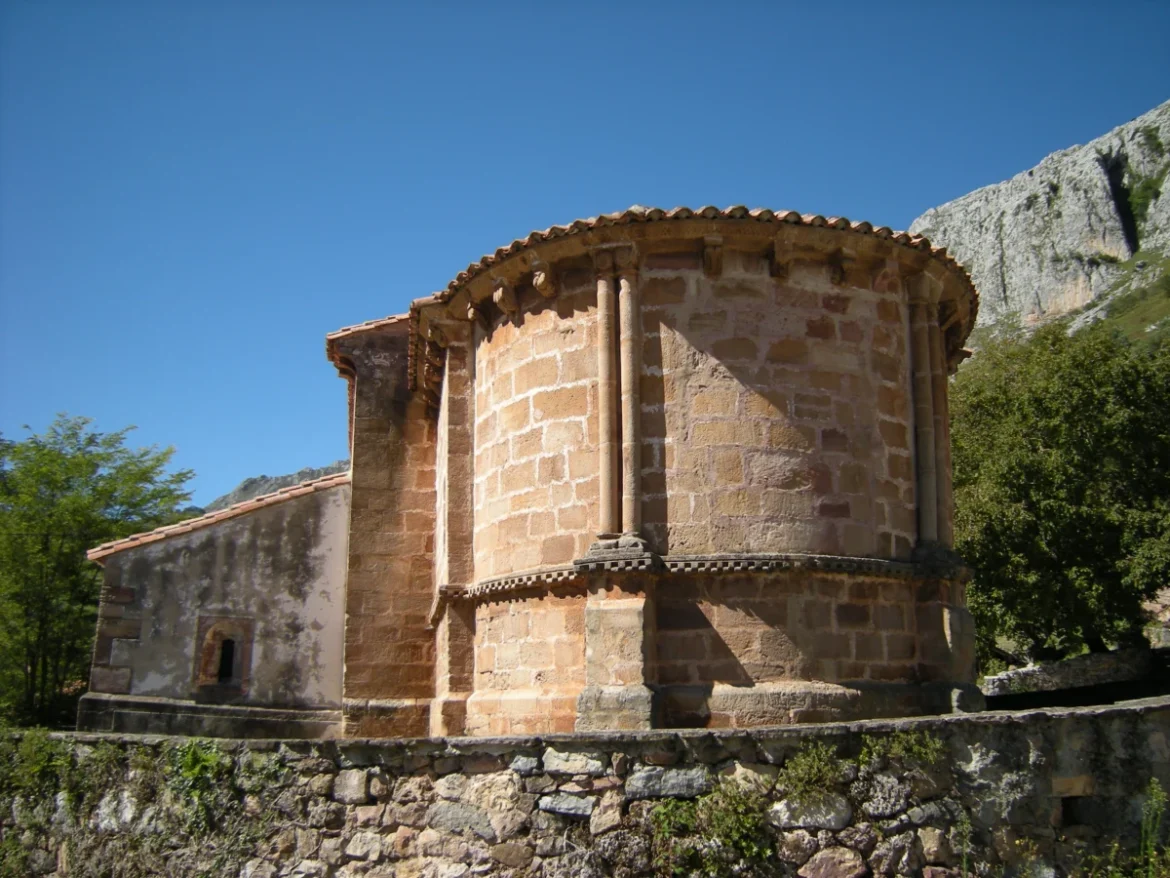
Lafuente is a small town in Lamasón that preserves one of the great testimonies of the medieval architecture of the Camino Lebaniego: the church of Santa Juliana. Built between the end of the 12th century and the beginning of the 13th century, it combines Romanesque forms with pointed arches that announce the transition to Gothic. Its nave, its semicircular head and the carved capitals allow us to discover the artistic expression of the rural temples of this part of Cantabria. The building has been protected as an Asset of Cultural Interest since 1983. In the town there are also sculptures known as the Lamasón Couple, linked to local tradition. Before leaving Lafuente, the pilgrim leaves the bottom of the valley behind and begins the climb towards Burió and the Hoz hill, a pass towards Cicera.

What to see in Lafuente

  • The church of Santa Juliana is the main treasure of Lafuente and an essential stop to understand the rural Romanesque of Cantabria. Observe its semicircular apse, the corbels, the doorway with pointed arches and the decoration of the capitals. The combination of Romanesque solutions and forms that announce the Gothic helps place the temple between the end of the 12th century and the beginning of the 13th century. In the town, the so-called Couple of Lamasón also draws attention, two stone figures placed on a wall; They are a unique element of the environment and should not be presented as sculptures inside the church. Complete the visit with the traditional houses, the stone walls and the valley landscape before continuing the climb towards Burió and the Hoz hill.
  • Church of Santa Juliana de Lafuente
See all places
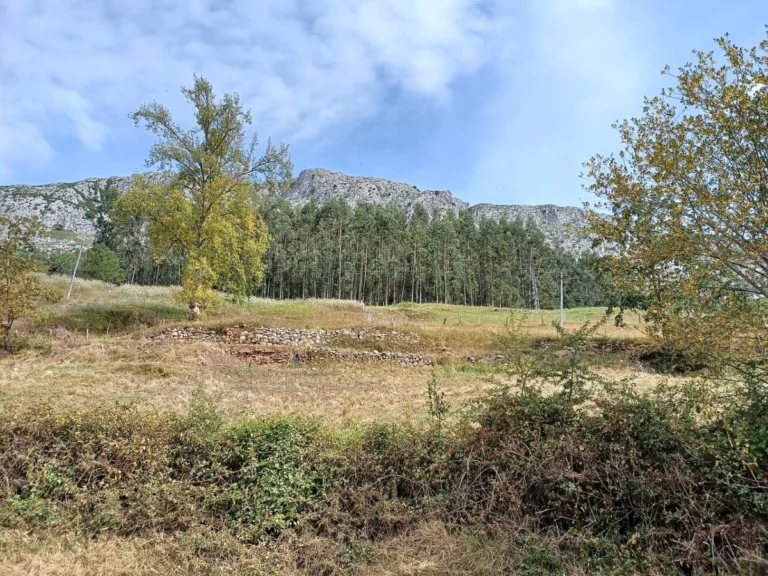
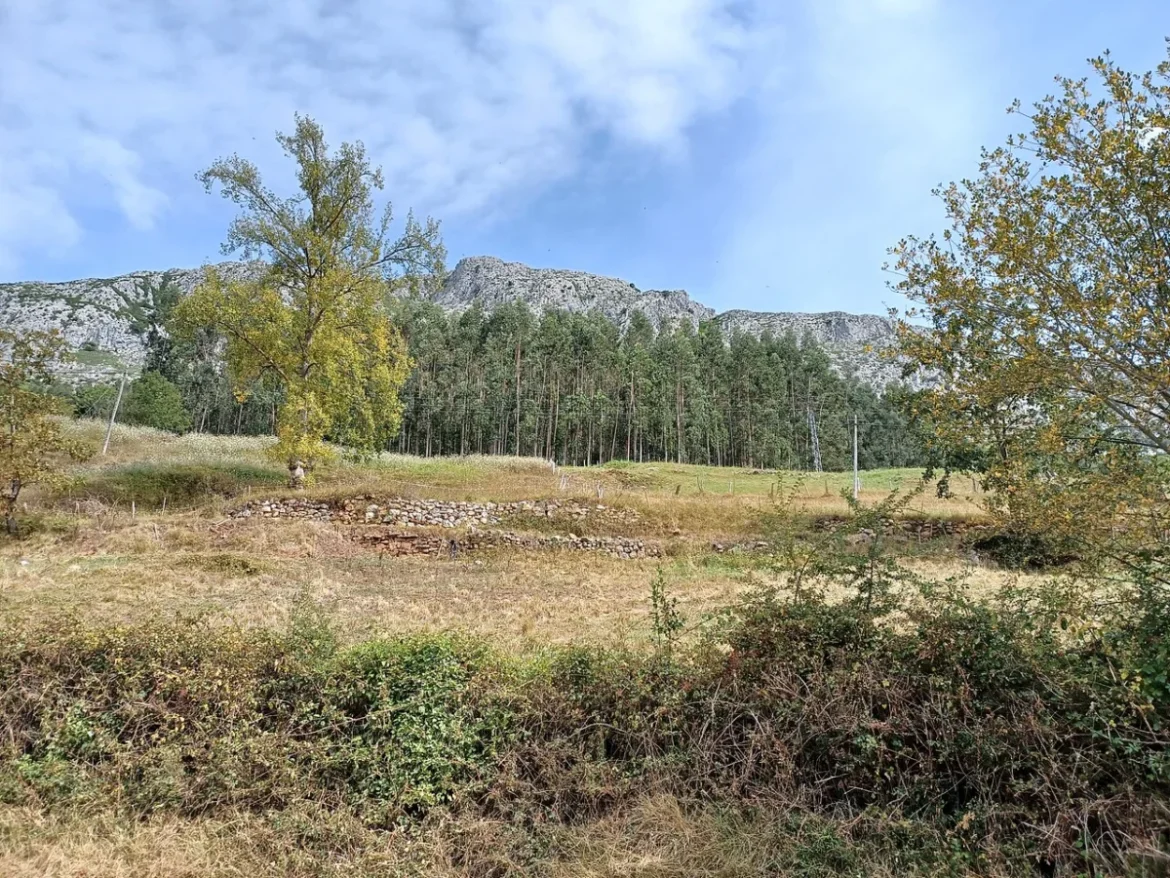
Camino Lebaniego in Lafuente, Cantabria: 02.jpg

Where to eat in Lafuente

  • Los Pumares offers breakfast, dinner and picnic upon request
  • Confirm service and rate directly at 651 624 128
View on map

Where to sleep

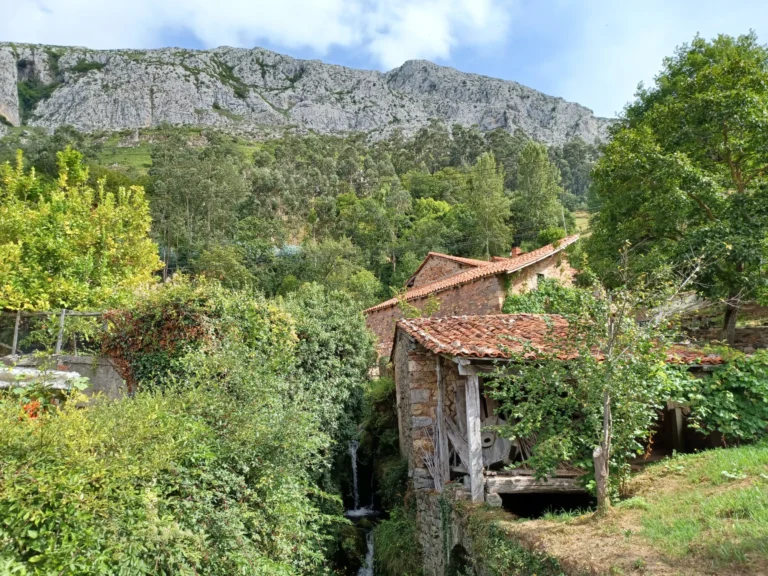
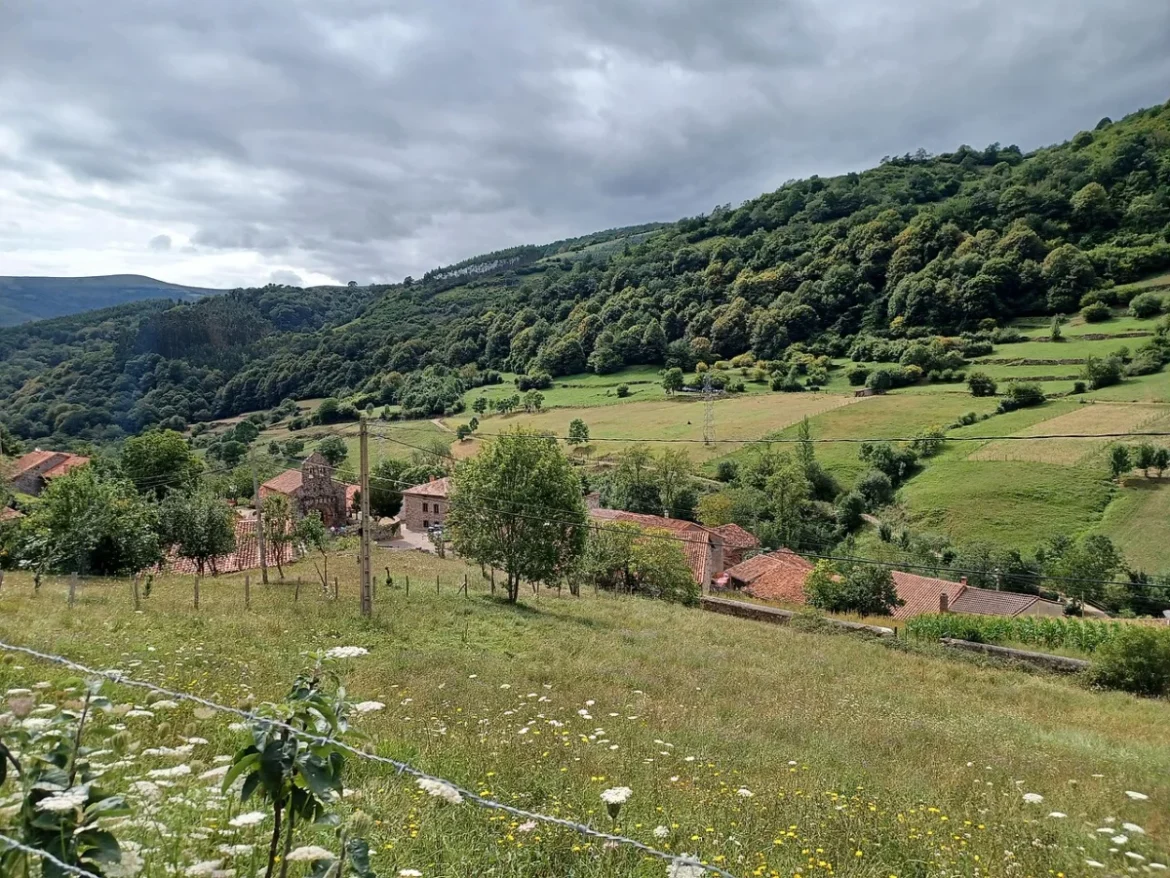
Rural houses and landscape of Lafuente, surroundings of the Los Pumares hostel

Los Pumares de Lafuente, neighborhood Los Pumares 59, hostel with 22 published places (20 shared and two private), contact Marta: 651 624 128. It is located about 300 meters from the itinerary; Reservations are required and current prices and times must be confirmed.

See accommodations

Services in Lafuente

  • Store
  • Bar/cafe
  • Fountain

Lafuente is a small rural area and the opening of bars, shops or accommodation should not be taken for granted. The interior of Santa Juliana may be closed outside of visiting hours: check access before you go. Check the weather forecast and bring enough water and food for the climb to the Hoz pass. To spend the night, confirm in advance the places in Cicera or Cabañes; The existence of a church or monument should not appear as a restoration service.

Lafuente on the Lebaniego Road

Lafuente offers Romanesque heritage and the Los Pumares hostel on the Cades–Cabañes stage of the Camino Lebaniego.

The town and its relationship with the Camino

Lafuente is an important stop between Cades and Cicera. Before arriving, the pilgrim passes through Sobrelapeña, with the option of taking a detour to Quintanilla. The church of Santa Juliana, built between the end of the 12th century and the beginning of the 13th century, preserves Romanesque characteristics with pointed arches. A short distance from the temple begins the climb towards Burió and the Hoz hill. The Los Pumares hostel is located in the town, which should be booked in advance.

What to see

Church of Santa Juliana, Asset of Cultural Interest, traditional architecture and landscape of the Lamasón valley. Next to the temple, on the wall of a house, the sculptures known as the Lamason Couple are preserved.

Practical information for the pilgrim

Business information, schedules and reservations must be confirmed prior to travel. Access by trails, especially along rivers or in the mountains, may vary depending on the weather.

Look at these details of Santa Juliana

The temple, from the end of the 12th century, has been protected as an Asset of Cultural Interest since 1983. It has a nave and semicircular head. On the façade there are slightly pointed concentric arches, supported by columns with carved capitals. If you are allowed to enter, the left capital of the triumphal arch represents the Epiphany. The exterior visit allows you to appreciate a good part of the building without having to access the interior.

Los Pumares Hostel: where to book in Lafuente

The town has the Los Pumares hostel, in the neighborhood of the same name, about 300 meters from the signposted route. It offers shared places and a double room, as well as meals upon reservation. Contact: 651 624 128 (Marten). It is advisable to book before starting the Cades–Cabañes stage and confirm if pets are allowed and the prices of the day.

From Lafuente the Camino ascends towards Burió and the Hoz hill. Bring water for the next section and check the weather forecast before starting the climb.

Legal information and sources

Gallery of the Camino as it passes through Lafuente, photographs 01–06: Simon Burchell, original gallery, license CC BY-SA 4.0. Images adapted to web format.

Header image: Romanesque Church of Santa Juliana de Lafuente, Lamasón. Photo: José Antonio Gil Martínez · Wikimedia Commons · CC BY/2.0 (resized).

Gallery image: Photography: José Antonio Gil Martínez · Wikimedia Commons · CC BY 2.0 (adapted to the web).

Sources: Camino Lebaniego Foundation, official information about the stage.; Heritage of the Nansa and Peñarrubia Valley.; Lamason Town Hall y Spain Tourism.


See stages of the Lebaniego Way

Lafuente Gallery

Romanesque Church of Santa Juliana de Lafuente, LamasónRomanesque apse of the church of Santa Juliana de LafuenteCamino Lebaniego near Lafuente, Lamasón valley in CantabriaCamino Lebaniego in Lafuente, Cantabria: 02.jpgCamino Lebaniego in Lafuente, Cantabria: 03.jpgCamino Lebaniego in Lafuente, Cantabria: 04.jpgCamino Lebaniego in Lafuente, Cantabria: 05.jpgCamino Lebaniego in Lafuente, Cantabria: 06.jpg
KJ , the pilgrim reporter

Your Guide to the Lebaniego Way

Ask him what you need about Lafuente, the Camino Lebaniego, its stages, hostels and services.

KJ will respond very soon with his assistant; Meanwhile, we searched the entire web for your question.

your companion
on the way
¿Hablamos por WhatsApp?