History of Serdio
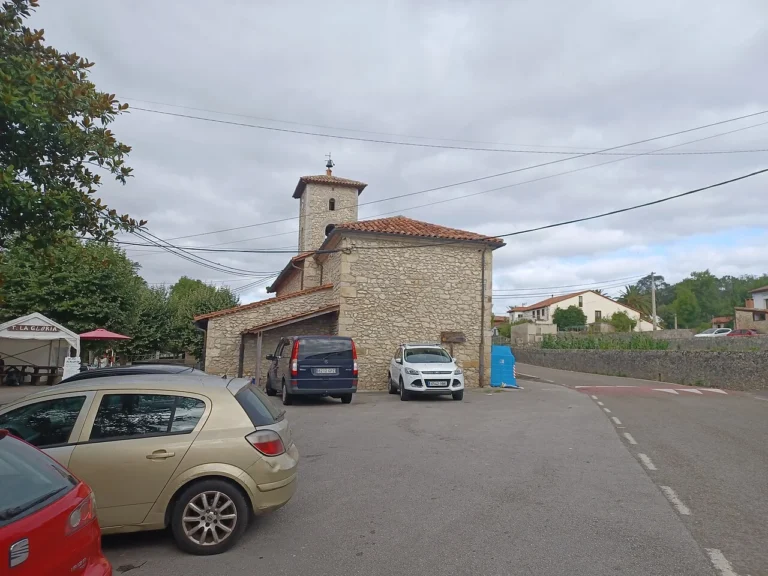
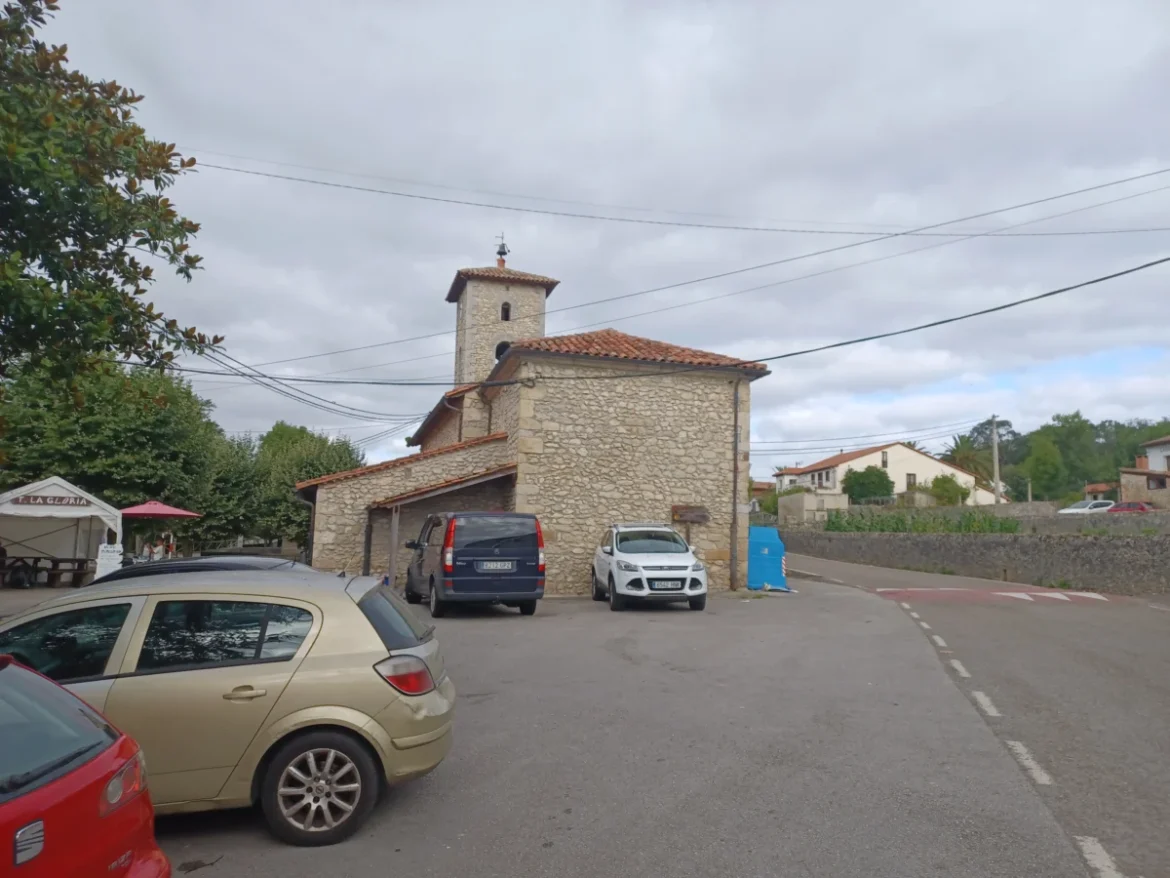
Serdio belongs to the municipality of Val de San Vicente and is part of the network of towns that historically connected the Cantabrian coast with the inland valleys. Its homes, farms and local roads allow us to recognize the importance of livestock and agricultural activities in the traditional economy. As in other villages in this area, the landscape and connections with neighboring towns explain a good part of its past.
Serdio is also linked to an episode in the contemporary history of Cantabria: the memory of Francisco Bedoya, related to the post-war anti-Franco guerrilla. This reference provides a historical dimension different from the usual medieval image of the Camino and reminds us that the towns along the route also experienced intensely the conflicts of the 20th century.
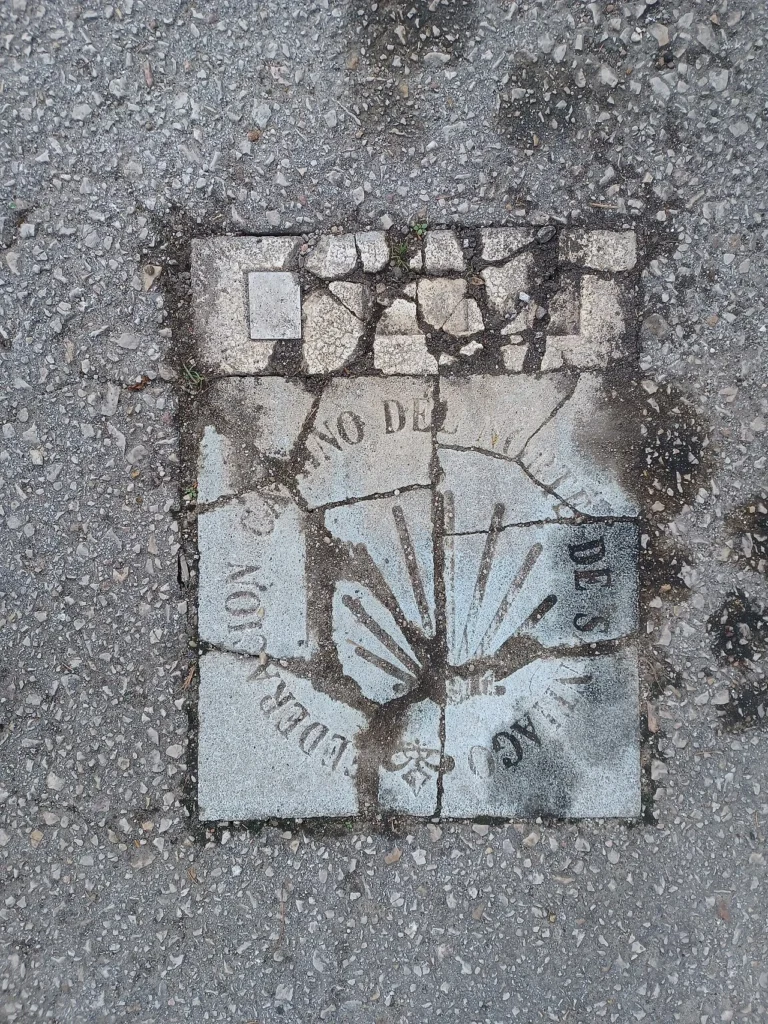
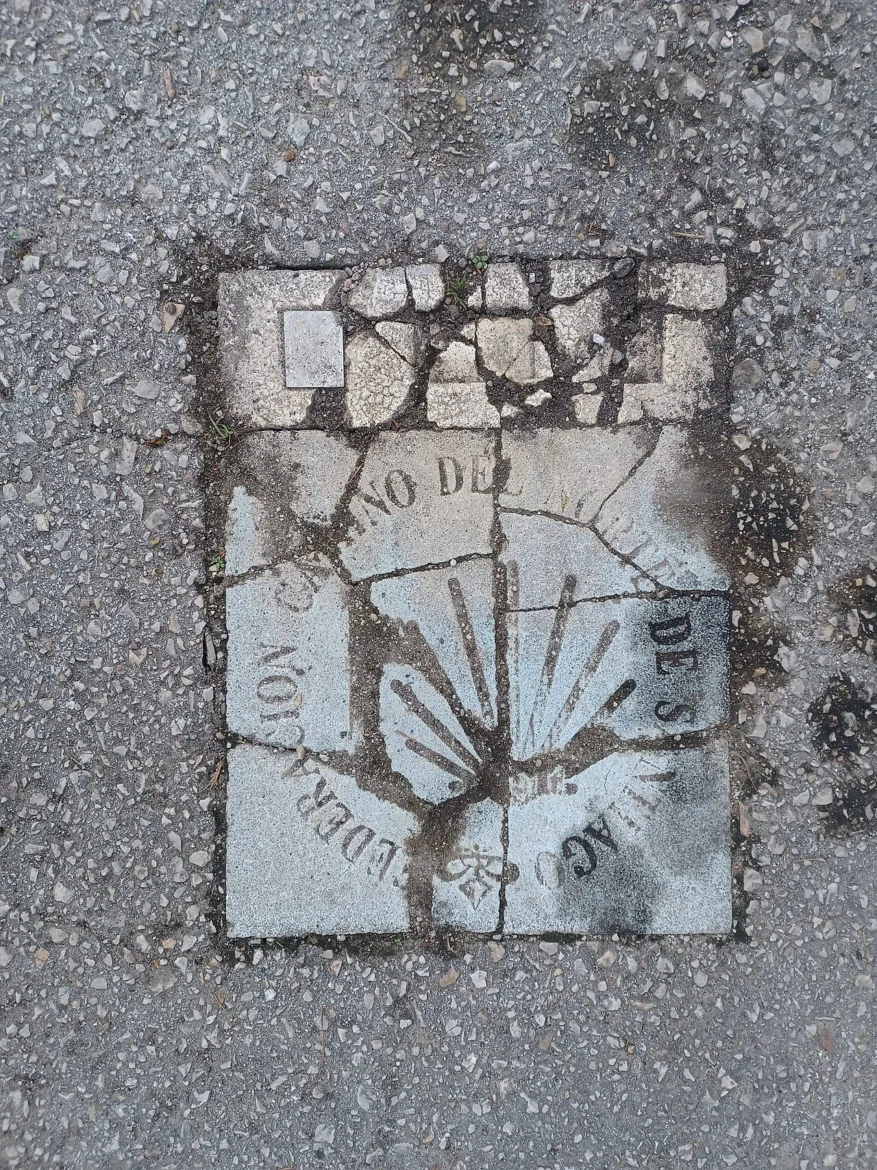
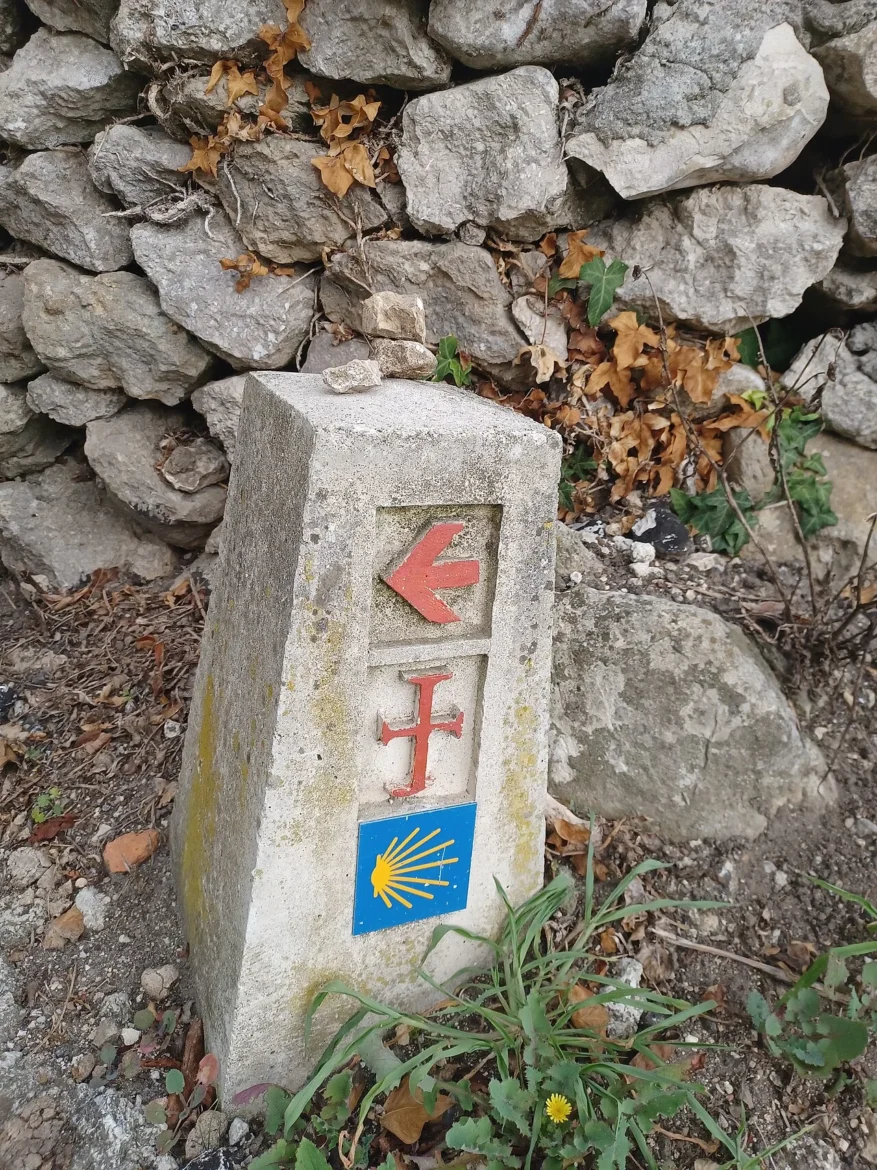
On the current itinerary, Serdio is reached after Estrada. From here we continue towards Muñorrodero, where the Camino del Norte, headed to Santiago, and the Camino Lebaniego, which heads into Santo Toribio, separate. The transit of pilgrims adds a new function to roads that for generations mainly served relations between towns and rural work.
Sources: Camino Lebaniego Foundation, San Vicente–Cades stage; heritage documentation of the municipality of Val de San Vicente.