











The historic Camino village in Burgos attracts pilgrims, wine lovers and cultural travelers
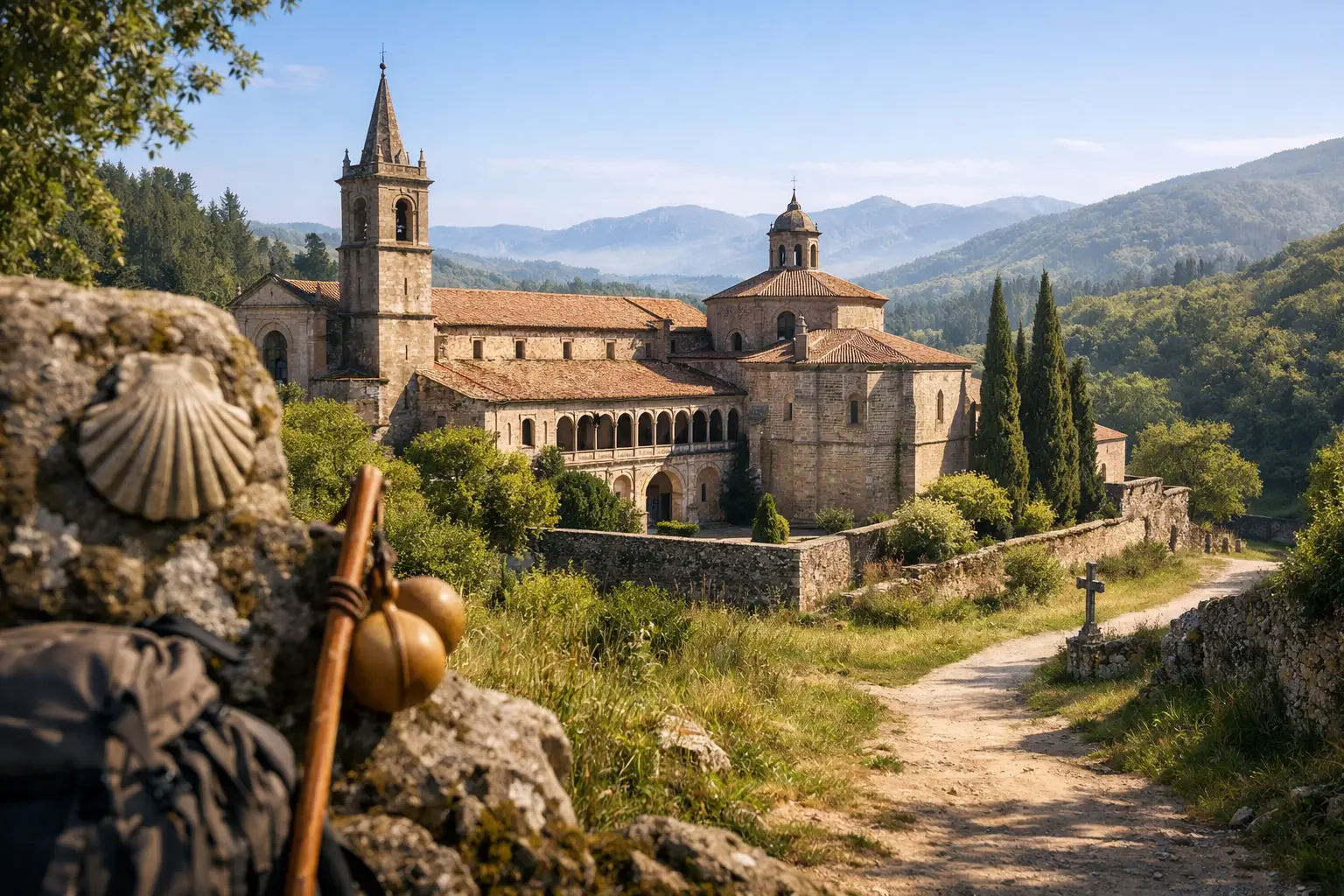
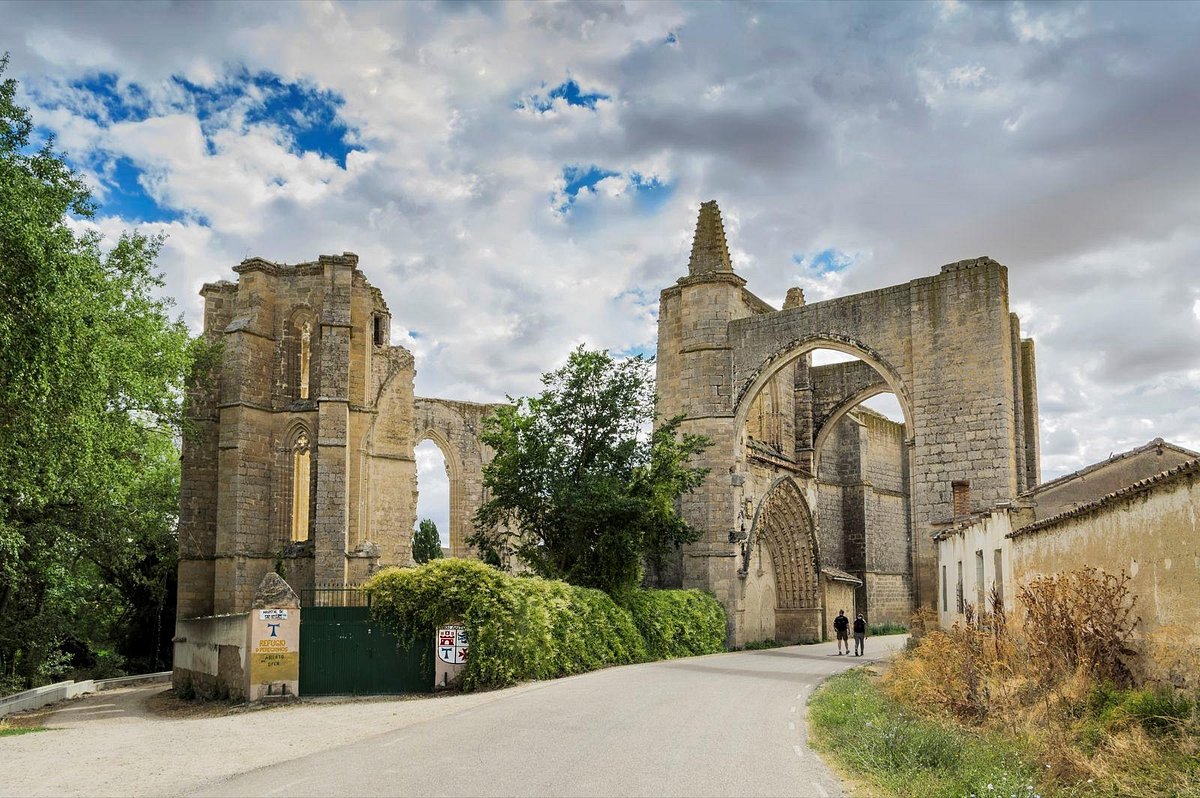
Castrojeriz, one of the most historic villages along the Camino de Santiago Francés, is strengthening its reputation as a unique destination where pilgrimage, wine tourism, gastronomy and cultural heritage come together. Located in the province of Burgos, this medieval town has become increasingly popular among international travelers searching for authentic experiences in northern Spain.
For centuries, Castrojeriz has welcomed pilgrims walking toward Santiago de Compostela. Today, however, the village is also attracting visitors interested in rural tourism, Spanish wine culture, local gastronomy and sustainable travel experiences. The combination of medieval architecture, historic churches, traditional hospitality and nearby vineyards is helping Castrojeriz position itself as one of the most attractive stops on the Camino Francés.
The Camino de Santiago continues to grow as one of Europe’s leading cultural tourism routes, bringing thousands of travelers every year to small towns across northern Spain. Castrojeriz benefits greatly from this international interest thanks to its strategic location between Burgos and León, two of the most important cities on the pilgrimage route.
Wine tourism becomes part of the modern Camino experience
One of the most interesting tourism trends in Castrojeriz is the growing connection between the Camino de Santiago and wine tourism. Many pilgrims are now looking beyond the traditional walking experience and searching for local culture, gastronomy and regional products during their journey.
Several accommodations and rural tourism businesses in Castrojeriz have started offering wine tastings, visits to underground wine cellars and local gastronomic experiences connected to the wine traditions of Castilla y León. This new tourism model combines cultural heritage with food tourism and premium travel experiences.
The historic relationship between wine and the Camino de Santiago dates back hundreds of years. Medieval monasteries and pilgrim hospitals often provided wine to travelers as part of hospitality traditions. Wine was considered both nourishment and comfort for pilgrims facing long and difficult journeys across Spain.
Today, this historical connection is being rediscovered by tourism businesses across the Camino Francés. Visitors in Castrojeriz can now enjoy local wines while learning about the village’s medieval history and the evolution of pilgrimage culture in Spain.
Castrojeriz preserves the authentic spirit of the Camino Francés
Unlike some larger and more crowded Camino destinations, Castrojeriz still maintains much of its traditional atmosphere. Pilgrims frequently describe the village as peaceful, authentic and deeply connected to the original spirit of the Camino de Santiago.
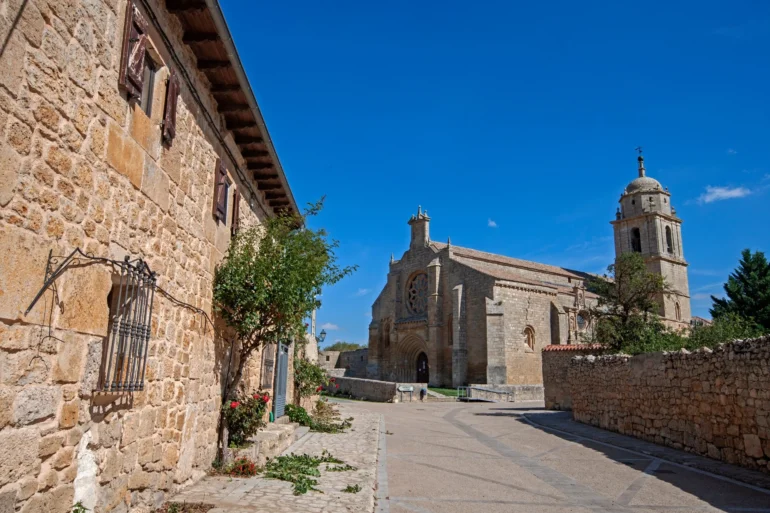
One of the town’s most recognizable features is its unusually long main street, which follows the exact route of the Camino through the village. Walking through Castrojeriz allows visitors to experience medieval Spain almost unchanged, surrounded by stone buildings, ancient churches and panoramic countryside views.
The ruins of the castle overlooking the town remain one of the area’s most iconic landmarks. From the top of the hill, pilgrims and tourists can enjoy spectacular views across the Castilian landscape, one of the defining images of the Camino Francés.
Religious heritage also plays an important role in the local tourism economy. Historic churches such as the Collegiate Church of Santa María del Manzano continue attracting visitors interested in art, spirituality and architecture. Many international travelers combine religious tourism with cultural tourism while exploring the Camino routes.
Sustainable tourism helps rural Spain grow
The growth of wine tourism and Camino tourism is helping many rural communities in Spain combat depopulation and create new economic opportunities. Castrojeriz is one example of how small villages can benefit from sustainable tourism focused on local identity, gastronomy and cultural heritage.
Hotels, hostels, restaurants, cafés and local businesses increasingly depend on international pilgrims and tourists visiting the Camino de Santiago. Many travelers are now spending more time in villages like Castrojeriz instead of simply passing through in one day.
Tourism experts believe the future of the Camino de Santiago will continue evolving toward slower and more immersive travel experiences. Modern pilgrims are looking not only for physical challenges, but also for emotional experiences, local connections and cultural discovery.
Wine tourism perfectly fits this new travel model. Experiences such as vineyard tours, local food tastings and historic wine cellar visits allow visitors to connect more deeply with the traditions and landscapes of northern Spain.
The Camino de Santiago continues evolving globally
The international popularity of the Camino de Santiago keeps growing year after year, especially among travelers from the United States, Germany, South Korea, Australia and Latin America. Social media, travel documentaries and streaming platforms have helped introduce the Camino experience to millions of people worldwide.
As global interest grows, destinations like Castrojeriz are adapting to new tourism trends while preserving their historic identity. The combination of pilgrimage, rural tourism, gastronomy and wine culture is creating a more diverse and sustainable tourism economy across the Camino Francés.
For many travelers, Castrojeriz represents exactly what makes the Camino de Santiago special: authenticity, history, hospitality and meaningful experiences far from mass tourism destinations.