








From the Camino de Santiago to dramatic mountain canyons, Spain is winning hikers over
Spain is quickly becoming one of Europe’s hottest destinations for hiking, wellness travel and slow tourism. While millions of tourists still flock to beaches and big cities every summer, another type of traveler is discovering a very different side of the country:
spectacular walking routes through mountains, cliffs, forests and historic pilgrimage trails.
According to a recent feature published by Vanitatis, three hiking routes stand out as some of the most beautiful experiences a traveler can have in Spain:
the Ruta del Cares,
El Caminito del Rey
and the legendary Camino de Santiago.
And in 2026, all three are experiencing massive international growth thanks to social media, wellness tourism and the global boom of outdoor travel.
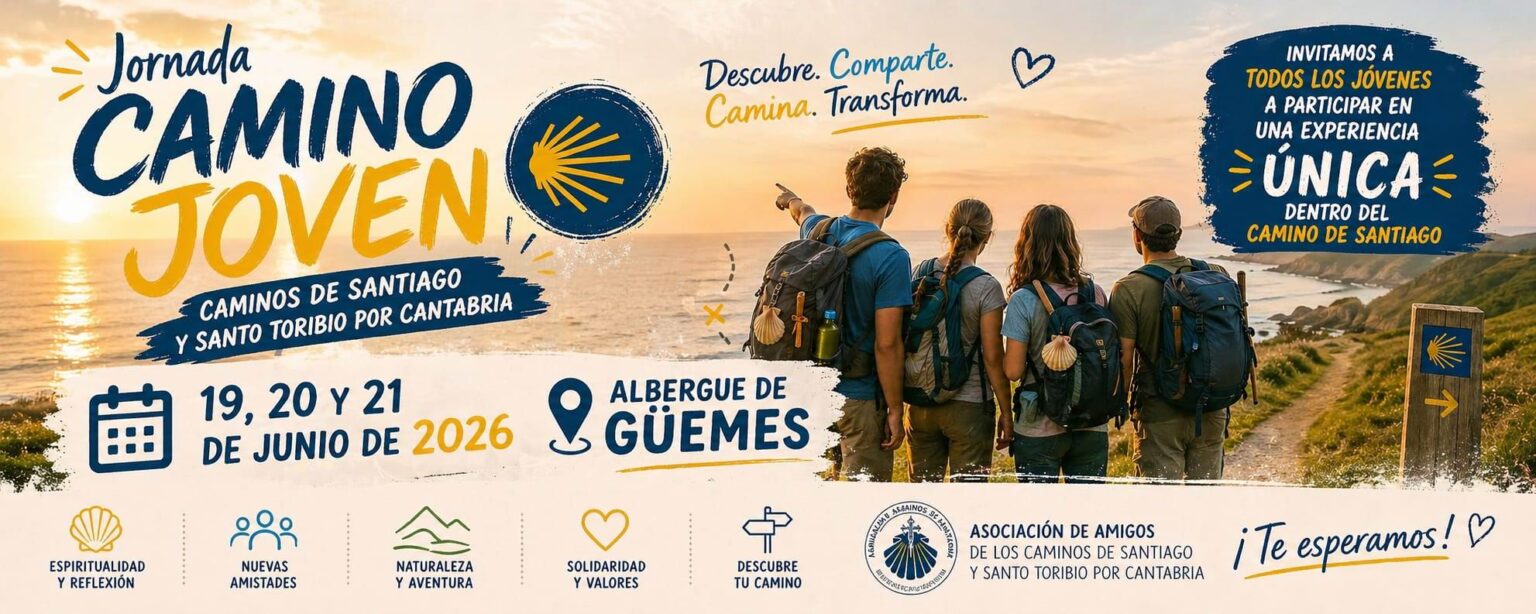
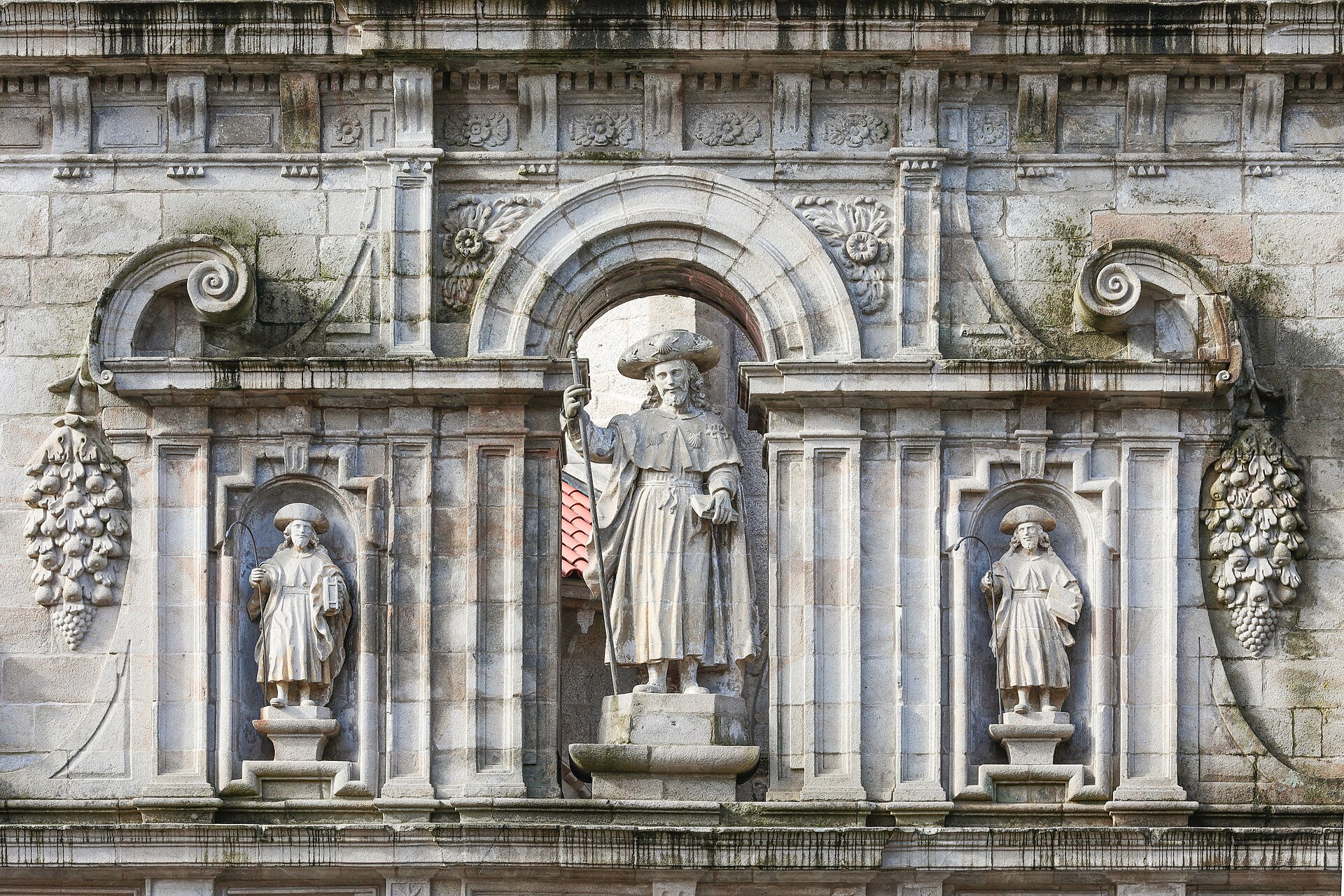
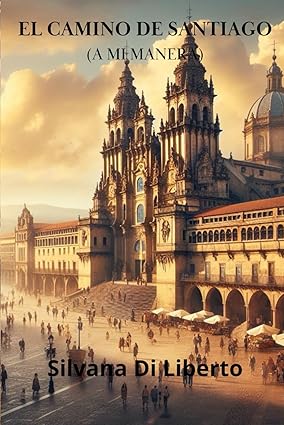
The Camino de Santiago remains Spain’s ultimate walking experience
Among all Spanish hiking routes, the Camino de Santiago continues to dominate global interest.
More than just a hiking trail, the Camino has evolved into one of the world’s biggest transformational travel experiences.
Every year, hundreds of thousands of pilgrims and travelers arrive from:
the United States,
Germany,
South Korea,
Italy,
Australia
and Brazil searching for:
mental clarity,
nature,
slow travel,
spirituality,
digital detox
and emotional healing.
Vanitatis describes the Camino as far more than a route, highlighting how the constantly changing landscapes and small villages create a deep connection with Spain itself.
And perhaps that is exactly why so many travelers say the Camino changes their lives.
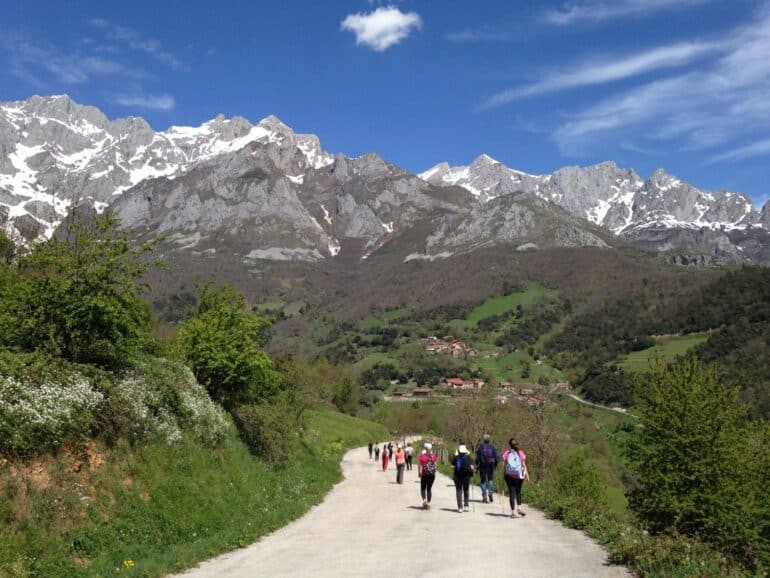
Walking through forests, mountains, vineyards and ancient villages for days or weeks creates an experience that feels completely different from ordinary tourism.
The Ruta del Cares offers Spain’s most dramatic canyon scenery
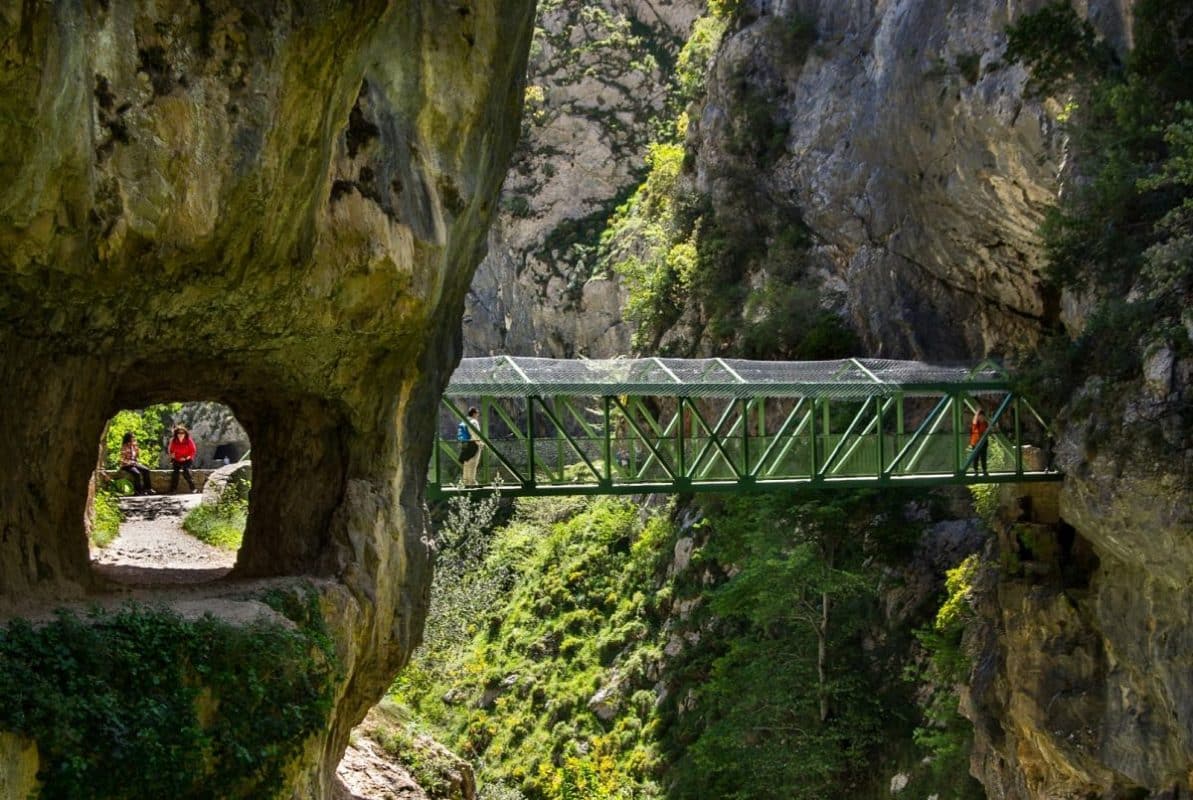
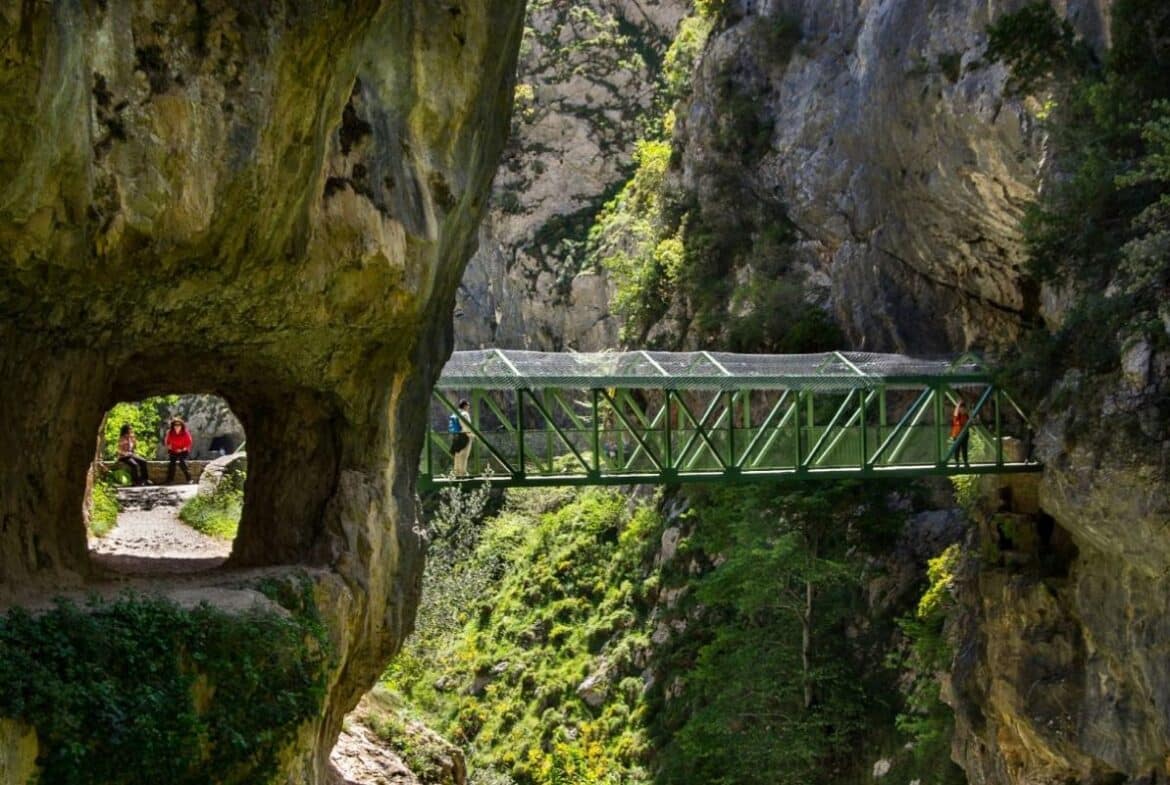
Another route gaining huge popularity among adventure travelers is the famous Ruta del Cares in the Picos de Europa mountains between Asturias and León.
Often called “The Divine Gorge,” the trail runs through an incredible limestone canyon carved by the Cares River over centuries.
The route has become one of Spain’s most photographed hiking experiences thanks to:
suspended pathways,
rock tunnels,
bridges,
vertical cliffs
and breathtaking mountain scenery.
Unlike more technical alpine routes, the Ruta del Cares is accessible for many travelers while still delivering an unforgettable adventure.
Travel influencers and hiking creators on TikTok and Instagram have massively boosted the route’s international popularity during the last two years.
El Caminito del Rey combines adrenaline and luxury tourism
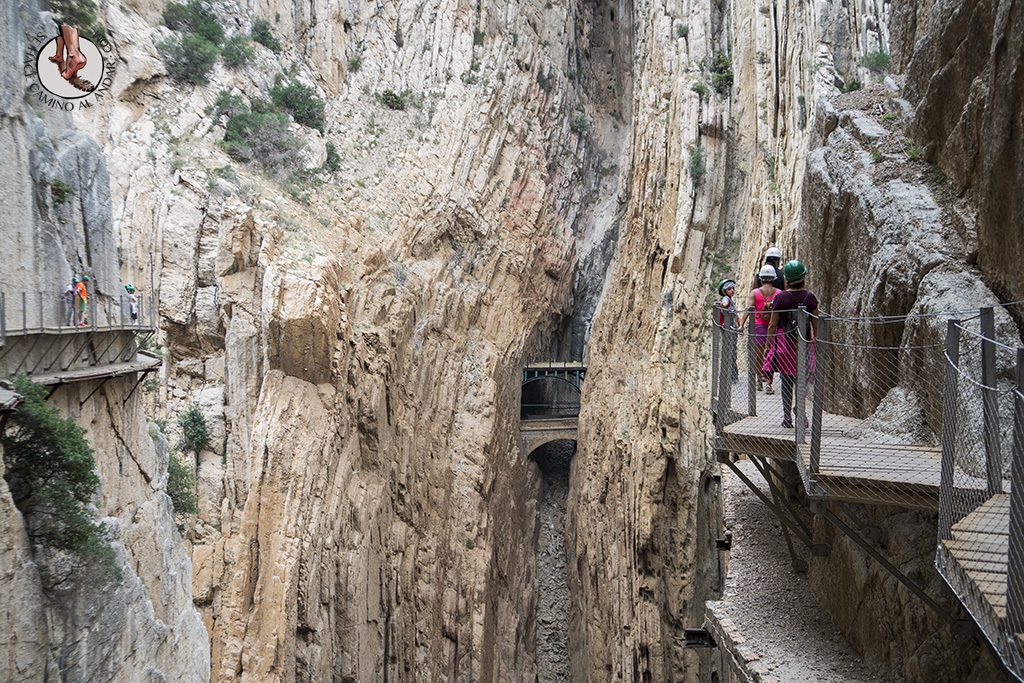
Meanwhile, southern Spain continues attracting thrill-seekers through El Caminito del Rey in Málaga.
Once considered one of the world’s most dangerous paths, the famous suspended walkway has now become one of Spain’s safest — and most viral — hiking attractions after major restoration work.
Built into the cliffs of the Gaitanes Gorge, the route offers dramatic views above the Guadalhorce River and attracts:
adventure travelers,
luxury tourists,
wellness travelers
and social media creators.
Its combination of Mediterranean landscapes, vertical rock walls and panoramic walkways makes it one of Spain’s biggest outdoor tourism successes.
Hiking becomes luxury wellness tourism
The boom of these routes reflects a much larger trend transforming tourism in Europe:
travelers increasingly want experiences instead of traditional vacations.
Experts say modern tourists are now searching for:
wellness travel,
nature tourism,
mindful experiences,
slow travel,
mental health escapes
and outdoor adventures.
Spain fits perfectly into that movement.
The country combines:
mountains,
coastlines,
historic villages,
gastronomy,
excellent weather
and ancient walking traditions.
That is one reason hiking tourism in Spain continues growing so rapidly in 2026.
Social media is changing hiking forever
Platforms like TikTok, Instagram and YouTube have completely transformed how people discover hiking destinations.
Sunrise videos on the Camino de Santiago,
dramatic drone footage of El Caminito del Rey
or cinematic canyon shots from the Ruta del Cares now reach millions of viewers worldwide.
Many younger travelers now choose destinations almost entirely based on visual storytelling online.
And Spain’s hiking routes are becoming incredibly powerful social media content.
Spain’s hidden routes are also booming
Beyond the three iconic trails mentioned by Vanitatis, many lesser-known Spanish routes are now gaining attention too.
Travel media recently highlighted:
the Cola de Caballo route in Ordesa National Park,
the spectacular Cailagua waterfall route in Cantabria,
the mystical Laguna Negra in Soria
and even the dramatic Barranco de Masca in the Canary Islands.
Together, these destinations are helping position Spain as one of Europe’s most diverse hiking countries.
The future of travel may be slower
Tourism experts believe hiking and pilgrimage tourism will continue growing strongly over the next decade.
Especially as travelers increasingly reject:
mass tourism,
constant digital connection,
crowded resorts
and stressful travel experiences.
Walking through nature for hours each day is now seen by many people as a form of therapy.
And few countries offer that combination of:
history,
nature,
food,
culture
and emotional travel experiences better than Spain.
Spain is becoming a global hiking powerhouse
What was once considered mainly a beach destination is now evolving into one of Europe’s top countries for:
hiking holidays,
wellness retreats,
pilgrimage travel,
mountain tourism
and transformational experiences.
And whether travelers choose:
the emotional Camino de Santiago,
the cliffs of El Caminito del Rey
or the dramatic canyons of the Ruta del Cares…
many discover the same thing:
sometimes the best way to experience a country…
is simply by walking through it.