










The countdown to one of the biggest years in the history of the Camino de Santiago has begun.
Only 76 days remain until the Holy Door of Santiago Cathedral opens on December 31, officially marking the beginning of Xacobeo 2027, the next Holy Year in Santiago de Compostela.
For thousands of future pilgrims around the world, the coming months will be the moment to make an important decision: when to walk the Camino during a year expected to bring extraordinary attention to the routes leading to Santiago.
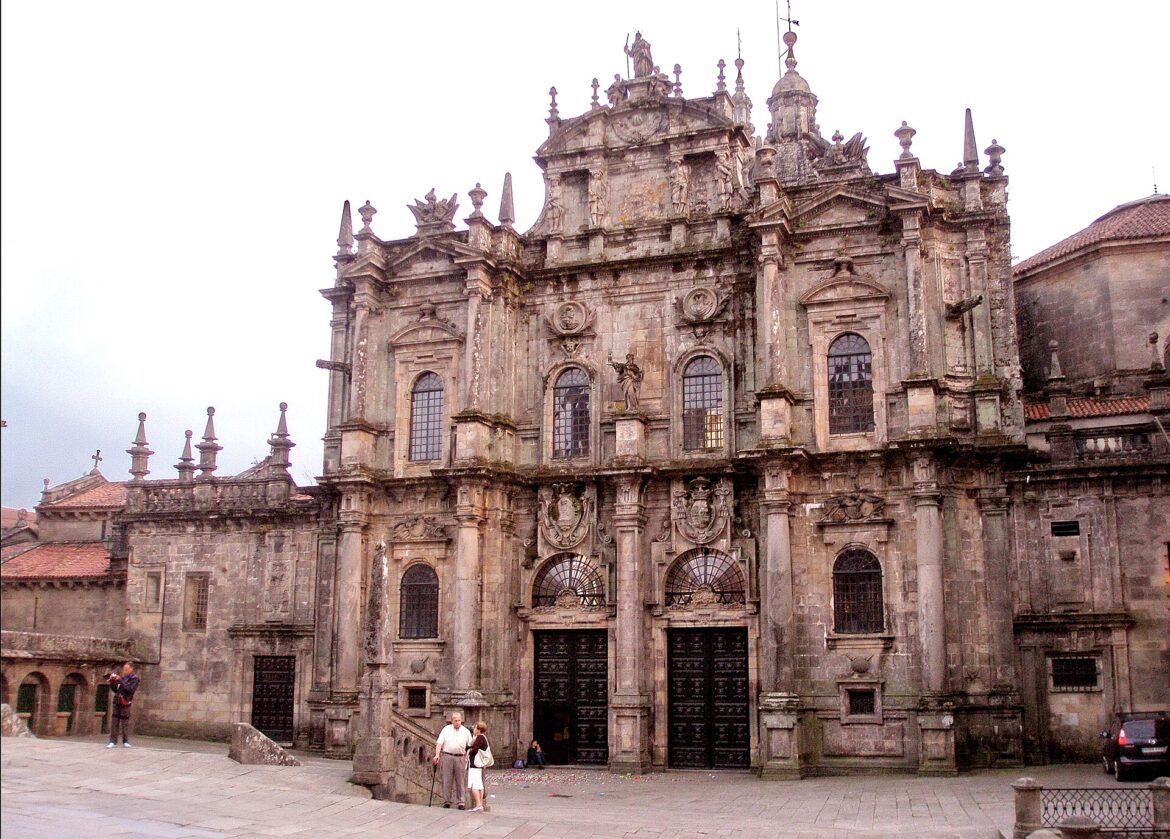
Why 2027 will be different
A Holy Year is celebrated in Santiago whenever July 25, the feast of Saint James, falls on a Sunday.
That will happen again in 2027.
The opening of the Holy Door at the end of December will begin a year of religious celebrations, pilgrimages, cultural events and international attention focused on Santiago and the Camino.
For many pilgrims, walking during a Holy Year carries an additional spiritual meaning. For others, Xacobeo 2027 will simply be an opportunity to experience the Camino during one of its most symbolic moments.
But there is another side to the story: more pilgrims also mean greater pressure on accommodation, transport and some of the most popular stages.
July 25 will be the key date
The most significant moment of the year will arrive on Sunday, July 25.
Santiago will celebrate the feast of the Apostle on the very day that makes 2027 a Holy Year.
That weekend is likely to become one of the busiest periods of the entire Xacobeo.
Pilgrims who dream of arriving in Santiago around that date should therefore begin planning much earlier than they might during a normal year.
Those looking for a quieter experience may prefer spring, early summer or autumn, when the symbolic atmosphere of the Holy Year will remain but pressure on the Camino could be lower.
There is still no official pilgrim forecast
One important detail should not be overlooked.
Despite the many figures already circulating online, there is currently no definitive official forecast establishing exactly how many pilgrims will complete the Camino during 2027.
What is certain is that the Camino has already been experiencing historically high levels of participation and that international interest continues to grow.
That makes Xacobeo 2027 particularly important for the towns, villages, hostels, associations and businesses located along the different routes.
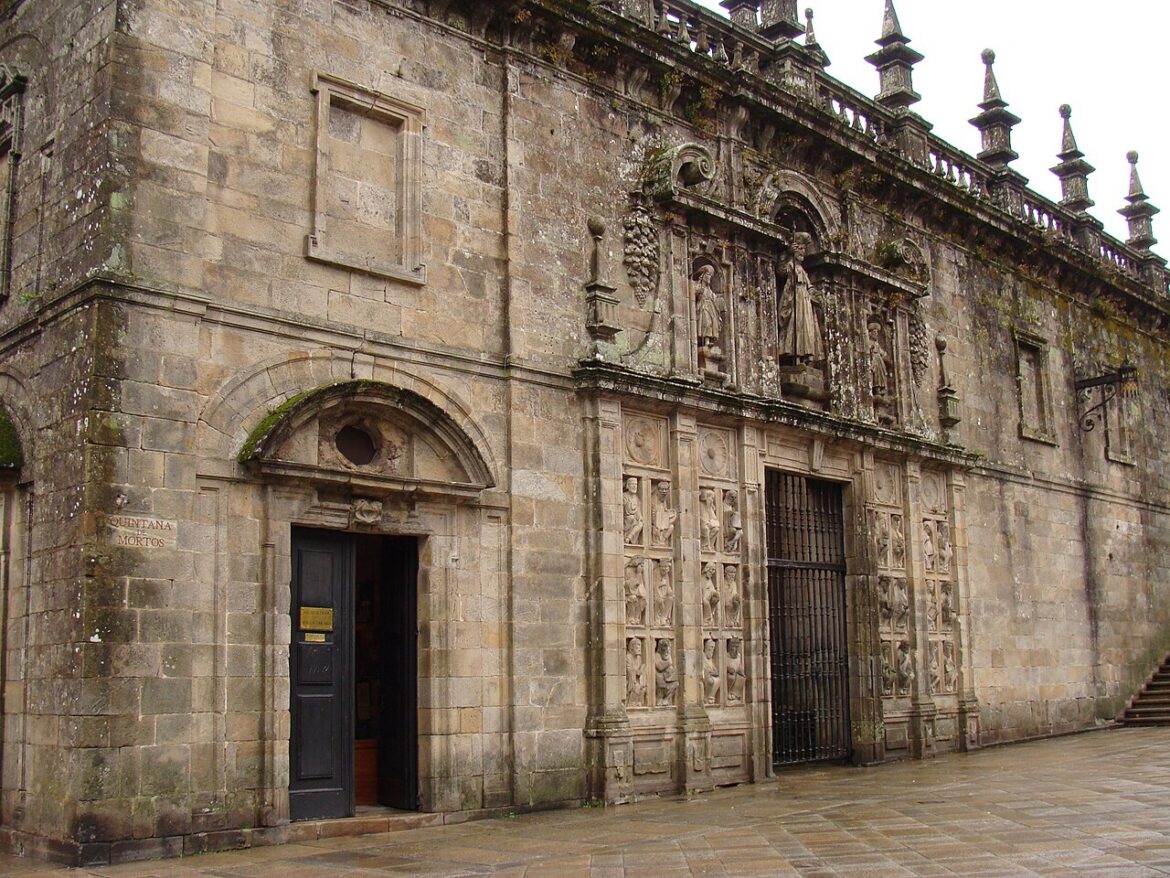
Not only the French Way
The Holy Year could also become an opportunity for pilgrims to discover routes beyond the busiest sections of the French Way.
The Portuguese Way, Northern Way, Primitive Way, English Way, Via de la Plata, Camino de Invierno and many smaller Jacobean routes offer very different experiences.
For international pilgrims planning their first Camino, choosing the right route may become even more important in 2027.
Those seeking social atmosphere and extensive pilgrim services may continue to choose the French or Portuguese routes.
Those hoping for solitude, landscapes and a slower experience may increasingly look towards alternative Caminos.
Accommodation could become one of the biggest issues
The final stages before Santiago are normally the areas where demand becomes most visible.
During a Holy Year, that pressure can increase considerably.
Private hostels, hotels and rural accommodation along popular routes may therefore become an important part of advance planning, particularly for pilgrims travelling during May, June, July, August and September.
The traditional idea of simply walking until finding somewhere to sleep may become more difficult on certain stages.
A Camino watched by the world
Xacobeo 2027 will not only be a Galician or Spanish event.
The Camino has become an international phenomenon, with pilgrims arriving from Europe, the Americas, Asia and many other parts of the world.
That international dimension is likely to become even more visible during the Holy Year.
Over the next 76 days, Santiago will gradually move towards one of the most symbolic moments on the Jacobean calendar.
Then, on December 31, the Holy Door will open.
And a new chapter of the Camino de Santiago will begin.