











The biggest mistake many pilgrims make is trying to walk too far, too soon
One of the most common questions asked by first-time pilgrims is simple:
How many kilometres should I walk each day on the Camino de Santiago?
The answer may surprise many people.
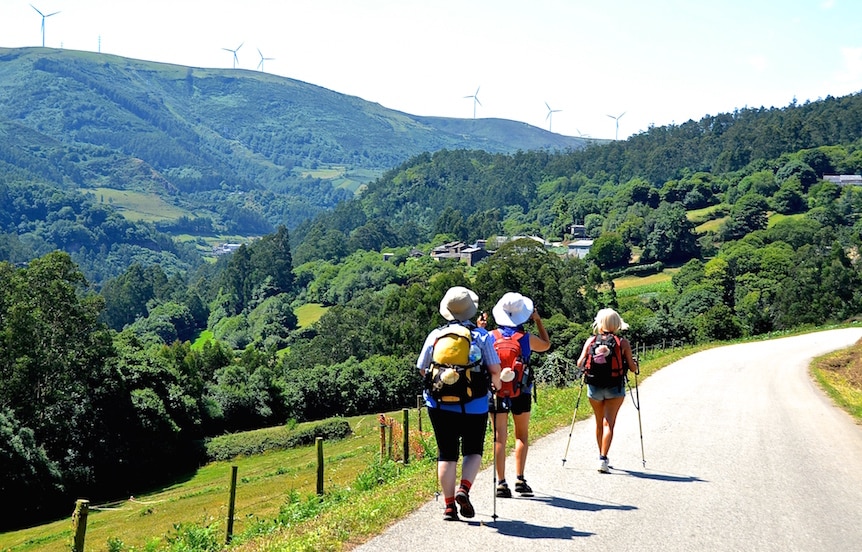
While some travellers imagine covering huge distances every day, experienced pilgrims often recommend a much more balanced approach. Most walkers complete between 20 and 25 kilometres per day, which is generally considered the ideal range for enjoying the experience without excessive fatigue.
More kilometres does not always mean a better Camino
Many first-time pilgrims arrive motivated and full of energy.
The temptation to walk 30 or even 35 kilometres a day can be strong, especially during the first stages.
However, this is often when problems begin.
Blisters.
Muscle fatigue.
Knee pain.
Exhaustion.
According to several Camino guides, injuries frequently appear when pilgrims push themselves beyond their limits for several consecutive days.
The Camino is not a race.
The goal is not to arrive as quickly as possible.
The goal is to enjoy the journey.
Your route matters
Not all Camino routes are the same.
A relatively flat section of the Camino Francés allows pilgrims to cover longer distances more comfortably.
Meanwhile, mountain routes such as the Camino Primitivo often require shorter stages because of steep climbs and demanding terrain.
Weather conditions can also play a major role.
Walking 25 kilometres under a cool spring sky is very different from covering the same distance during a heatwave.
Beginners should start slowly
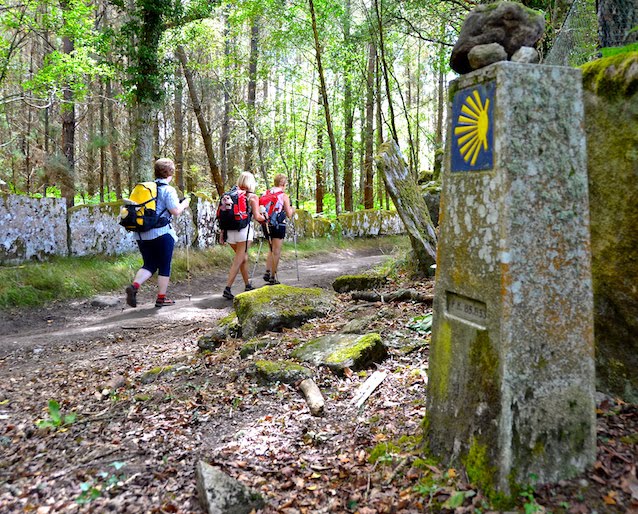
Many Camino experts recommend beginning with stages of around 15 to 20 kilometres during the first few days. This allows the body to adapt gradually to the physical demands of daily walking.
After a few stages, most pilgrims naturally find their rhythm.
Some prefer shorter days with more time to explore villages, churches and local gastronomy.
Others enjoy longer stages and bigger challenges.
There is no perfect formula.
The Camino is measured in experiences, not kilometres
One of the most beautiful aspects of the Camino de Santiago is that every pilgrim walks at a different pace.
Some stop for long conversations.
Some spend hours taking photographs.
Others enjoy sitting in village squares with fellow pilgrims.
The most memorable moments rarely come from reaching a specific distance target.
They come from unexpected encounters, shared meals, stunning landscapes and the stories collected along the way.
Listen to your body
If there is one golden rule for planning your daily stages, it is this:
Listen to your body.
A shorter stage today may allow you to enjoy the next week far more than forcing yourself through an exhausting day.
The Camino rewards patience.
And in many cases, the pilgrims who enjoy it most are not those who walk the furthest.
They are the ones who find a rhythm that allows them to fully experience the journey.
Because on the Camino de Santiago, the most important thing is not how many kilometres you walk.
It is everything that happens between them. 🥾🌍✨