History of Kadesh
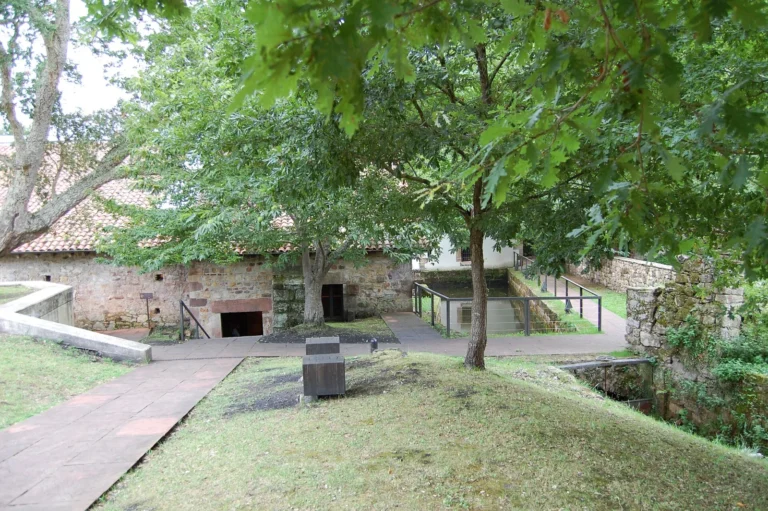
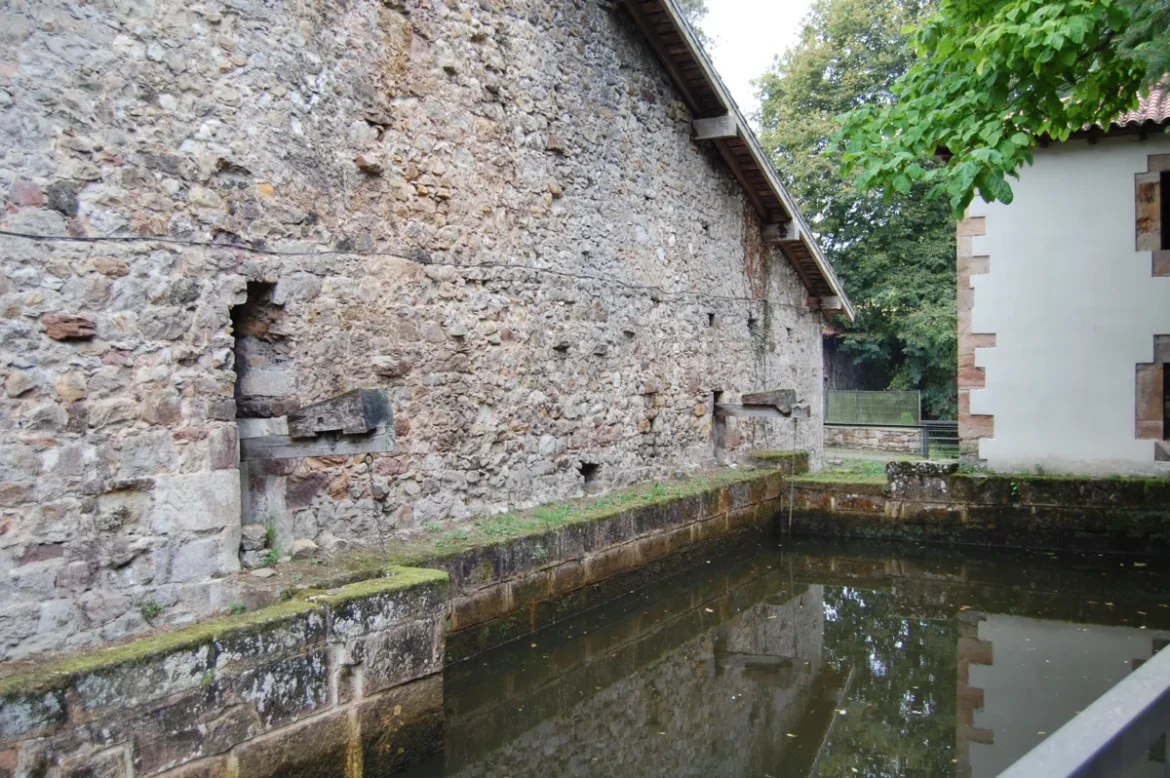
Cades belongs to the municipality of Herrerías and is one of the most representative places in the history of hydraulic use of the Nansa valley. Its main heritage complex is the Cades Ironworks, built in the 18th century and completed in 1752 at the initiative of Antonio de Rábago. It was not an isolated building: the complex included an emblazoned main house, a bread factory and flour mills, reflecting a rural exploitation that combined different productive activities.
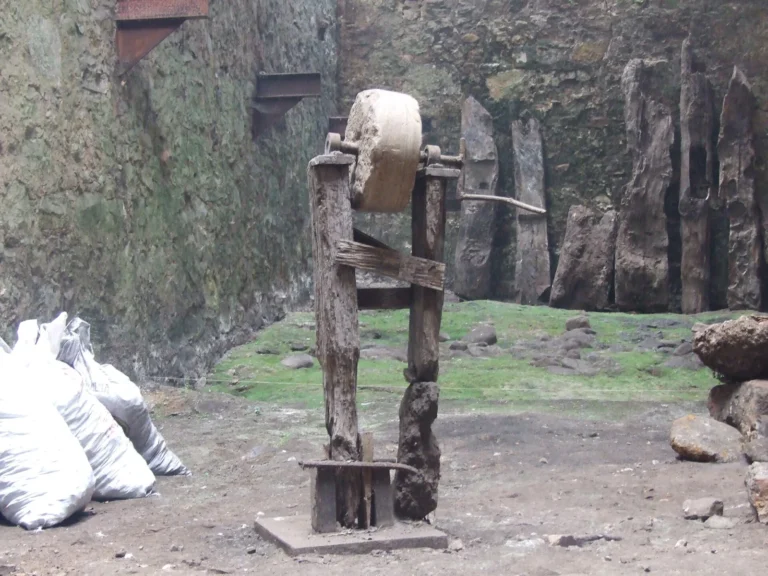
The foundry transformed iron ore using the energy of water. Hydraulic mechanisms moved the bellows that fueled the furnace and the mallet that worked the metal mass on the anvil. The installation shows how the force of the rivers allowed trades and industries to develop before contemporary mechanization. The restored complex offers a particularly clear way of understanding that industrial and agricultural past.
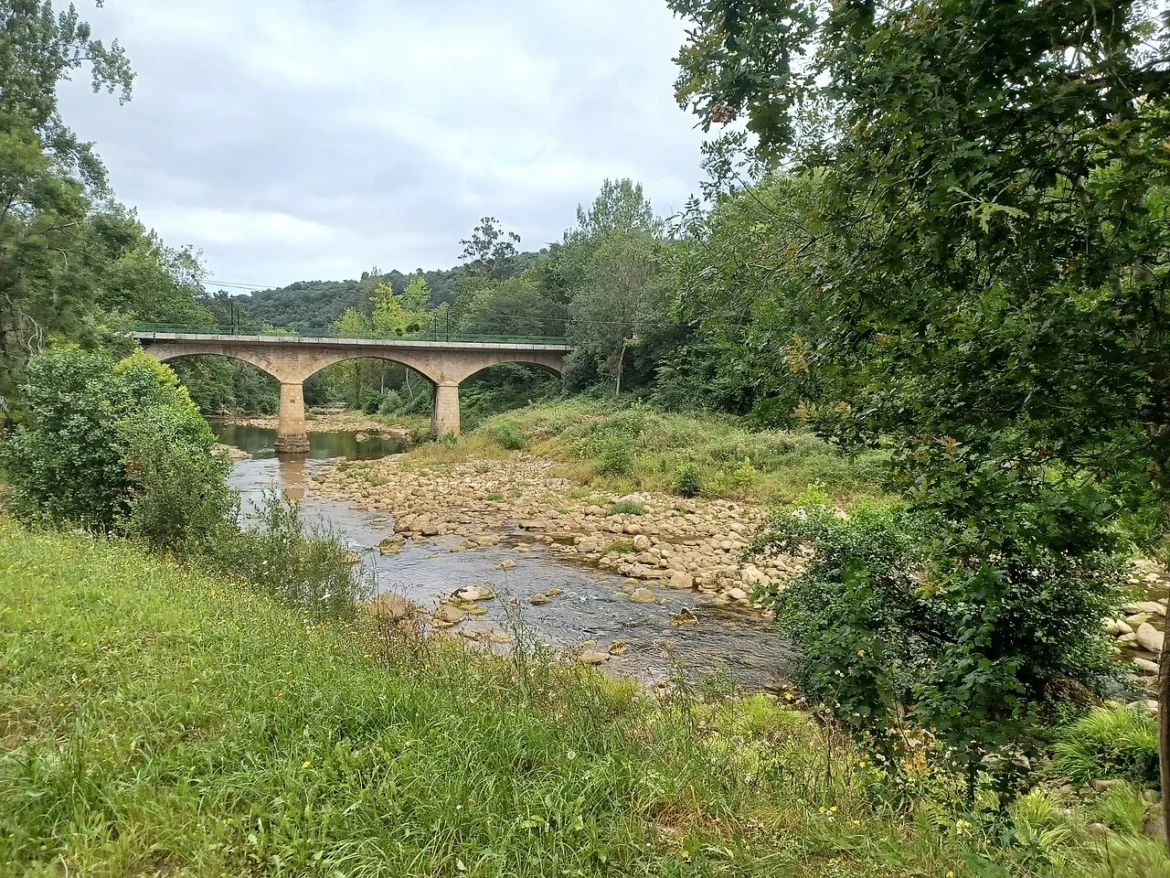
Cades also preserves architectural references such as the church of San Juan Bautista and old stately homes. Its history thus links peasant activities, iron work and communications along the Nansa. Today is the usual end of the first stage of the Camino Lebaniego from San Vicente de la Barquera and the departure point towards Lamasón, Peñarrubia and the interior mountains.
Sources: Herrerías City Council, Artistic Heritage (aytoherrerias.es/municipio/historia-del-municipio/patrimonio-artistico/); Nansa Valley, heritage documentation (valledelnansa.org).