San Vicente de la BarqueraBeginning of the Lebaniego Trail and its heritage
San Vicente de la Barquera: history, heritage, monuments and departure of the first stage of the Camino Lebaniego towards Cades.
Lebaniego Road
3,989 inhabitants
Stage 1 of the route
Map of San Vicente de la Barquera on the Camino Lebaniego
Tour the town, its points of interest and its connection with the route.
Loading map…
History of San Vicente de la Barquera
San Vicente de la Barquera preserves a history closely linked to the sea, commerce and pilgrimage routes. Although the settlement of this enclave dates back to earlier times, the great boost to the medieval town came with the jurisdiction granted by Alfonso VIII in 1210. From then on it established itself as one of the Four Towns of the Costa de la Mar of Castile, along with Santander, Laredo and Castro Urdiales. Its port participated in the commercial and fishing networks of the Cantabrian and Atlantic seas.
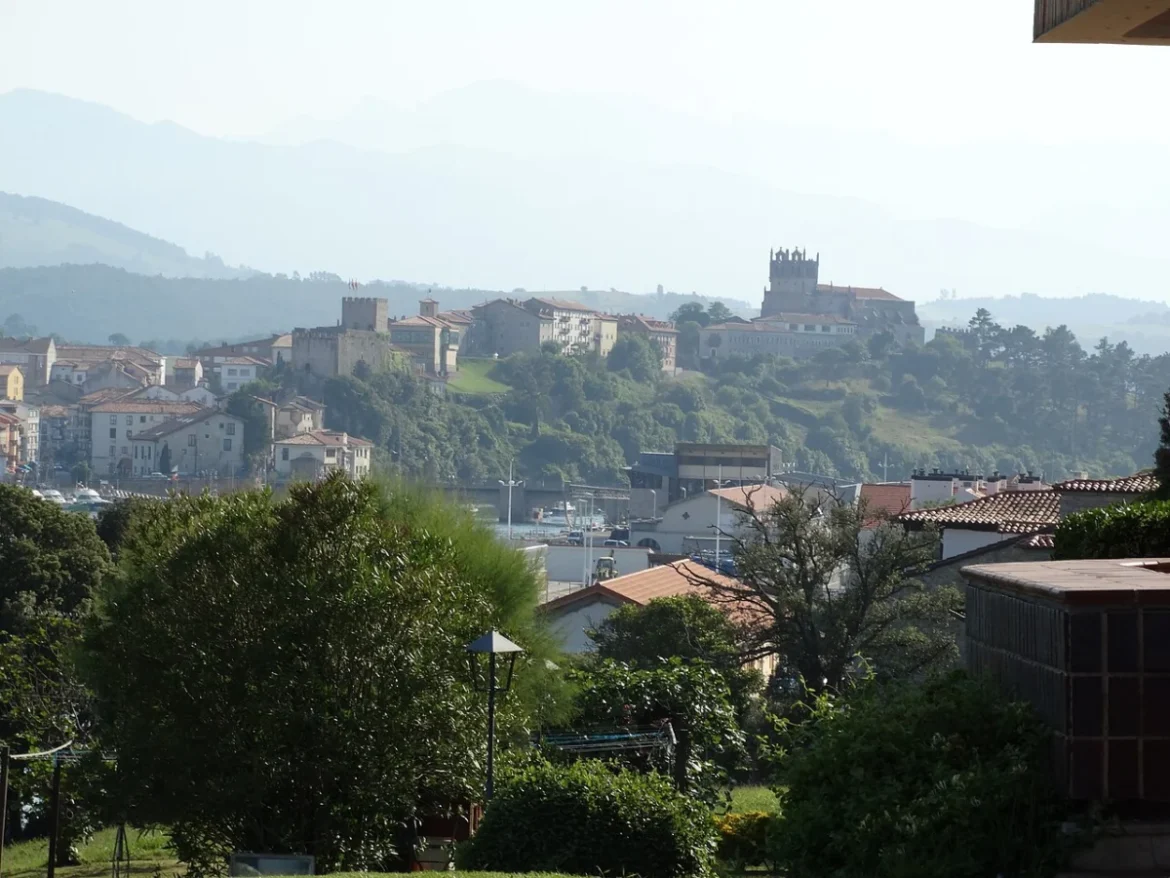
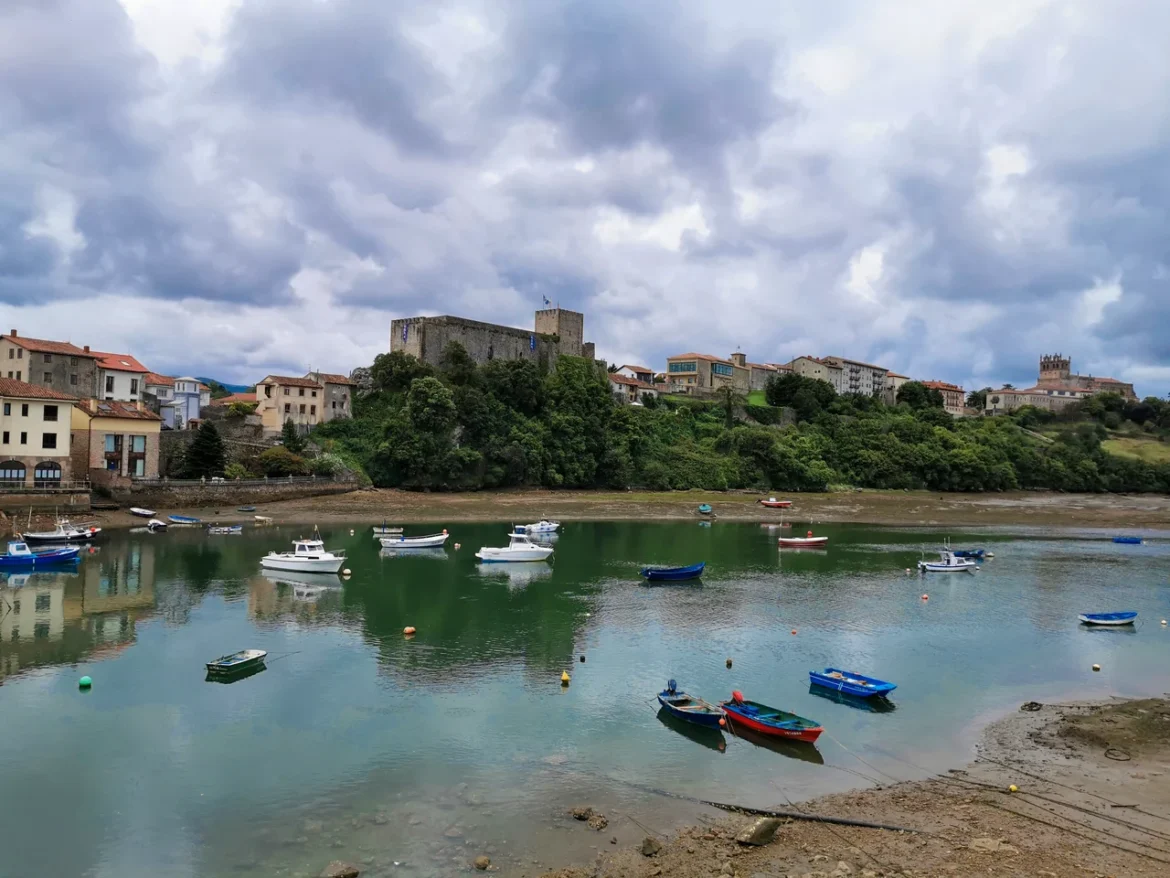
The King's Castle, the wall and the Gothic church of Santa María de los Ángeles remember that period of prosperity and the defensive importance of Puebla Vieja. In the vicinity of the church, vestiges of the old Concepción hospital are preserved, linked to welcoming travelers and pilgrims. The Maza bridge and the estuaries also explain the importance of controlling land access to a town that lived off the sea.
In 1517 the future Emperor Charles V passed through San Vicente, an event that remains in local historical memory. The epidemics and fires of later centuries affected the ancient prosperity. Today the town unites its two pilgrim traditions: the Camino del Norte, directed to Santiago, and the Camino Lebaniego, which starts towards Santo Toribio de Liébana.
Sources: San Vicente de la Barquera City Council (turismo.aytosanvicentedelabarquera.es/historia/); municipal tourism (sanvicentedelabarquera.es/san-vicente-de-la-barquera/).
In Puebla Vieja: Nómada Hostel (Calle Alta, 12; telephone 623 295 526), accommodation with shared bedrooms and direct booking. It has a seasonal opening calendar; confirm availability and rates for the corresponding season. Also check out other accommodations in San Vicente for the night before leaving the Camino Lebaniego.
Municipal Tourism Office, Plaza del Cantón s/n: 942 710 797 Health center: 942 712 450 Bus station: 942 710 833 Pharmacies, food and restaurants Emergencies: 112
San Vicente de la Barquera on the Lebaniego Road
San Vicente de la Barquera is the starting point of the Camino Lebaniego. From its historic center begins a route that leaves the Cantabrian Sea to cross the valleys and mountains of Cantabria to the monastery of Santo Toribio de Liébana.
A historic town next to the Cantabrian Sea
The church of Santa María de los Ángeles dominates the upper part of San Vicente and allows us to understand the value of its old walled enclosure. Next to it, the traces of the pilgrim tradition are preserved, such as the remains of the Concepción hospital. The town also has the King's Castle, Puebla Vieja and the Maza Bridge.
Among the notable buildings is also the old convent of San Luis, related to the stay of Charles V in 1517 during his first trip to Castile. The historic center is worth a visit before starting to walk.
How the Lebaniego Way begins
The route starts from around Santa María de los Ángeles towards La Acebosa, Hortigal, Estrada and Serdio. In this first area it runs through the same environment as the Camino del Norte. The pilgrim will find an important separation in Muñorrodero: the route to Santiago follows yellow markings, while the Camino Lebaniego continues inland with red arrows and the cross.
In the first stage of the Viva RTV Guide You can consult the 28.5 kilometer route to Cades, the passage through the Nansa and the main precautions of the day.
What to see before leaving
Church of Santa María de los Ángeles and its medieval surroundings.
Castle of the King and streets of Puebla Vieja.
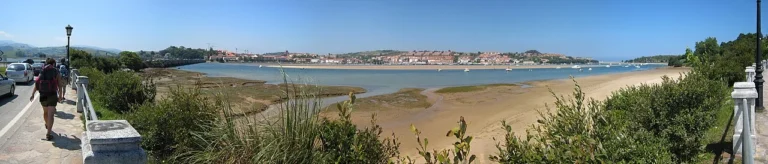
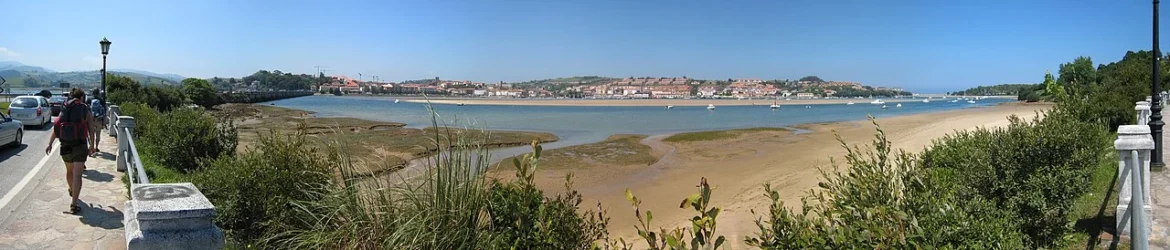
Puente de la Maza and views of the estuary.
Remains of the Concepción hospital, associated with the historical hospitality of the Camino.
Convent of San Luis and other buildings linked to the seafaring history of the town.
Accommodations, services and preparation
San Vicente has a range of accommodation, restaurants, shops and tourist services. However, anyone who wants to sleep in a pilgrim hostel should check the access conditions and make a reservation if the establishment requires it. The first official stage is long: it is advisable to study the route, check the weather and decide if you will walk to Cades or make an intermediate stop.
To organize the departure, the Municipal Tourism Office is available at the Casona del Cantón (Plaza del Cantón, s/n), telephone 942 710 797. He municipal tourist portal offers visitor service information. If you need accommodation, Nomada Hostel, on Alta Street, publishes the telephone number 623 29 55 26; confirm opening, price and availability before moving.
In the center there are restaurants, cafes and food stores. He municipal hospitality directory allows you to locate establishments; It is advisable to check their schedules, especially outside of summer.
Starting early to get to know San Vicente allows you to understand the seafaring and pilgrim history of the Camino Lebaniego from the first day.
Where to eat
In the villa there are options for seafood cuisine and traditional restoration. Check schedules and prices before you go.
In the church of Our Lady of the Angels you can get the official document of the Camino Lebaniego before leaving. The information consulted publishes daily service from 9:00 a.m. to 9:30 p.m.; phone 942 710 026. Check the schedule, especially if you arrive late. Official information about the new 2026 credential.
Before leaving: credential
Pick up the new official credential of the Camino Lebaniego at the church of Santa María de los Ángeles (km 0). The information consulted publishes daily service from 9:00 a.m. to 9:30 p.m., telephone 942 710 026, with a night alternative in Ciao Pescao. Check current conditions and schedules.
Legal information and sources
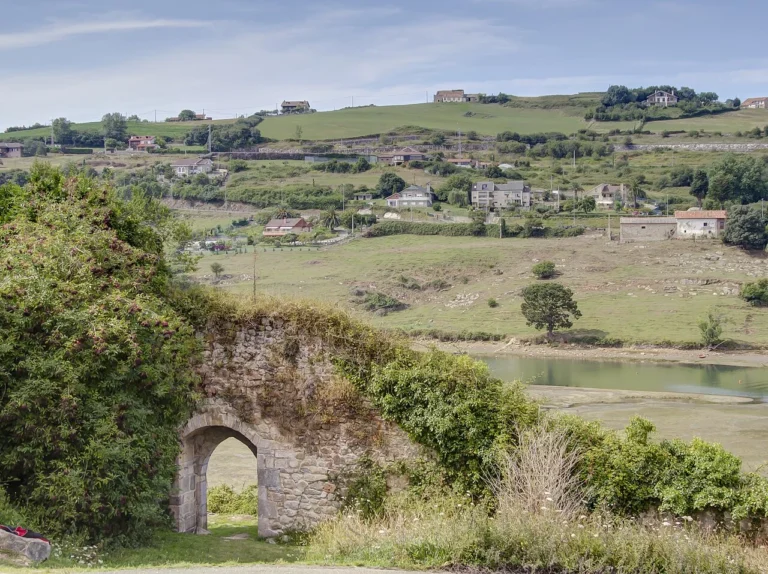
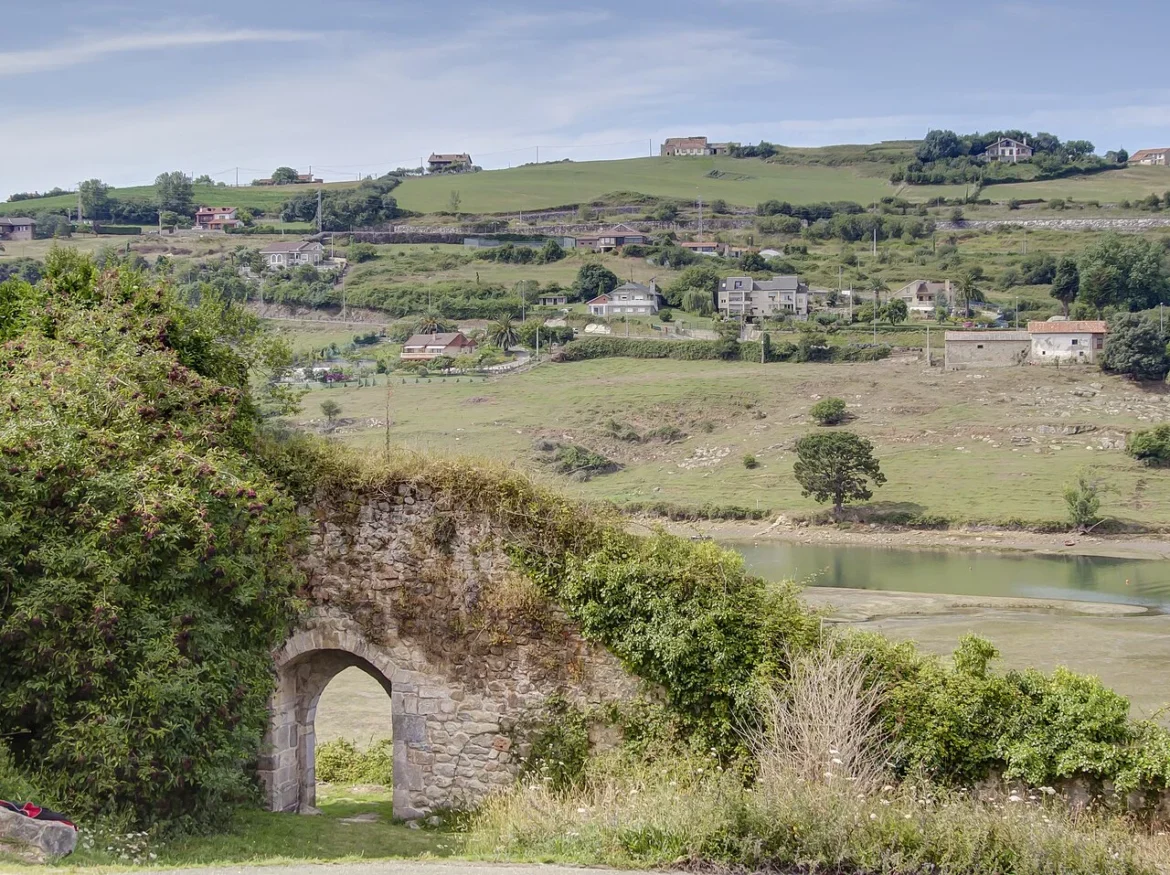
Photographs of San Vicente and the beginning of the Camino Lebaniego, Simon Burchell, original collection, CC BY-SA 4.0 license. Adaptation and resizing for the web.
To offer the best experiences, we use technologies such as cookies to store and/or access device information. Consent to these technologies will allow us to process data such as browsing behavior or unique IDs on this site. Failure to consent, or withdrawal of consent, may adversely affect certain features and functions.
Functional
Always active
Storage or technical access is strictly necessary for the legitimate purpose of allowing the use of a specific service explicitly requested by the subscriber or user, or for the sole purpose of carrying out the transmission of a communication over an electronic communications network.
Preferences
Technical storage or access is necessary for the legitimate purpose of storing preferences not requested by the subscriber or user.
Statistics
Storage or technical access that is used exclusively for statistical purposes.Storage or technical access that is used exclusively for anonymous statistical purposes. Without a requirement, voluntary compliance by your Internet service provider, or additional records from a third party, information stored or retrieved solely for this purpose cannot be used to identify you.
Marketing
Storage or technical access is necessary to create user profiles to send advertising, or to track the user on a website or several websites for similar marketing purposes.