History
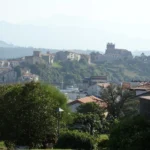
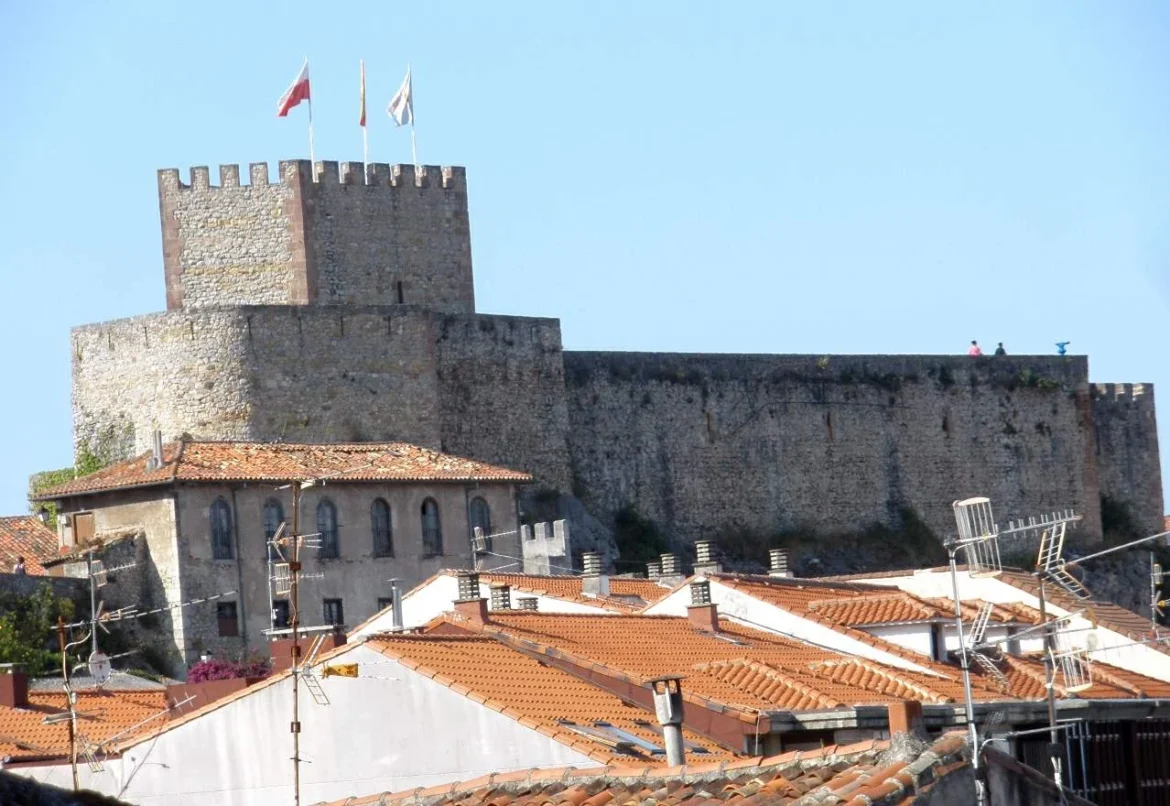
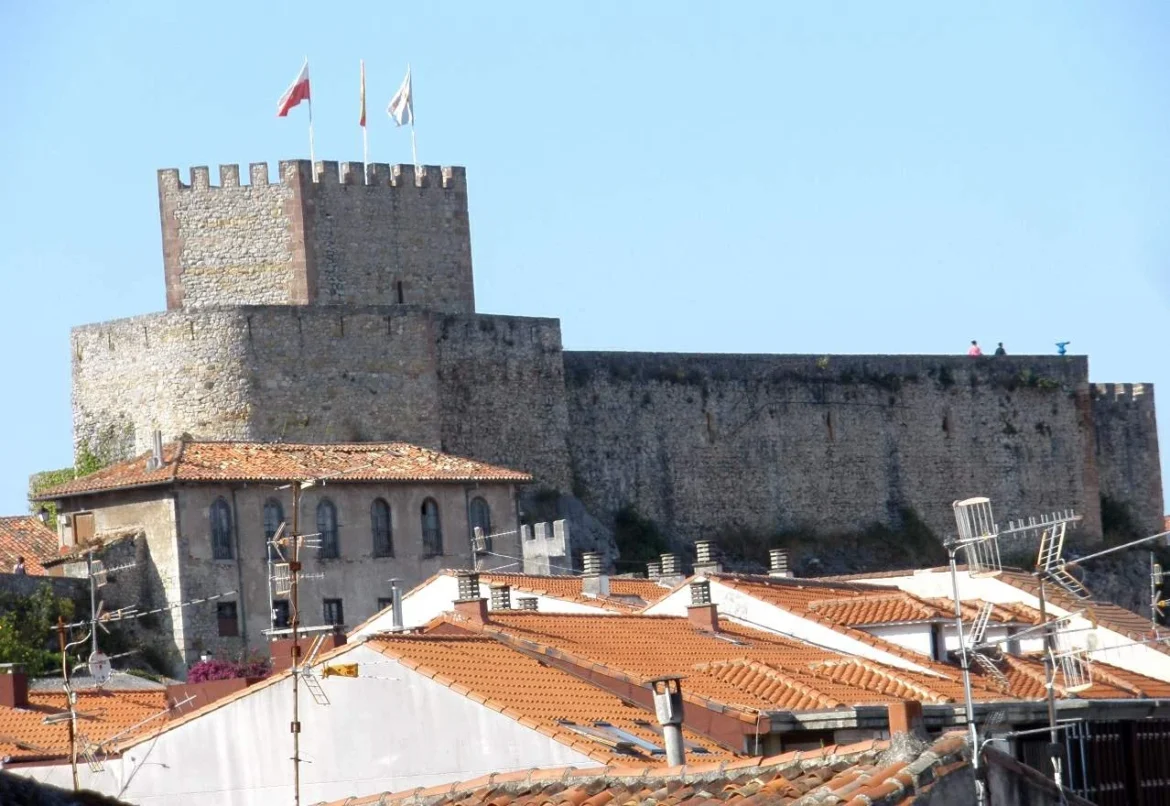
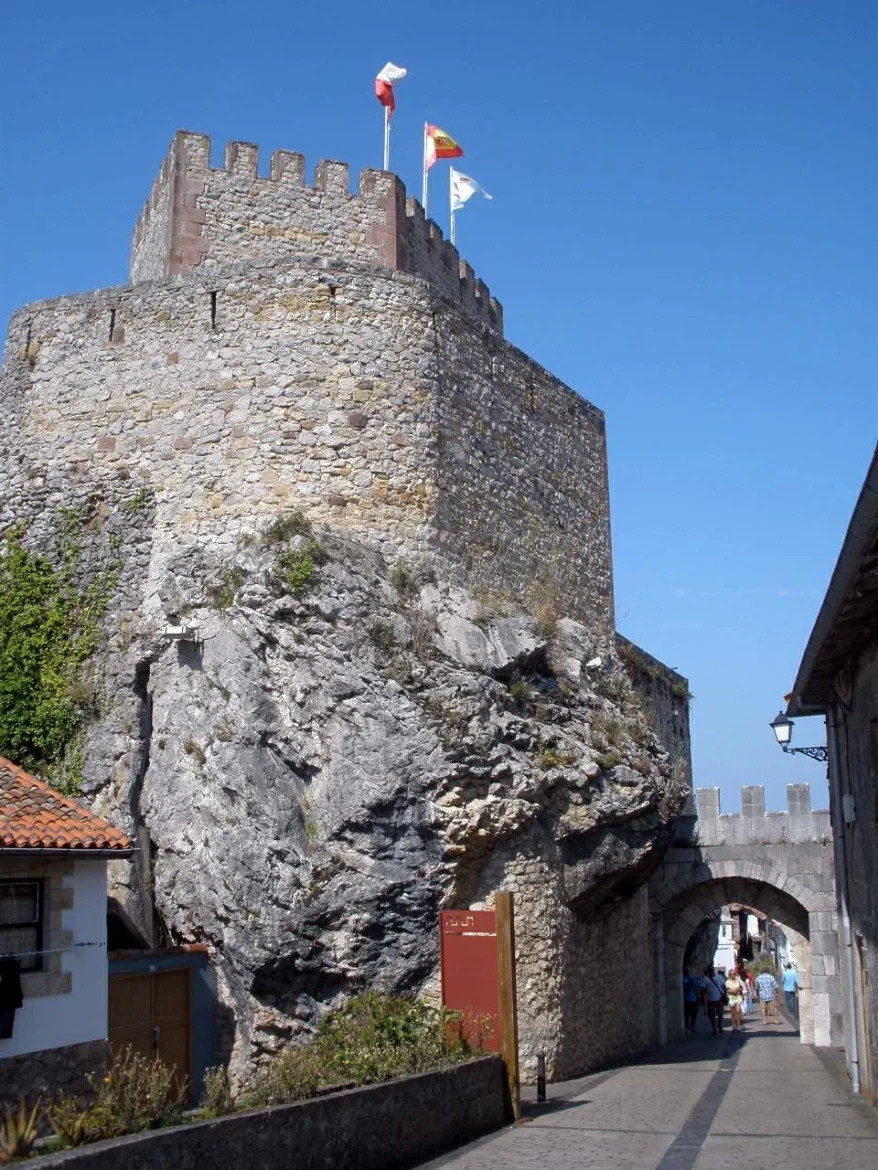
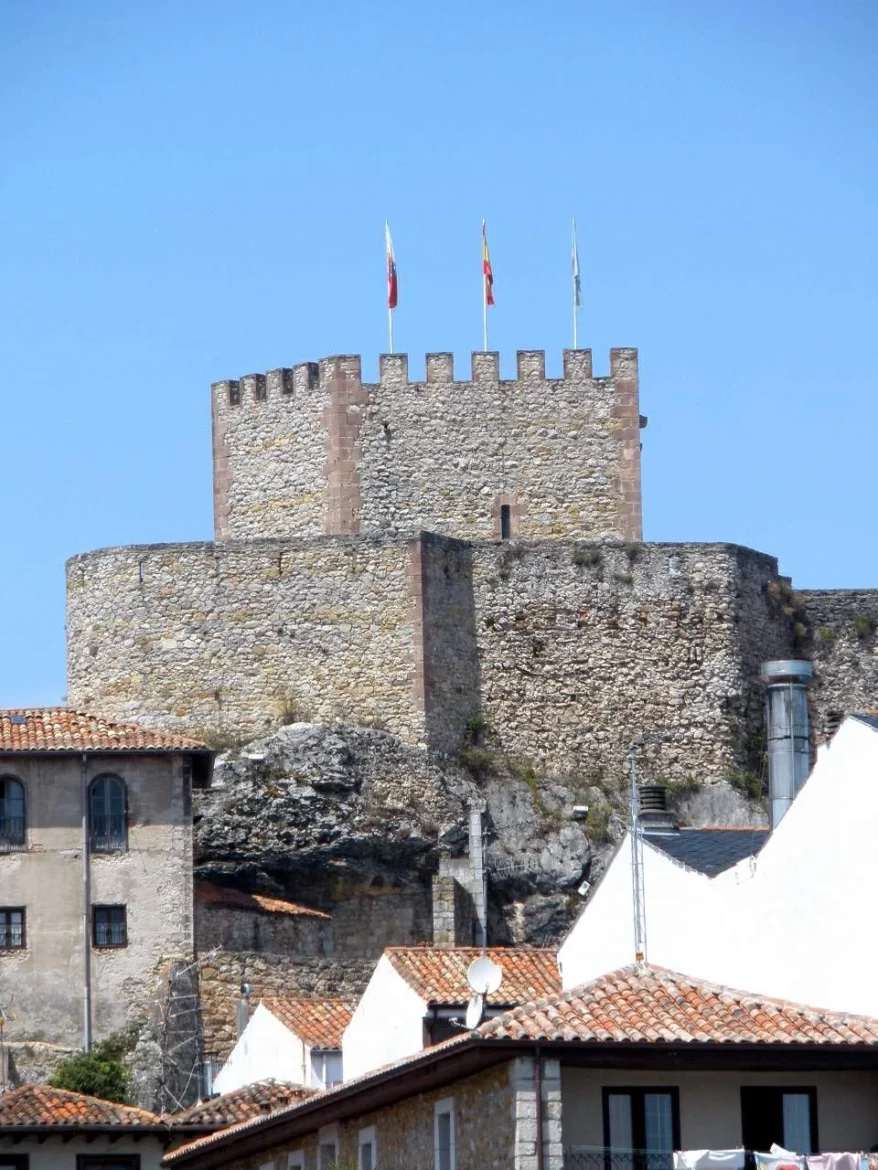
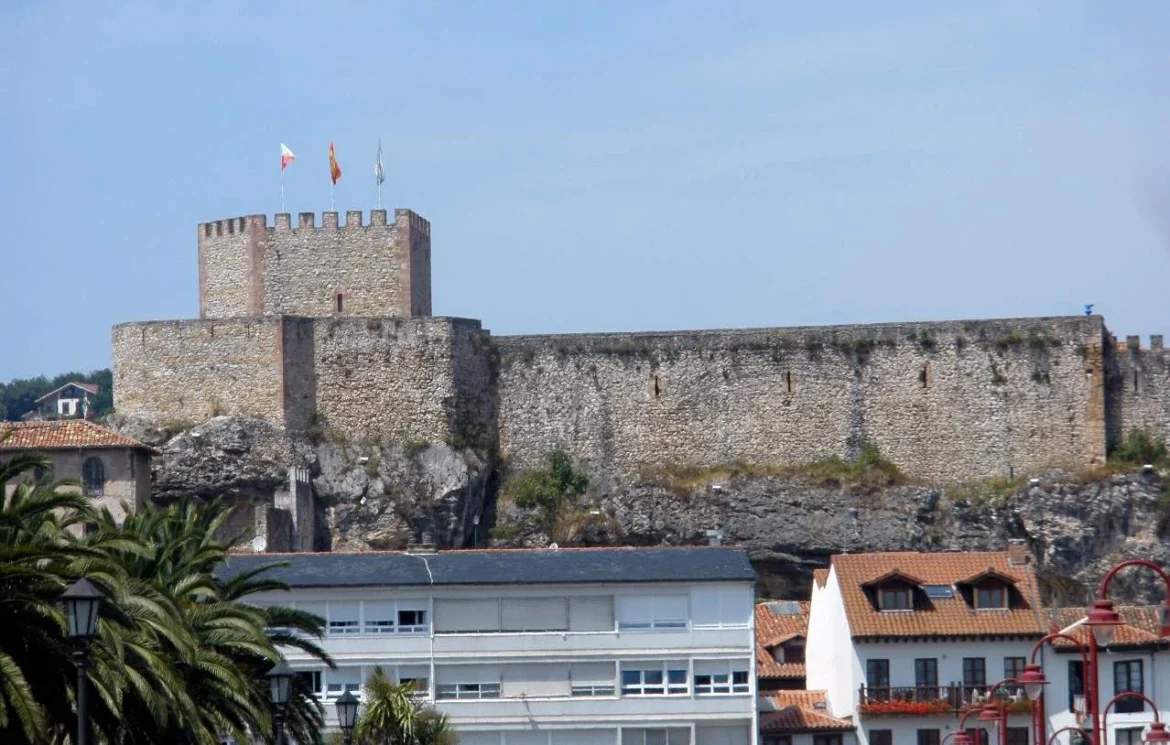
The King's Castle stands on the promontory overlooking San Vicente de la Barquera and its estuaries. It was a fundamental piece to defend the port, the access to Puebla Vieja and the communications between the coast and the interior. It was not an isolated fortress: it was part of the walled area of the town.
Local tradition places a primitive fortification in the times of Alfonso I of Asturias, in the 8th century. This attribution should not be confused with the date of the current walls. The town's great boost came in 1210, when Alfonso VIII of Castile granted it jurisdiction, which favored its urban, maritime and commercial growth. Most of the preserved defenses correspond to later phases, from the 13th century.
The Spanish Association of Friends of Castles documents references to the fortress since 1331, its connection with the Crown in 1379 and a reconstruction during the times of the Catholic Monarchs. The building is, therefore, the result of different stages and transformations, not a single campaign of works. The castle shows how Saint Vincent protected its commercial interests and its access to the sea.
The plan of the castle is elongated and adapts to the rocky terrain. Masonry and ashlar were used, with very thick walls. The file from the Spanish Association of Friends of Castles describes a pentagonal western body, a small tower to the east and a large vaulted hall in the center, with elements dated between the 14th and 15th centuries.
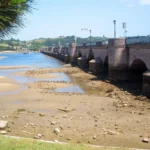
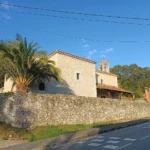
To understand its value it is also necessary to look at the remains of the wall, the historical entrances and the church of Santa María de los Ángeles. La Puebla Vieja concentrated defensive, religious and civil buildings that explain the medieval development of the population. From its height you can see the port, the estuary, the Puente de la Maza and the marshes.
At the end of the 20th century, a major rehabilitation was undertaken, with works documented between 1990 and 1993. It was later recovered for cultural activities and exhibitions related to the history and nature of the municipality. Access to the interior and elevated areas depends on the venue's opening hours.