
59-year-old collapses in O Milladoiro just before reaching the city
A 59-year-old British pilgrim has died after suffering a sudden medical emergency while walking the final stretch of the Camino de Santiago, just a few kilometers from Santiago de Compostela.
The incident occurred on Friday afternoon, between 2:30 pm and 3:00 pm, in the town of O Milladoiro, a key access point to Santiago on the final stage of the Camino Portugués. The man was walking along Rúa do Veado, near the Noia highway exit, when he began to feel unwell and collapsed.
Sudden collapse in the final stage of the Camino
According to initial reports, the pilgrim experienced a sudden indisposition while walking toward Santiago. Witnesses in the area quickly alerted emergency services after seeing him fall in the street.
Police and medical teams were dispatched to the scene within minutes. Despite their efforts, they were unable to revive him.
The exact cause of death has not been officially confirmed, but early indications suggest a possible cardiac-related incident.
A critical moment: the last kilometers before Santiago
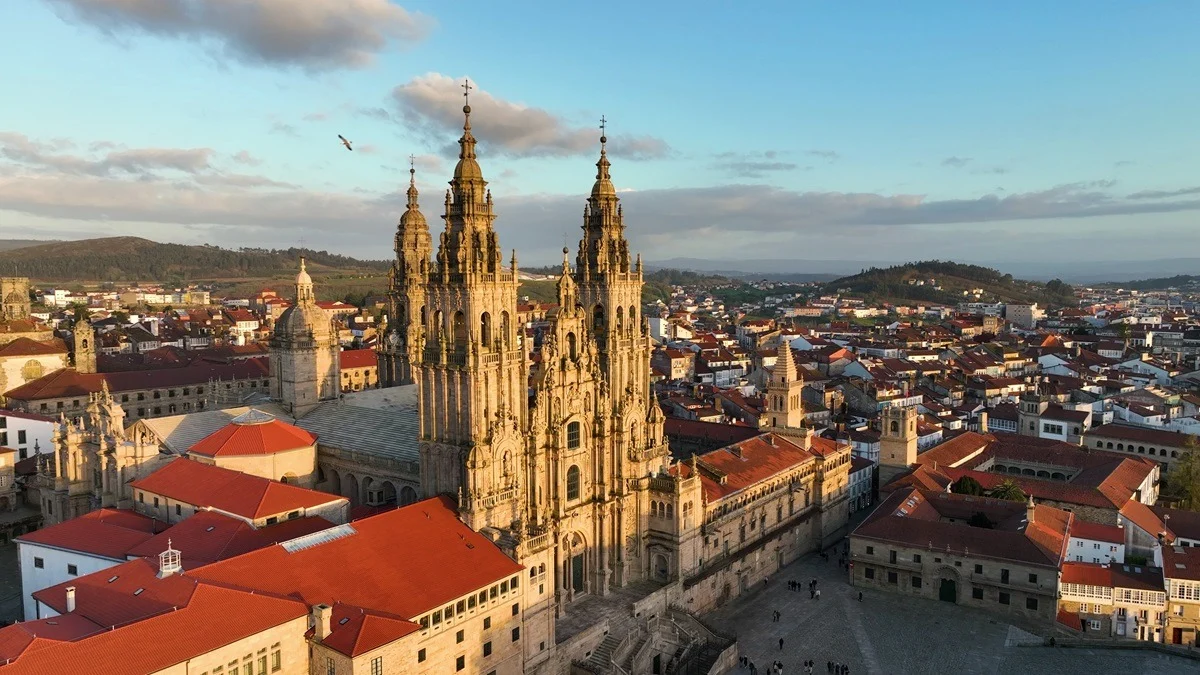
The location of the incident highlights one of the most symbolic yet physically demanding moments of the Camino de Santiago: the final approach to Santiago.
After days or even weeks of continuous walking, many pilgrims reach this stage with accumulated fatigue. While emotions run high due to the proximity of the destination, the body is often under significant physical stress.
O Milladoiro is one of the busiest entry points into Santiago, especially for those arriving via the Portuguese Way. Hundreds of pilgrims pass through this area daily, making it a crucial part of the final journey.
The Camino: emotional journey and physical challenge
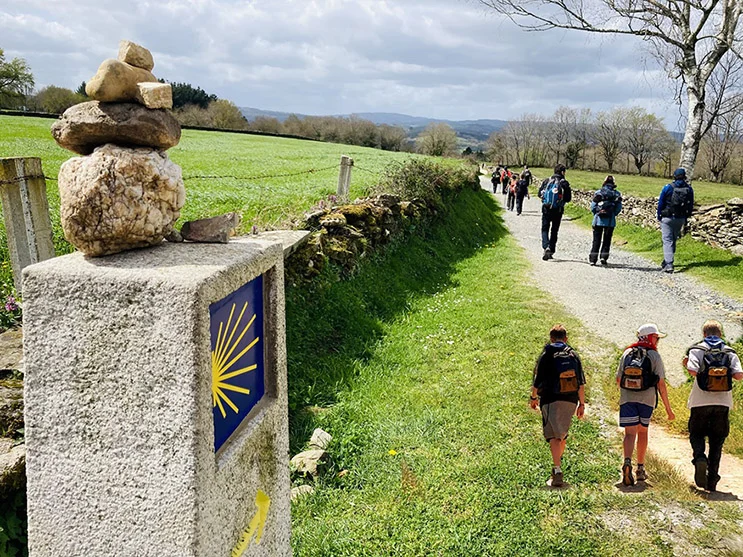
The Camino de Santiago is widely known for its cultural and spiritual significance, but it is also a physically demanding experience.
Pilgrims often walk long distances day after day, facing changing weather conditions, dehydration, and physical exhaustion. These factors can increase health risks, particularly for older individuals or those with underlying conditions.
Experts recommend:
- Proper physical preparation before starting the Camino
- Staying well hydrated
- Adjusting daily distances based on personal condition
- Seeking medical advice if needed
The Camino is not a race, and each pilgrim should approach it according to their own limits.
An increasingly international pilgrimage
The deceased pilgrim’s British nationality reflects the global appeal of the Camino de Santiago. Each year, thousands of international visitors—especially from the UK, Germany, and the United States—travel to Spain to walk the route.
This growing international presence has transformed the Camino into one of Europe’s leading destinations for cultural and active tourism.
However, it also highlights the importance of clear information regarding safety, health, and preparation.
Emergency response: fast but not always enough
The Camino routes, particularly near urban areas like Santiago, are generally well covered by emergency services. In this case, the response was rapid.
However, in situations involving cardiac arrest or severe medical events, even immediate intervention may not be sufficient.
Such incidents, although relatively rare, serve as a reminder of the risks associated with prolonged physical effort.
Impact on fellow pilgrims and locals
The incident has had a strong emotional impact on those who witnessed it. Pilgrims walking nearby and local residents in O Milladoiro were confronted with an unexpected and tragic situation.
The final stage of the Camino is usually filled with anticipation and excitement. Events like this bring a moment of reflection to what is typically a celebratory part of the journey.
A reminder of the Camino’s reality
While the Camino de Santiago is often associated with personal growth, discovery, and achievement, it also requires responsibility and awareness.
Walking hundreds of kilometers is a significant physical undertaking. Preparation and caution are essential to ensure a safe experience.
Conclusion: reaching Santiago safely matters most
The death of this pilgrim highlights the importance of approaching the Camino with care.
Beyond the spiritual and emotional aspects, it is crucial to recognize the physical demands involved. Completing the journey safely should always be the priority.
The Camino de Santiago remains a powerful experience—but one that must be undertaken with respect for both its beauty and its challenges.