History of Cabanzón
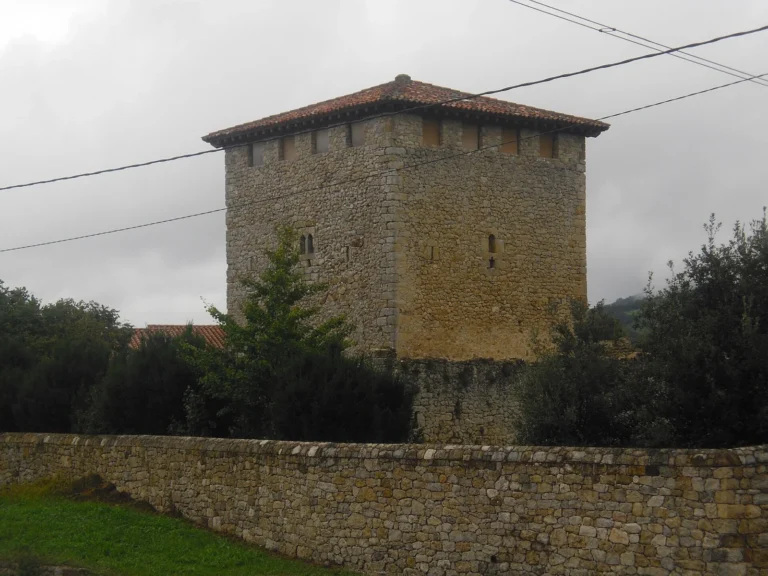
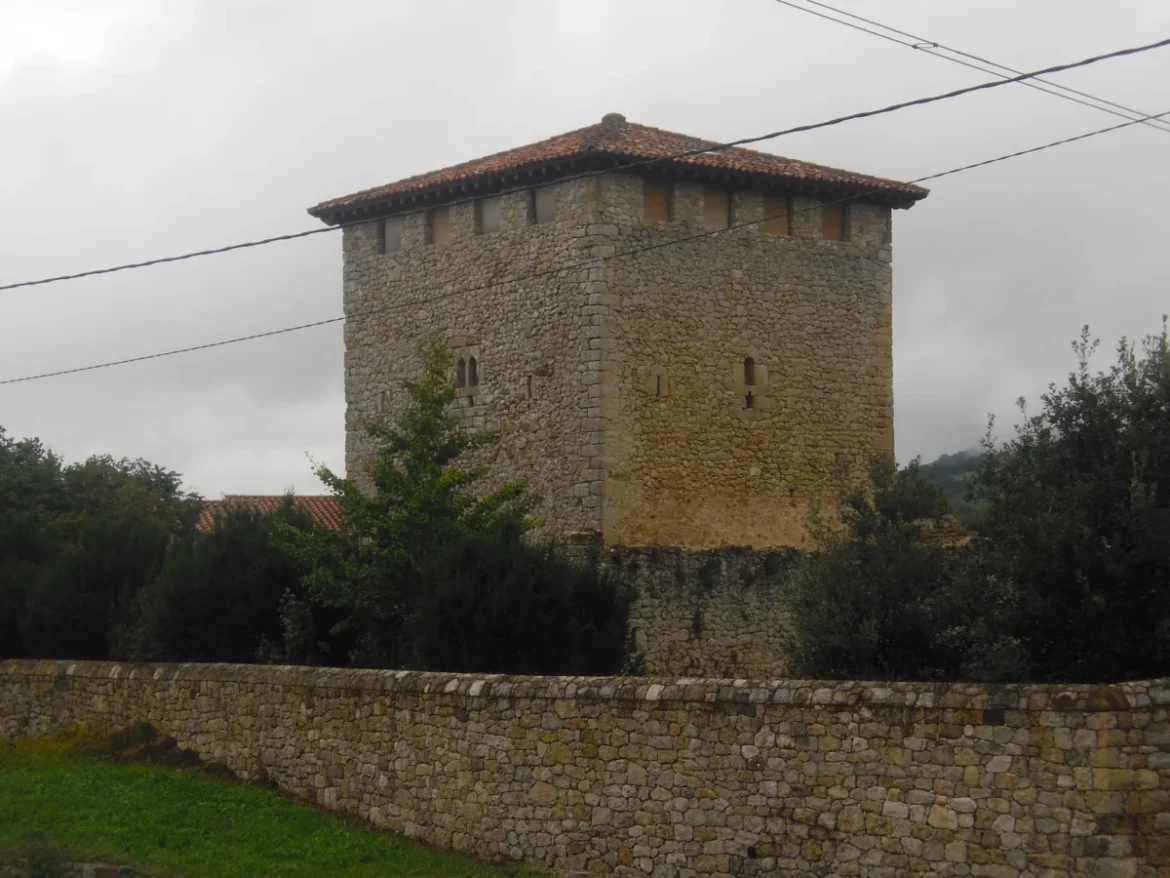
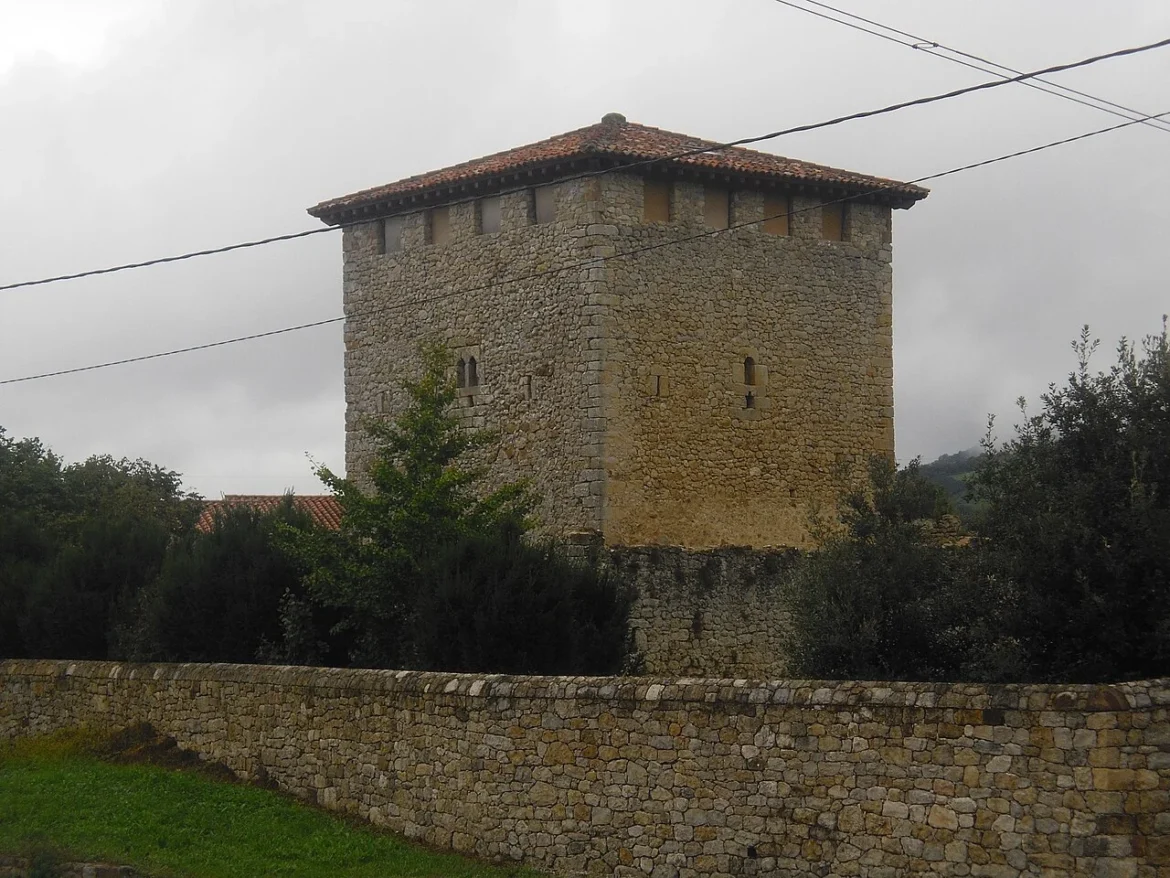
Cabanzón, in the municipality of Herrerías, preserves one of the most important testimonies of the medieval stately architecture of the Nansa valley. Its stone tower, surrounded by a defensive fence, was part of a landscape of fortifications and strong houses linked to the control and representation of territorial power. The Herrerías City Council places this construction within a network of towers that includes other enclaves in western Cantabria, such as Obeso, Celis and Estrada.
The Cabanzón tower was declared a Site of Cultural Interest in 1992. Its presence reminds us that rural roads not only served farmers and merchants: they were also strategic spaces in which noble families organized their properties. The environment also preserves samples of traditional civil architecture. Next to the church is the well-known Encinona, a unique tree that is part of the local identity.
The town is integrated into the historical communications of the valley. In its surroundings, the Tortorio bridge, dated 1761, allows you to cross the Nansa towards Camijanes. For today's pilgrim, Cabanzón is a stop before Cades and an opportunity to recognize one of the most characteristic medieval architecture of this section of the Camino Lebaniego.
Sources: Herrerías City Council, Artistic Heritage (aytoherrerias.es/municipio/historia-del-municipio/patrimonio-artistico/); Ministry of Culture, Notes from the Lebaniego Way (cultura.gob.es/WEB-BLOG/etapas/apcl.html).