
What stories lie behind the music, the melody learned at home, or the dance shared at a party? The web series «A paso de muiñeira polo Camiño do Norte» proposes to respond by running through Galician towns on the Xacobean route. The project will be presented in Lourenzá on November 26, 2026, with the support of the Xunta de Galicia through the O Teu Xacobeo 2026 program.
An initiative, directed by Esther Benito and produced by Edicón Consultores, an audiovisual school to introduce music, dance, and oral tradition to audiences who may never have participated in any event. O Camiño serves as a meeting point between people, places and traditions, in a purpose that seeks to document that heritage and share it on screens.
Lourenzá, starting point for a cultural trip
The presentation brought together project managers and institutional representatives in Lourenzá. The territorial delegate of the Xunta in Lugo, Alfonso Villares, participated in the event and presented two formats designed to give visibility to Galician popular culture and the Camiño do Norte.
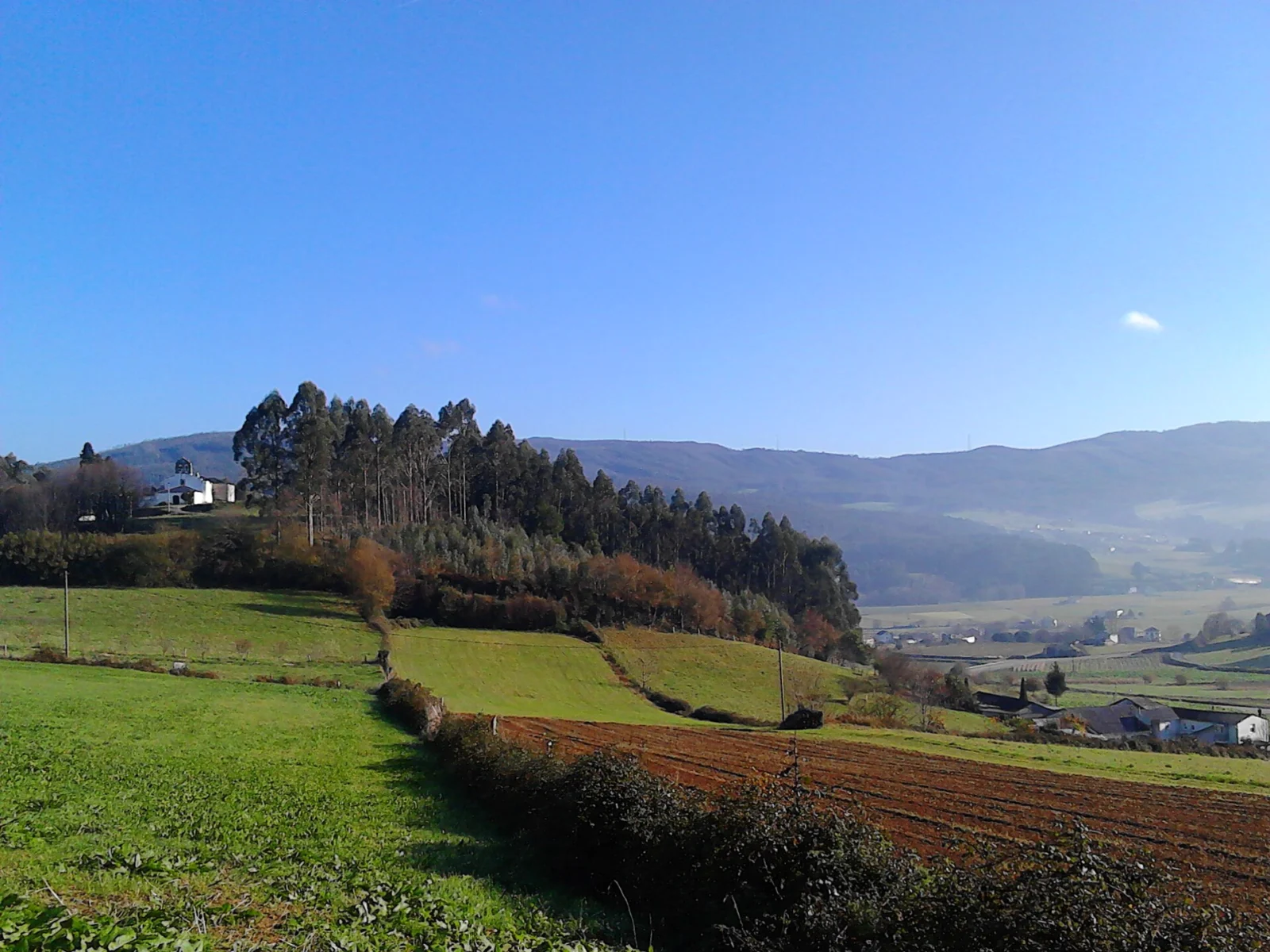
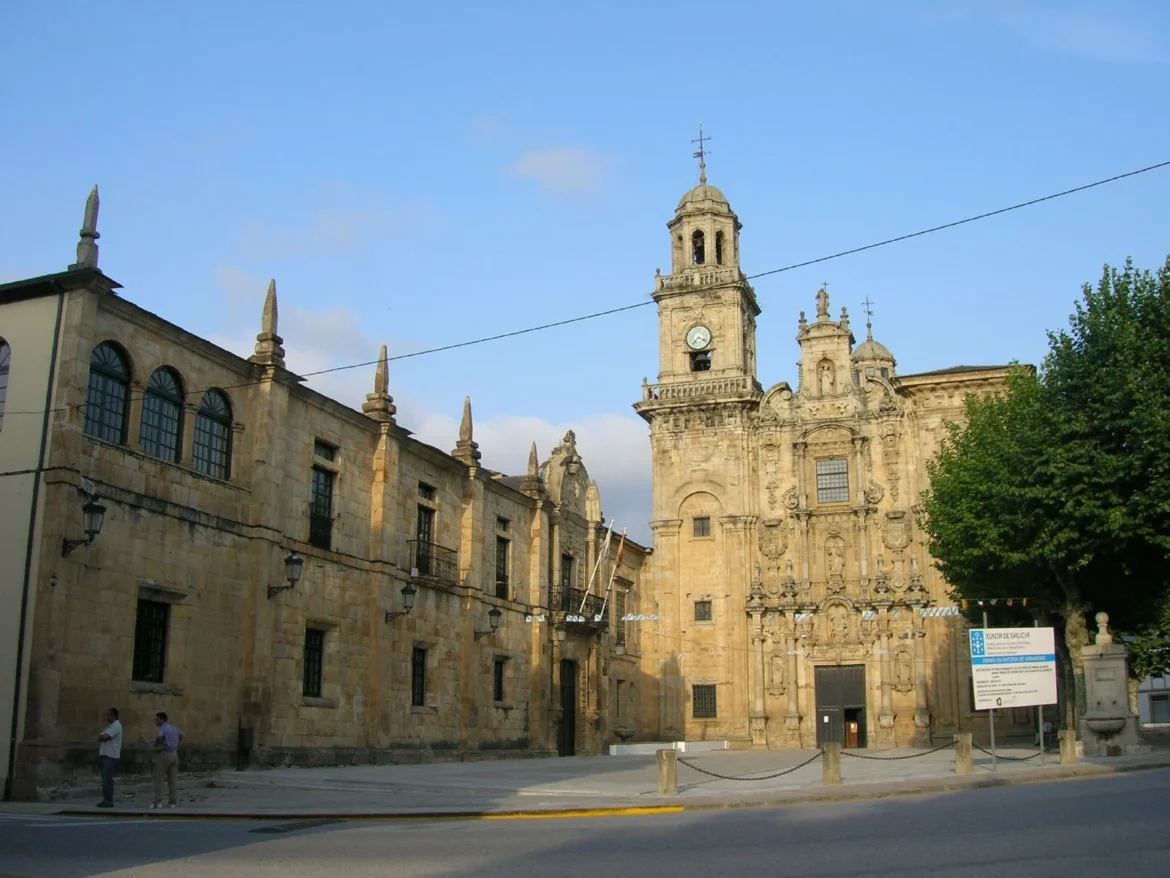
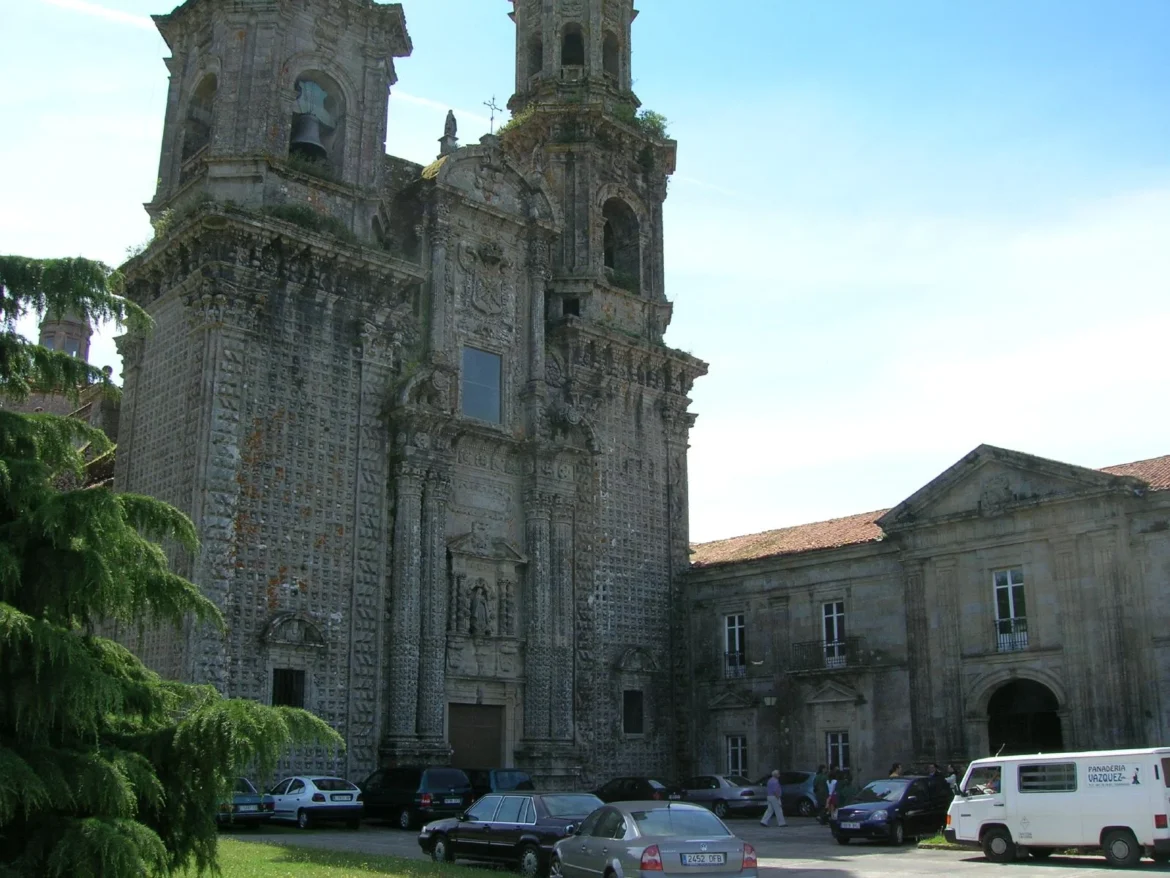
Lourenzá is one of the localities where new production stops. The town, designed by its historical heritage, is part of an itinerary that goes beyond two monuments: it also allows you to discover how communities preserve and transmit songs, rhythms and costumes.
The relationship between built heritage and pilgrim experience is also present in our RTV stories, as well as dedicated to Lugo and Mondoñedo and their subsequent historical stages.
Five locations to explore in memory of Camiño
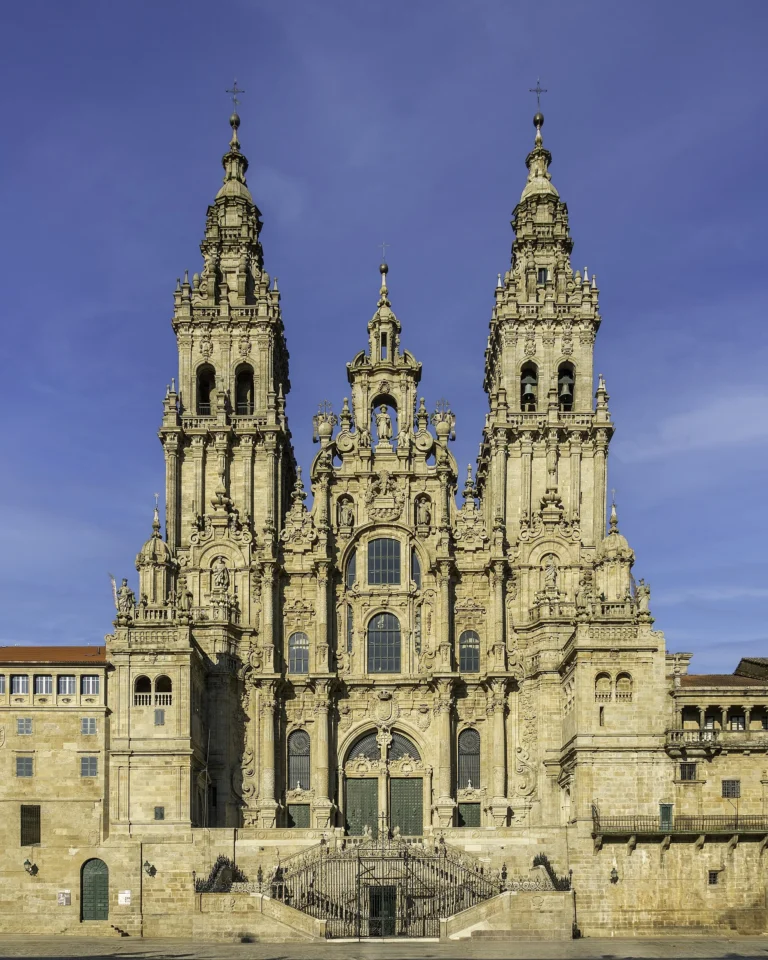
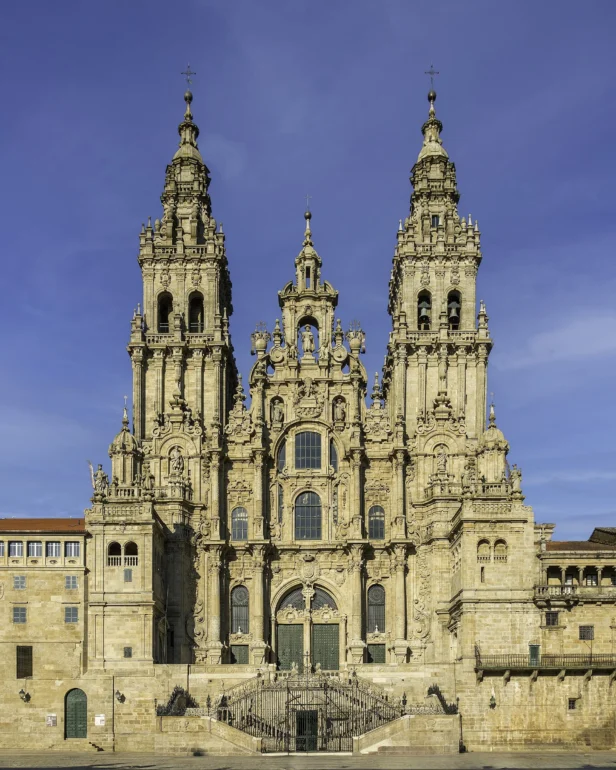
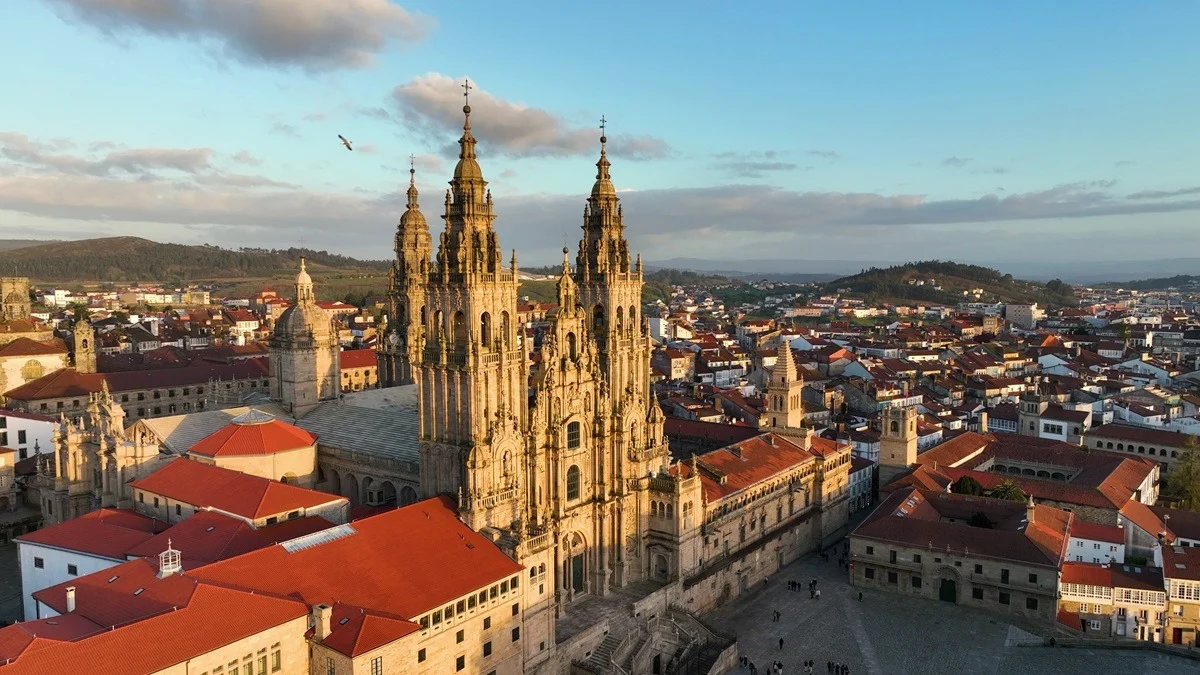
The chapters run through Ribadeo, Lourenzá, Begonte, Sobrado dos Monxes and Santiago de Compostela. Each stop allows you to get to know the cultural expressions of the area and the people who keep their traditions alive. The choice of these scenarios places at the center a reality that pilgrims sometimes discover by chance: the Way is also told through two songs and two daily encounters.
The project combines ethnographic research, local community participation and contemporary artistic creation. The traditions collected during the tour serve, second to the information disseminated in the presentation, as inspiration to create one's own choreographic piece. It is not just about recording performances, but rather relating the dances to the people and places that give them meaning.
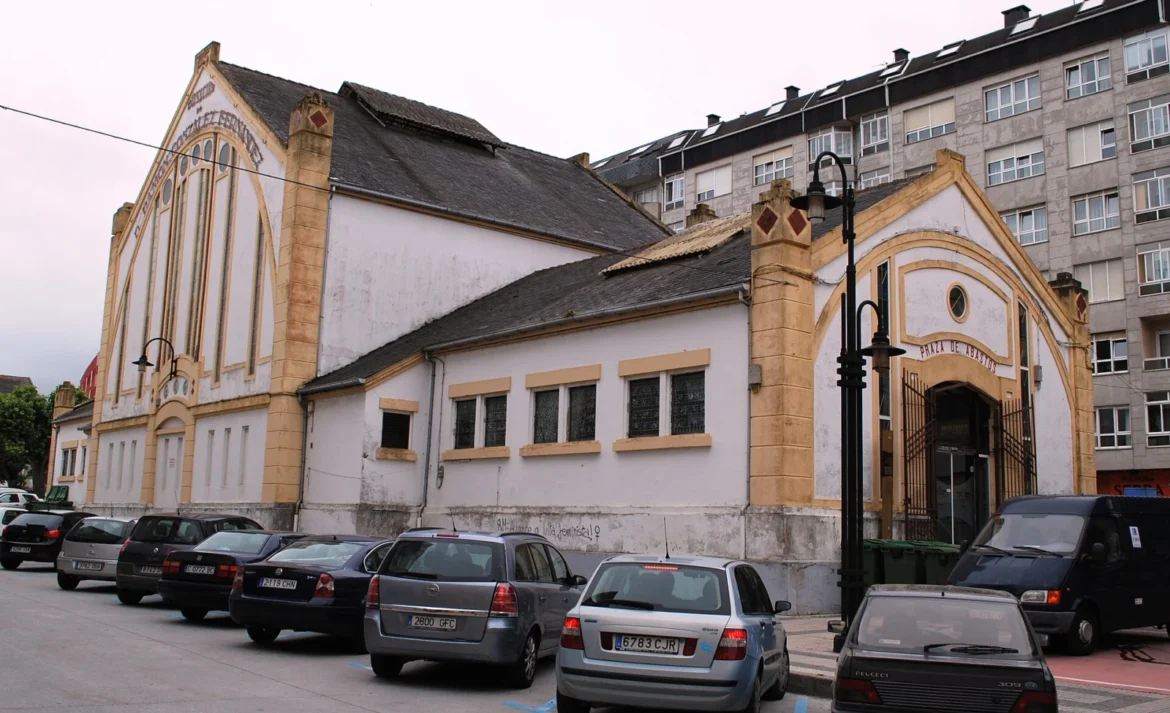
In Ribadeo, for example, the street life accompanies two travelers traveling to Galicia. RTV is on board the human dimension of this route and there is no information about The values of Camiño in Ribadeo. The web series now adds a musical and ethnographic look at this diversity of experiences.
A heritage that is also sung and danced
Traditional Galician music and dance received Ben's declaration of Cultural Interest in the category of intangible heritage in 2025. The recognition helps to understand the dimension of the purpose: melodies, steps and forms of participation that may seem familiar are part of a cultural heritage that deserves to be studied and transmitted.
For this heritage to remain alive, it is not enough to preserve it in an archive. It requires people who practice, findings that are shared, and initiatives capable of explaining the new generation without separating it from its roots. A web series can open that door, especially when it uses territory as a setting and gives space to local memory.
Route from Inverno to Camiño do Norte
"A paso de muiñeira polo Camiño do Norte" gives continuity to the experience developed in 2021 around Camiño de Inverno, also linked to the O Teu Xacobeo program. That production will explore the relationship between pilgrimage, folklore and the transmission of traditional culture, and the new delivery takes that dialogue to other of the great Galician Xacobean routes.
Continuity is significant: it allows you to observe different traditions without reducing the path to a single tourist image. Each territory has its own repertoire, its memory and its ways of encounter. If you want to learn more about this route, you can complete the reading with information from RTV about The most important stages of the Camiño do Norte.
To the information released about the non-specific presentation, there is also a schedule for the release of two chapters of this new web series. Please wait for communication from the producer or organization to know when and where you can see each other.
A proposta lembra that the Camiño does not travel only by foot. It is also discovered listening to the voices of those who live in its beaches, recognizing a melody and understanding that each tradition is part of the shared memory of Galicia.
Sources: Diario Gallego, November 26, 2026; Xunta of Galicia.
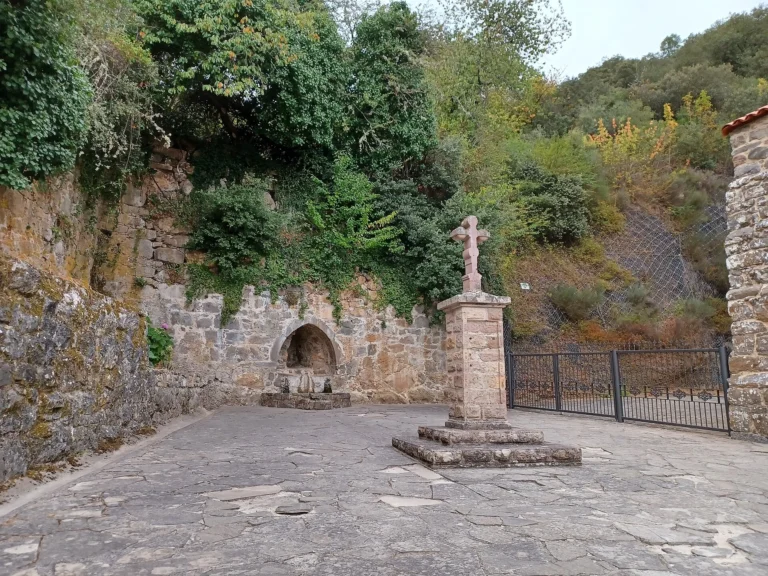
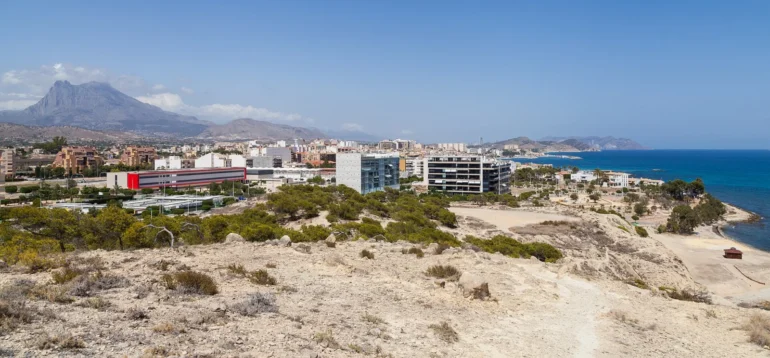
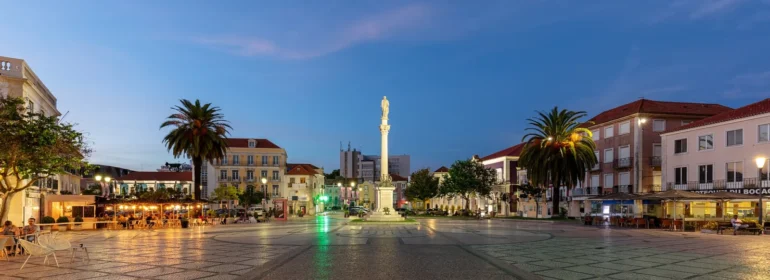
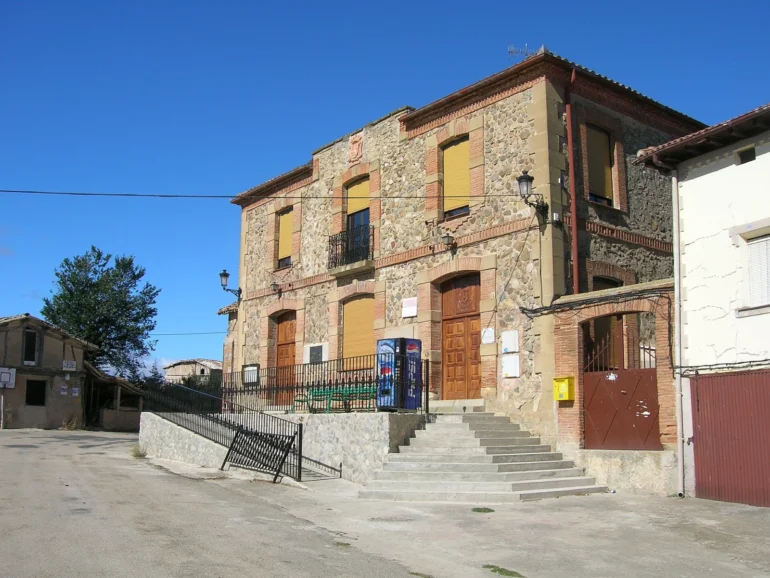
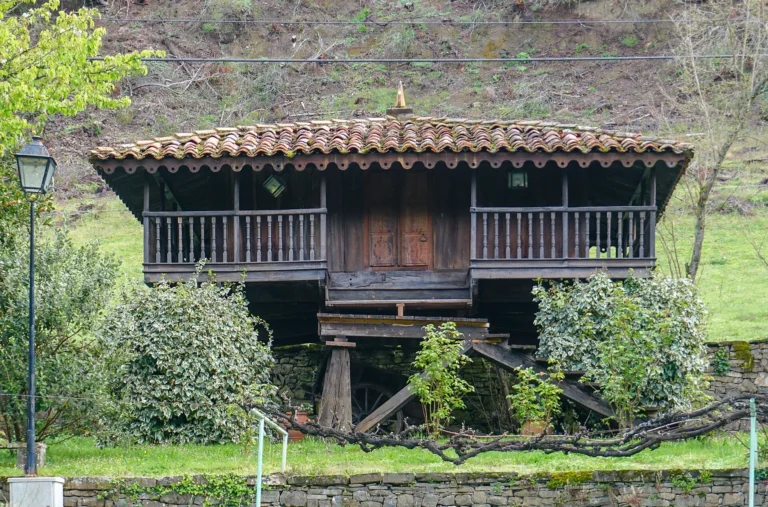
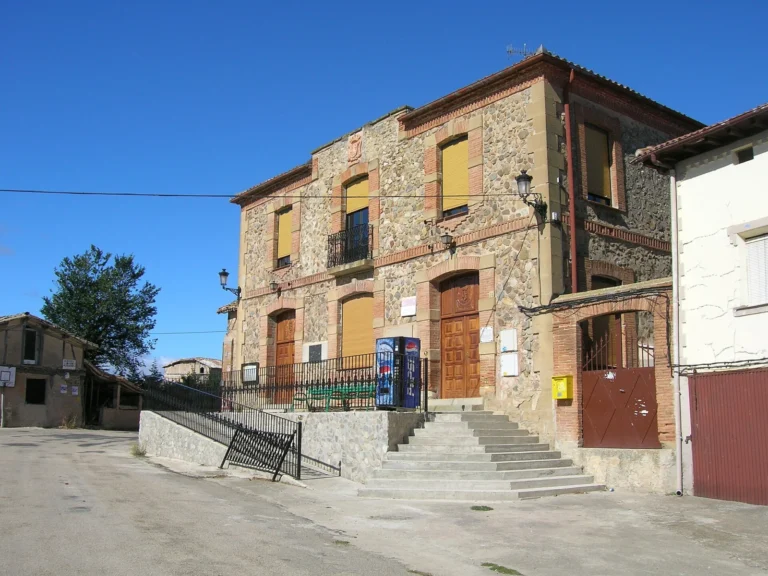
Images: Photography by José Antonio Gil Martínez, CC BY 2.0, Wikimedia Commons | Photo: HombreDHojalata, CC BY-SA 3.0, Wikimedia Commons. Context Imaxe | Photo: José Antonio Gil Martínez, CC BY 2.0, Wikimedia Commons. Context image.
Cover photo: Agremon · CC BY-SA 4.0 · Wikimedia Commons