In Güemes, on the Camino del Norte, there is a place where hospitality is understood as something much deeper than offering a bed to spend the night. Its promoter is Father Ernesto Bustio, founder of the La Cabaña del Abuelo Peuto shelter and protagonist of an interview published by the Ministry of Culture that we recovered for our RTV video section.
The conversation was published on January 17, 2020 on the official YouTube channel of the Ministry of Culture. The video is an opportunity to discover, with the help of its protagonist, one of the most recognized reception spaces on the Camino de Santiago in Cantabria. It is reproduced here from the original channel, with express acknowledgment of its origin.
See the interview with Father Ernesto Bustio
Video: Ministry of Culture, January 17, 2020. Interview "The endearing story of Ernesto Bustio, founder of a pilgrim hostel." Original publication in YouTube of the Ministry of Culture.
A family home converted into a welcoming space
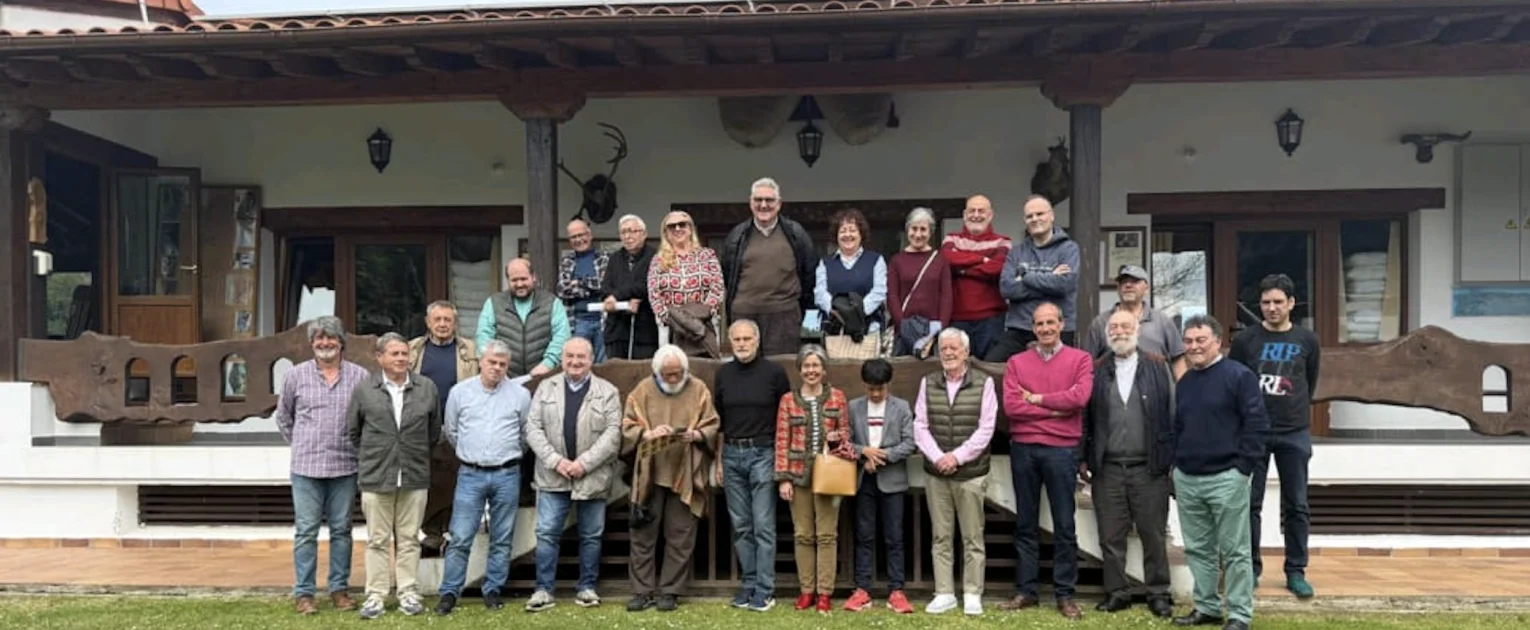
The La Cabaña del Abuelo Peuto hostel is located in Güemes, a town in the Cantabrian municipality of Bareyo, on the route of the Camino del Norte. Ernesto Bustio's family home was transformed over time into a place that welcomes pilgrims from numerous origins and in which volunteers play an essential role.
The Association of Friends of the Caminos de Santiago de Cantabria places the origin of the hostel in the 1990s. Since then, the project has grown thanks to a network of friends and collaborators who share a way of understanding the Camino based on welcoming, meeting and mutual help.
The story of Father Ernesto, however, goes beyond the limits of a stage. Before promoting this space, he developed a long career linked to social commitment, coexistence between cultures and working with communities. In 2010 he received the Gold Medal for Merit at Work, according to the then Ministry of Labor and Immigration.
Hospitality as part of the Camino itself
On a pilgrimage, the end of the day is usually summarized in practical matters: where to rest, how to regain strength and what route awaits the next day. Places like Güemes remind us that hospitality can also become part of the experience that each person takes home.
In this hostel, conversation, shared food, volunteer work and cultural activities are part of a proposal that goes beyond accommodation. The social dimension of La Cabaña del Abuelo Peuto was also included in the report "The Path of Life", broadcast by the RTVE program Pueblo de Dios in 2014.
For those who travel the Northern Way through Cantabria, Güemes is one of those names that appear in the conversations of pilgrims and in the memories of those who have experienced hospitality there. For those who still don't know him, this interview offers a first insight into the person who started the project.
RTV on video: stories to get to know those who do the Camino
With this publication, RTV Camino de Santiago incorporates an interview from an institutional channel into its audiovisual selection, respecting the identification of its author and maintaining access to the original video. Our intention is to bring together in the same space testimonies and documentaries related to the Camino de Santiago, along with the own productions that we make.
The selection of videos from other authors does not replace the work of their creators. It seeks to make it easier for these stories to continue reaching pilgrims, always through the official player available and the corresponding credits.
Ernesto Bustio's story reminds us that, sometimes, the most lasting mark of the Camino is not left by a monument, but by the person who opens a door and welcomes the pilgrim.
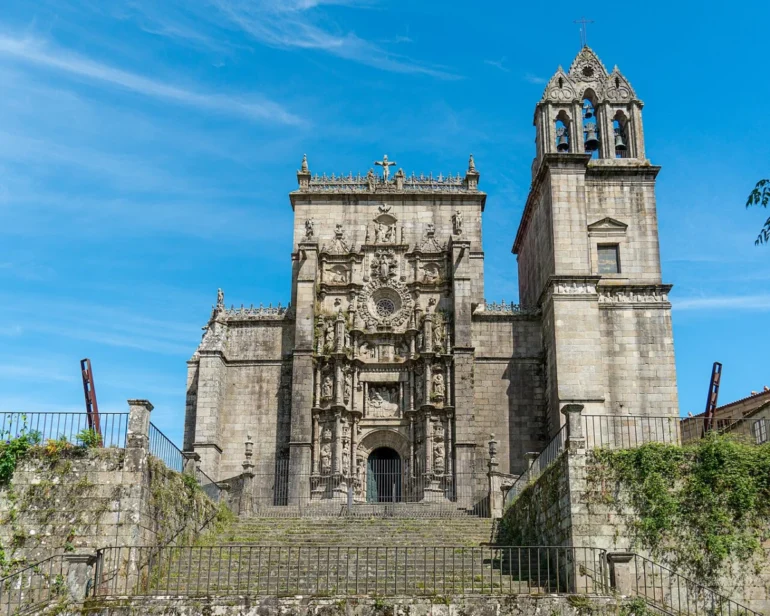
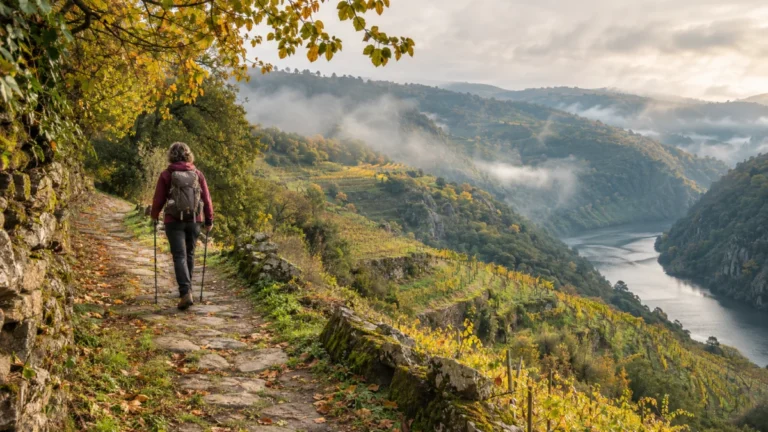
Cover image: view of Güemes, from the graphic archive already published on RTV Camino de Santiago.
Sources: Ministry of Culture, interview with Ernesto Bustio (2020); Association of Friends of the Caminos de Santiago de Cantabria; Ministry of Labor and Immigration, recognition of Ernesto Bustio (2010); RTVE, «The path of life» (2014).