









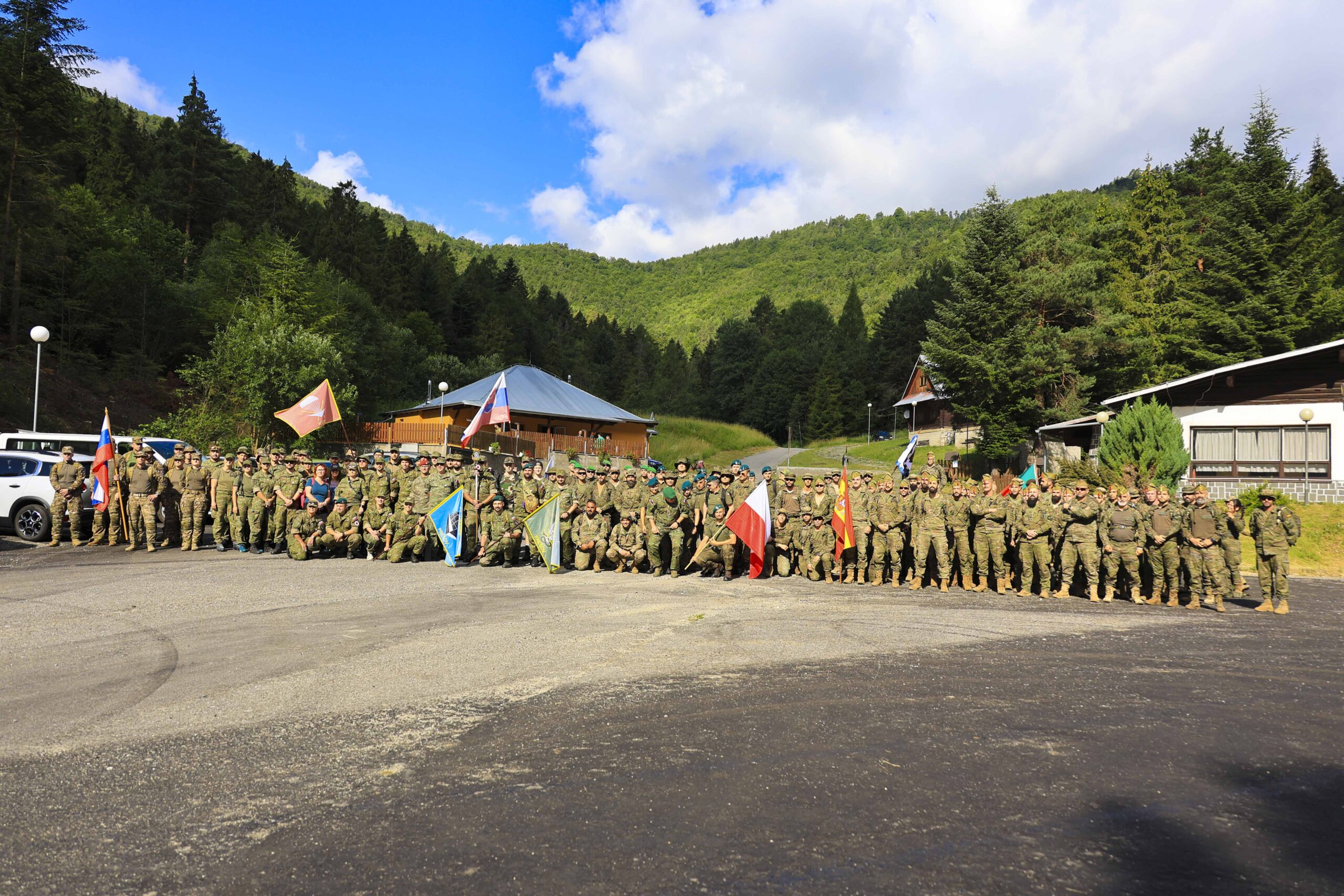
LEVOČA, Slovakia – Spanish soldiers serving with NATO’s Multinational Brigade in Slovakia have taken part in a symbolic pilgrimage along a section of the Slovak Camino de Santiago, combining military service with one of Europe’s most historic pilgrimage traditions.
The initiative brought together members of the Spanish Armed Forces deployed in Slovakia, who temporarily exchanged their military equipment for pilgrim backpacks as they walked part of the Way of St. James through the picturesque region around Levoča.
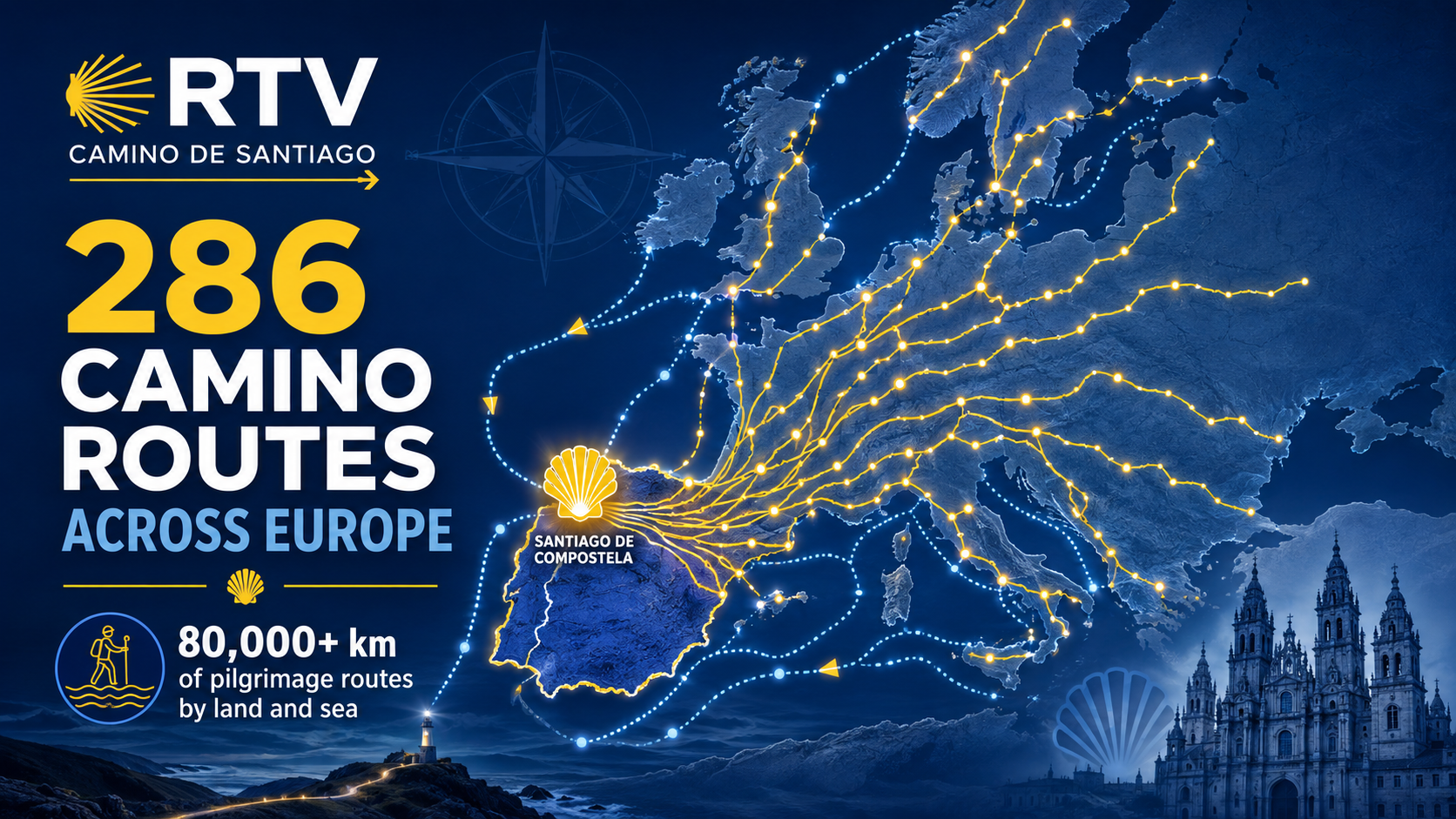
The pilgrimage highlighted the cultural and spiritual importance of the Camino de Santiago, whose network of routes extends far beyond Spain. Slovakia is home to several officially recognized Camino routes that connect with the wider European pilgrimage network leading to Santiago de Compostela.
For the Spanish contingent, the event represented more than just a hike. It offered an opportunity to strengthen camaraderie, promote cultural exchange, and experience one of the most meaningful traditions shared across Europe.
Spanish troops currently lead NATO’s Multinational Brigade in Slovakia, a mission focused on strengthening the Alliance’s eastern flank through multinational cooperation and collective defence. Alongside their operational duties, military personnel regularly participate in community and cultural activities that reinforce ties with the host nation.
Walking together with fellow soldiers and local participants, the Spanish contingent followed centuries-old pilgrimage paths that have welcomed travelers seeking faith, reflection, and personal growth for generations.
The activity also underlined the close historical links between Spain and the Camino tradition. As guardians of the final destination of the pilgrimage in Santiago de Compostela, Spanish service members viewed the walk as a meaningful way to share part of their country’s cultural heritage while serving abroad.
The Slovak section of the Camino has gained increasing recognition in recent years, attracting both local walkers and international pilgrims. Routes cross historic towns, forests, and religious landmarks before connecting with the wider European network of the Way of St. James.
Military officials emphasized that initiatives like this help strengthen cooperation among allied nations while encouraging respect for local history, traditions, and communities.
Beyond its symbolic value, the pilgrimage demonstrated that the Camino continues to unite people from different countries, cultures, and professions. Whether wearing hiking boots or military uniforms, participants shared the same spirit of friendship, perseverance, and mutual respect that has defined the Camino de Santiago for more than a thousand years.
For many of the Spanish soldiers, the experience was especially meaningful because it allowed them to reconnect with one of Spain’s greatest cultural and spiritual treasures while representing their country overseas.
The event serves as another reminder that the Camino de Santiago is far more than a route across northern Spain. Today, it is a truly European network that continues to inspire pilgrims, volunteers, local communities, and even members of the armed forces who embrace its timeless values of solidarity, peace, and shared heritage.