











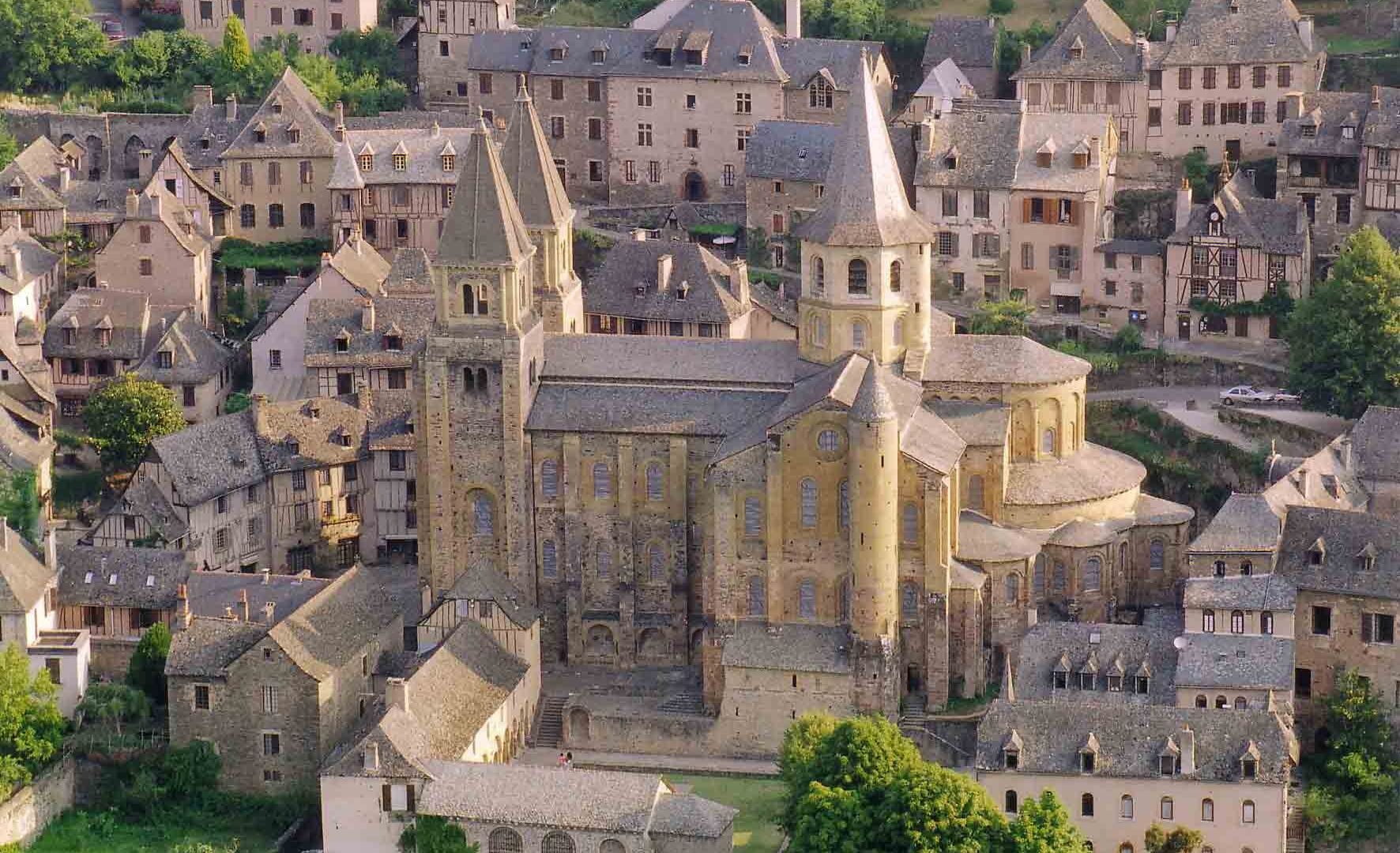
Historic sites like Conques highlight the cultural depth of the French Way
The Camino de Santiago continues to evolve in 2026, but one of its most powerful attractions remains unchanged: its deep connection to history. Along the French Way and its extensions through southern France, medieval villages are drawing increasing attention from pilgrims who want more than just a physical journey. Among these destinations, Conques stands out as one of the most remarkable examples of preserved heritage along the route.
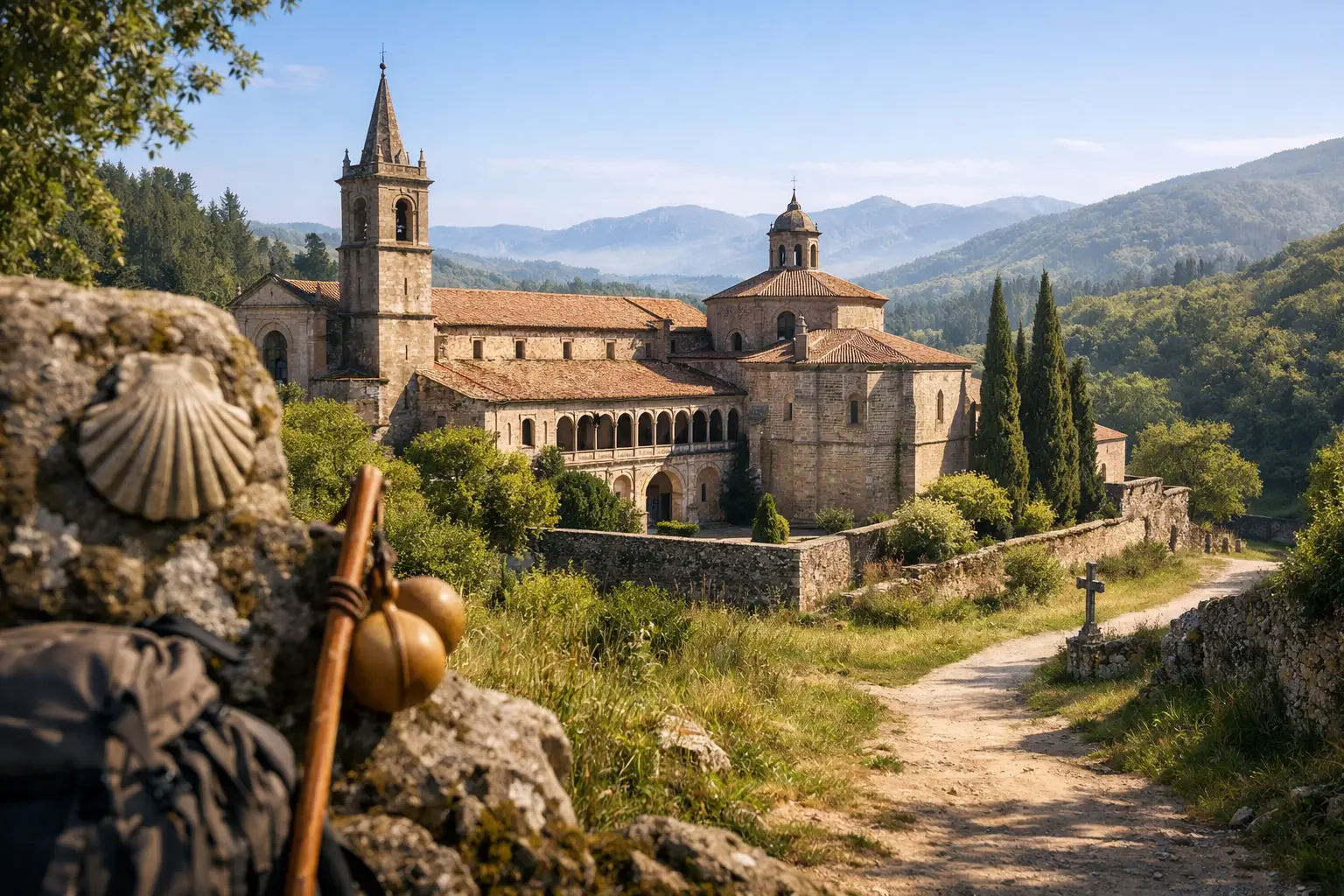
Located in the Occitanie region, Conques is widely recognized as one of the most beautiful villages in France and a key stop on the Via Podiensis, one of the main French pilgrimage routes leading to Santiago de Compostela. Its appearance has changed little over the centuries, offering visitors a rare opportunity to experience the Camino as it might have been during the Middle Ages.
A UNESCO World Heritage landmark
At the heart of Conques lies the Abbey Church of Sainte-Foy, an outstanding example of Romanesque architecture dating back to the 11th and 12th centuries. The church is part of the UNESCO World Heritage listing associated with the Routes of Santiago de Compostela in France, a designation that highlights its historical and cultural importance.
The abbey became a major pilgrimage destination in medieval times due to the relics of Saint Foy, a young martyr whose remains were brought to Conques in the 9th century. Her cult attracted pilgrims from across Europe, helping to establish the village as a key spiritual center.
Today, the church remains one of the best-preserved monuments of its kind, known especially for its sculpted tympanum depicting the Last Judgment, a masterpiece that continues to impress both pilgrims and art historians.
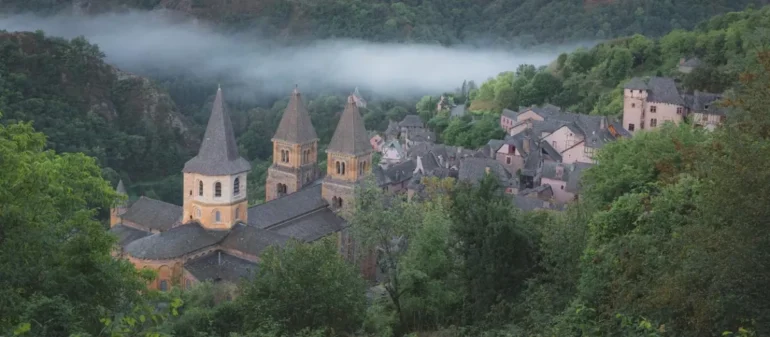
More than a stop on the route
For modern pilgrims, Conques represents more than just a place to rest. After long days of walking, arriving in the village often feels like stepping into another era. The narrow cobblestone streets, traditional stone houses, and absence of modern construction in the historic center create a unique atmosphere.
This setting allows pilgrims to pause, reflect, and reconnect with the deeper meaning of the Camino. Unlike more crowded sections of the route, Conques offers a quieter and more contemplative experience.
Many pilgrims choose to stay overnight, attending evening services or simply walking through the village at sunset, when the golden light enhances the medieval character of the surroundings.
A growing interest in heritage and authenticity
The renewed attention toward villages like Conques reflects a broader trend in pilgrimage and travel. In recent years, there has been a shift away from purely recreational tourism toward experiences that offer cultural and emotional depth.
Pilgrims are increasingly interested in understanding the origins of the Camino, the people who walked it centuries ago, and the historical context that shaped the route. Conques provides exactly that: a living example of medieval pilgrimage culture.
This interest is also driven by a desire to find less crowded and more authentic places along the Camino, especially as some sections of the route become more popular each year.
Challenges of preservation
With growing visibility comes new challenges. Local authorities and heritage organizations are working to ensure that increased visitor numbers do not compromise the integrity of the village.
Strict regulations on construction and restoration have helped maintain the historical character of Conques. At the same time, efforts are being made to manage tourism in a sustainable way, preserving the balance between welcoming pilgrims and protecting the site.
These measures are essential to ensure that future generations can experience the village in its current form.
The French Way as a cultural corridor
The importance of Conques also highlights the broader role of the Camino as a cultural corridor connecting different regions of Europe. The French routes leading into Spain are rich in heritage, featuring monasteries, churches, bridges, and villages that have been part of the pilgrimage network for centuries.
Each of these sites contributes to a larger narrative, one that blends religion, art, architecture, and human movement across time.
Conques is one of the most complete examples of this heritage, offering a concentrated experience of what the medieval Camino represented.
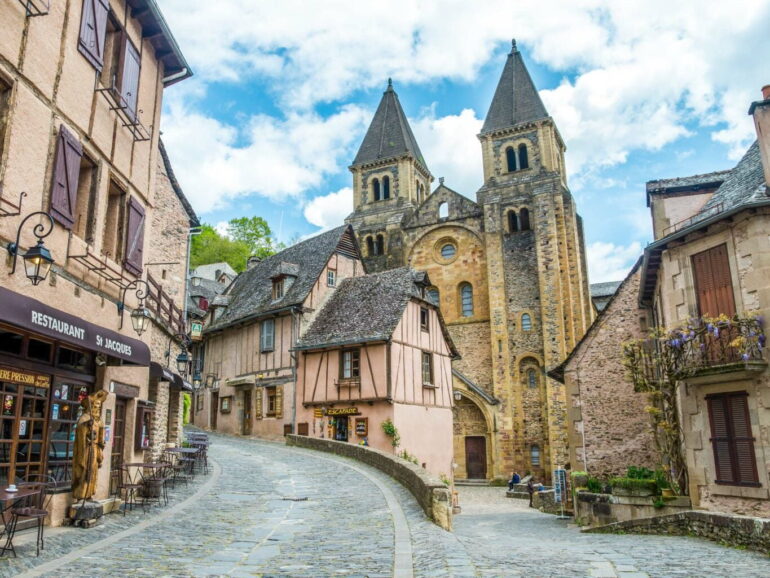
A journey through time
Walking through Conques is not just a visual experience; it is also emotional. Pilgrims often describe a sense of continuity, as if the distance between past and present becomes smaller.
The same paths that are walked today were once used by medieval pilgrims traveling under very different conditions. This continuity reinforces the unique character of the Camino, where history is not something distant, but something that is actively experienced.
A destination gaining attention in 2026
In 2026, Conques is gaining renewed visibility among international pilgrims. Travel guides, social media, and word of mouth are bringing attention to this medieval village as one of the must-see locations on the Camino.
However, its appeal remains rooted in simplicity. It is not about modern attractions or large-scale tourism, but about authenticity.
For those walking the Camino, places like Conques serve as a reminder that the journey is not only about reaching Santiago, but about understanding the path itself.