













Near Navarra, an ancient medieval church reveals a breathtaking light phenomenon during the spring and autumn equinoxes
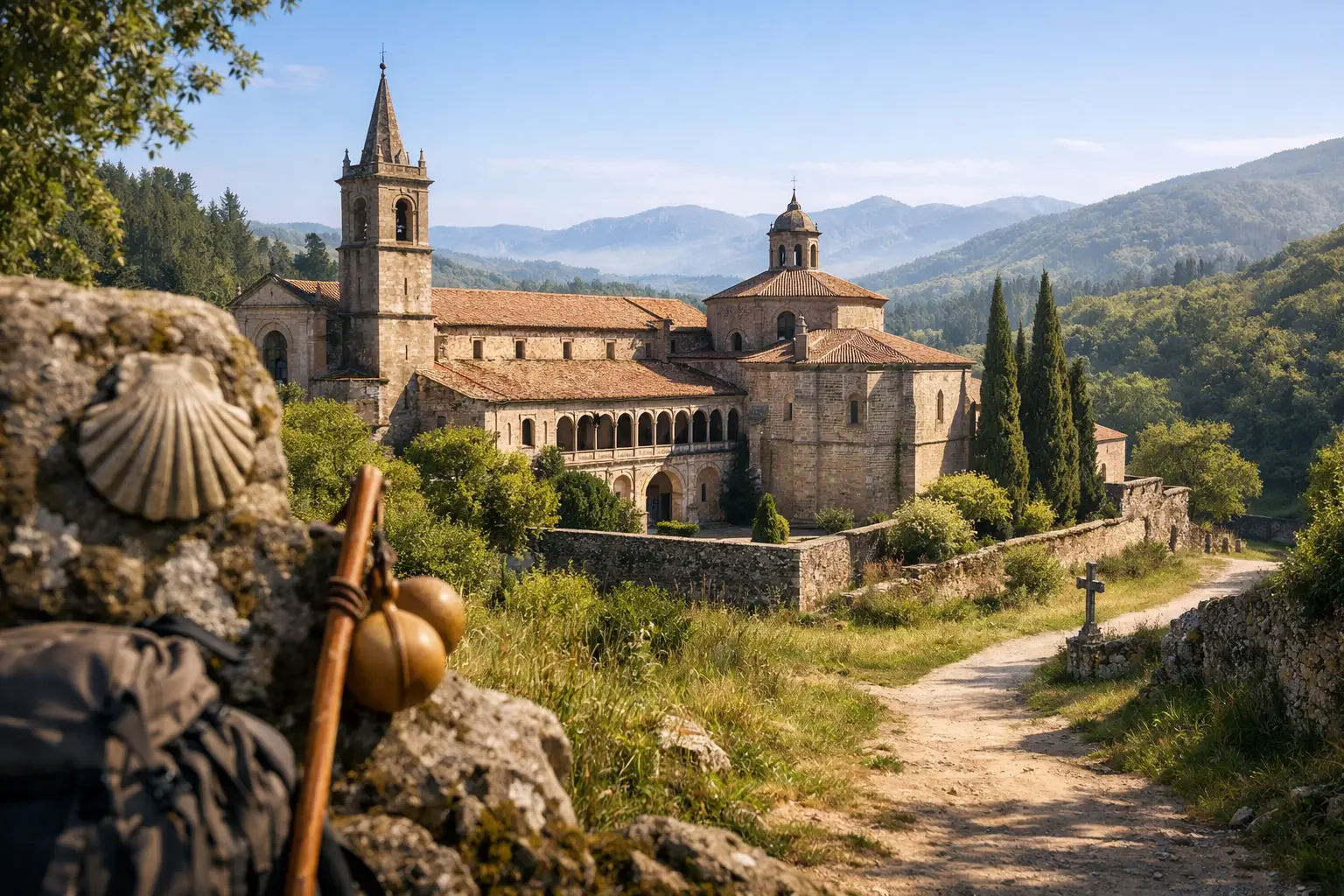
Hidden in the peaceful countryside near Navarra, a small Romanesque church has become one of northern Spain’s most fascinating architectural treasures. Twice every year, during the spring and autumn equinoxes, a perfectly aligned beam of sunlight enters the building and illuminates its interior with astonishing precision.
For just a few magical minutes, visitors witness a spectacular display of light that has fascinated historians, architects and pilgrims alike. Far from being a coincidence, experts believe the effect is the result of extraordinary medieval planning and craftsmanship.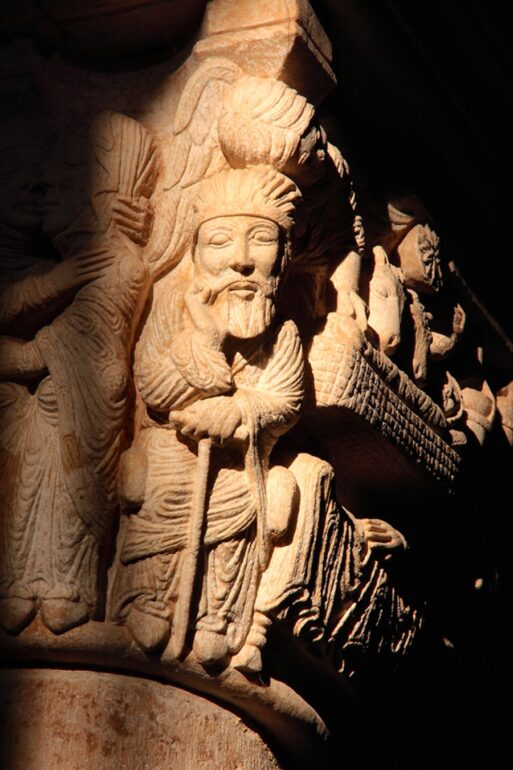
A masterpiece designed with the Sun
The phenomenon takes place only around the March and September equinoxes, when day and night are almost exactly the same length across the world.
As the Sun reaches a very precise position in the sky, its rays pass through a carefully placed opening in the church and travel across the interior before illuminating a specific point inside the building.
The accuracy of the alignment continues to surprise researchers today.
Considering that the church was built centuries before modern surveying instruments existed, the achievement demonstrates an exceptional understanding of astronomy, geometry and architecture by medieval builders.
More than architecture
Romanesque churches were never built simply as places of worship.
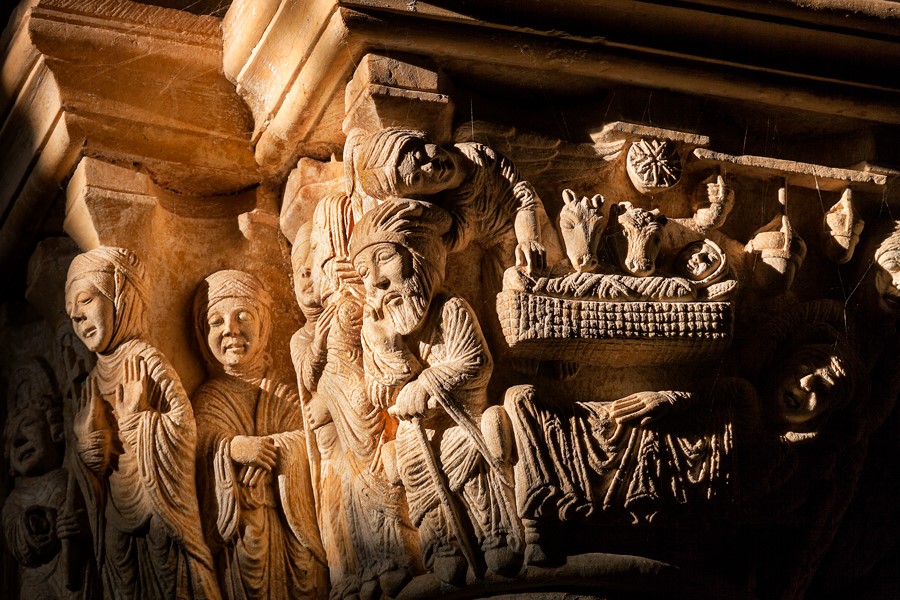
Every doorway, window, arch and orientation often carried symbolic meaning.
Throughout medieval Europe, many religious buildings were intentionally aligned with the rising sun on important liturgical dates, reminding worshippers of themes such as resurrection, hope and divine light.
The equinox phenomenon in this church appears to follow that same tradition, transforming sunlight itself into part of the building’s spiritual message.
A hidden treasure near the Camino de Santiago
Thousands of pilgrims cross northern Spain every year following the Camino de Santiago, passing through landscapes filled with Romanesque churches, monasteries and medieval villages.
Many travellers focus on the famous cathedrals, yet some of the greatest surprises are found in small rural temples like this one.
These modest churches preserve centuries of history and often hide remarkable architectural secrets that remain largely unknown outside specialist circles.
For visitors interested in history, art and spirituality, discovering these lesser-known sites adds a unique dimension to the pilgrimage.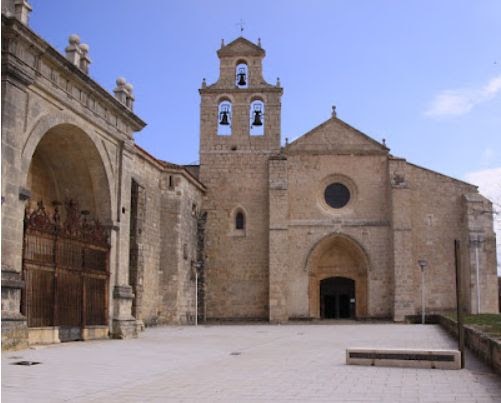
Medieval builders understood the sky
Although modern technology allows architects to calculate solar alignments with incredible precision, medieval master builders achieved similar results using observation, mathematics and generations of accumulated knowledge.
They carefully studied the movement of the Sun throughout the year, designing buildings that interacted with natural light in ways that inspired awe among worshippers.
Many historians believe these effects were intended to reinforce important religious celebrations by creating unforgettable visual experiences inside sacred spaces.
A growing attraction for cultural tourism
Every equinox, photographers, historians, architects and curious travellers gather to witness the brief moment when sunlight transforms the church’s interior.
The event lasts only a short time, making it even more special for those fortunate enough to experience it.
As interest in heritage tourism, Romanesque architecture and the Camino de Santiago continues to grow, places like this are attracting increasing numbers of visitors looking for authentic experiences away from crowded tourist destinations.
Where science meets faith
Whether viewed as a remarkable engineering achievement, an artistic masterpiece or a powerful spiritual symbol, the phenomenon reminds us that medieval churches were designed to inspire wonder.
Long before electricity illuminated sacred buildings, sunlight itself became part of the architecture.
Each equinox, nature and human ingenuity come together for a few unforgettable minutes, recreating a spectacle first imagined hundreds of years ago.
For those who witness it, the experience is more than a beautiful play of light.
It is a reminder that some of history’s greatest masterpieces continue to reveal new secrets every time the Sun rises in exactly the right place.