










Thousands of pilgrims could face accommodation problems on the Camino in 2026
The Camino de Santiago continues to break international tourism records, but behind the emotional images of pilgrims arriving in Santiago de Compostela, a growing concern is beginning to worry experienced walkers, hospitaleros and travel experts alike: the so-called “bed crisis.”
As the number of pilgrims continues to rise in 2026, many routes across Spain are already showing signs of serious pressure on accommodation, prices and infrastructure.
For years, the Camino de Santiago was known as one of Europe’s most accessible and affordable long-distance travel experiences. Pilgrims could walk for weeks while staying in simple albergues at relatively low prices, enjoying authentic local hospitality and the spirit of slow travel.
But things are changing rapidly.
Increasing international tourism, inflation, rising operating costs and growing demand during peak months are creating a very different reality for many pilgrims planning the Camino in 2026.
And for some experienced walkers, this summer could become one of the most complicated pilgrimage seasons in recent years.
The “bed race” is becoming part of the Camino experience
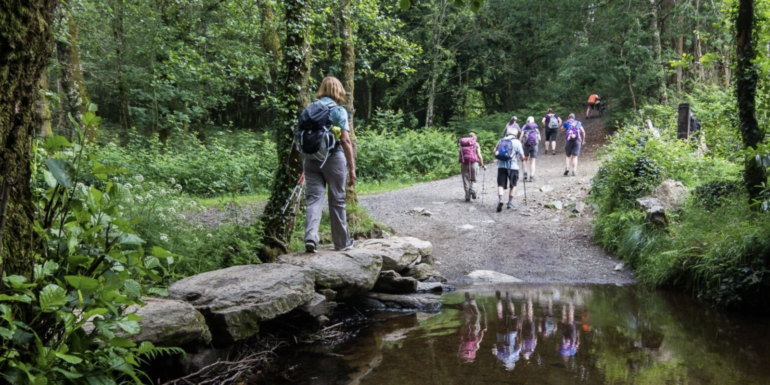
One of the biggest complaints among pilgrims today is the growing struggle to find available beds on popular Camino routes.
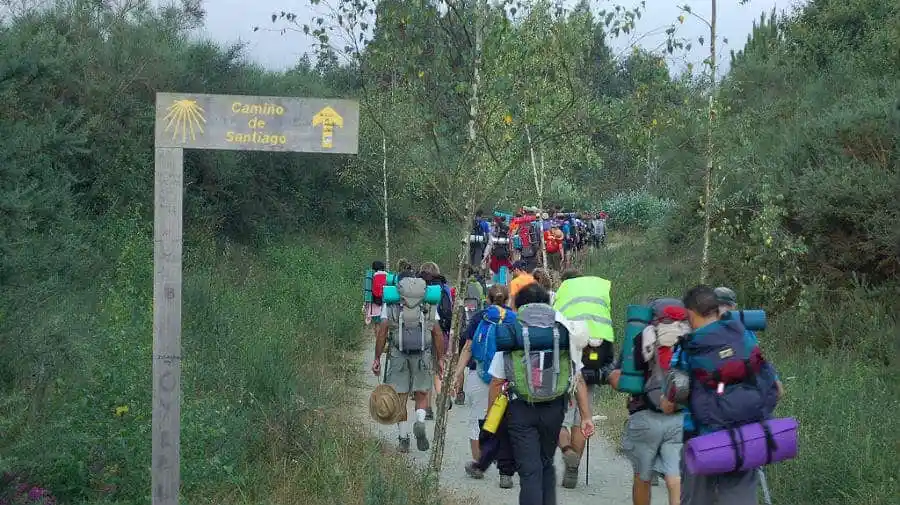
What many call “the bed race” has become increasingly common on the Camino Francés, Camino Portugués and parts of the Camino del Norte.
Pilgrims often wake up before sunrise not only to avoid the heat — but also to secure accommodation before albergues become full.
Some walkers now finish stages by early afternoon simply out of fear of having nowhere to sleep.
That situation is changing the atmosphere of the Camino itself.
Traditionally, many pilgrims valued spontaneity and freedom:
walking at their own pace,
stopping where they wanted,
and meeting people naturally along the way.
Now, increasing numbers of travelers are booking accommodation days or even weeks in advance, especially during summer.
For some experienced pilgrims, this transforms the Camino from an adventure into something closer to a scheduled tourism itinerary.
Prices are rising across many Camino routes
Accommodation costs are also increasing noticeably in 2026.
Private albergues, hostels, hotels and rural tourism accommodations across northern Spain are facing:
- higher electricity costs,
- staff shortages,
- inflation,
- rising food prices,
- and increased tourism demand.
As a result, pilgrims are paying significantly more than just a few years ago.
On some sections of the Camino Francés, private albergue prices that once averaged €10–12 per night are now frequently reaching €18–25 or more during high season.
Hotels in popular destinations like:
- Sarria,
- Santiago de Compostela,
- León,
- Logroño,
- and Porto
have also increased prices due to tourism demand linked to pilgrimage travel and international visitors.
For pilgrims walking several weeks, these rising costs can dramatically affect the total budget of the journey.
International tourism continues to explode
Despite the growing challenges, global interest in the Camino de Santiago has never been stronger.
Pilgrims from:
- the United States,
- South Korea,
- Germany,
- Italy,
- Australia,
- Canada,
- and Latin America
continue arriving in record numbers.
Travel experts say the Camino perfectly matches several major tourism trends of 2026:
- wellness travel,
- spiritual tourism,
- digital detox experiences,
- hiking holidays,
- sustainable tourism,
- and slow travel.
Many travelers today are no longer searching for luxury vacations.
Instead, they want meaningful experiences connected to nature, simplicity and personal transformation.
The Camino offers exactly that.
And social media has accelerated the phenomenon even further.
Videos showing emotional arrivals in Santiago, stunning landscapes and life-changing pilgrimage stories continue going viral worldwide.
Smaller Camino routes are becoming increasingly attractive
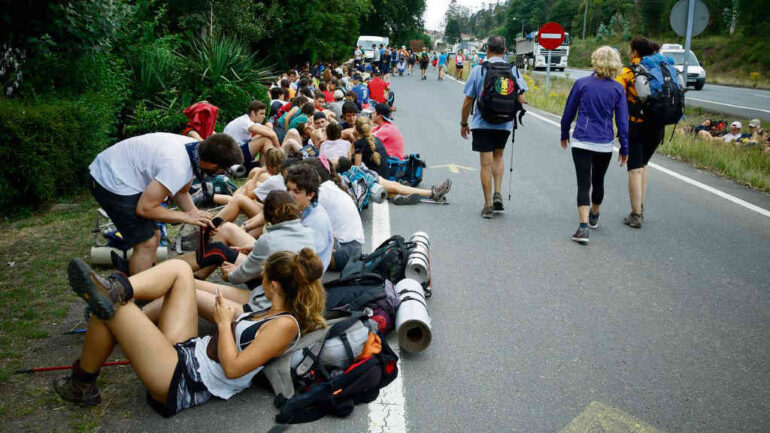
Because of overcrowding on the most famous routes, many experienced pilgrims are now recommending lesser-known Caminos.
Routes like:
- the Vía de la Plata,
- Camino Primitivo,
- Camino Inglés,
- Camino Lebaniego,
- and Ruta de la Lana
are gaining popularity among travelers searching for quieter and more authentic experiences.
These alternative routes often provide:
- lower accommodation pressure,
- stronger local connections,
- peaceful landscapes,
- and a slower rhythm closer to the original spirit of pilgrimage.
However, even these lesser-known routes are starting to experience growth in demand.
Some local associations warn that infrastructure improvements may struggle to keep up with the increasing number of international pilgrims arriving each year.
Many pilgrims are changing how they plan the Camino
As a result of the current situation, more travelers are now planning their pilgrimage differently.
Experts recommend:
- booking accommodation in advance during summer,
- avoiding peak dates when possible,
- walking in spring or autumn,
- considering alternative routes,
- and budgeting more carefully for food and lodging.
Some pilgrims are also choosing shorter Camino experiences rather than walking entire long-distance routes.
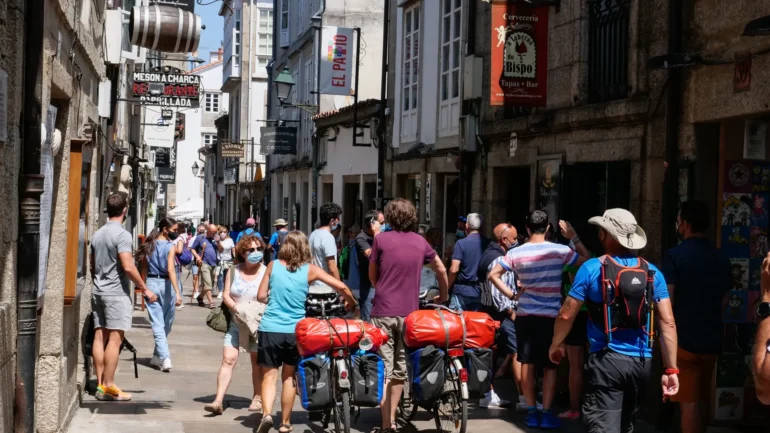
The final 100 kilometers remain especially crowded because they are the minimum required distance to receive the Compostela certificate in Santiago.
That means towns like Sarria often become major pressure points during summer months.
The Camino still changes lives — despite the challenges
Even with rising costs and overcrowding concerns, most pilgrims still describe the Camino de Santiago as one of the most transformative experiences of their lives.
The physical challenge,
the human connections,
the simplicity of daily walking,
and the emotional impact of reaching Santiago continue attracting people from around the world.
Many pilgrims say the Camino teaches lessons modern life often forgets:
patience,
slowness,
human connection,
and gratitude for simple things.
But experienced walkers also warn that future pilgrims need realistic expectations.
The Camino of 2026 is no longer the hidden secret it once was.
It has become one of Europe’s most important travel and pilgrimage phenomena.
The future of the Camino depends on balance
Local communities, Camino associations and tourism experts increasingly agree on one point:
the future of the Camino depends on finding balance.
Balance between:
- tourism and authenticity,
- growth and sustainability,
- comfort and pilgrimage spirit,
- international success and local identity.
Because if overcrowding and rising prices continue without careful planning, many fear the Camino could slowly lose part of the simplicity that made it so special in the first place.
Still, despite the warnings, thousands of pilgrims continue preparing their backpacks for 2026.
Because even with crowded albergues, expensive beds and long walking days…
the Camino de Santiago still has something millions of people around the world continue searching for:
a chance to disconnect from modern life —
and reconnect with themselves.