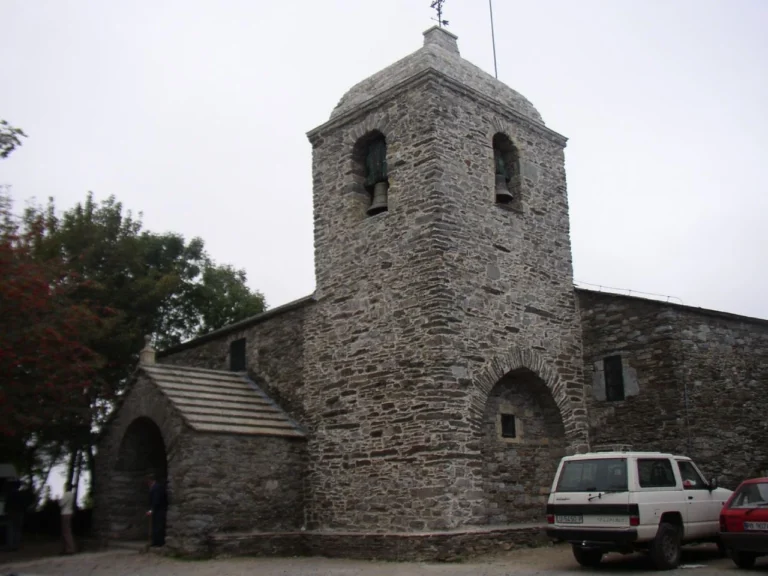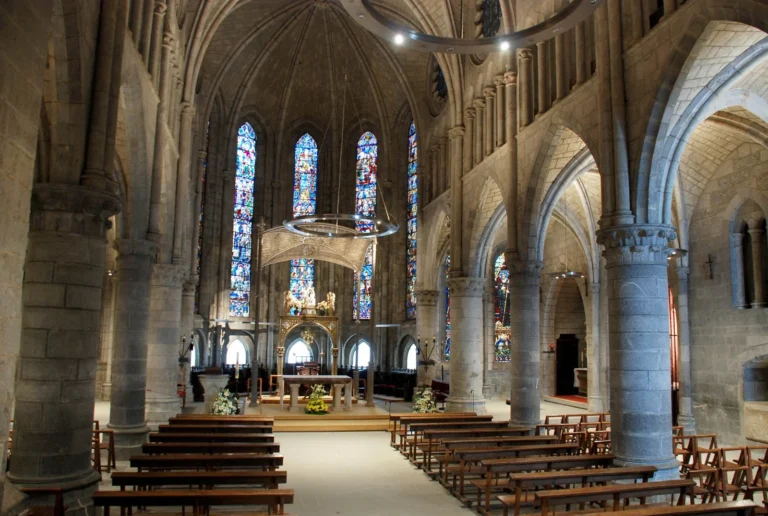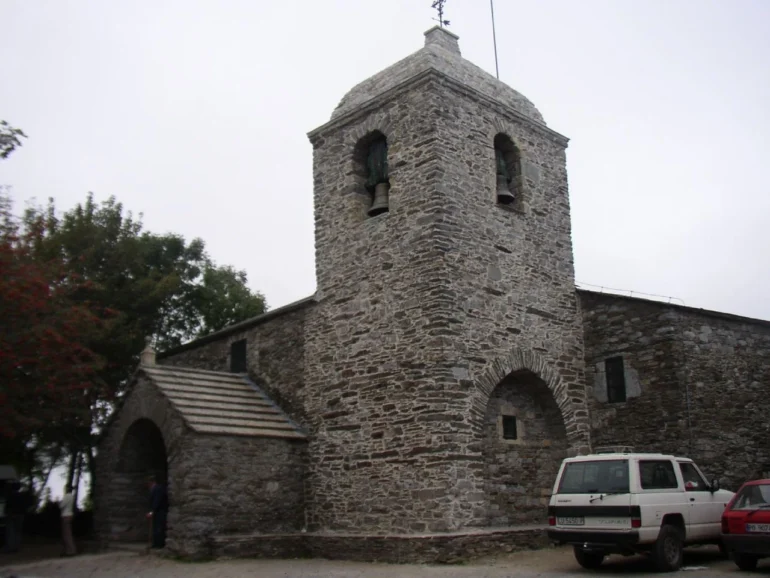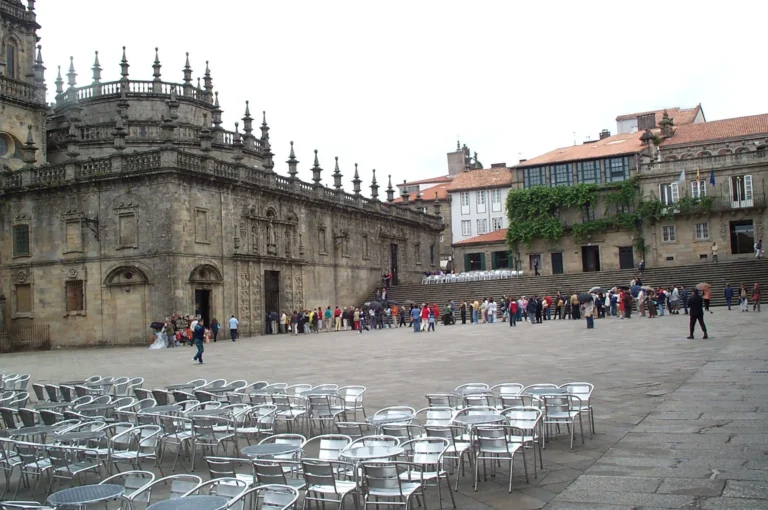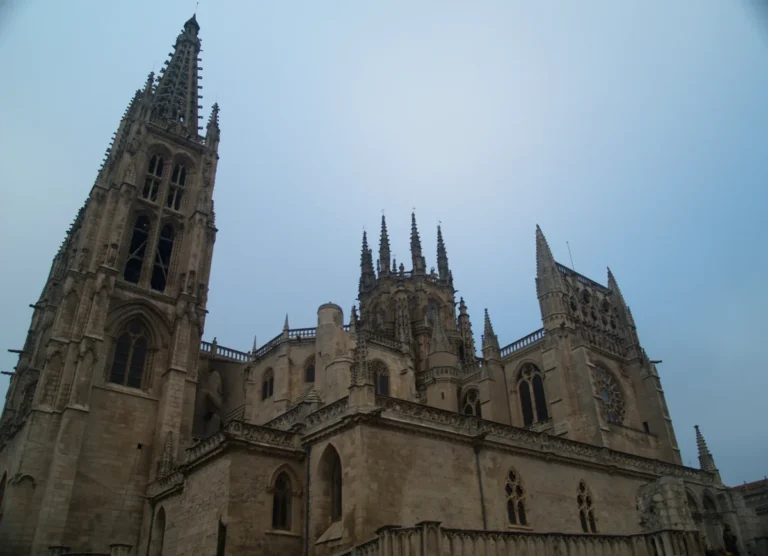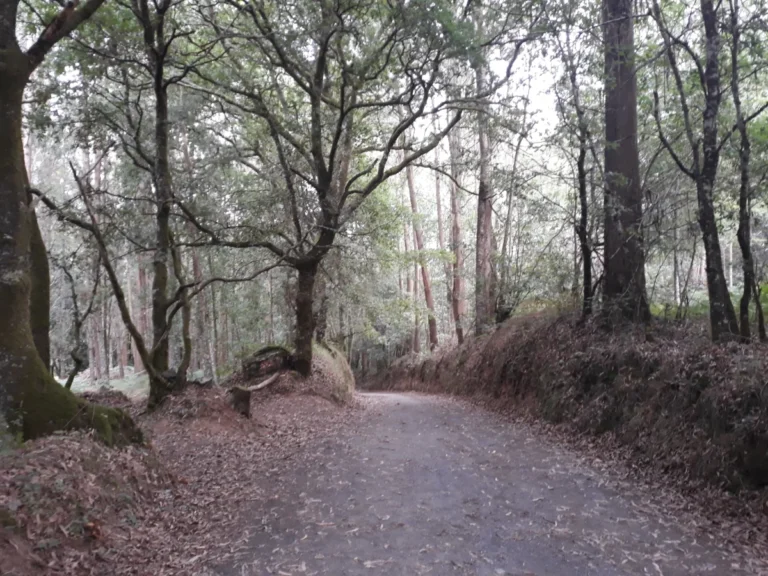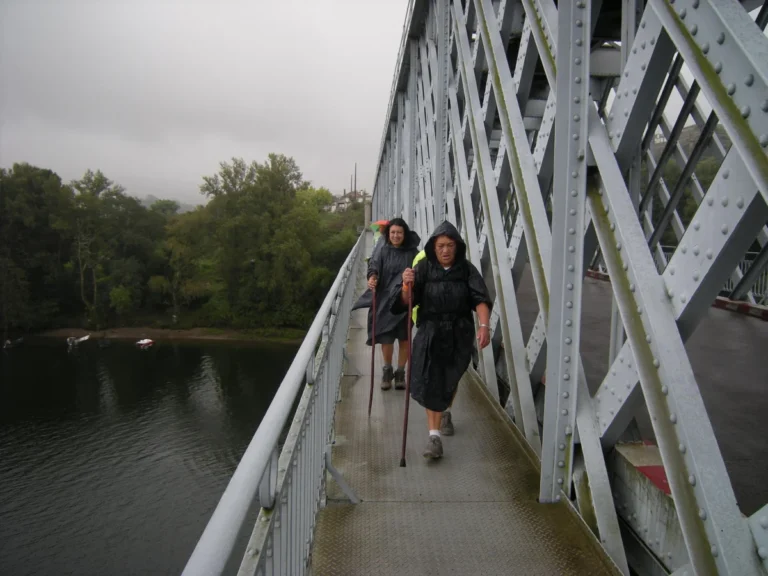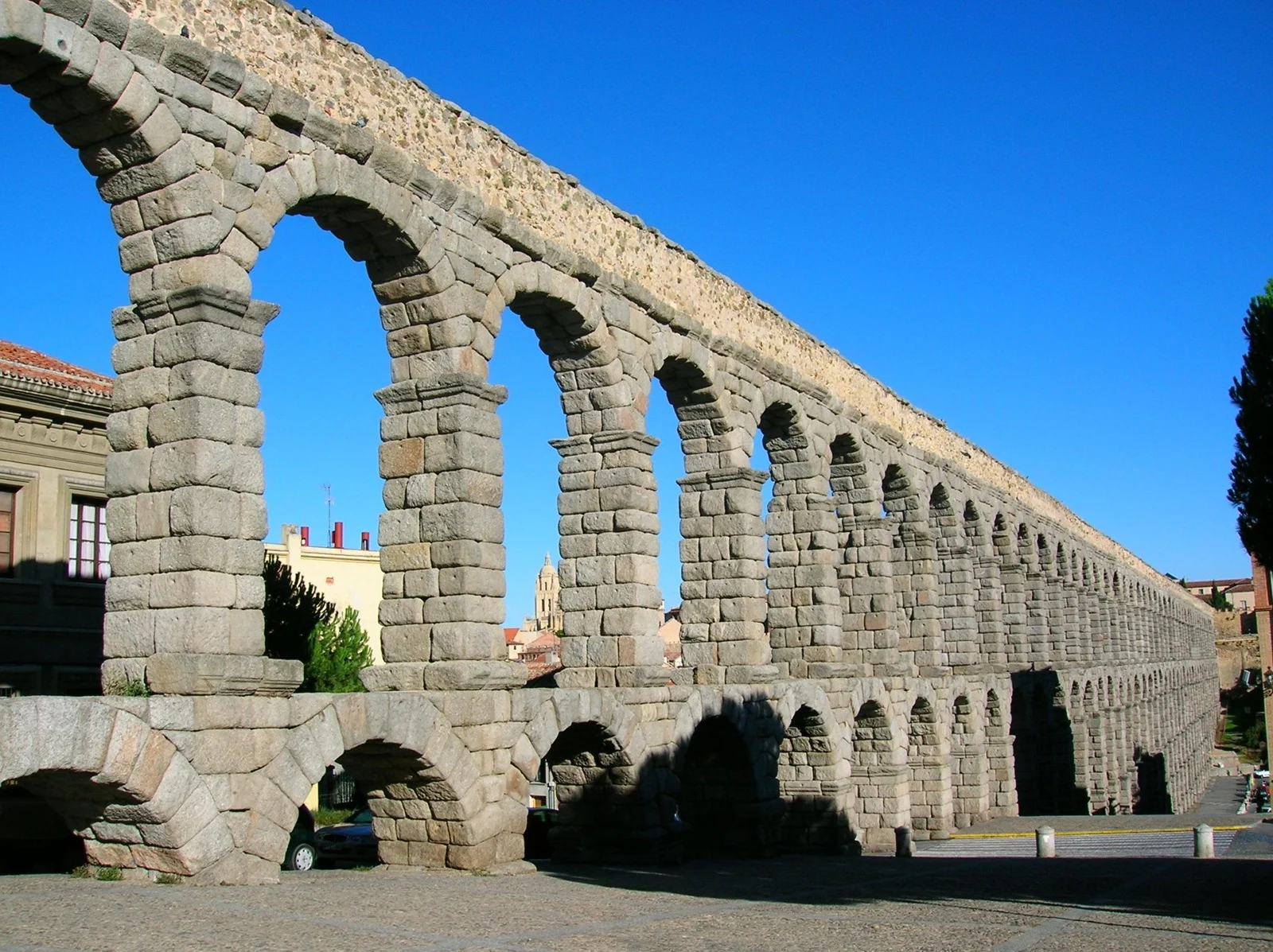
For pilgrims planning the 2027 Holy Year, choosing a route starts with a question: where do you want to join the Camino? In Castile and León, the answer could take you through a Romanesque village in Zamora, past Segovia’s aqueduct or across the mountains from León to Oviedo. Each of these routes connects with a different way west, and that junction matters when you plan your arrival in Santiago de Compostela.
Routes beyond the Camino Francés are receiving fresh attention ahead of the Holy Year. A report in ABC highlighted Spain’s traditional and historic paths, while Zamora’s provincial government used the INTUR tourism fair in Valladolid to launch a campaign promoting its five Camino routes. For international pilgrims, the regional route guides help turn that wider choice into an itinerary. Here are three options and the connections to check before setting out.
The Camino Sanabrés through Zamora and Ourense
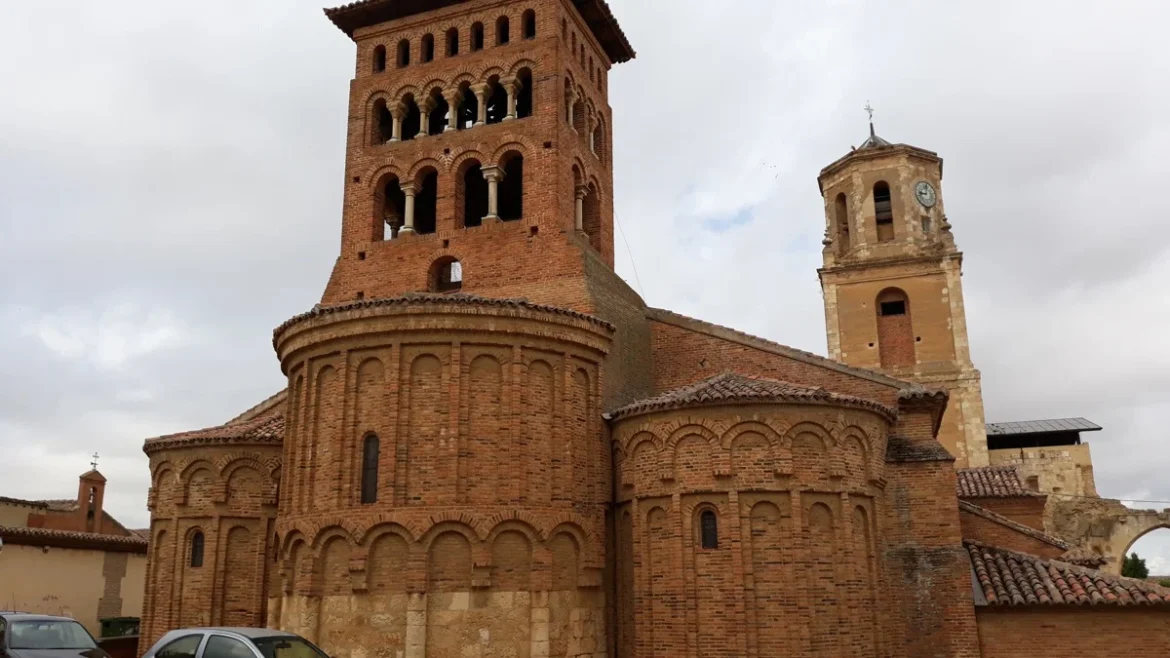
At Granja de Moreruela, pilgrims following the Vía de la Plata can turn towards Galicia via the Camino Sanabrés. The route takes in the Tera valley and Sanabria before continuing towards Ourense. It is one of the five routes in Zamora’s new campaign. Our report on the Zamora initiative has the full list.
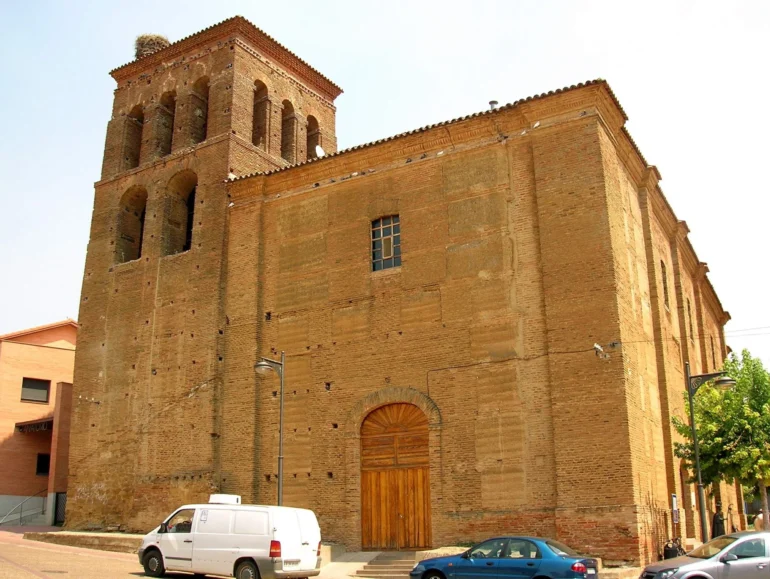
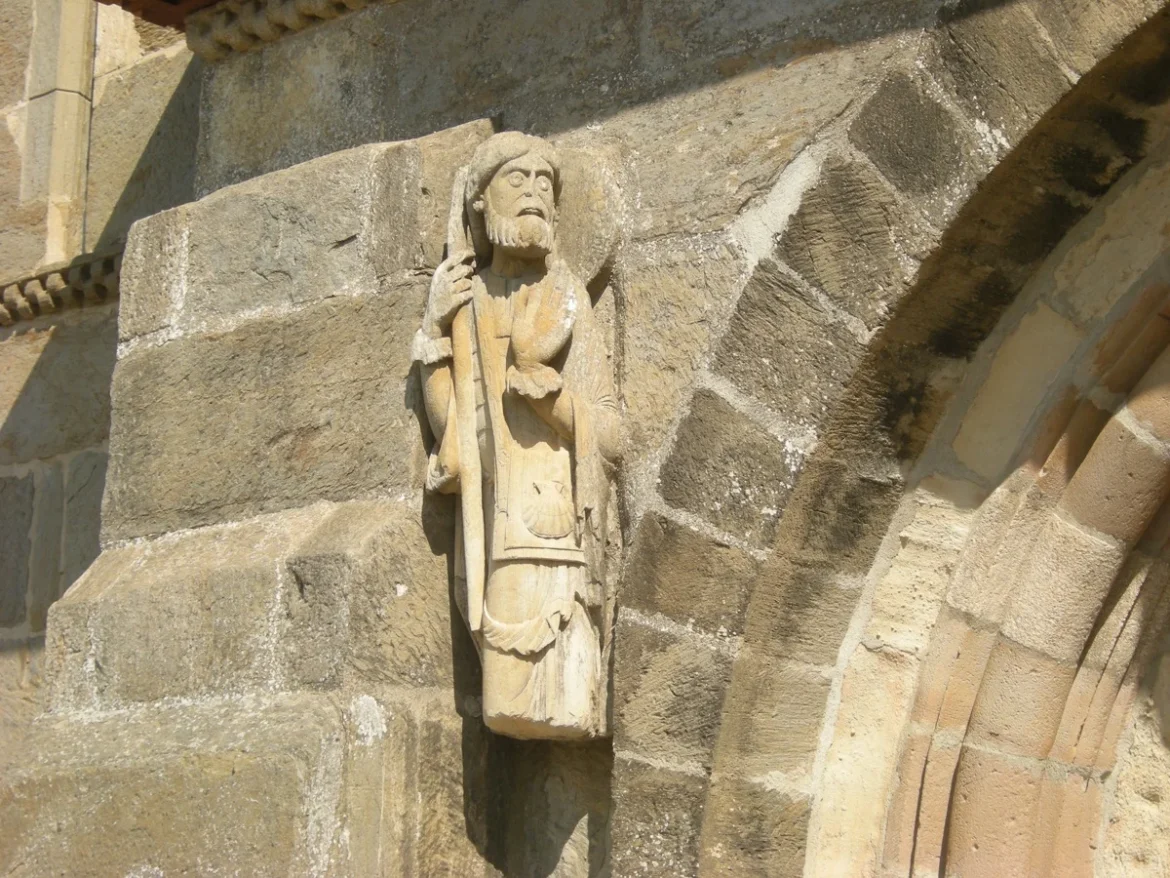
Santa Marta de Tera offers a reason to take time over the stage. A figure of Saint James appears on the church as a pilgrim, a visible link between the place and the journey. The Galician government’s guide to the Vía de la Plata traces the pilgrimage connections through the Tera valley and Sanabria. To work out where to stop, check the route guide alongside current accommodation information for the dates you intend to walk.
The Camino de Madrid through Segovia to Sahagún
The Camino de Madrid links the Spanish capital with Sahagún via Segovia and Medina de Rioseco. It crosses the Sierra de Guadarrama and then continues across the plains of Castile. The stages before and after Segovia have different terrain and services, so use the stage maps in the Castile and León tourism guide to plan where you will refill water, find food and stay overnight.
Sahagún is the junction with the Camino Francés. Plan the miles west of Sahagún as part of the same journey if Santiago is your destination. A pilgrim with only enough time to walk as far as Sahagún can treat that town as the end of a first trip and start there on a later visit. Keep the credential if you intend to combine successive sections of the pilgrimage.
The Camino del Salvador from León to Oviedo
The Camino del Salvador links León and Oviedo across the Cantabrian Mountains. Oviedo is the destination of this leg and the starting point of the Camino Primitivo for pilgrims continuing to Santiago. Build both legs into your itinerary if you are aiming to reach Compostela on the same trip. The mountain crossing is a reason to review the route profile and check current conditions before committing to daily distances.
The Holy Year and the Compostela
The Cathedral of Santiago explains that a Compostela Holy Year falls when the feast of Saint James, 25 July, falls on a Sunday, as it does in 2027. Its pilgrimage page outlines the conditions for the Jubilee indulgence, including a visit to the cathedral and prayer, confession and Communion. Consult the cathedral’s guidance for the full conditions.
The Compostela is the pilgrimage certificate issued by the cathedral through the Pilgrim’s Reception Office. The office publishes separate requirements for the certificate, including the qualifying distance and use of a credential. If receiving it is part of your plans, check the current rules before settling on a starting point, especially if your itinerary joins another route along the way.
Sources: ABC (starting point), Castile and León Tourism, Camino de Madrid, Castile and León Tourism, Camino del Salvador, Xunta de Galicia, Vía de la Plata, Santiago Cathedral and Pilgrim’s Reception Office. Cover photo: Segovia’s aqueduct, Zarateman / Wikimedia Commons, CC0 1.0.
Imágenes: File photo by José Antonio Gil Martínez / Wikimedia Commons, CC BY 2.0 | File photo by Ulemas7 / Wikimedia Commons, CC BY-SA 4.0 | File photo by Zarateman / Wikimedia Commons, CC0 1.0.