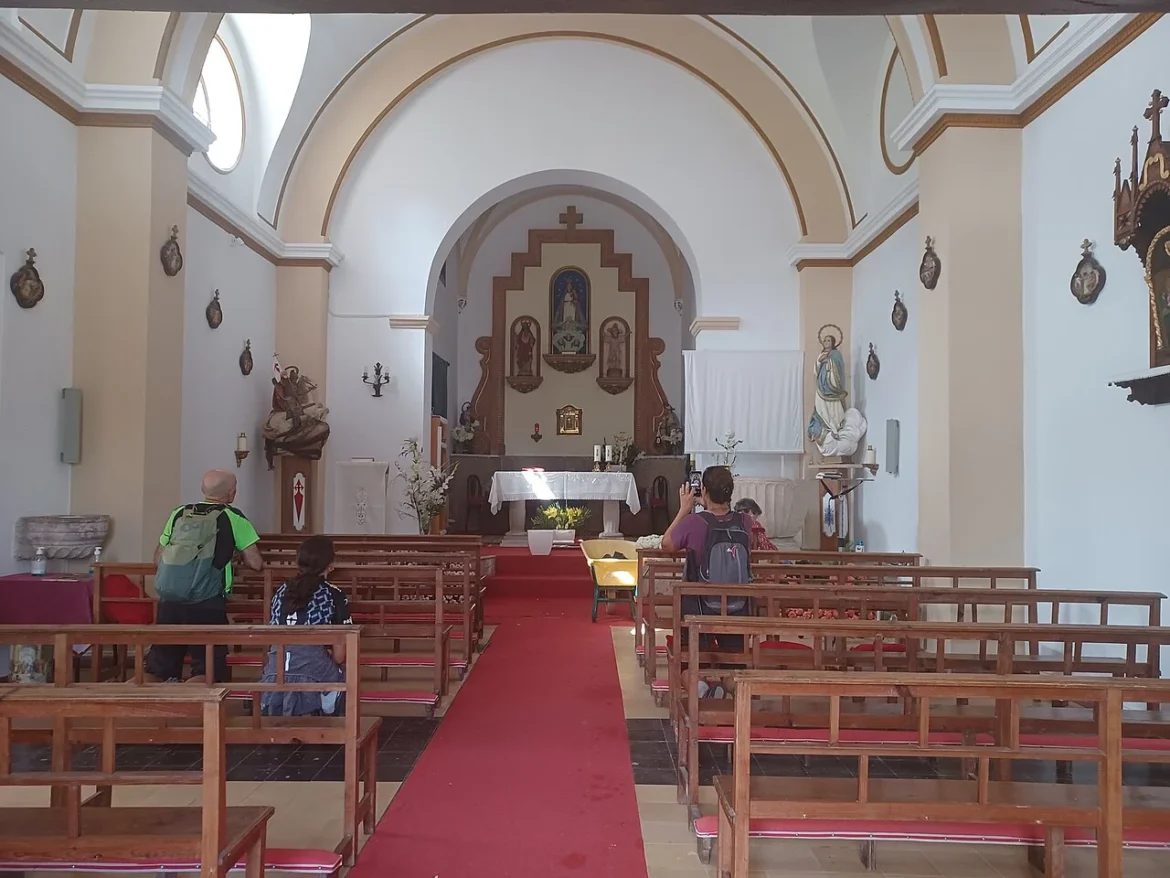
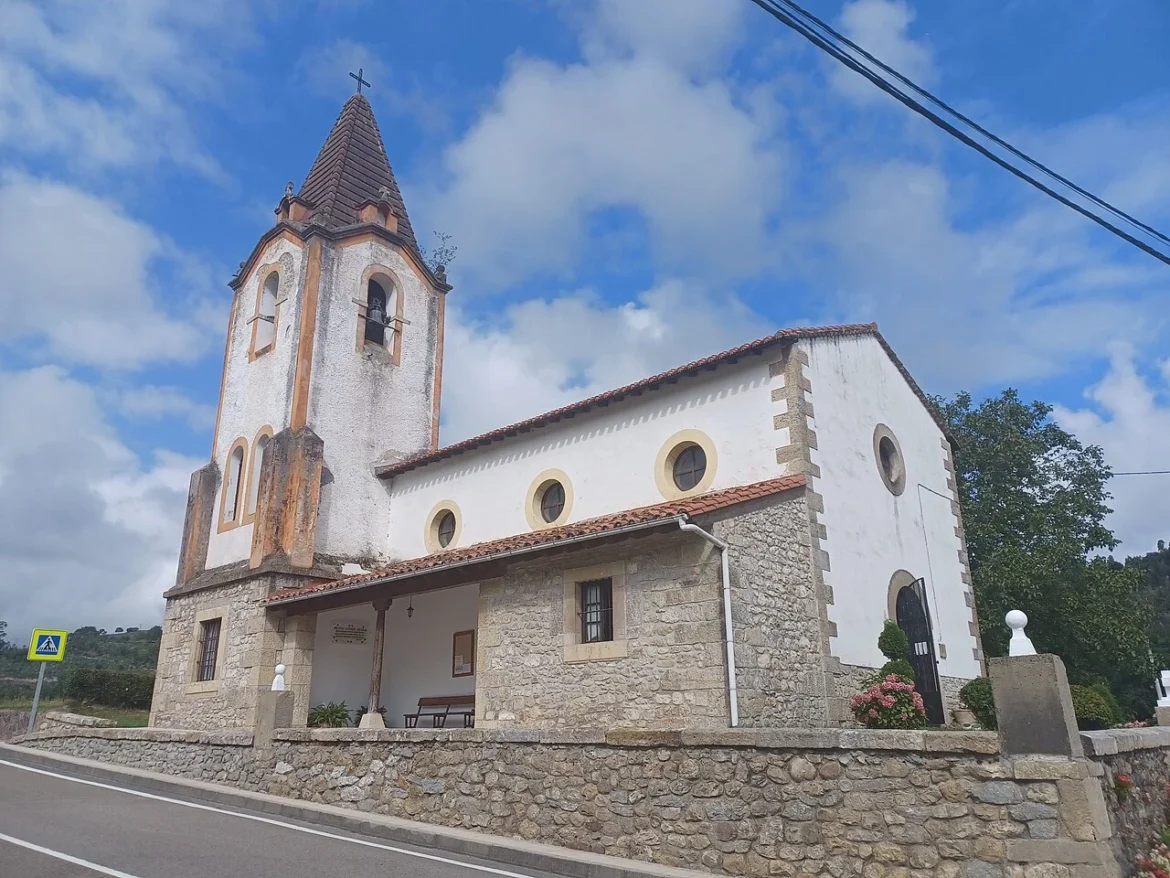
History of Muñorrodero
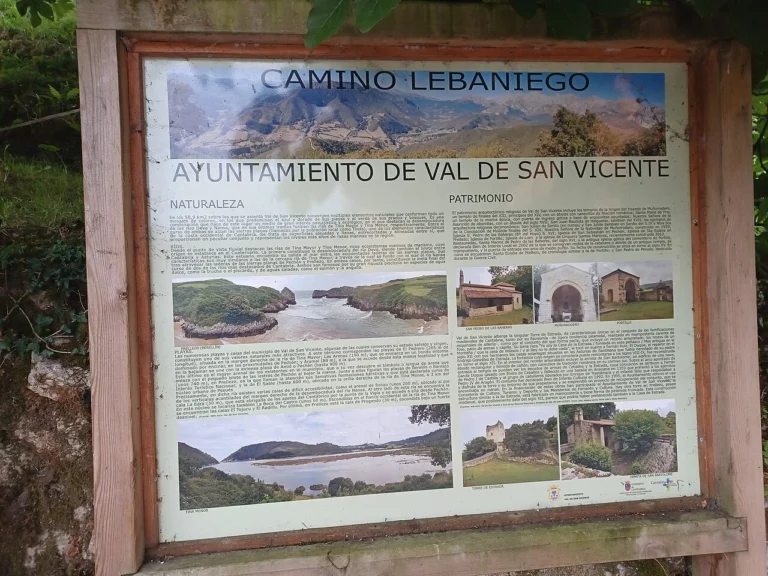
Muñorrodero is located next to the Nansa River, in a place where water and communications have conditioned the life of the nearby communities. The lower course of the river, its riverbank areas and the passages into the interior explain the historical importance of this environment for movements between towns and for the traditional uses of the valley.
For generations, the relationship with the Nansa included activities linked to river resources, access roads to farms and the small infrastructure necessary to cross the territory. More recently, the river path has recovered and conditioned part of this landscape for walking, allowing you to discover its riverside forests and the constant proximity of the riverbed.
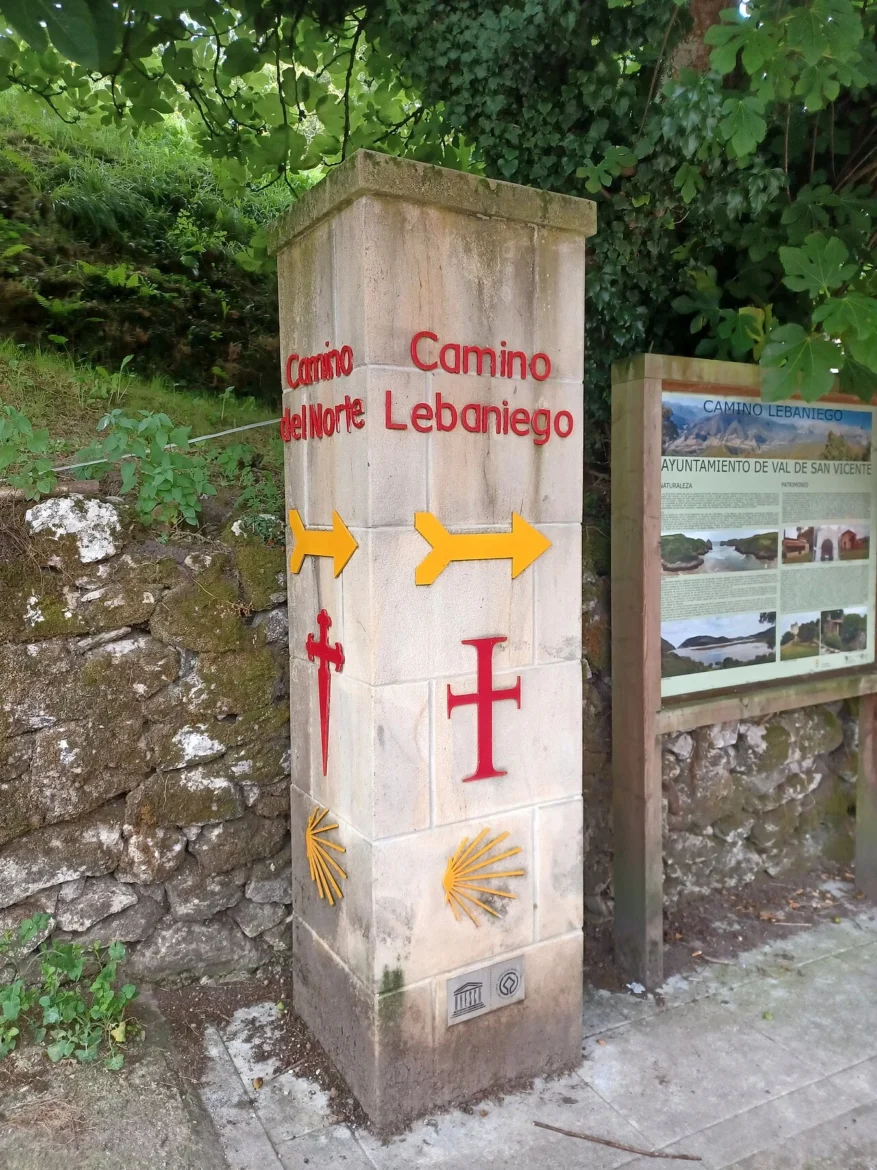
For those who follow a pilgrimage route, Muñorrodero also has a special meaning: here the Camino del Norte, which continues towards Santiago along the coast, and the Camino Lebaniego, which turns towards the mountains and the monastery of Santo Toribio, separate. This bifurcation turns a small nucleus into a reference point within two different pilgrim traditions.
Sources: Camino Lebaniego Foundation, official itinerary from San Vicente to Cades; documentation of the Nansa Valley about its trails and heritage.