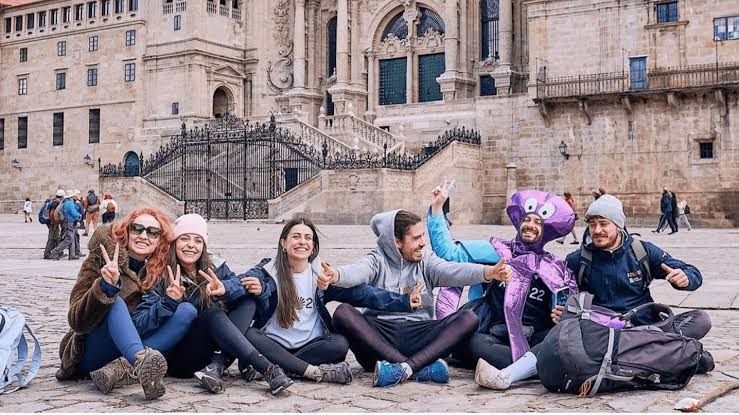
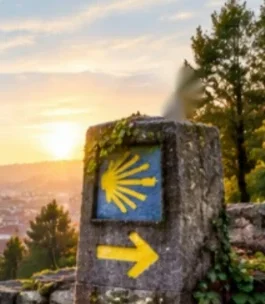

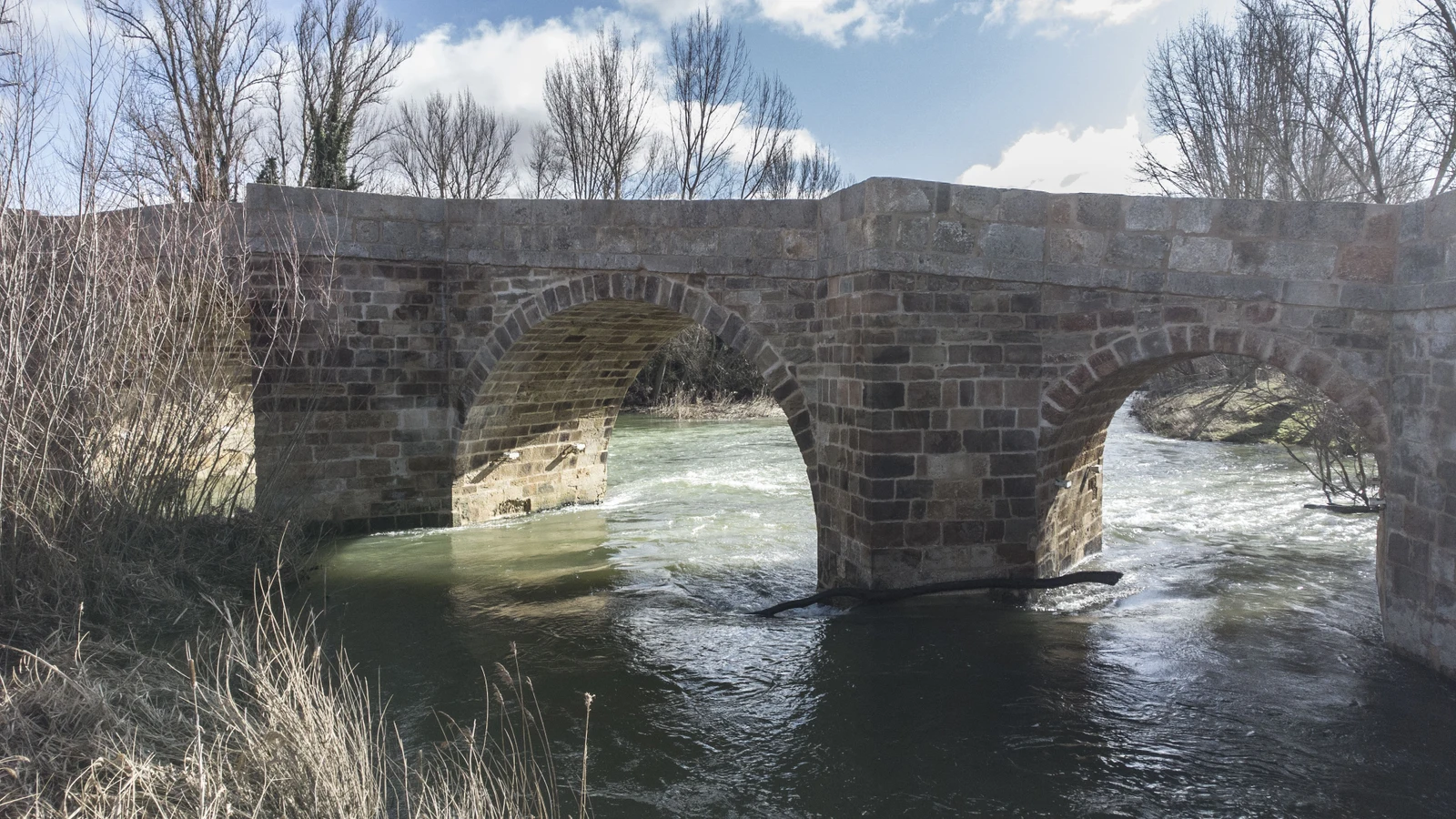
Upwards of 400,000 travelers a year journey the yellow arrows and scallop-shell markers along the Camino de Santiago.
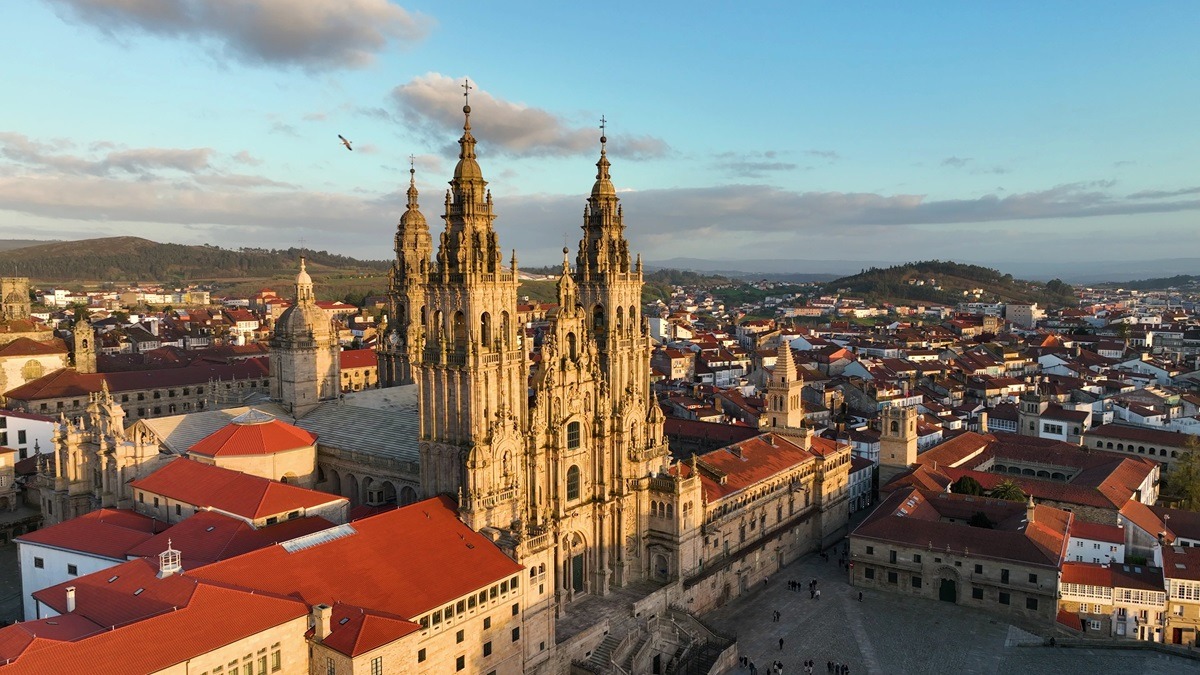
The historic pilgrimage routes lead to the city of Santiago de Compostela, Spain, home to one of Christendom’s holiest sites: the tomb believed to hold the remains of St James the Apostle (called Santiago in Spanish) inside the city’s magnificent cathedral.
Numbers on the caminos have multiplied tenfold since the late 1990s and many walkers will be seeking out less frequented alternatives to the classic Camino Francés. There are options long and short, hard and easy, to suit every pair of feet. Take note that the paths will likely be more crowded than ever and plan ahead with this handy guide to the most popular Camino de Santiago routes, making sure you’re able to choose the right one for you.
Camino Francés
The classic: long and extremely popular
The Camino Francés (French Way) is the route with the richest tradition, still followed by more people than all other caminos combined. It starts at St-Jean-Pied-de-Port on the French side of the Pyrenees and crosses about 770km/478 miles (around five weeks on foot) of northern Spain en route to Santiago de Compostela.
To many people, this is the Camino de Santiago, a time-honored penitential route and a demanding challenge requiring both mental and physical stamina. It passes through the vineyards of La Rioja, across the sparsely populated croplands of the meseta (Spain’s central plateau) and over 1300m-high (4265ft) hills into the rural greens of Galicia (Spain’s northwestern region, of which Santiago de Compostela is capital).
Camino Portugués
The landscape gets greener as you proceed northward and the camino is practicable year-round, though it’s preferable to avoid the heat of July and August on the southern half. A popular variant, starting from Porto, is the Camino Portugués de la Costa (Portuguese Coastal Way) running close to the beach-strung Atlantic coast.
Camino del Norte
Five weeks near Spain’s surprising north coast
Traveled by around 20,000 people a year, the Northern Way parallels Spain’s north coast for over 600km/373 miles from Irún on the French border to Ribadeo, then heads inland across Galicia to Santiago de Compostela. Many Norte walkers are looking for a less-traveled alternative to the Camino Francés. It’s similar in length but was used by far fewer pilgrims in medieval times, as is the case today.
While some sections run alongside beautiful beaches and plunging cliffs, the majority of the route travels inland: some days you won’t see the sea at all. You pass through large cities – San Sebastián, Bilbao, Santander, Gijón – as well as pretty coastal towns like Comillas, Ribadesella and Luarca. There are a few longish stretches of road walking. The hilly early stages across the Basque Country provide some of the most beautiful scenery.
Camino Primitivo
Two weeks of gorgeous green countryside; relatively tough
The Camino Primitivo (Original Way), some 320km/199 miles long, follows the footsteps of the first recorded pilgrimage to St James’ tomb, made by King Alfonso II of Asturias from Oviedo in the 820s.
It’s considered one of the tougher caminos because of the hilly terrain of its first eight or nine days (which can make it impracticable in the snowy winter months). But the ups and downs only enhance the beauty of the landscapes, and the route is manageable for any fit walker. Numbers on this camino are relatively light, just sufficient to provide good fellowship.
FUENTE: LONELY PLANET