













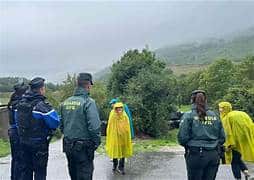
Police and Civil Guard boost protection for pilgrims on Spain’s most famous route
As the Camino de Santiago continues attracting record numbers of pilgrims from around the world, authorities in León have announced new measures to reinforce security along one of the most important sections of the historic pilgrimage route.
The initiative brings together the Spanish Government, the Civil Guard and the National Police in a coordinated effort designed to improve safety, provide assistance to travelers and protect the growing number of visitors walking through the province. For many international pilgrims, León represents one of the most memorable parts of the Camino Francés, with iconic locations such as Astorga, Hospital de Órbigo, Foncebadón, Ponferrada and Villafranca del Bierzo welcoming thousands of walkers every year.
The increase in visitors has been remarkable. Pilgrims arrive not only for spiritual reasons but also for hiking holidays, cultural tourism, rural tourism, wellness travel, gastronomy experiences and nature tourism. As a result, maintaining a safe environment has become a priority for local authorities and tourism organizations.
Officials say the reinforced security plan includes a stronger presence of officers along key sections of the route, increased patrols in busy pilgrimage areas and closer cooperation with local councils, hostel owners and pilgrim associations. The goal is not only to prevent incidents but also to offer support and guidance to travelers who may need assistance during their journey.
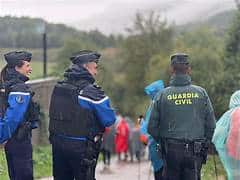
Technology is also playing an increasingly important role. Pilgrims are encouraged to use digital safety tools such as AlertCops, which allows users to share their location and receive important security information while traveling. Authorities believe these resources help create a safer and more comfortable experience for both domestic and international visitors.
One reason the Camino remains so popular is its reputation as one of Europe’s safest long-distance walking routes. That reputation is considered essential for local hotels, rural accommodation providers, restaurants, travel services and tourism businesses that depend heavily on pilgrimage-related travel.
For many villages and towns along the Camino, tourism has become a vital source of economic activity. Every pilgrim who walks through León supports local businesses, stays in accommodation, eats in restaurants and contributes to the rural economy. Protecting that experience is therefore about much more than security alone—it is also about protecting jobs, investment and the future of tourism in the region.
With the number of pilgrims expected to continue growing ahead of the next Holy Year, León is determined to preserve the Camino’s image as a welcoming, safe and unforgettable journey.
For thousands of travelers, the Camino de Santiago is far more than a hiking route. It is an adventure, a personal challenge and often a life-changing experience. The new security measures aim to ensure that the memories pilgrims take home are of stunning landscapes, historic villages and meaningful encounters—not avoidable problems.