











Visitors from the United States enjoy a deeper experience beyond the traditional pilgrimage route
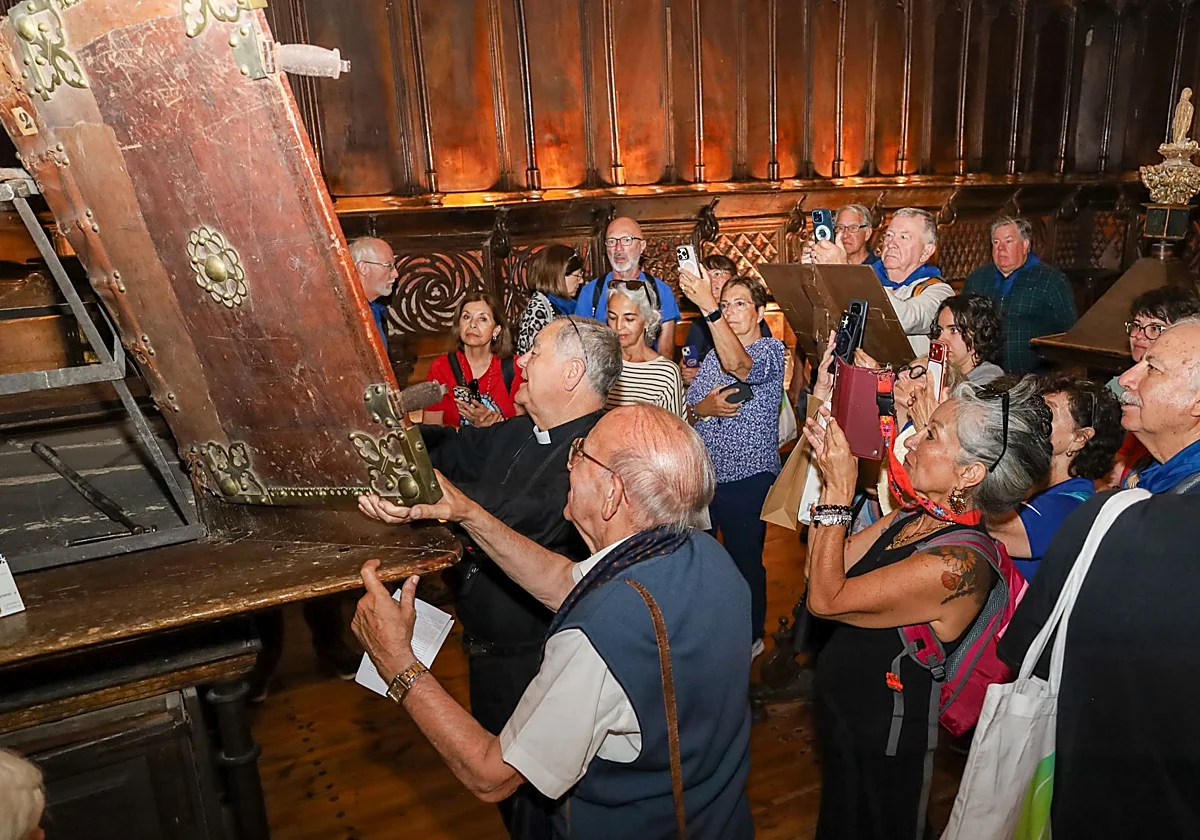
A group of American pilgrims has recently discovered a different side of the Camino de Santiago in the province of Palencia, enjoying not only the famous pilgrimage route but also the region’s rich cultural heritage, Romanesque architecture, gastronomy and historic landmarks. The initiative reflects a growing trend among international travelers who return to Spain to explore the territories of the Camino in greater depth.
The visitors, members of the organization American Pilgrims on the Camino, took part in a cultural journey designed to showcase the history, traditions and artistic treasures of Palencia. Instead of focusing solely on walking stages, the program allowed participants to immerse themselves in the landscapes, monuments and local communities that have shaped the Camino de Santiago for centuries.
The province of Palencia occupies a privileged position on the Camino Francés, one of the world’s most famous pilgrimage routes. More than 70 kilometers of the Camino cross the province from east to west, connecting historic villages, churches, monasteries and some of Spain’s finest examples of Romanesque architecture.
Among the highlights of the visit were towns such as Carrión de los Condes and Frómista, two of the most iconic destinations along the Camino. Their medieval streets, religious heritage and centuries-old pilgrim traditions continue to attract visitors from around the globe.
Participants also explored lesser-known cultural attractions, including the famous Canal de Castilla, the Roman Villa of La Olmeda and several historic monasteries that reveal the extraordinary historical richness of the region. These sites help visitors understand that the Camino is not only a pilgrimage route but also a journey through the history of Spain and Europe.
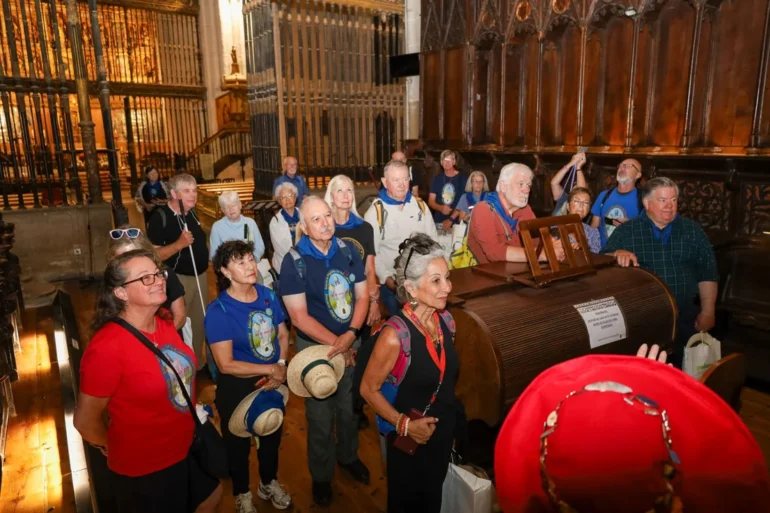
The growing interest of American travelers is particularly significant because the United States has become one of the largest international sources of pilgrims walking to Santiago de Compostela. Many visitors complete the Camino once and later return to explore the regions they crossed during their pilgrimage, generating new opportunities for cultural tourism, rural tourism and heritage tourism.
Local tourism officials believe that experiences like this help promote a more sustainable model of travel. Instead of rushing from one destination to another, visitors spend more time discovering local traditions, supporting family businesses, staying in rural accommodations and learning about the communities that keep the spirit of the Camino alive.
Palencia has increasingly positioned itself as one of the hidden gems of the Camino de Santiago. Its peaceful landscapes, historic villages, impressive churches and welcoming atmosphere offer a contrast to some of the busier sections of the route. Many pilgrims describe the province as one of the most authentic stretches of the entire Camino Francés.
The visit also strengthened cultural ties between Spanish Camino associations and international pilgrim organizations. These relationships are helping to increase awareness of lesser-known destinations while encouraging visitors to explore the Camino beyond the traditional pilgrimage experience.
As interest in cultural travel, heritage tourism, rural experiences and authentic destinations continues to grow, Palencia is becoming an increasingly attractive destination for international visitors. For many American pilgrims, the province offers something unique: the opportunity to reconnect with the Camino at a slower pace while discovering the stories, monuments and traditions that make this historic route one of the most extraordinary journeys in the world.