Could South Korea offer a new adventure for people who love the Camino de Santiago? The Korea Dulle Trail stretches approximately 4,500 kilometres along the country’s coastline and northern border regions. With four distinct routes, spectacular scenery and a growing focus on walking tourism, it offers an extraordinary opportunity to discover a different side of South Korea.
For many travellers, walking the Camino de Santiago is about much more than reaching a destination. It is about discovering landscapes, meeting people, exploring local cultures and experiencing the world at a slower pace.
Thousands of kilometres away, South Korea has developed an ambitious walking network that shares some of those qualities, although its history and purpose are very different.
Known as the Korea Dulle Trail, this extensive network links coastal communities, historic towns, natural landscapes and areas close to the Demilitarized Zone (DMZ).
The complete route was officially inaugurated in September 2024, following years of development. In 2026, the country continues to promote walking tourism through new programmes, local initiatives and investment in selected sections.
A walking route nearly six times longer than the Camino Francés
The Korea Dulle Trail covers approximately 4,500 kilometres, compared with the roughly 780 kilometres commonly associated with the Camino Francés from Saint-Jean-Pied-de-Port to Santiago de Compostela.
That makes the Korean walking network around 5.7 times longer than the most internationally recognised route of the Camino de Santiago.
However, the comparison requires some perspective.
The Camino de Santiago is itself a vast network of pilgrimage routes extending across Spain and other European countries. The Korea Dulle Trail, meanwhile, was designed primarily for recreational walking, cultural discovery and regional tourism.
Both invite travellers to explore places that are often overlooked by conventional tourism.
Four routes around South Korea
The Korea Dulle Trail is divided into four main sections, each offering a different experience.
Haeparang Trail: the eastern coast
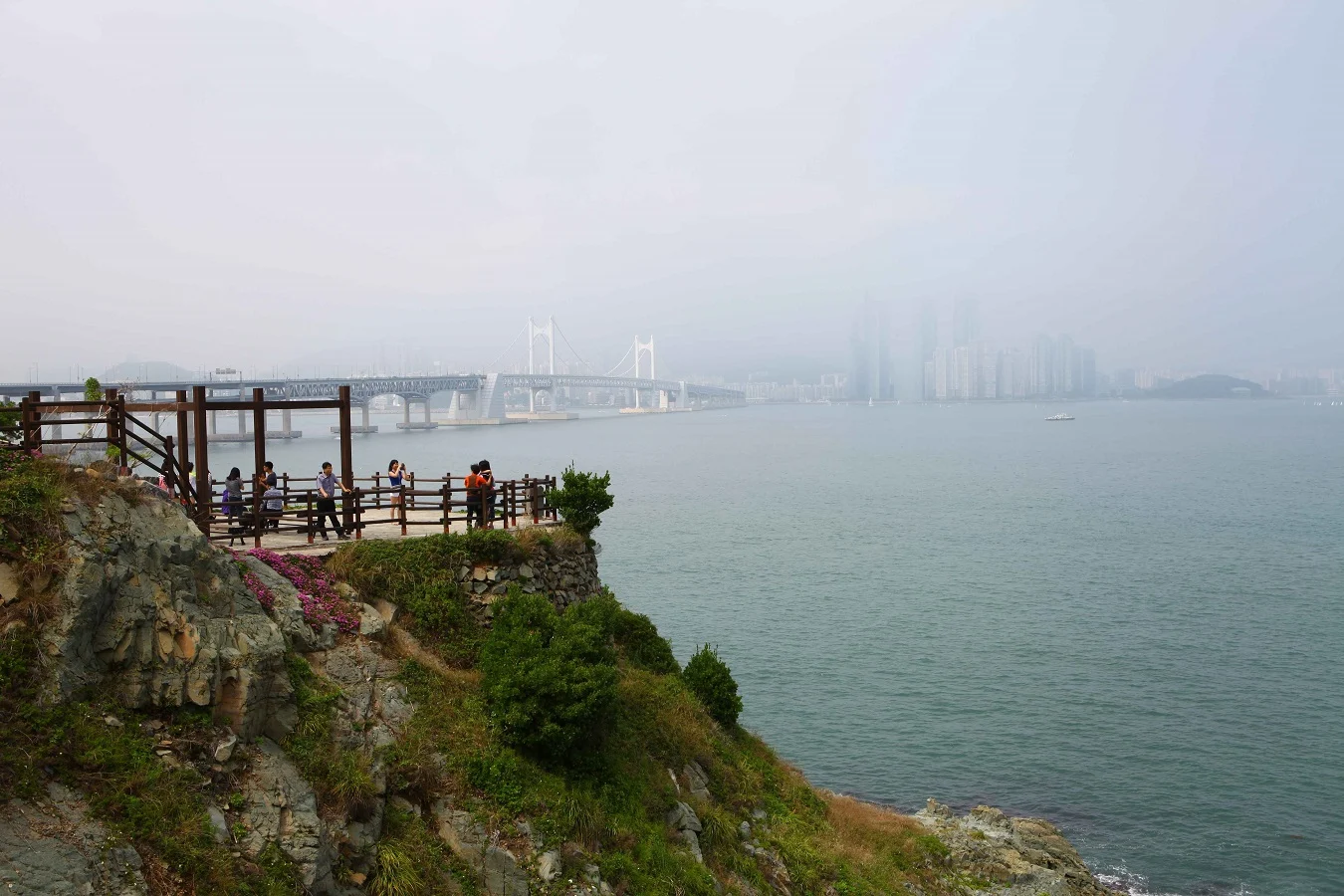
This route follows South Korea’s eastern coastline, passing beaches, fishing communities, historic sites and dramatic coastal scenery.
It offers walkers the opportunity to discover destinations such as Busan, Gyeongju and Gangneung.
Namparang Trail: the southern coast
The southern section connects coastal towns, islands, harbours and rural landscapes.
Traditional communities and maritime culture play an important role in this part of the journey.
Seohaerang Trail: the western coast
The western route crosses areas known for their tidal flats, fishing villages, sunsets and agricultural landscapes.
It offers a different perspective on South Korea, far from the country’s major metropolitan centres.
DMZ Peace Trail: walking near the border
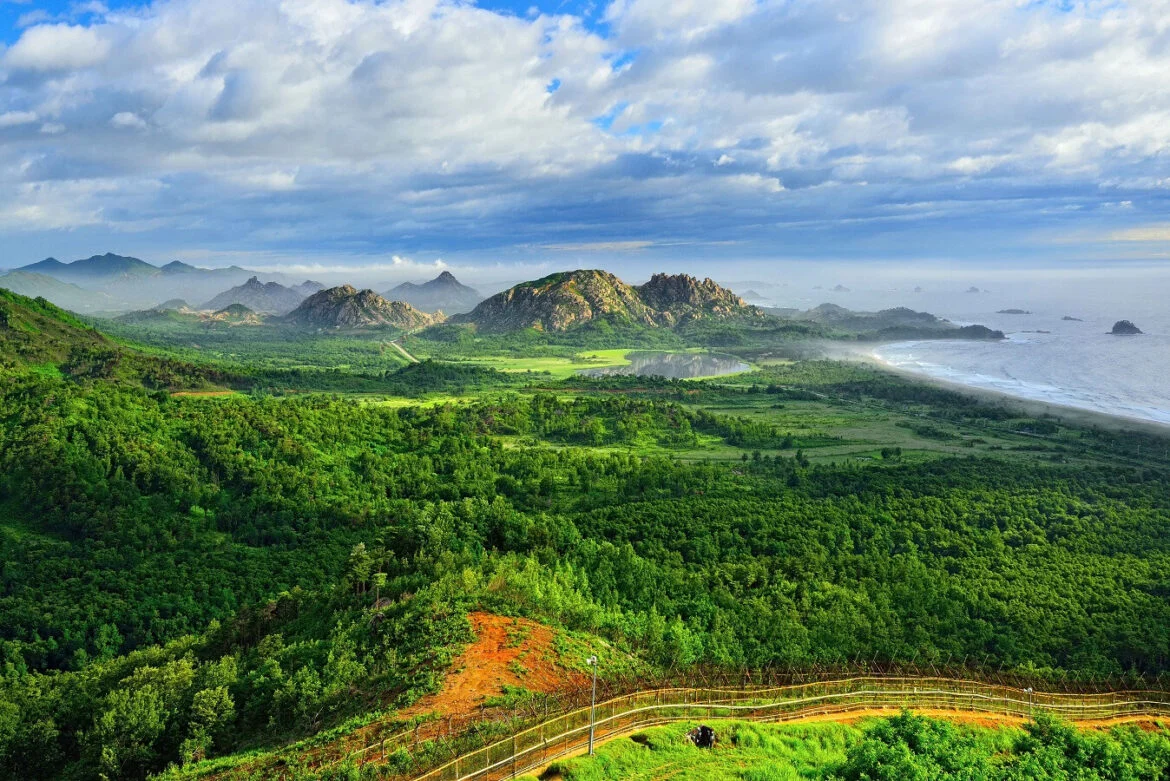
Perhaps the most distinctive section is the DMZ Peace Trail, developed in areas near the border between North and South Korea.
Its purpose is closely linked to peace, history and the experience of divided communities.
Access to certain sections is regulated and visitors may need to follow specific procedures or make advance reservations.
New opportunities for walking tourism in 2026
South Korea continues to invest in the development and promotion of its walking routes.
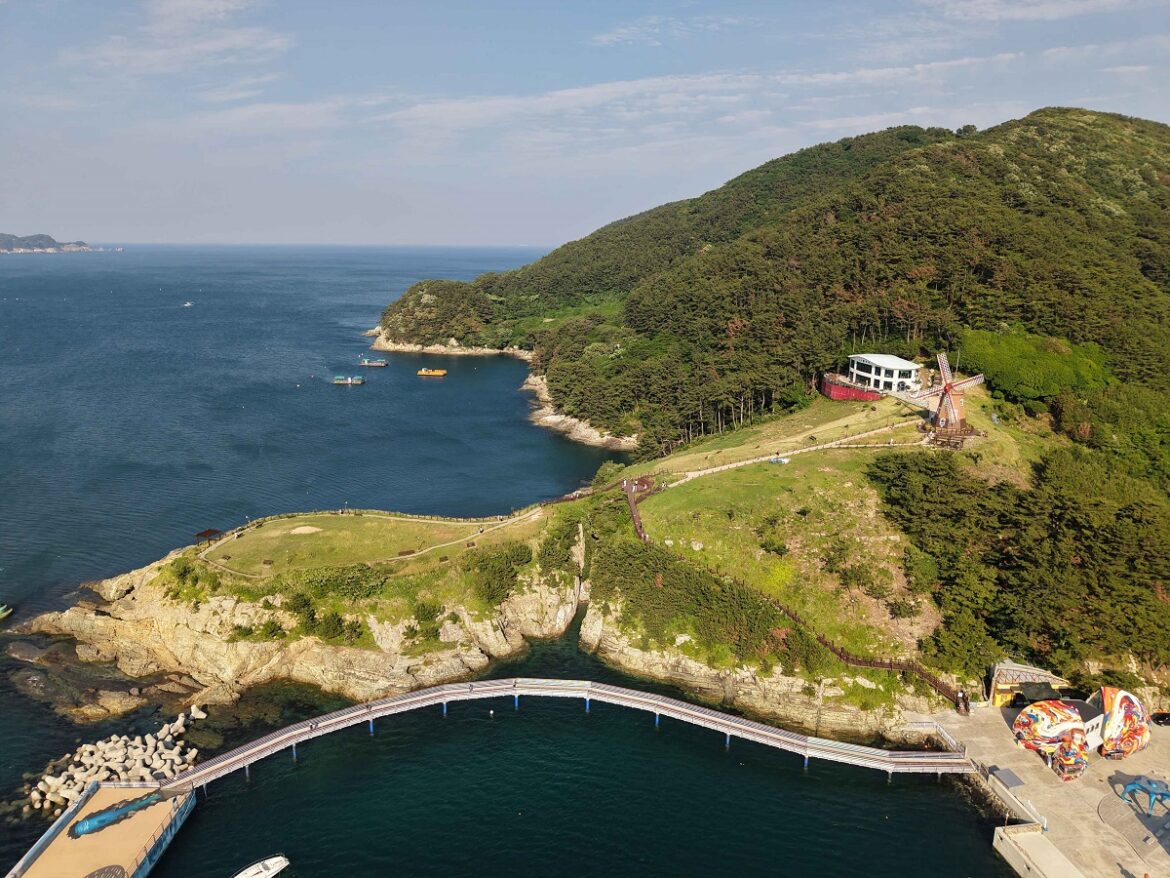
In November 2026, two coastal areas in North Gyeongsang Province, Gyeongju and Yeongdeok, were selected for tourism programmes linked to the Korea Dulle Trail.
These initiatives aim to encourage visitors to explore local destinations and combine walking with cultural and regional experiences.
The Korean government has also promoted events connecting walking, nature, tourism and wellbeing.
The objective is not simply to attract people to famous destinations, but to encourage travel through smaller communities and lesser-known regions.
Could Camino pilgrims enjoy the Korean experience?
For people who have already walked the Camino Francés, the Camino Portugués or the Camino del Norte, South Korea could offer a fascinating alternative.
The landscapes are different, the culture is different and the traditions are different. Yet the experience of travelling slowly, meeting local people and discovering new places on foot may feel surprisingly familiar.
Unlike the traditional Camino experience, however, travellers should not assume that accommodation, pilgrim hostels or services follow the same model as those in Spain.
Careful planning is particularly important when walking remote sections or routes near restricted border areas.
The Korea Tourism Organization provides information through Durunubi, a digital platform offering trail maps, route descriptions, transport information and an electronic stamp system.
A different way to discover the world
The growing international interest in long-distance walking reflects something that Camino pilgrims have understood for generations: travelling on foot can change the way we experience a place.
South Korea’s 4,500-kilometre network is another example of how walking routes can connect local communities, protect cultural identity and encourage more meaningful travel.
The Korea Dulle Trail is not another Camino de Santiago, nor does it need to be.
It is a different journey, with its own landscapes, traditions and stories.
And perhaps that is exactly what makes it interesting.
Would you travel to South Korea to experience a walking route inspired by the same spirit of discovery that brings people to the Camino de Santiago?
Camino de Santiago RTV — Walking together, 24 hours a day.