






European Erasmus+ project aims to train the next generation of tourism and heritage professionals
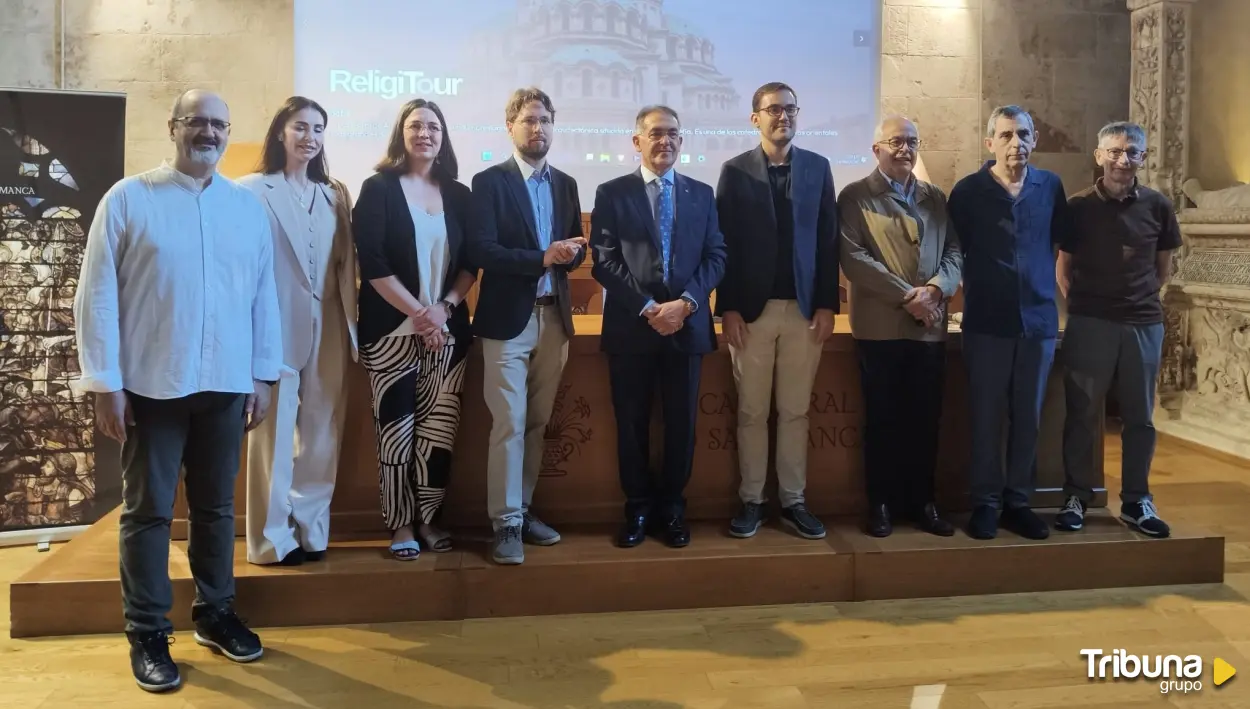
A new European initiative is working to ensure that religious tourism becomes part of university education across Europe. The project, known as ReligiTour, was recently presented in Salamanca, Spain, where academics, tourism experts and heritage professionals gathered to discuss the future of religious tourism and its growing importance within the European travel sector.
Funded through the Erasmus+ programme, ReligiTour has spent the last three years developing educational resources, training materials and digital learning tools designed to help universities incorporate religious tourism into their academic programmes. The project brings together partners from several European countries and promotes a multidisciplinary approach that combines tourism, heritage management, cultural studies, history, economics and education.
More Than Pilgrimage
According to the researchers involved, religious tourism is often misunderstood as simply visiting churches, cathedrals or pilgrimage destinations.
In reality, it encompasses much more.
Religious tourism includes cultural heritage, architecture, sacred art, music, traditions, local identity, symbolism and even linguistic heritage. It attracts millions of visitors every year and generates significant economic activity in cities, towns and rural areas throughout Europe.
The project’s objective is to provide universities with practical resources that can be integrated into tourism degrees, heritage management programmes, cultural studies courses and other academic disciplines connected to tourism development.
A Growing Sector Across Europe
Experts involved in the project highlight that religious tourism remains one of the most important forms of cultural travel worldwide.
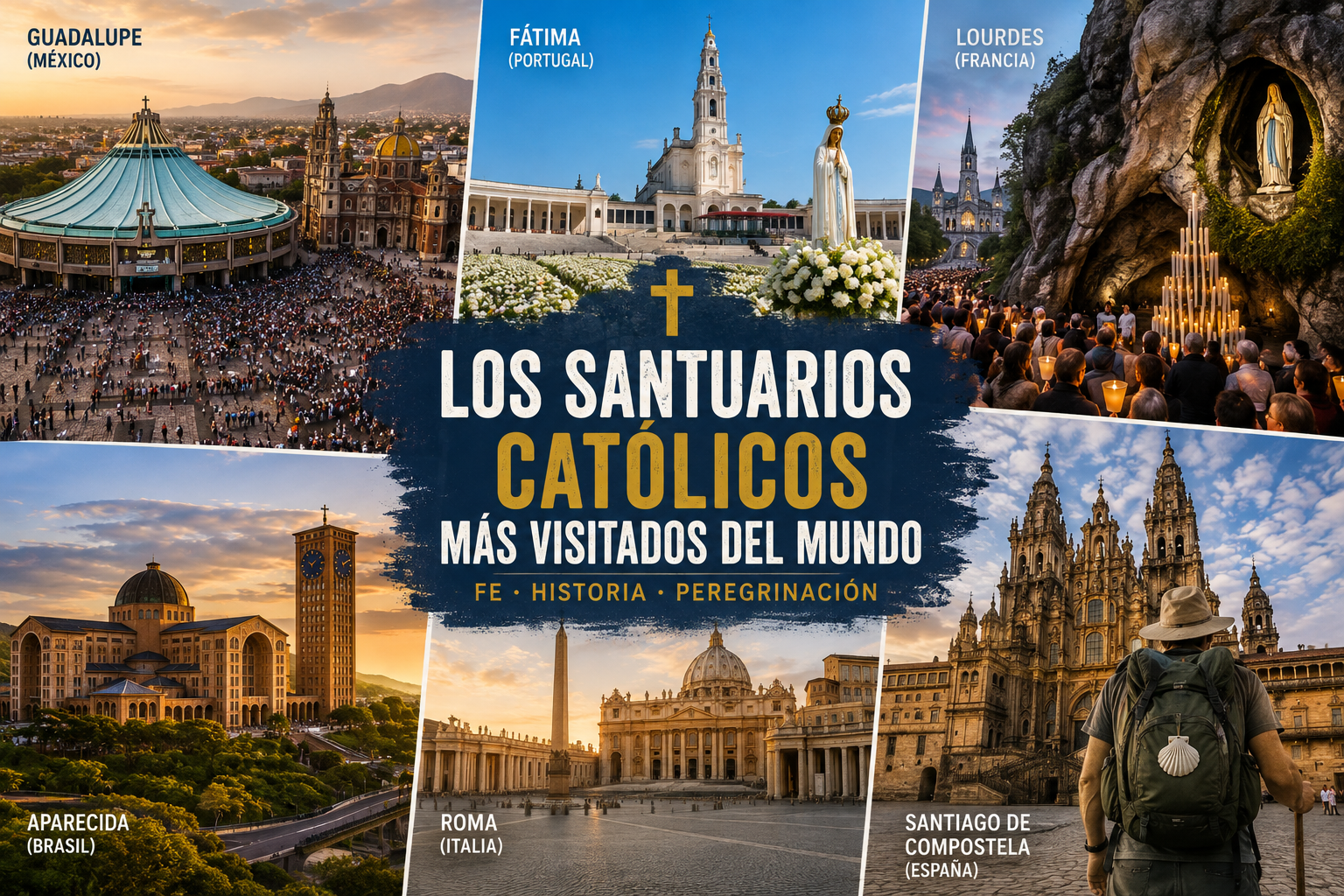
Destinations such as the Camino de Santiago, the Vatican City, Lourdes and many other pilgrimage sites attract millions of visitors every year.
However, despite its economic and cultural importance, religious tourism has often received limited attention within formal university curricula. ReligiTour hopes to bridge that gap by providing modern teaching materials that reflect the realities of today’s tourism industry.
A European Perspective
One of the most distinctive aspects of the project is its international focus.
Researchers emphasize that the initiative is not limited to Christianity or Catholic pilgrimage traditions. Instead, it examines the major religious traditions present across Europe and explores how religious heritage contributes to tourism, cultural dialogue and territorial development.
The project also seeks to support professionals already working in the sector, including tour guides, heritage managers, cultural institutions and tourism organizations. By improving training opportunities, the initiative hopes to encourage more sustainable and informed management of religious heritage sites.
Opportunities for the Camino de Santiago
For destinations linked to pilgrimage routes, including the Camino de Santiago, projects such as ReligiTour could play an important role in shaping the future of tourism.
The Camino is one of Europe’s most successful examples of religious and cultural tourism, attracting pilgrims and visitors from more than 180 countries every year. Better academic understanding of religious tourism may help future professionals develop new strategies for preservation, accessibility, sustainability and visitor experience.
Looking Ahead
As religious tourism continues to grow globally, initiatives like ReligiTour demonstrate that universities are beginning to recognize the importance of this sector.
By combining education, heritage and tourism, the project aims to prepare future professionals to manage some of Europe’s most valuable cultural and spiritual destinations.
For the millions of travelers who follow pilgrimage routes such as the Camino de Santiago, that could mean a future where religious tourism is studied, understood and managed with greater expertise than ever before.