What if the Camino Francès were explored no només a la pilgrimage route, però a vast open-air museum? A New Spanish-language book by Enrique Agudo Mora convides readers to do exactly that. Present on 5 November 2026 at Santiago de Compostela's Diocesan Museum, El Camí de Sant Jaume. Per amor a l'art brings per a 808 pages and around 4,000 fotografies per explorar l'art, l'architecture and historical memory of the Way of St James.
Published by PPC, the volume is much more than a collection of attractive monuments. Maps, timelines, il·lustracions i explanatory material inclouen les característiques d'arts de pilgrimage routes in their historical setting. Its final section torns a la Cathedral of Santiago, a l'arribada de les quals centuries de journeys, buildings i stories have taken shape.
La launch brought tot Archbishop Francisco Prieto of Santiago, l'author, Cathedral Foundation director Daniel Lorenzo, PPC editorial director Francisco Javier Navarro i Raquel Jaén, director del Museum de Sant Isidor en Lleó. Ther presence també reflecteix el bret de la subjecta: el camí heritage Belongs per a moltes ciutats i regions, no just els seus finals.
Camí Francès art: what pilgrims can miss on foot
Walkers often remember the landscape first. The recall the long Castilian horizons, a sudden change in weather, or the relief de reaching a village after a difficult climb. Yet the Camino Francès is also an exceptional chain of churches, monestirs, bridges, old hospitals i urban centres, each shaped by generations of visitors and local communities.
A doorway carved with figures medievals no és merely a decorative entrance. It mai reveal how people were taught religious stories, how craftworkers understood their world and how settlement related to passing travellers. A cathedral can tell l'story de cites prosperitats, political influence and artistic ambitions. These details become easier to recognise when reader has a well-explained visual reference.
Les publicacions descriptions inclouen les biblioteques combines historical analysis with biographies, definitions and contextual explanations, arrenged geographically along the Spanish pilgrimage routes. Although new presentation focuses en el French Way, el publicar als mentions heritage connected with la Aragonesa route and nearby towns de particular historical importance.
From Burgos to León: reading a route through its buildings
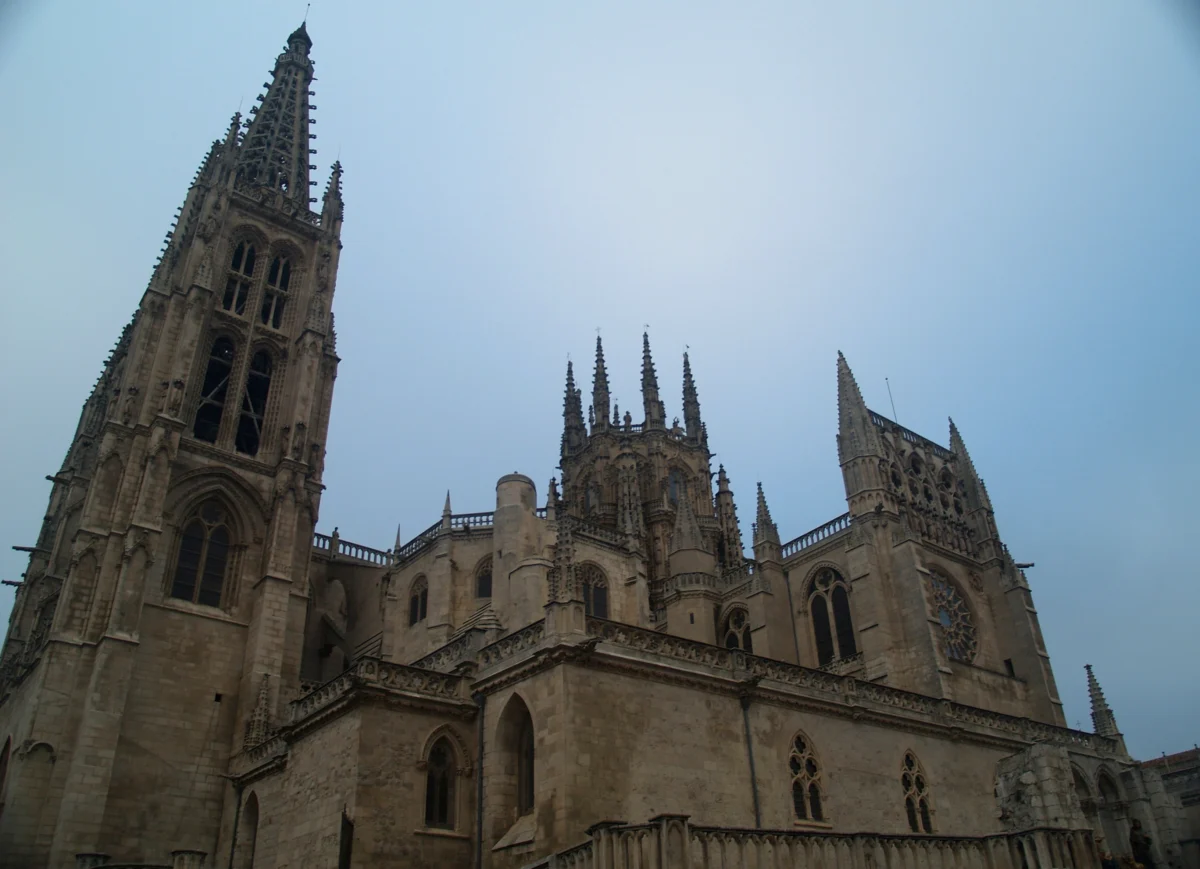
Burgos Cathedral ofers a vivit example of what an art-focused pilgrimage can reveal. Its Gothic architecture rewards a closer look at façades, sculptural details and the relationship between a major religious building and the city surrounding it. El cathedral no simplement s'acosta a Santiago; it és part de la història que gires el route dels seus caràcters.
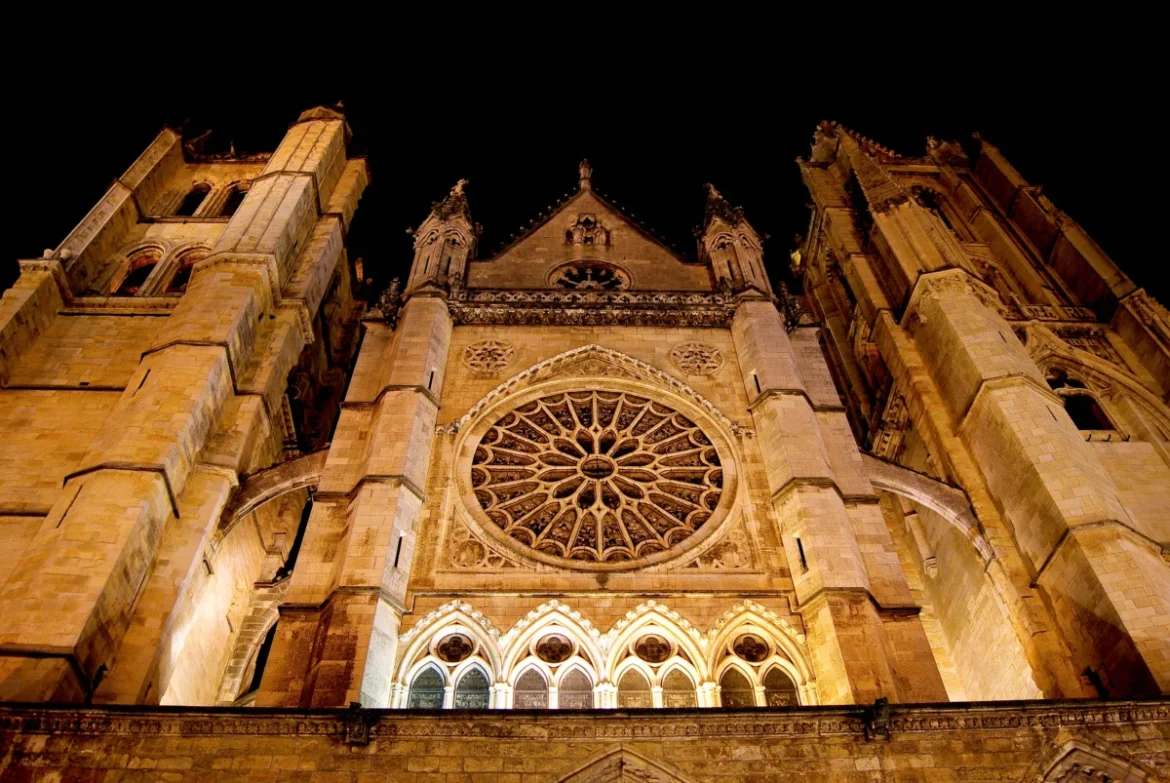
Further west, Lleó brings together different artistic traditions. Aquest cathedral és famós per a l'arxitectura gotètica i glaçada, mentre que la Basílica de Sant Isidor preserves un important Romanesque legacy. El contrast convides travellers per a notícia de les artístiques i les tecnologies de recerca per a les centuries sense introduir les places en la cultura de la imatge.
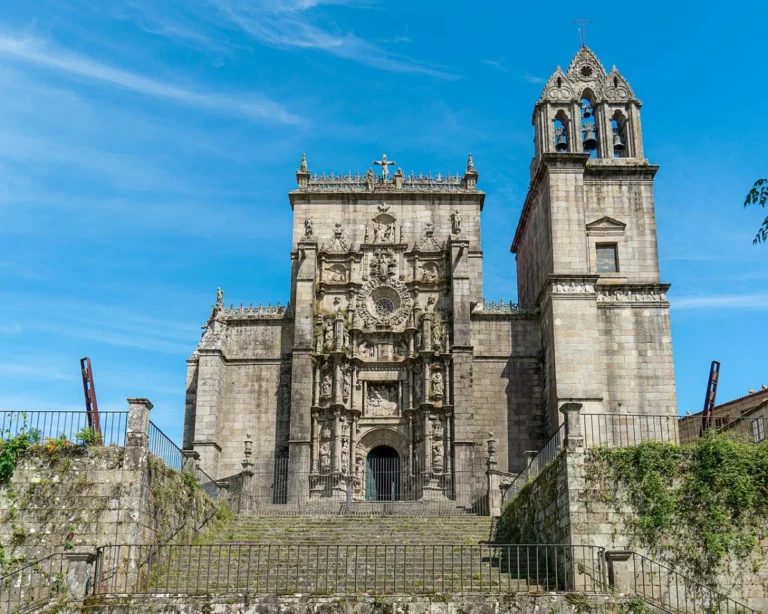
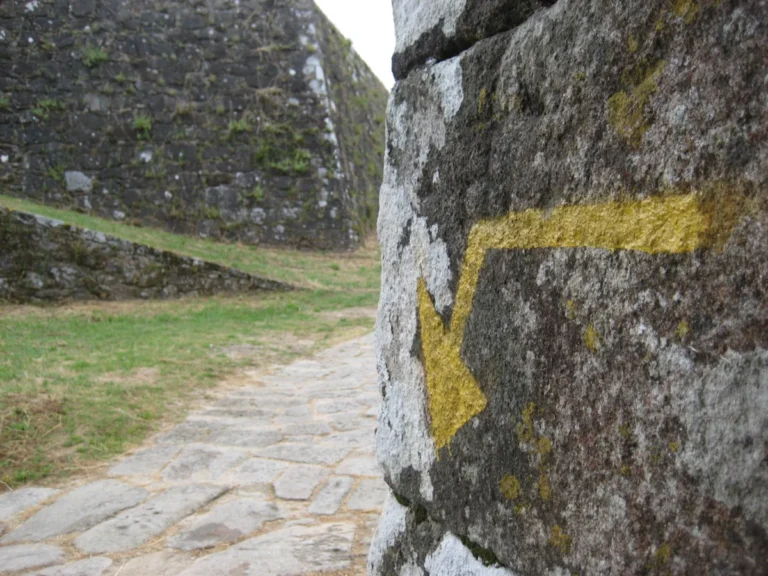
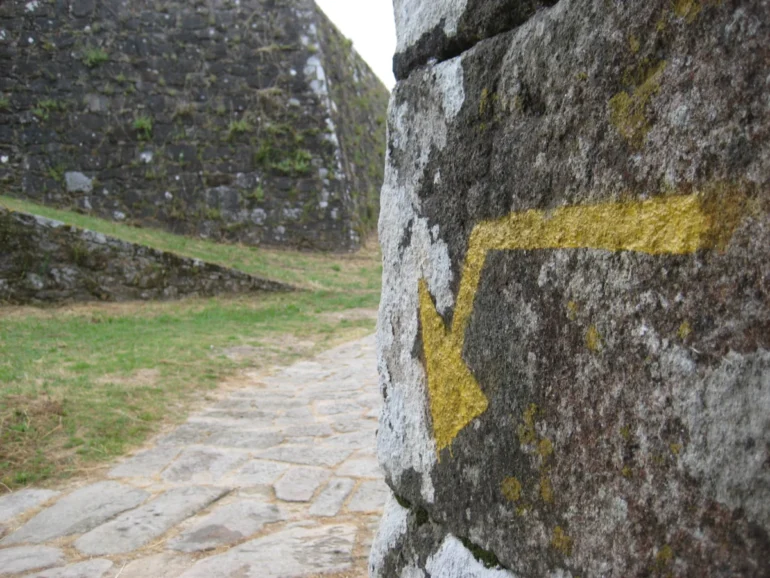
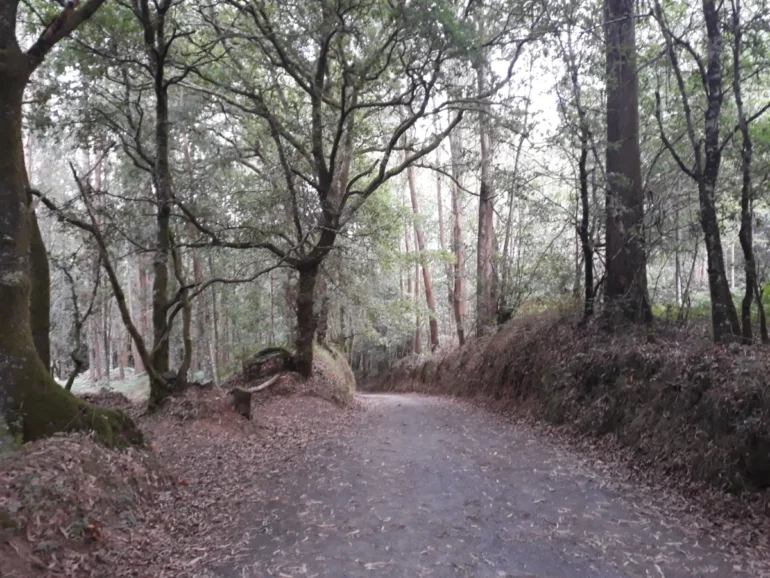
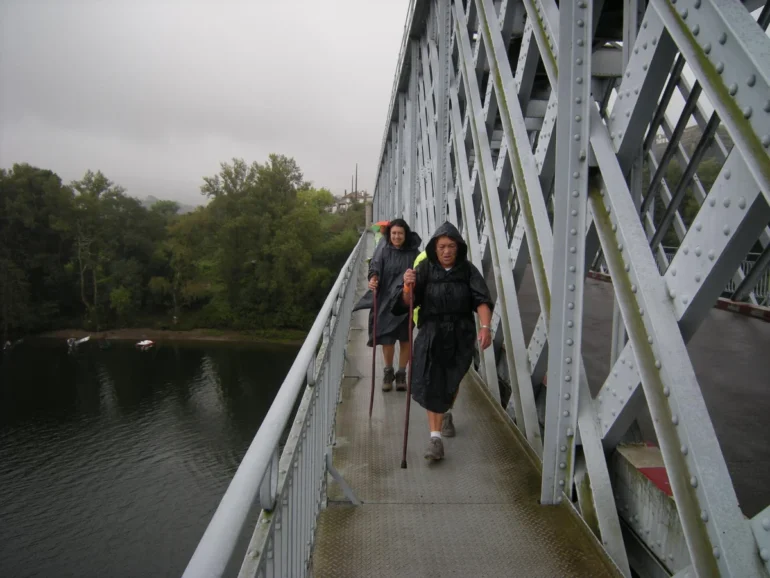
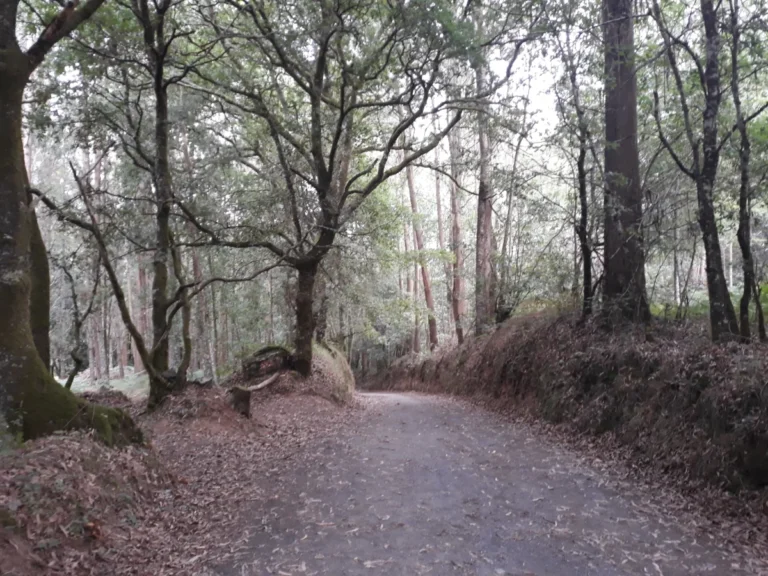
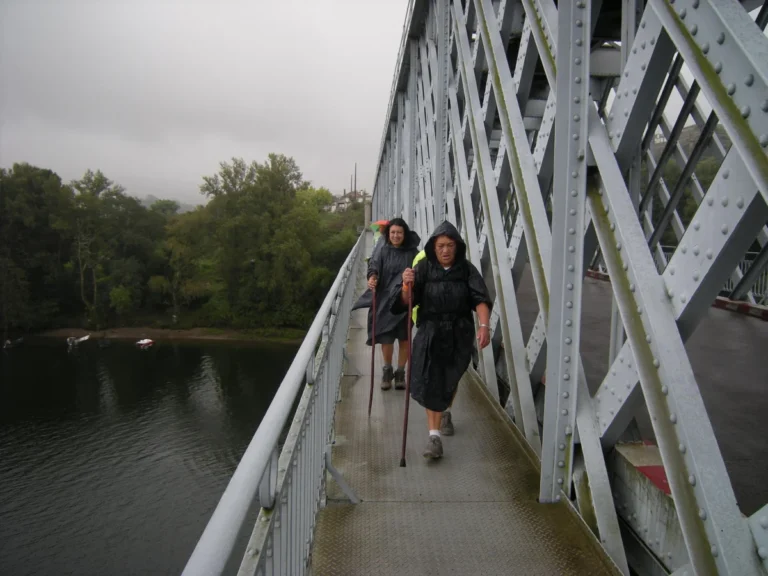
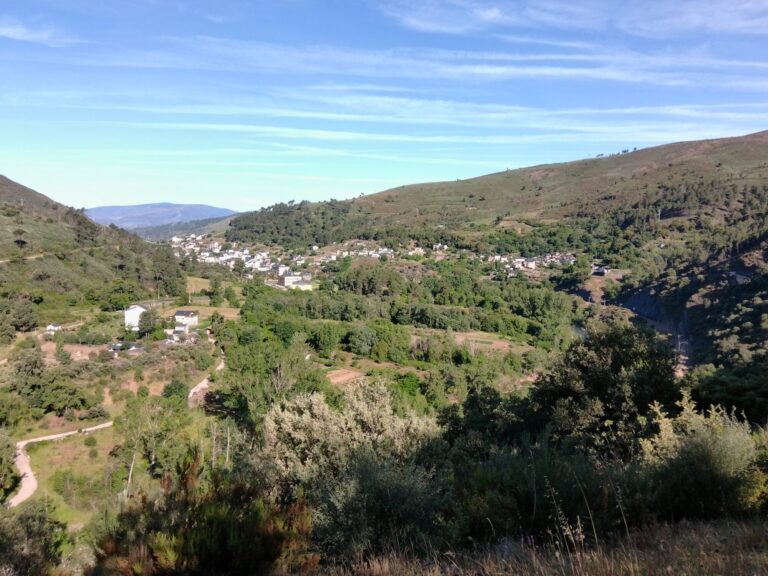
Tots els landmarks són examples de wider heritage discussed en la nova publicació, no claim que les imatges acompanyades d'aquest report appear among its 4,000 photographs. Aquests també suggereixen a la pràctica change in perspective: instead de sobir on hi ha quilòmetres remain, pilgrims can ask what happened in town they passing through.
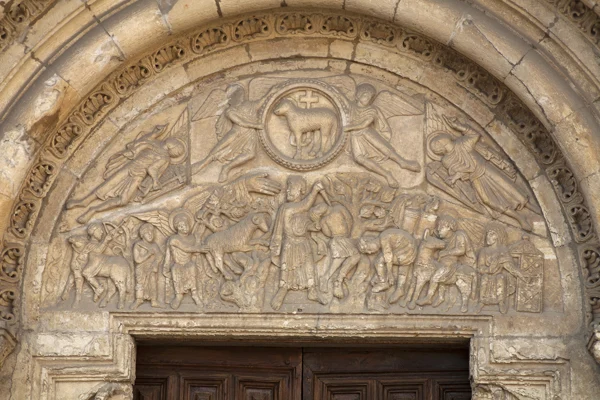
A RTV Camí de Sant Jaume, aquest és subject we have explored through other heritage stories, including the artística appeal of Burgos Cathedral and the remarkable Romanesque capital associated with light at Sant Joan d'Ortega. The book offers another reason to look beyond the obvious landmarks.
A major visual guide, presenteu in Santiago
The 5 November presentació took place at el Diocesan Museum in Santiago de Compostela. Amb l'oficial d'aquest anunci publicat per la cathedral de Santiago, l'Archbishop Francisco Prieto s'hi il·lumina el valor d'aproximar el Camí per its cultural i artística. L'esdeveniment introdueix a la llibreta que seguix per fer extensives a les heritages accessibles mitjançant fotografies i explanation.
The work's scale is striking: 808 pages, around 4,000 photographs and numerous supporting graphics. L'edició és al català, a l'international readers no s'ha confusat cap a l'anglès-language news report sobre la publicació amb l'anglès translation of book itself. Its ISBN is 9788428843652.
There is another reason the subject matters. Buildings do not explain themselves, and many visitors have limited time. Tot seguit que connectis a place s'hi histori can tornen ordinary pause into a more meaningful encounter. Aquest és el que obliga l'interès de l'art de la història, però l'encourage curiositat i respecte per les places que fan el camí distintiu.
The final destination: art at Santiago Cathedral
El llibre conclouràs amb una substantial secció en l'artista heritage de Santiago Cathedral. Això és fiting ending per a journey que ha influït buildings, imatges i comunitats a l'engròs. Per pilgrim arribant a Praça de l'Obradoiro, el cathedral façade s'often en emocionant moment; per a l'art-minded visitor, t'és també la beginning of another exploration.
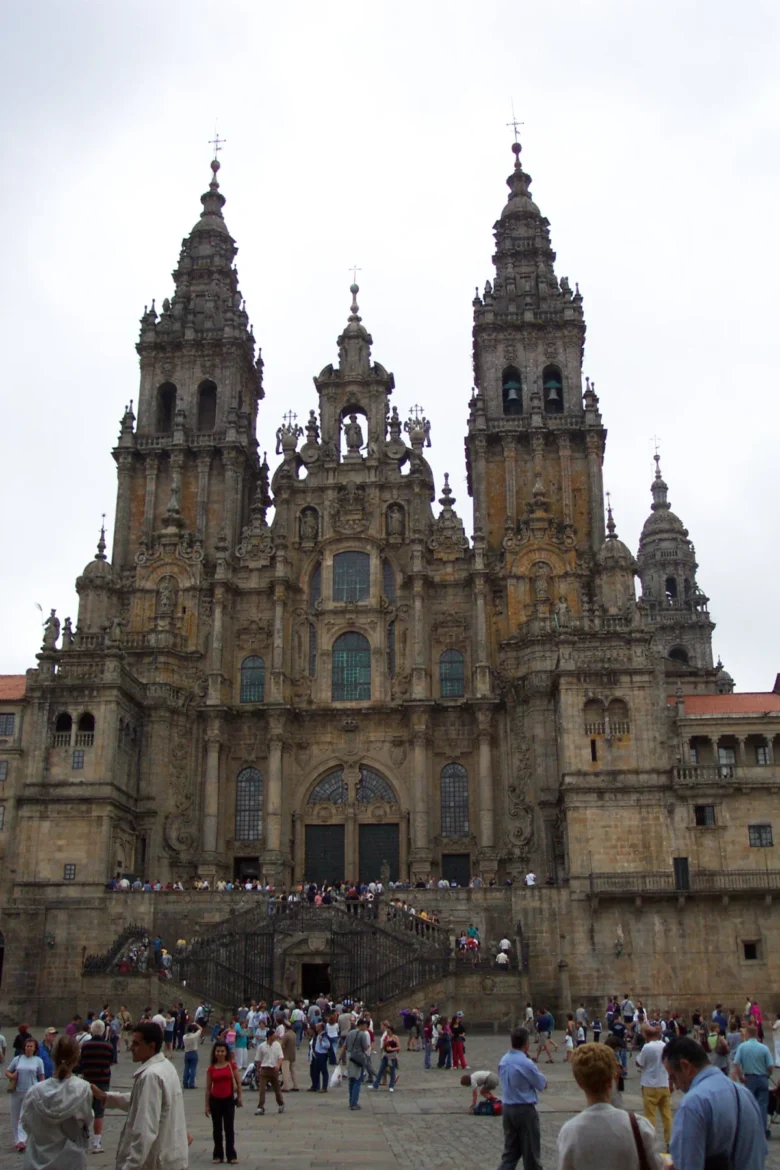
Stone, sculpture and architecture hau witnessed centuries of departures and arrivals, però they continue to matter beyond the pilgrim's personal journey. Local comunitats maintain aquestes places, specialists study them and restoration teams work to keep them accessible for the next generation. Cultural turisme és most valuable when it supports that long-term responsibility rather than treating monuments as scenery.
L'històric històric del Camí can also be explored through our report on the Romanesque route as an open-air museum. Les approaches point towards la seva experience: a pilgrimage can become richer when travellers learn to recollida the stories held by the places they cross.
A journey to Santiago mai be measured in kilometres, but it can also be measured in centuries of art. El nou book convides pilgrims per descobrir la differència, un monument a l'hora.
Sources: Diari de Sant Jaume, 5 November 2026; Cathedral of Santiago, official presentation; Museum of San Isidoro in León, book information.
Imatges: Photo: Noel Canales · CC BY-SA 3.0 ÉS · Wikimedia Commons | Photo: PMRMaeyaert · CC BY-SA 3.0 · Wikimedia Commons | Wikimedia Commons · CC BY-SA 3.0.