What if the Camino Francés were explored not only as a pilgrimage route, but as a vast open-air museum? A new Spanish-language book by Enrique Agudo Mora invites readers to do exactly that. Presented on 5 November 2026 at Santiago de Compostela's Diocesan Museum, The Camino de Santiago. For the love of art brings together 808 pages and around 4,000 photographs to explore the art, architecture and historical memory of the Way of St James.
Published by PPC, the volume is much more than a collection of attractive monuments. Maps, timelines, illustrations and explanatory material help place the artistic treasures of the pilgrimage routes within their historical setting. Its final section turns to the Cathedral of Santiago, the destination around which centuries of journeys, buildings and stories have taken shape.
The launch brought together Archbishop Francisco Prieto of Santiago, the author, Cathedral Foundation director Daniel Lorenzo, PPC editorial director Francisco Javier Navarro and Raquel Jaén, director of the Museum of San Isidoro in León. Their presence also reflected the breadth of the subject: the Camino's heritage belongs to many towns and regions, not just its final destination.
Camino Francés art: what pilgrims can miss on foot
Walkers often remember the landscape first. They recall the long Castilian horizons, a sudden change in weather, or the relief of reaching a village after a difficult climb. Yet the Camino Francés is also an exceptional chain of churches, monasteries, bridges, old hospitals and urban centres, each shaped by generations of visitors and local communities.
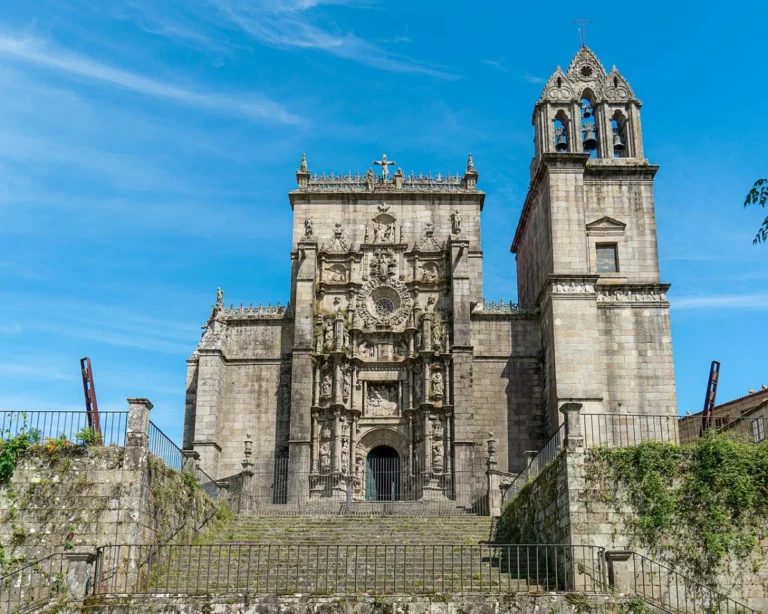
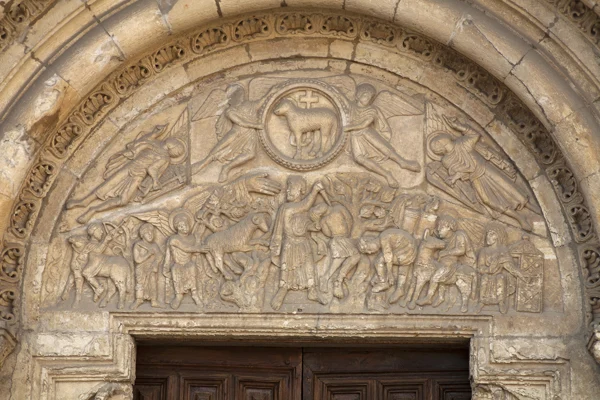
A doorway carved with medieval figures is not merely a decorative entrance. It may reveal related how people were taught religious stories, how craftworkers understood their world and how a settlement to passing travelers. A cathedral can tell the story of a city's prosperity, political influence and artistic ambitions. These details become easier to recognize when a reader has a well-explained visual reference.
The publisher's description says the book combines historical analysis with biographies, definitions and contextual explanations, arranged geographically along the Spanish pilgrimage routes. Although the new presentation focuses on the French Way, the publisher also mentions heritage connected with the Aragonese route and nearby towns of particular historical importance.
From Burgos to León: reading a route through its buildings
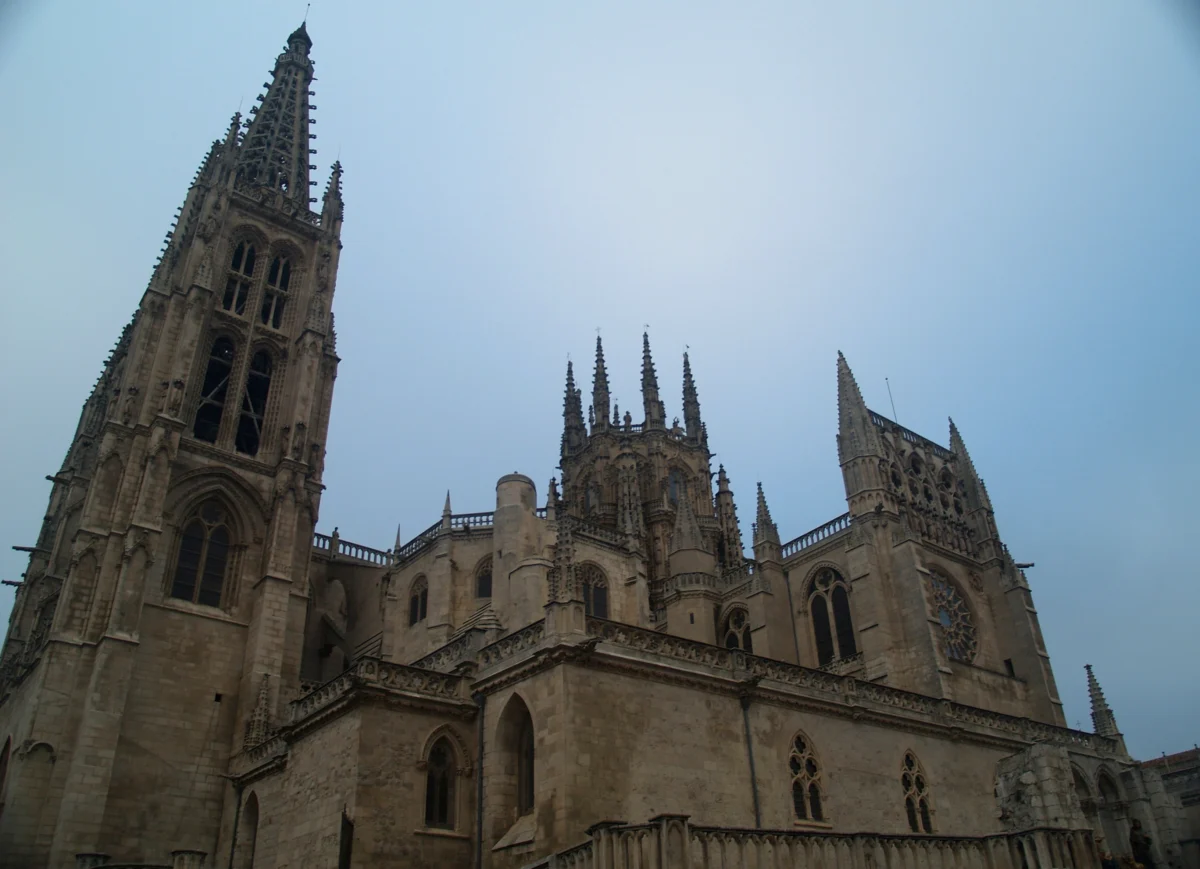
Burgos Cathedral offers a vivid example of what an art-focused pilgrimage can reveal. Its Gothic architecture rewards a closer look at façades, sculptural details and the relationship between a major religious building and the city surrounding it. The cathedral is not simply a stop on the way to Santiago; it is part of the history that gives the route its character.
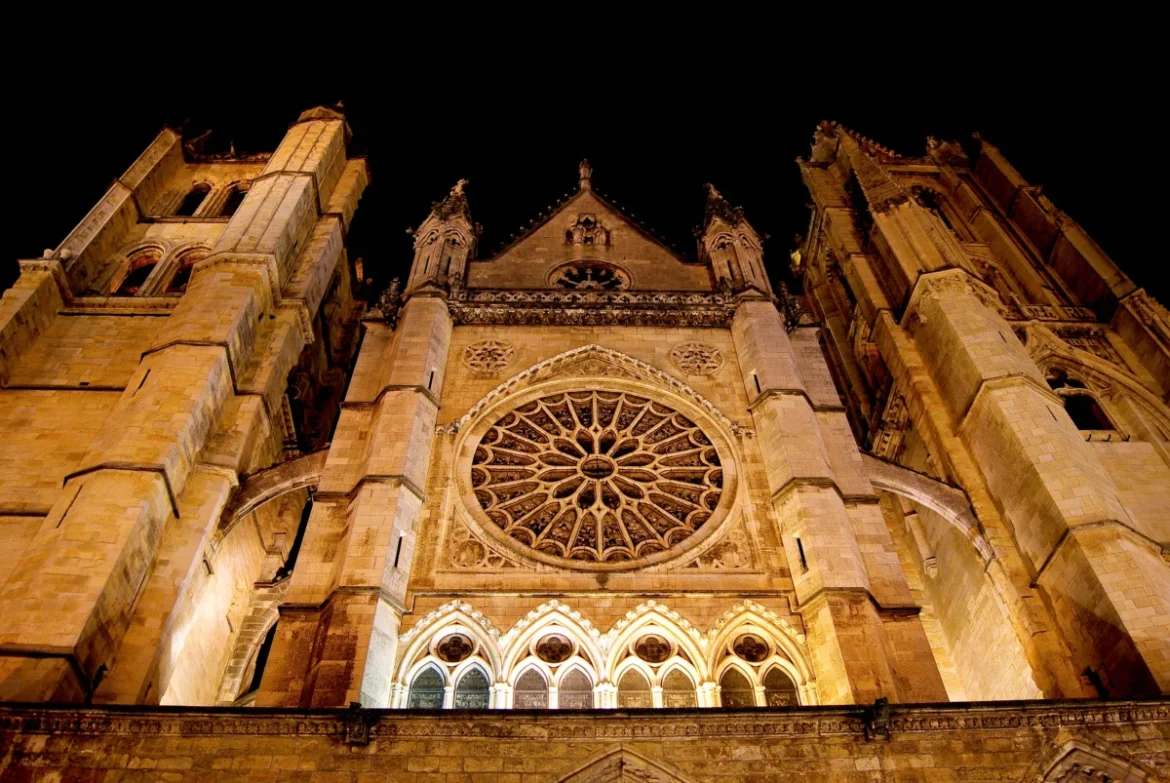
Further west, León brings together different artistic traditions. Its cathedral is famous for Gothic architecture and stained glass, while the Basilica of San Isidoro preserves an important Romanesque legacy. The contrast invites travelers to notice how artistic styles and building techniques changed over the centuries without losing their place in the culture of pilgrimage.
Those landmarks are examples of the wider heritage discussed in the new publication, not a claim that the images accompanying this report appear among its 4,000 photographs. They also suggest a practical change in perspective: instead of asking only how many kilometers remain, pilgrims can ask what happened in the town they are passing through.
At RTV Camino de Santiago, this is a subject we have explored through other heritage stories, including the artistic appeal of Burgos Cathedral and the remarkable Romanesque capital associated with light at San Juan de Ortega. The new book offers another reason to look beyond the obvious landmarks.
A major visual guide, presented in Santiago
The 5 November presentation took place at the Diocesan Museum in Santiago de Compostela. In the official account published by the Cathedral of Santiago, Archbishop Francisco Prieto highlighted the value of approaching the Camino through its cultural and artistic dimension. The event introduced a book that seeks to make an extensive body of heritage accessible through photographs and explanation.
The work's scale is striking: 808 pages, around 4,000 photographs and numerous supporting graphics. The edition is in Spanish, so international readers should not confuse an English-language news report about the publication with an English translation of the book itself. Its ISBN is 9788428843652.
There is another reason the subject matters. Buildings do not explain themselves, and many visitors have limited time. A guide that connects a place with its history can turn an ordinary pause into a more meaningful encounter. The aim is not to oblige every walker to become an art historian, but to encourage curiosity and respect for the places that make the Camino distinctive.
The final destination: art at Santiago Cathedral
The book concludes with a substantial section on the artistic heritage of Santiago Cathedral. That is a fitting ending for a journey that has influenced buildings, images and communities along its entire length. For a pilgrim arriving in Praza do Obradoiro, the cathedral façade is often an emotional moment; for an art-minded visitor, it is also the beginning of another exploration.
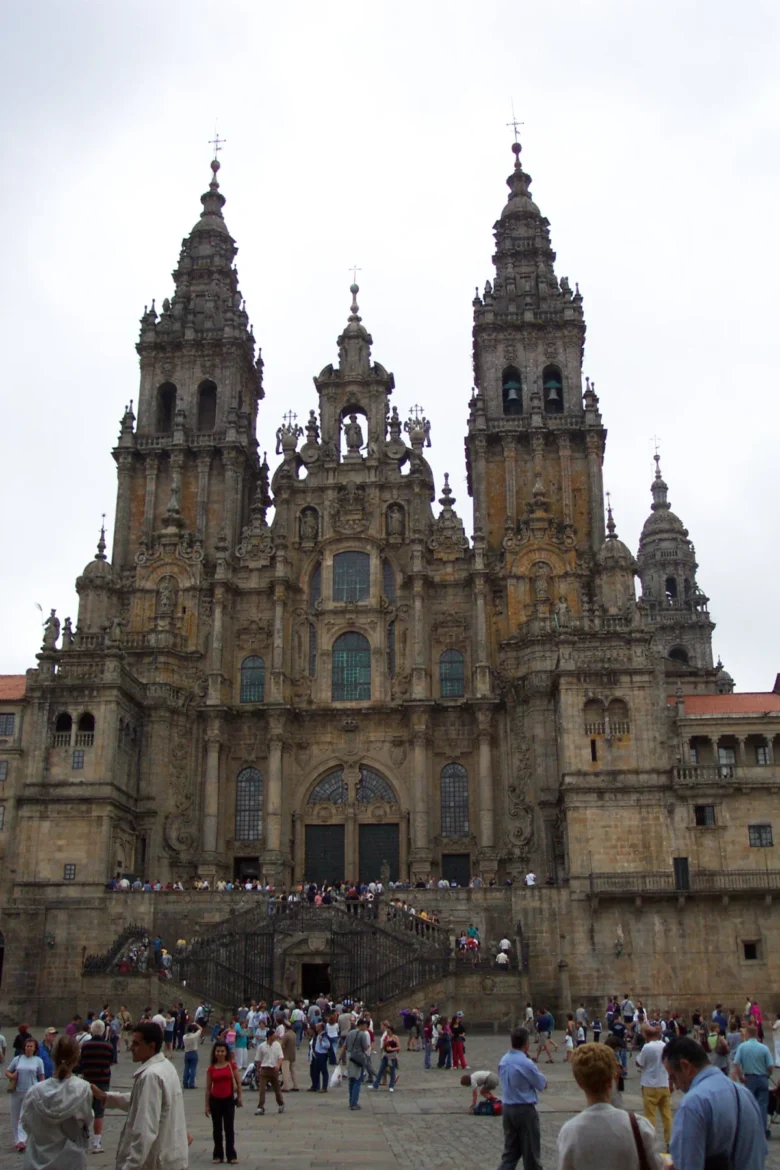
Stone, sculpture and architecture have witnessed centuries of departures and arrivals, but they continue to matter beyond the pilgrim's personal journey. Local communities maintain these places, specialists study them and restoration teams work to keep them accessible for the next generation. Cultural tourism is most valuable when it supports that long-term responsibility rather than treating monuments as scenery.
The artistic history of the Camino can also be explored through our report on the Romanesque route as an open-air museum. Both approaches point towards the same experience: a pilgrimage can become richer when travelers learn to recognize the stories held by the places they cross.
A journey to Santiago may be measured in kilometers, but it can also be measured in centuries of art. The new book invites pilgrims to discover the difference, one monument at a time.
Sources: Diario de Santiago, 5 November 2026; Cathedral of Santiago, official presentation; Museum of San Isidoro in León, book information.
Images: Photo: Noel Canales · CC BY-SA 3.0 ES · Wikimedia Commons | Photo: PMRMaeyaert · CC BY-SA 3.0 · Wikimedia Commons | Wikimedia Commons · CC BY-SA 3.0.