











The Camino de Invierno is celebrating the tenth anniversary of its official recognition with a strong rise in pilgrim numbers. More than 2,400 people have already received the Compostela after completing the route in 2026, 16% more than during the same period last year.
The Camino de Invierno — literally the “Winter Way” — is quietly becoming one of the most interesting alternatives for pilgrims looking for a less crowded route to Santiago de Compostela.
Ten years after receiving official recognition as a Jacobean route, the latest figures show that its growth is continuing.
More than 2,400 pilgrims have collected the Compostela after walking the Camino de Invierno so far in 2026, representing an increase of 16% compared with the same period in 2025.
The figures were highlighted during events marking the tenth anniversary of the official recognition of the route.
Almost four in ten pilgrims are international
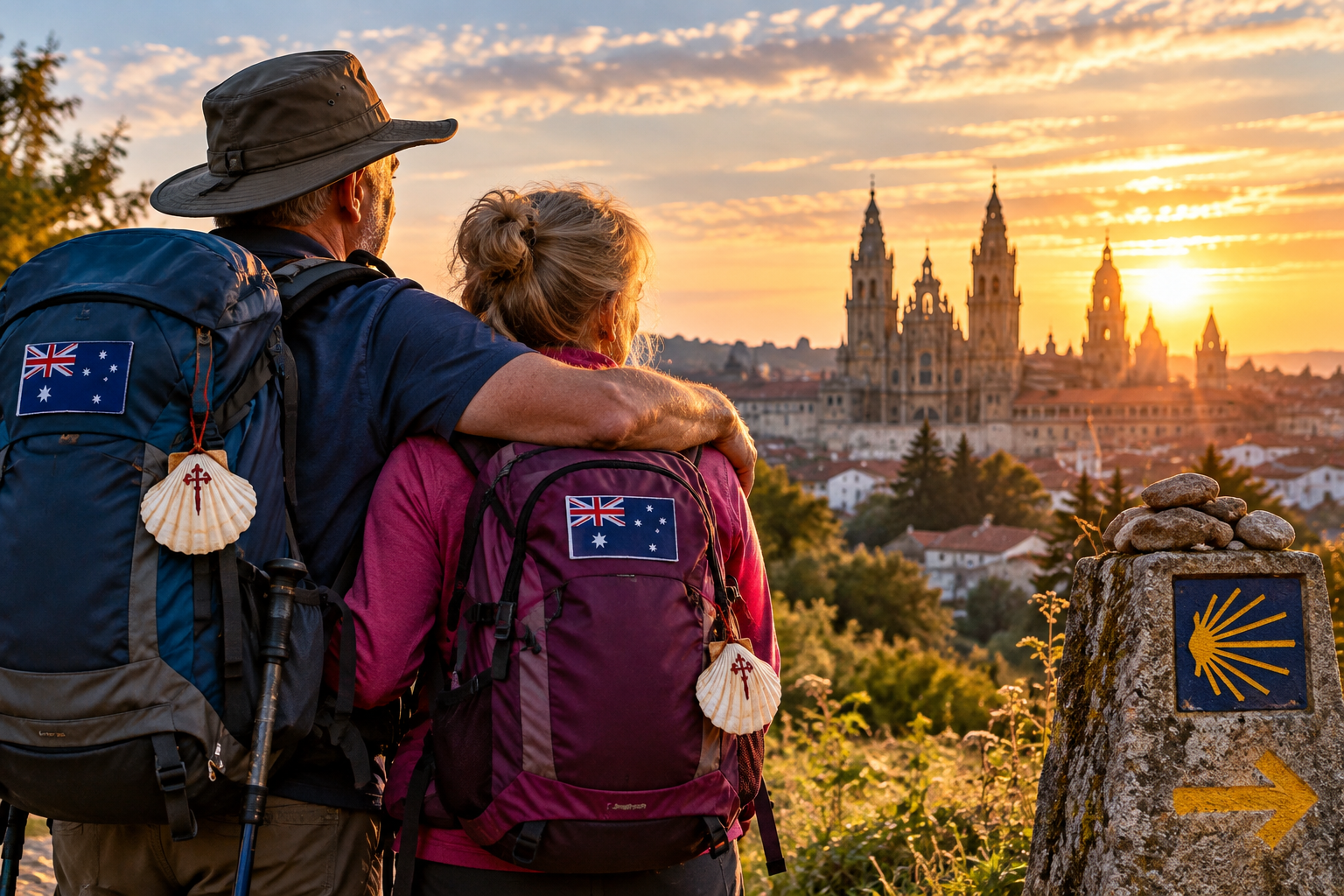
One of the most interesting figures is the growing international profile of the Camino de Invierno.
Around 39% of the pilgrims completing the route in 2026 have come from outside Spain.
That percentage confirms that the route is beginning to attract travellers who are looking beyond the best-known Caminos.
For international pilgrims, the Camino de Invierno offers a very different experience from the busiest sections of the Camino Francés.
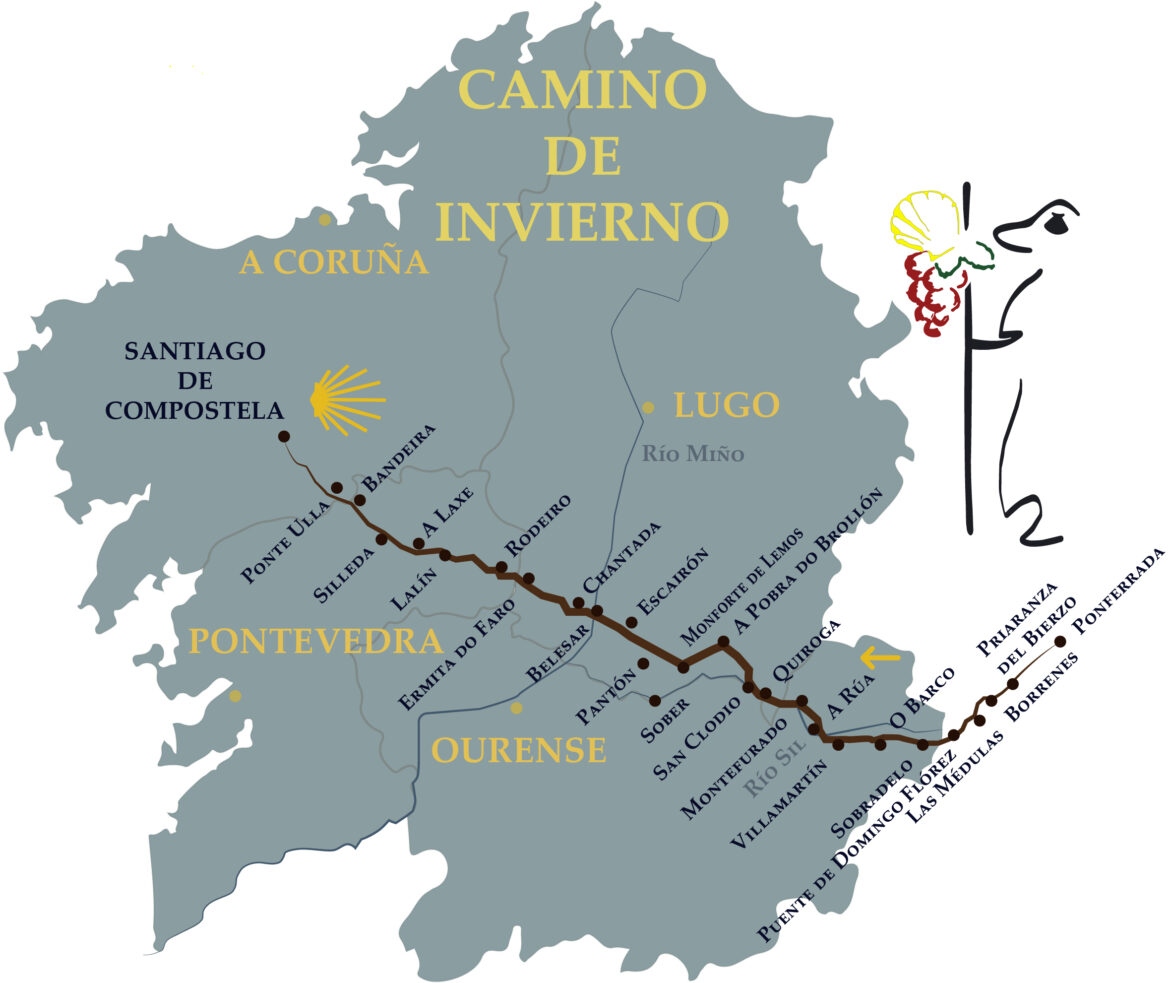
It crosses landscapes associated with El Bierzo and Galicia before passing through areas such as Valdeorras, Ribeira Sacra and Deza on the way towards Santiago.
Vineyards, rivers, historic villages and long stretches of countryside give the route a distinctive identity.
Why is it called the Winter Way?
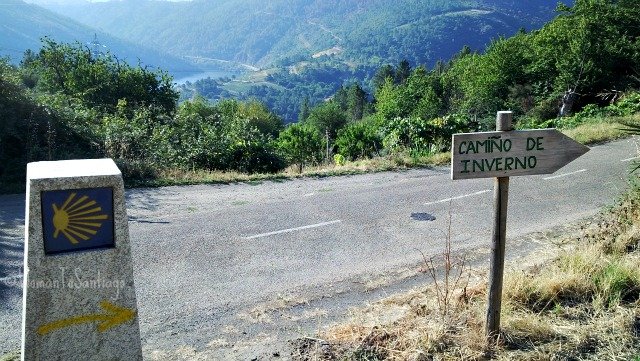
Its name comes from its historical role as an alternative route into Galicia.
Traditionally, travellers could use this itinerary to avoid some of the difficult mountain conditions around the higher sections leading towards O Cebreiro.
The route leaves the Camino Francés around Ponferrada and continues towards Galicia through a different landscape.
That historical origin remains one of its strongest attractions today.
However, the name can sometimes confuse modern pilgrims.
The Camino de Invierno is not a route that should only be walked in winter. In fact, it can be enjoyed during different seasons and has increasingly attracted pilgrims looking for a quieter alternative during periods when other Caminos become much busier.
Ten years of steady growth
The route received official recognition in 2016.
Since then, pilgrim numbers have generally followed an upward trend.
Growth was interrupted by the pandemic in 2020, while 2025 was also affected by the serious summer wildfires that hit parts of north-western Spain.
Despite those interruptions, interest in the route has continued to increase.
Separate figures compiled around the tenth anniversary indicate that almost 24,000 pilgrims from dozens of nationalities have travelled the Camino de Invierno during its first decade as an officially recognised route.
It remains small compared with the Camino Francés or the Portuguese routes, but that is precisely part of its appeal.
A quieter Camino
The Camino de Santiago is experiencing another year of strong overall numbers.
More than 467,000 people had received the Compostela so far in 2026 when the latest figures were released, around 7% more than during the equivalent period of 2025.
The Camino Francés continues to account for the largest share, while the Portuguese Way and Portuguese Coastal Way have grown strongly in recent years.
Against that background, smaller routes such as the Camino de Invierno offer another possibility.
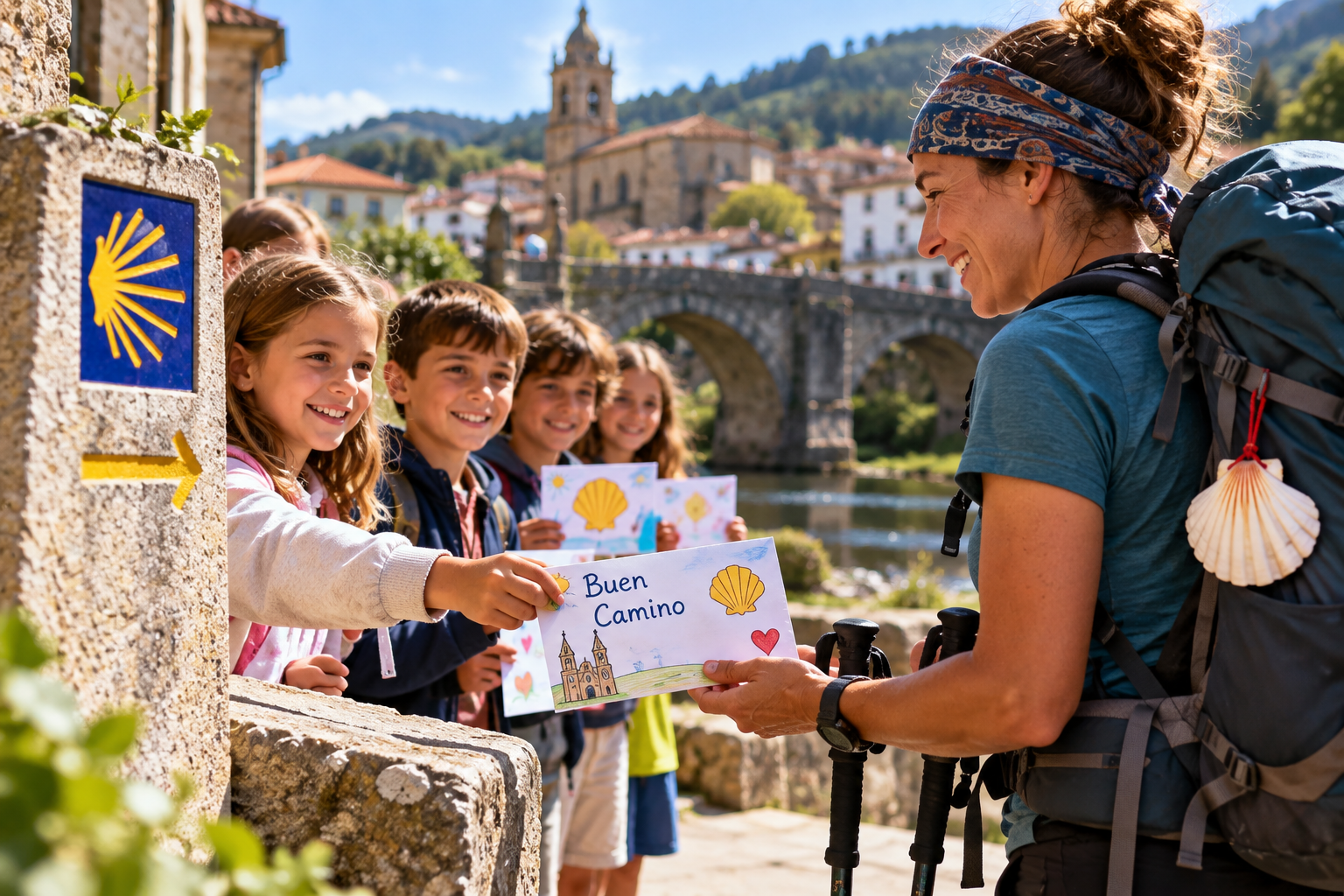
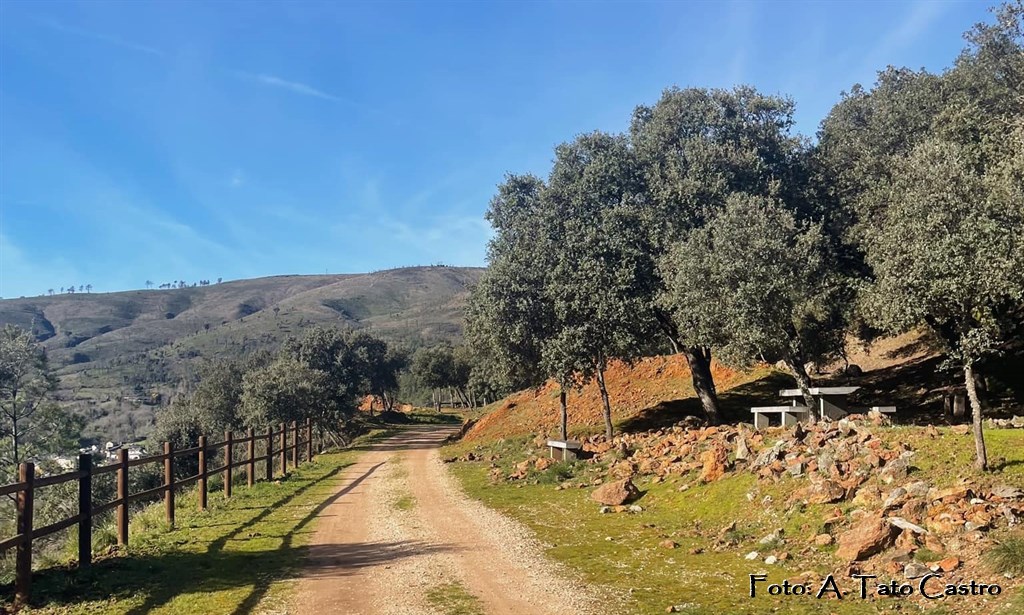
For some pilgrims, choosing a quieter route means fewer queues, less pressure on accommodation and longer periods of walking alone.
It also creates a different relationship with villages along the Camino, where the arrival of individual pilgrims can still feel much more noticeable.
Infrastructure is also improving
The rise in pilgrim numbers is being accompanied by investment along the route.
One of the most important developments has been the opening of the public pilgrim hostel at San Paio de Diomondi, in O Saviñao.
Improvements have also been planned for the municipal hostel in A Rúa.
In addition, work is expected on approximately 38 kilometres of the Camino de Invierno as part of road-safety measures affecting the routes to Santiago.
Infrastructure matters particularly on smaller Caminos.
A beautiful route may attract pilgrims initially, but reliable accommodation, safe road crossings, good signage and accessible information are essential if that growth is to continue.
Ribeira Sacra: one of its great attractions
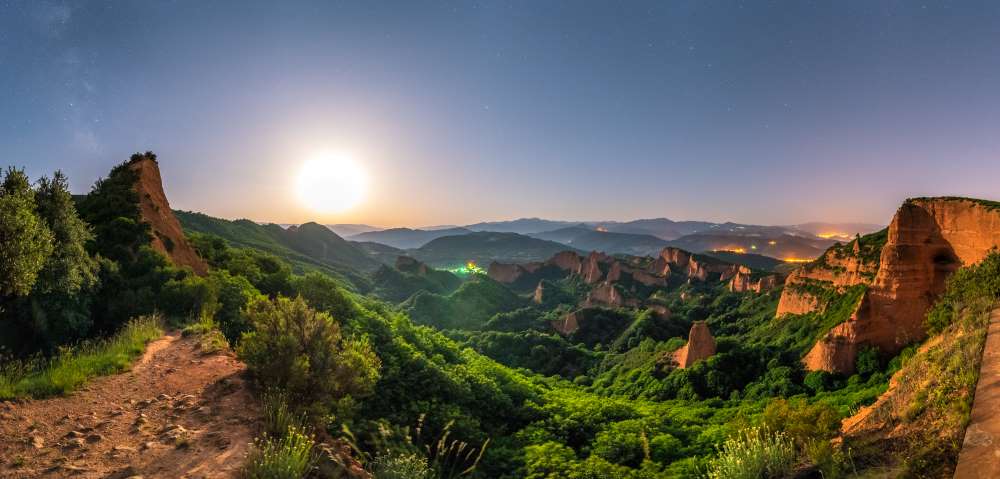
One of the strongest reasons to discover the Camino de Invierno is the landscape.
The itinerary passes through the Ribeira Sacra, an area famous for dramatic river valleys, vineyards planted on steep slopes, monasteries and centuries of cultural history.
This gives the route a character that is very different from many sections of the Camino Francés.
For international visitors especially, combining pilgrimage with wine culture, Romanesque heritage and rural Galicia can turn the journey into much more than simply reaching Santiago.
It becomes a way of discovering a territory that many first-time pilgrims know very little about.
Could the Camino de Invierno become the next international route?
Its numbers remain modest, and that should be kept in perspective.
The Camino de Invierno is still far from the volume of pilgrims recorded on the major Jacobean routes.
But a 16% increase and an international share of 39% suggest that its profile is changing.
Pilgrims are increasingly searching for alternatives.
Some have already completed the Camino Francés and want a second experience. Others deliberately avoid the busiest routes from the beginning.
The Camino de Invierno fits both profiles.
It has history, spectacular landscapes, a strong connection with Galicia and enough infrastructure to make the journey increasingly accessible without yet feeling overwhelmed by mass tourism.
Ten years old — and still being discovered
The anniversary arrives at an interesting moment.
Ten years after official recognition, the Camino de Invierno is no longer an unknown route.
But neither has it lost the sense of discovery that attracts many pilgrims to lesser-travelled Caminos.
That balance may prove to be its greatest advantage.
The challenge for the next decade will be to improve services and safety while protecting the character that has made the route increasingly attractive.
Because sometimes the most memorable Camino is not the one everybody chooses.
It is the one you discover just before everybody else does.