A real, human look at safety on one of the world’s most walked routes
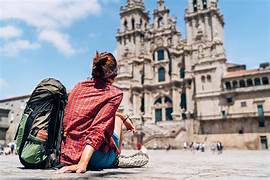
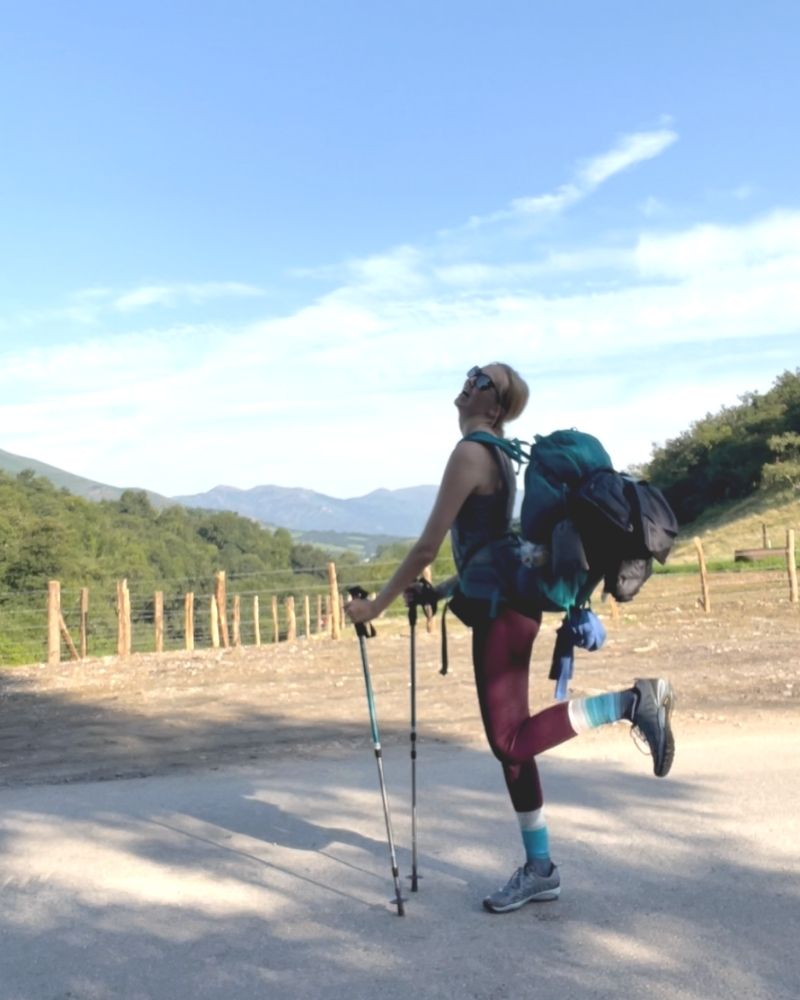
Walking the Camino de Santiago alone is something thousands of women do every year. In 2026, that hasn’t changed. If anything, the number of solo female pilgrims continues to grow.
But the question remains the same: 👉 Is it actually safe?
The honest answer is yes — generally, the Camino is considered one of the safest long-distance routes in the world. But like any journey, especially one that involves walking alone across long distances, it comes with nuances that are worth understanding.
Why so many women walk alone
There’s a reason why the Camino attracts solo female travelers.
It offers something rare:
a clear route to follow
daily contact with other people
a shared purpose among pilgrims
and a rhythm that naturally connects strangers
Unlike isolated hiking trails, the Camino is a social path. Even if you start alone, you rarely stay alone for long.
Many women who walk it describe the same experience:
“I started alone, but I was never really by myself.”
The reality on the ground
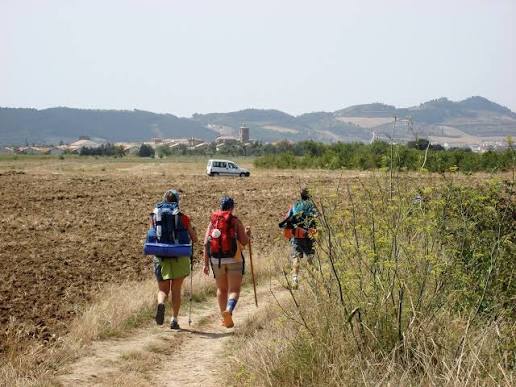
The most popular routes — especially the Camino Francés, Camino Portugués, and parts of the Camino del Norte — are well marked and have a steady flow of pilgrims.
That means:
you’re rarely walking in complete isolation
there are frequent towns and services
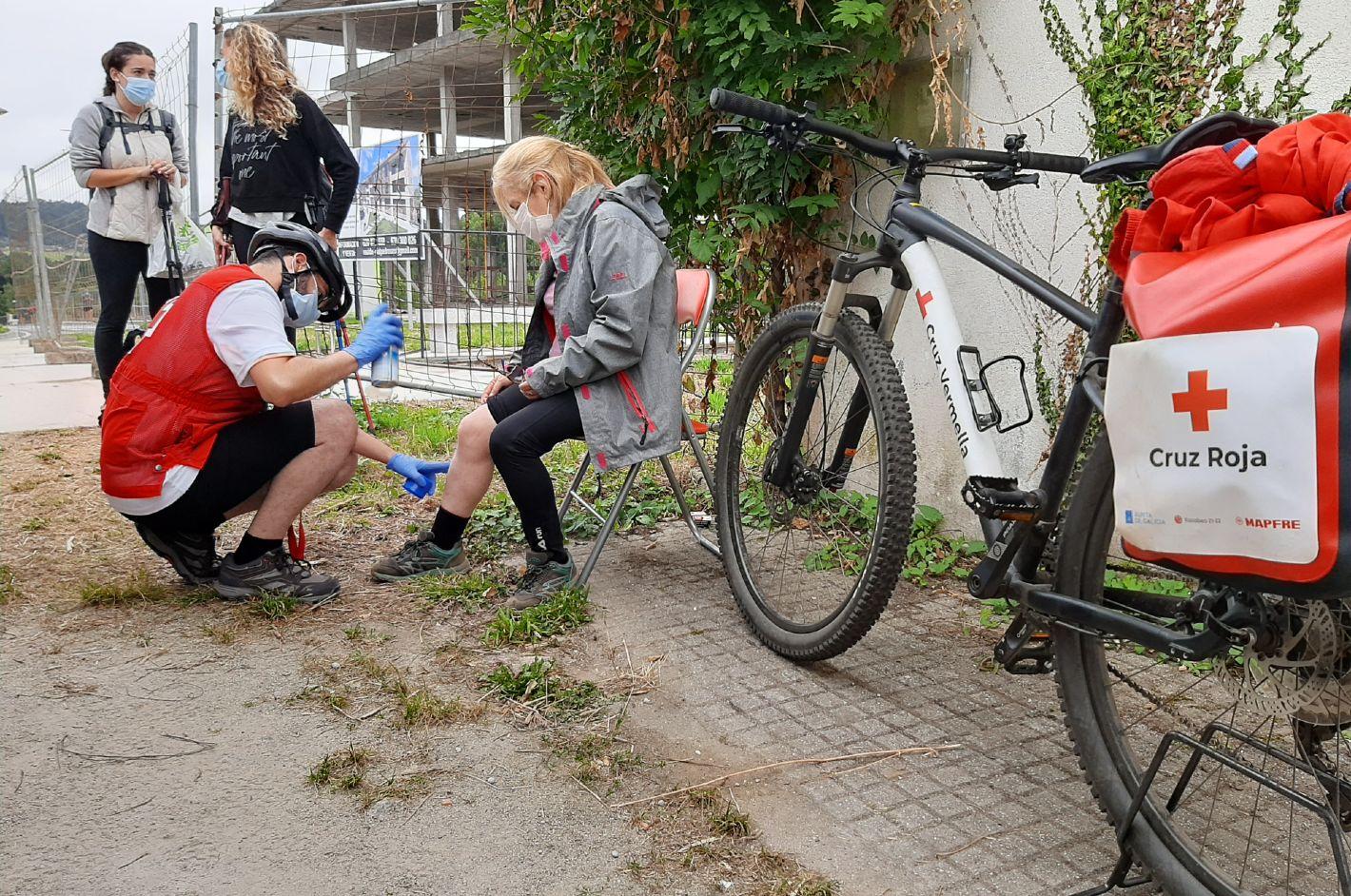
help is usually not far away
Albergues (pilgrim hostels) also play a key role. They create a sense of community where people share meals, stories, and advice. For solo travelers, this environment adds a strong layer of security.
There have been isolated incidents over the years, and it’s important not to ignore that reality. However, compared to other travel experiences, the Camino has a very low rate of serious incidents, especially considering the number of people who walk it every year.
Most concerns reported by solo female pilgrims are not about crime, but about:
feeling uncomfortable in isolated stretches
dealing with unwanted attention (rare, but possible)
navigating long days alone
What experienced female pilgrims recommend
Women who have walked the Camino alone tend to agree on a few key points.
1. Trust your instinct
If something doesn’t feel right, it probably isn’t. Change your pace, your route, or your accommodation if needed.
2. Avoid walking in the dark
Most pilgrims start early and finish early. Walking at night increases risk and is generally unnecessary.
3. Choose busy routes (especially for a first Camino)
The Camino Francés is still the safest option for first-timers due to the number of people and services.
4. Share your location
Let someone know where you are each day. A simple message or app can make a difference.
5. Don’t overshare personal details
The Camino is social, but it’s still important to keep boundaries.
The role of community
One of the strongest safety factors on the Camino is the community itself.
Pilgrims tend to look out for each other. It’s common to:
check if someone arrived safely
walk together during certain stages
share warnings or advice
This informal support network is something you don’t find in many other travel experiences.
Spain and Portugal are considered among the safest countries in Europe for travelers. Violent crime rates are low, and the Camino routes pass mostly through rural or small-town environments.
That doesn’t eliminate risk, but it reduces it significantly compared to many other destinations.
Please select listing to show.
The mental side of walking alone
Safety is not only physical — it’s also psychological.
Walking alone for hours can be challenging. There are moments of doubt, fatigue, and vulnerability.
But for many women, that’s also where the transformation happens.
Director y locutor de Radio TV Camino de Santiago, con más de 25 años de experiencia personal y profesional en la ruta jacobea, y como profesional del sector de la Restauración. Propietario y hospitalero gerente del Albergue de peregrinos de donativo «La Casa de las Sonrisas» en Grañón (La Rioja) desde 2012.