The Camino Lebaniego is approaching a decisive moment. The 2028 Jubilee offers Cantabria the opportunity to turn interest in this pilgrimage into lasting improvements for its towns, its heritage and those who travel the route. But the challenge is not only to attract visitors: it is also to preserve the trails and guarantee a quality welcome.
The discussion comes in a week of institutional activity. On November 11, the joint commission of the Government of Cantabria, the Diocese of Santander and the Camino Lebaniego Foundation analyzed conservation, promotion and revitalization actions, highlighting an increase in pilgrims. This data invites optimism, although it does not by itself allow the benefit for each municipality to be measured.
A Jubilee that must leave its mark after 2028
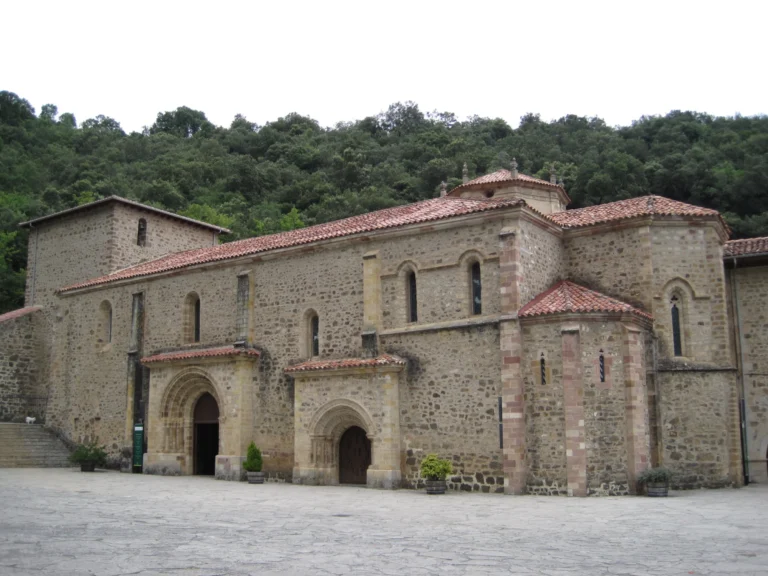
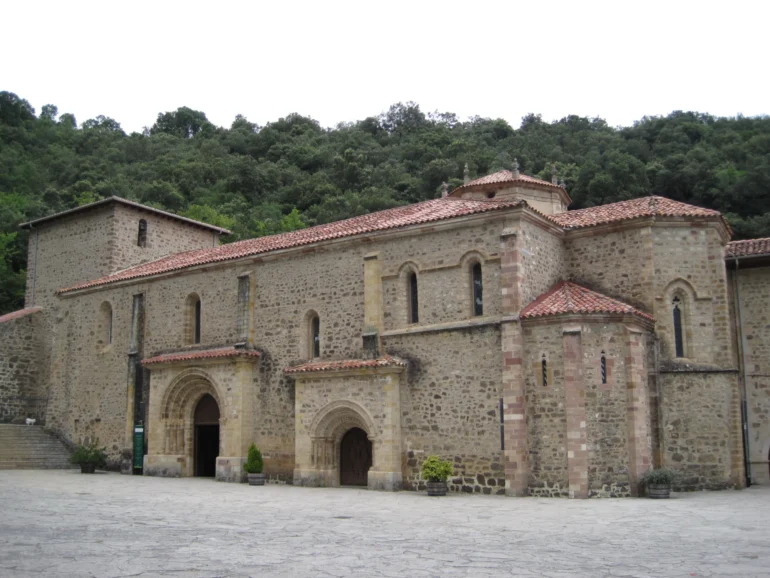
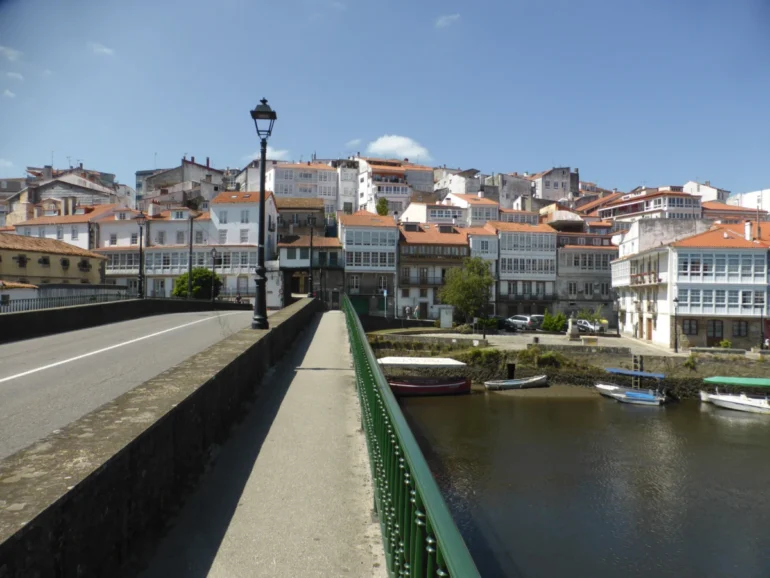
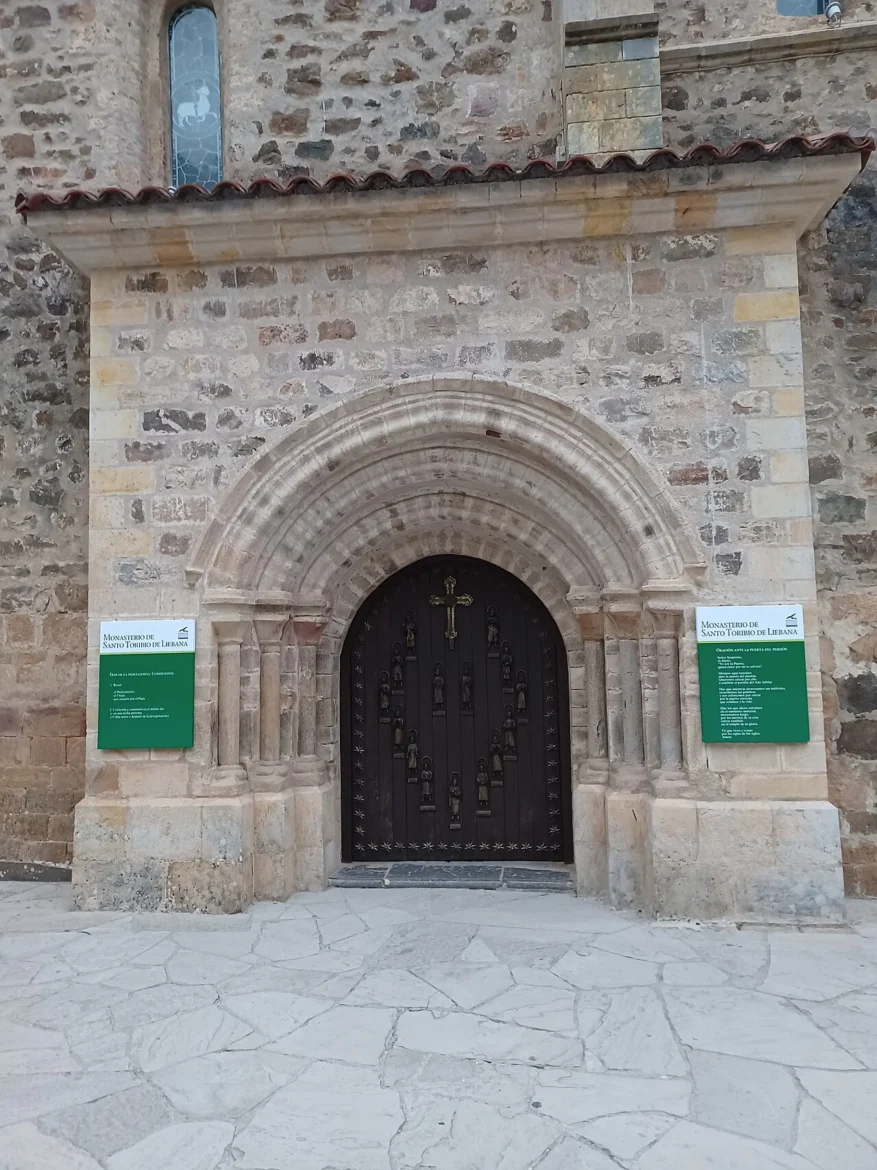
The next Holy Year Lebaniego can promote knowledge of the Santo Toribio monastery and the itinerary that begins in San Vicente de la Barquera. For this boost to be useful in the long term, the investment must be reflected in maintained paths, clear signage, accessible services and reliable information, also outside the peak season.
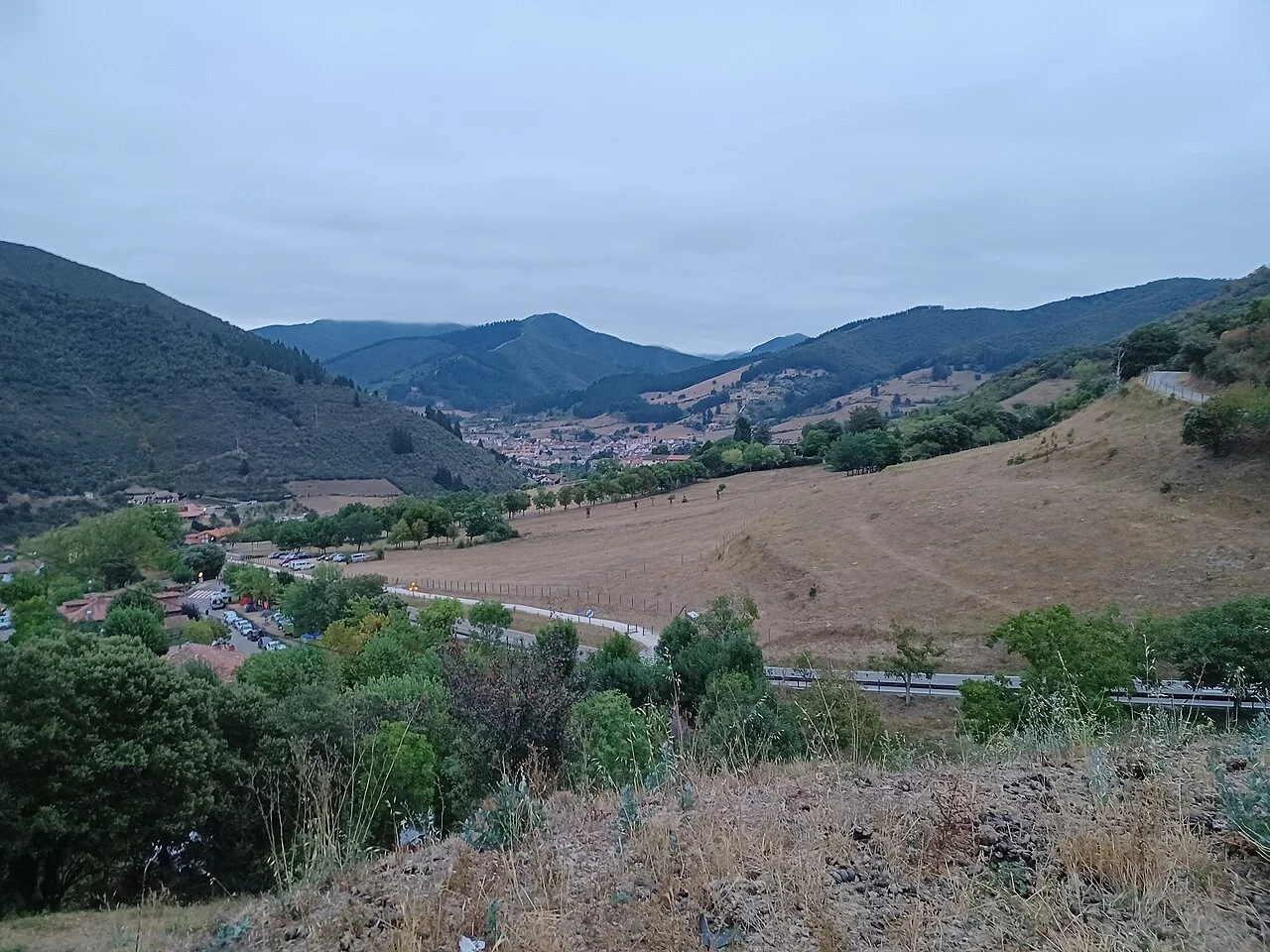
The Camino crosses territories with small towns, unique heritage and mountain landscapes. Visitors can help support local accommodations, restaurants and businesses. However, this potential depends on whether there are reasons to stop and spend the night, and whether the services are compatible with the daily lives of residents.
A responsible strategy needs to measure more than just arrivals at the sanctuary: overnight stays by municipality, needs of walkers, accessibility problems, condition of the trails and effects on the environment. They are indicators that help correct decisions and better distribute benefits.
Heritage as part of the journey
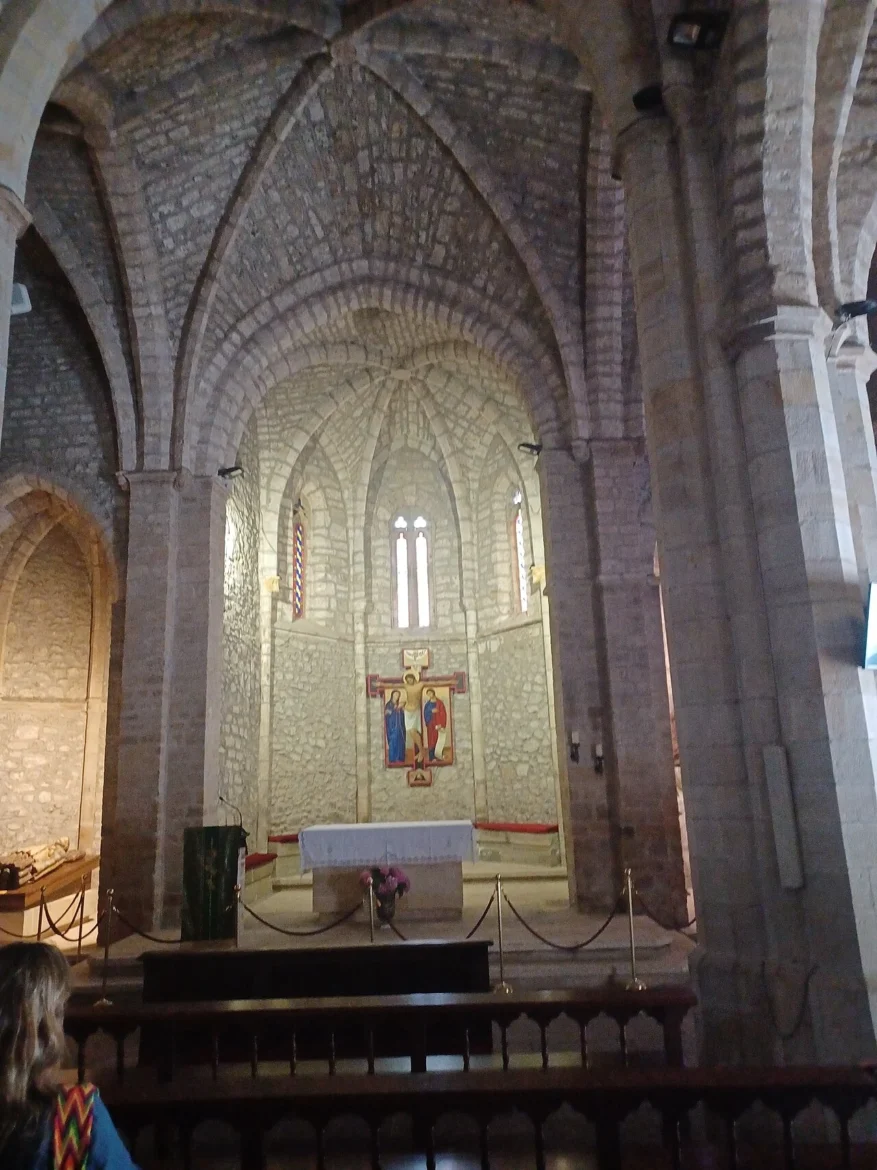
Santa María de Lebeña, the towns in the valleys and the Santo Toribio monastery allow us to understand the pilgrimage as a cultural experience, not as a race to the finish line. Visits to monuments require updated schedules and respect for their religious function. It is also advisable to provide alternatives when bad weather makes a stage difficult.
Reception depends on very specific details: knowing where to find water, how to contact accommodation, which stretch requires special caution and what transport options exist. Digital guides can help, but only if they distinguish verified information from information that requires confirmation.
European cooperation to address shared problems
The Camino Lebaniego Foundation participates on November 17 and 18 in the Ultreia Sudoe symposium, held in Santiago de Compostela. The initiative brings together entities from Spain, Portugal and France to advance shared models of Road management. Agenda issues include climate change, accessibility, inclusion and measuring pilgrim flows.
These challenges know no borders. Road erosion, extreme weather events or barriers for people with reduced mobility affect different routes. Sharing experiences can facilitate solutions, provided that the conclusions are later translated into visible actions on the ground.
Listen to those who keep the Camino alive
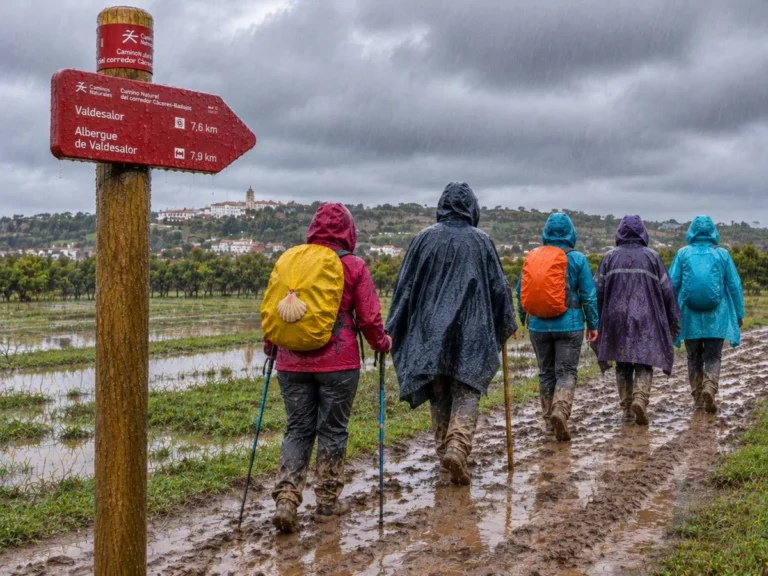
Hospitallers, associations, establishments, parishes and town councils know the needs of each stage. Their experience is essential to decide where to act first. A lost signal, a water point without service or a closed accommodation can completely disrupt the day of a person walking.
Tourist promotion may attract attention, but the quality of the Camino is verified on foot. The strategic opportunity consists of linking the jubilee celebration with a territorial project that continues when the calendar of events ends.
The future of the Camino Lebaniego depends on the balance between pilgrimage, conservation and rural development. The Jubilee of 2028 may be the impetus; The real success will be keeping the Camino alive for years to come.
This original RTV analysis does not reproduce or attribute specific arguments to the opinion article by Foramontanos Siglo XXI in El Diario Montañés, whose full text could not be consulted.
Stock photo credits: Simon Burchell / Wikimedia Commons. License and authorship information.
Sources: Camino Lebaniego Foundation, mixed commission; Ultreia Sudoe Symposium; Foramontanos 21st century, thematic reference.
Images: Photo: Simon Burchell / Wikimedia Commons.