



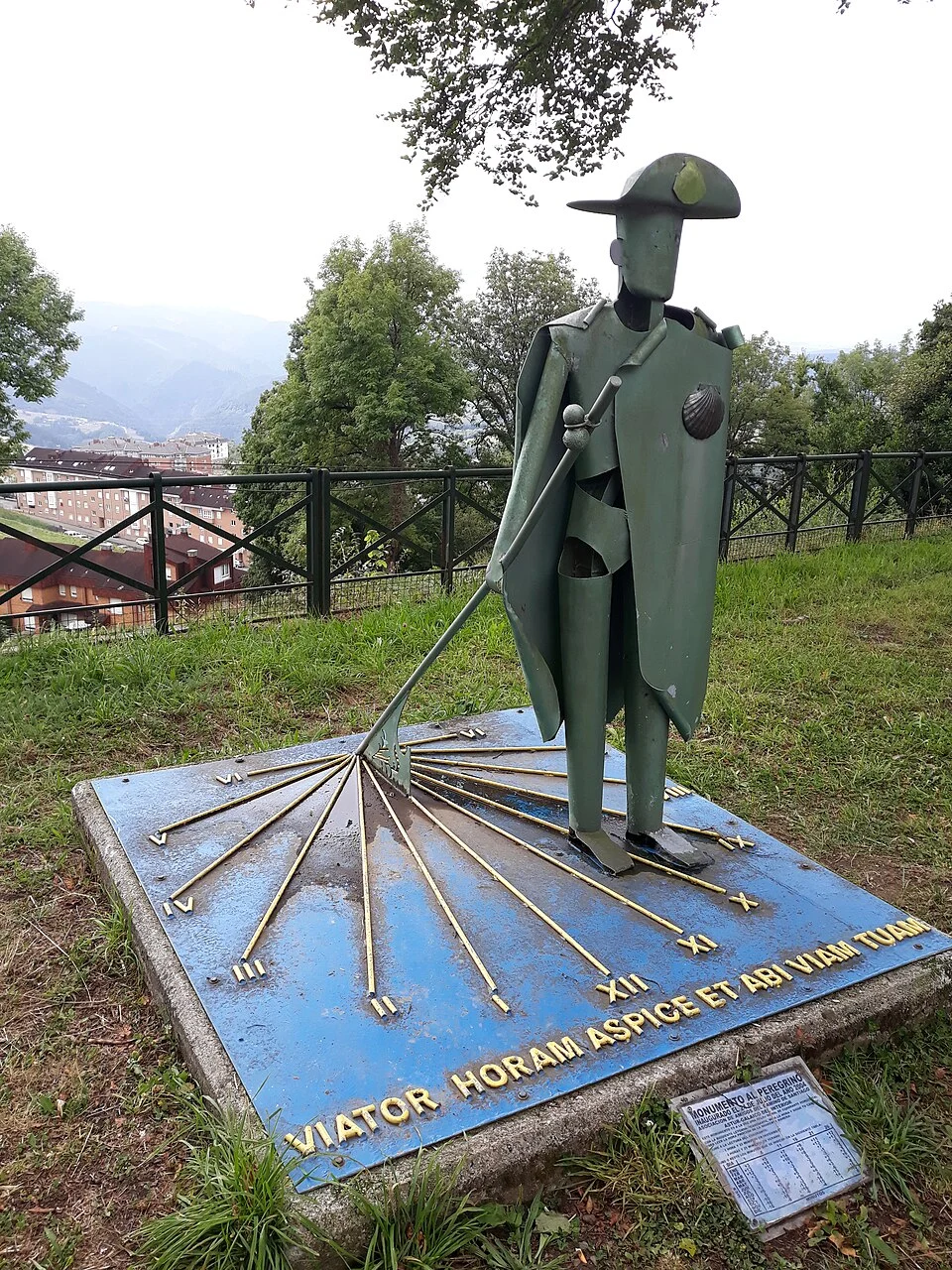
The Camino de Santiago can also be traveled with your ears.
Asturias presents this Monday in Oviedo “The Voices of the Road”, a project that brings together 23 sound stories dedicated to as many Asturian councils linked to the Jacobean routes.
The initiative, promoted by the Federation of Associations of Friends of the Camino de Santiago of the Principality of Asturias and supported by the Ministry of Culture, seeks to recover stories, legends, traditions and heritage elements that are part of the memory of the territories through which the Camino Primitivo, the Camino del Salvador and the Camino de la Costa pass. Europa Press
Stories you hear while walking
Each story lasts between three and seven minutes and is designed to bring the pilgrim closer to what often does not appear in a traditional guide.
It is not just about knowing where a church, a bridge or a town is.
The proposal tries to explain what stories are hidden behind these places, what traditions have survived and what role the Camino has had in the lives of the inhabitants of each council. Europa Press
The contents cover different Asturian Jacobean routes.
In the Primitive Way, for example, stories appear such as the Guilandeiros de Tineo or the stars of Allande.
On the Camino del Salvador, Jacobean footprints linked to Ribera de Arriba are recovered.
And in Sariego Romanesque architecture is addressed at the link between the Camino de la Costa and Oviedo. Europa Press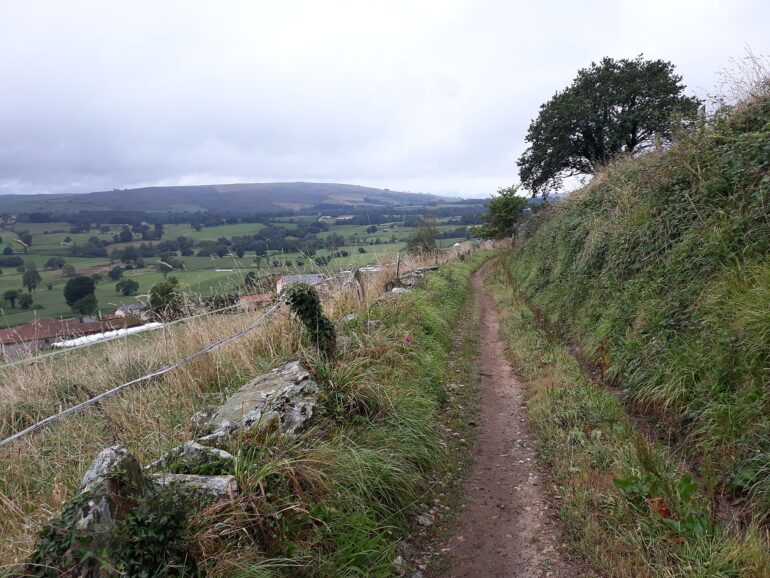
From Indians to hospitality
The project also focuses on aspects that explain the identity of each territory.
In Ribadedeva the Indian emigration appears, while in El Franco the hospitable tradition of La Caridad and its historical relationship with the passage of pilgrims is remembered.
In this way, each audio works almost like a small documentary capsule.
There is no need to stop at a panel full of text.
The pilgrim can listen to a short story, linked exactly to the place he is passing through. Europa Press
QR codes at the foot of the Camino
One of the most interesting aspects is the way of access.
The stories can be heard through QR codes installed in participating councils, in addition to being available on the project website.
This allows the territory itself to be converted into a kind of open sound museum.
The pilgrim arrives, scans, listens and continues walking.
A simple formula that unites heritage, technology and personal experience without physically altering the landscape or overloading the route with new elements. 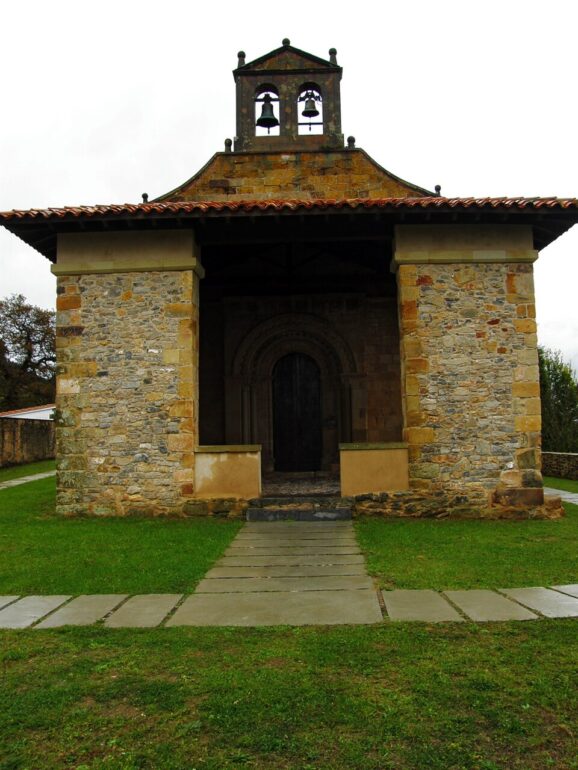
Recover the voices before they disappear
The value of “Las Voces del Camino” is not only in offering tourist information.
It also serves to preserve memory.
Many local traditions, popular stories, testimonies and ways of interpreting the territory still depend on oral transmission.
When those who remember them disappear, part of that history can disappear too.
Recording these voices and linking them to the Camino means preserving a part of Asturias' intangible heritage and making it available to both pilgrims and neighbors.
A Path that is not only seen
For years, much of the promotion of the Camino has relied mainly on images: landscapes, monuments, yellow arrows, hostels or photographs of pilgrims.
Projects like this remind us that a territory is also built with sounds.
A voice telling a legend.
A neighbor remembering how the pilgrims arrived.
A tradition explained by those who have still lived it.
A story linked to a church, a town or an old hospital.
This sound heritage can provide a different dimension to the Jacobean experience.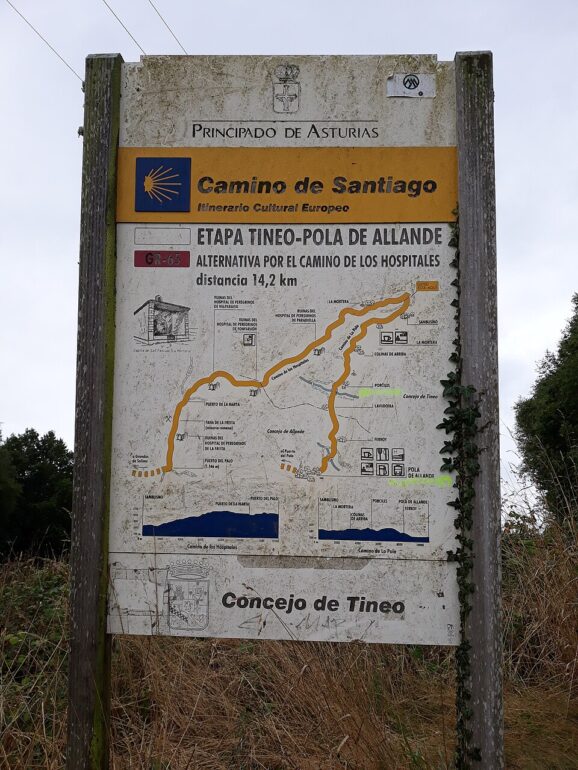
Asturias is committed to telling its Camino in another way
The official presentation will take place in Oviedo and will be attended by officials from the Ministry of Culture, Cultural Heritage, the Asturian Federation of Jacobean Associations and people linked to the development of the project. Europa Press
The proposal is also born with public support aimed at unique cultural projects, especially linked to rural areas.
This is especially significant on the Camino.
Because a good part of the routes pass through small towns where preserving heritage, memory and identity is as important as improving infrastructure.
“Las Voces del Camino” proposes precisely that: not limiting ourselves to passing through those places.
Stop.
Hear.
And understand that behind each stage there are stories that have been walking alongside pilgrims for centuries.

















