



A fishing village in Galicia names its “knight of the sea” in a gesture full of Jacobean symbolism
A Galician fishing village has carried out a singular and deeply symbolic gesture by recognizing a figure linked to the sea as “knight of the sea”, an act that connects the maritime identity of the municipality with the universal values of the Camino de Santiago. The initiative has been interpreted as a vindication of the historical link between the Galician coast, the Jacobean tradition and the culture of effort, hospitality and service.
The recognition goes beyond an honorary title. It represents a way of transferring to the present the chivalric ideals associated with the Camino—commitment, respect, solidarity and dedication—adapting them to the world of the sea, which for centuries has marked the economic, social and spiritual life of Galicia.
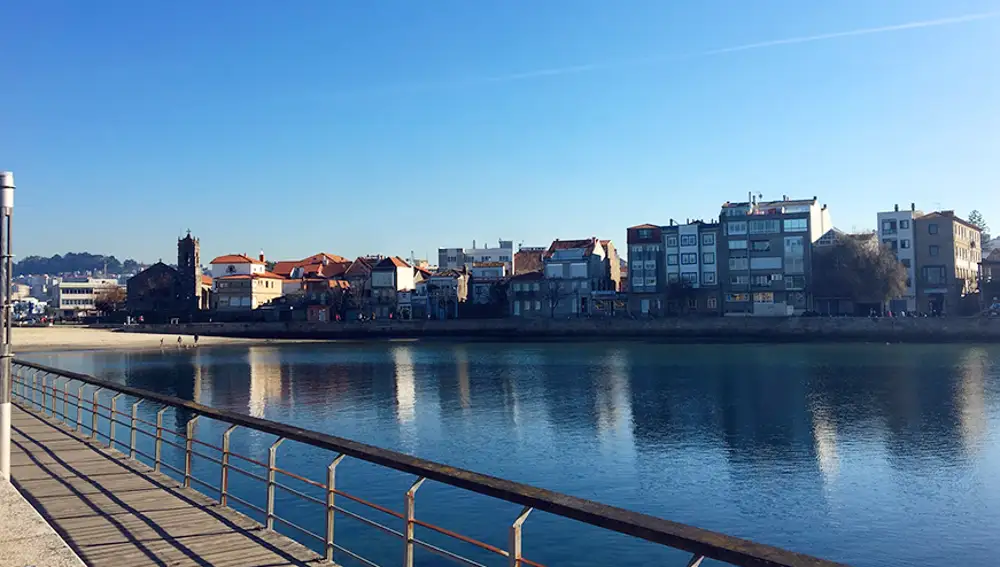
The sea as a path and symbol
Since ancient times, the sea has also been a route of pilgrimage, commerce and cultural encounter. In this context, the appointment of the “knight of the sea” highlights the role of the people of the Galician coast as guardians of traditions, routes and values that today dialogue with the spirit of the Camino de Santiago.
The gesture also reinforces the idea that the Camino is not just a land route, but a living cultural concept, capable of integrating into different realities: rural, urban and maritime. For the town, this act is a way of projecting its identity abroad, linking its maritime heritage with one of the most universal hallmarks of Galicia.
Local identity and international projection
The initiative has been received as a commitment by the cultural and symbolic tourism, at a time when many municipalities seek to differentiate themselves through authenticity. By uniting the sea and the Camino, the town joins a narrative that connects local tradition and international projection, reinforcing its appeal for both visitors and pilgrims.
This type of recognition contributes to keeping the Jacobean legacy alive from new perspectives, remembering that the Camino de Santiago is not limited to a specific path, but is a way of understanding life, travel and the relationship with the environment.

















