You will be transformed for two days into two main points of international reflection on the future of the Portuguese Road of Santiago.
us days November 5th and 6thMore than twenty specialists from various countries will participate in the international colloquium “O Portuguese Road: past, present and future of a singular rota jacobeia”, a find that aims to analyze not only the history of this pilgrimage, but also the challenges caused by the strong growth that Rota is to experience.
The moment could not be more significant. The Caminho Português surpasses you 100,000 pilgrims in 2026, is growing at a higher rate than the whole of the Jacobean revolutions and is preparing to enter a new Holy Year in 2027.
You and Valença, separated just by the Minho River, will be at the center of the debate.
A broken tree that grows quickly
The Portuguese Way is believed to be a minority alternative within the pilgrimages to Santiago.
In 2026, more than 100,000 pilgrims will travel this week, approximately 13% more than in the same period before.
On an international scale it is especially significant.
About 65% of the pilgrims are foreigners, with a strong presence of Portuguese, Italians and North Americans.
This growth represents an economic and tourist opportunity for the territories crossed by the Caminho, but also places new quests.
How to preserve the identity of the pilgrimage?
How to improve hospitality?
How to protect your heritage?
And how to manage a constant increase in pilgrims without transforming the Caminho into a simple tourist route?
These will be some of the present quests I did not find from Tui.

Tui e Valença, two cities united by Caminho
Few places represent the international character of the Portuguese Way such as the border between Valença and Tui.
The pilgrims crossed the Minho River across the historic International Bridge and, in just a few minutes, left Portugal to enter Galiza.
But culturally the Caminho does not feel this border in the same way.
During centuries, Portuguese and foreign pilgrims use this corridor to advance in the direction of Compostela.
Therefore, the colloquium aims to place Tui and Valença as fundamental points to understand the history and future of this world.
Your position is even more important because many pilgrims choose precisely this city as a starting point to complete the necessary distance to Santiago.
Specialists from various countries
The meeting will feature researchers and specialists from universities and institutions in Galiza, Portugal, Italy, Germany, Poland and Brazil.
Among the participants will be members of the International Committee of Road Specialists of Santiago, university researchers, representatives of Jacobean associations and people directly linked to pilgrim hospitality.
The director of the European Institute of Cultural Itineraries of the Council of Europe, Rui Gomes, is also expected to participate.
The diversity of two participants will allow you to observe the Portuguese Way from different perspectives: history, art, economy, heritage, territorial management, hospitality and pilgrim experience.
Hospitality, two great challenges
Um two especially relevant topics will be Jacobean hospitality.
During the centuries, the pilgrim is part of the identity of the Caminhos de Santiago.
Mosteiros, hospitals, confrarias and later associations of Friends of the Road created a tradition of acolhimento that continues alive in many points of the world.
More or more increase in the number of pilgrims is also going to modify this reality.
The professionalization of accommodation, the growth of tourism and the emergence of new services must reflect on the space that should continue to be occupied by traditional hospitality.
The meeting of Tui will analyze precisely how to preserve this value as part of the intangible cultural heritage of the Caminho.
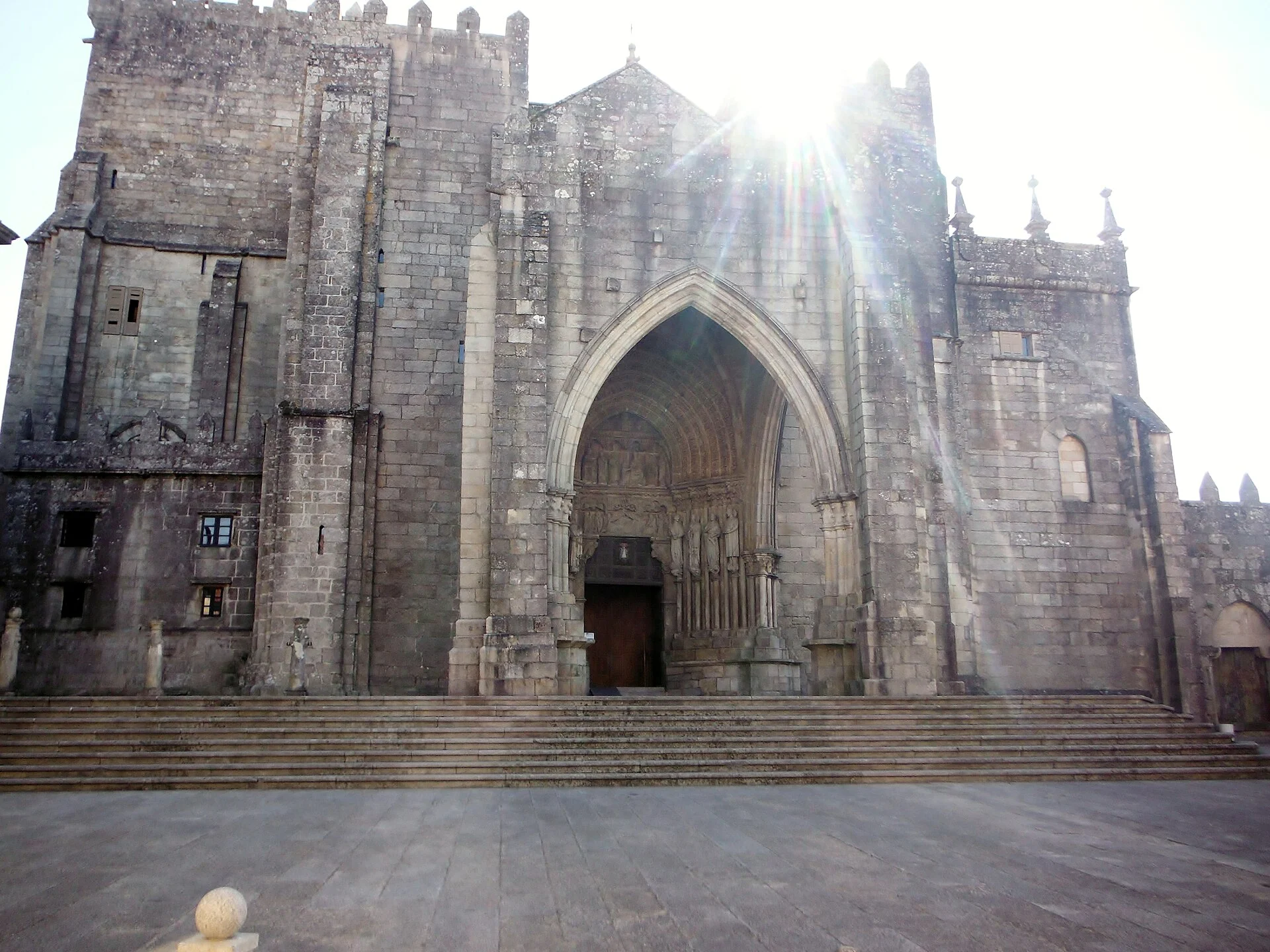
Tui Cathedral turns 800 years old
The colloquium also coincides with historical data for the city.
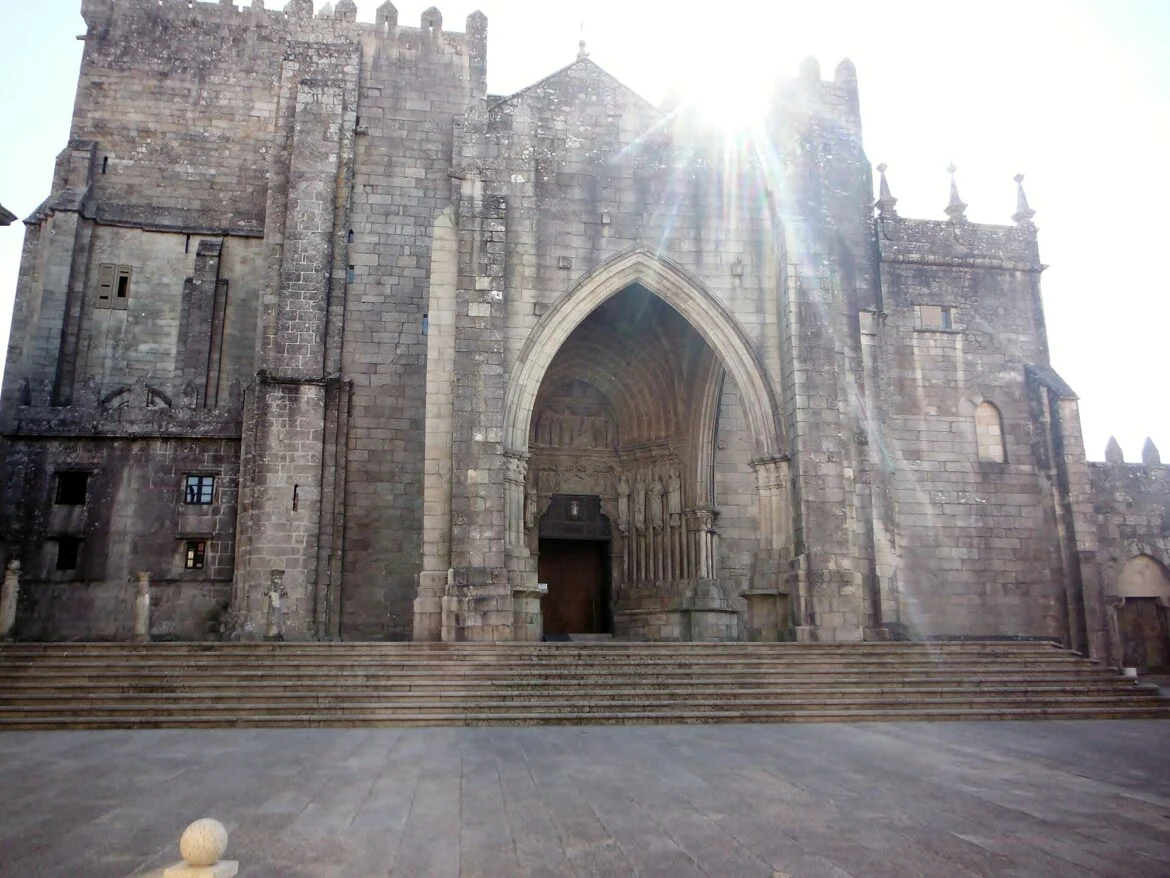
The Cathedral of Santa María de Tui celebrates 800 years of its consecration, further reinforcing the connection between heritage, history and pilgrimage.
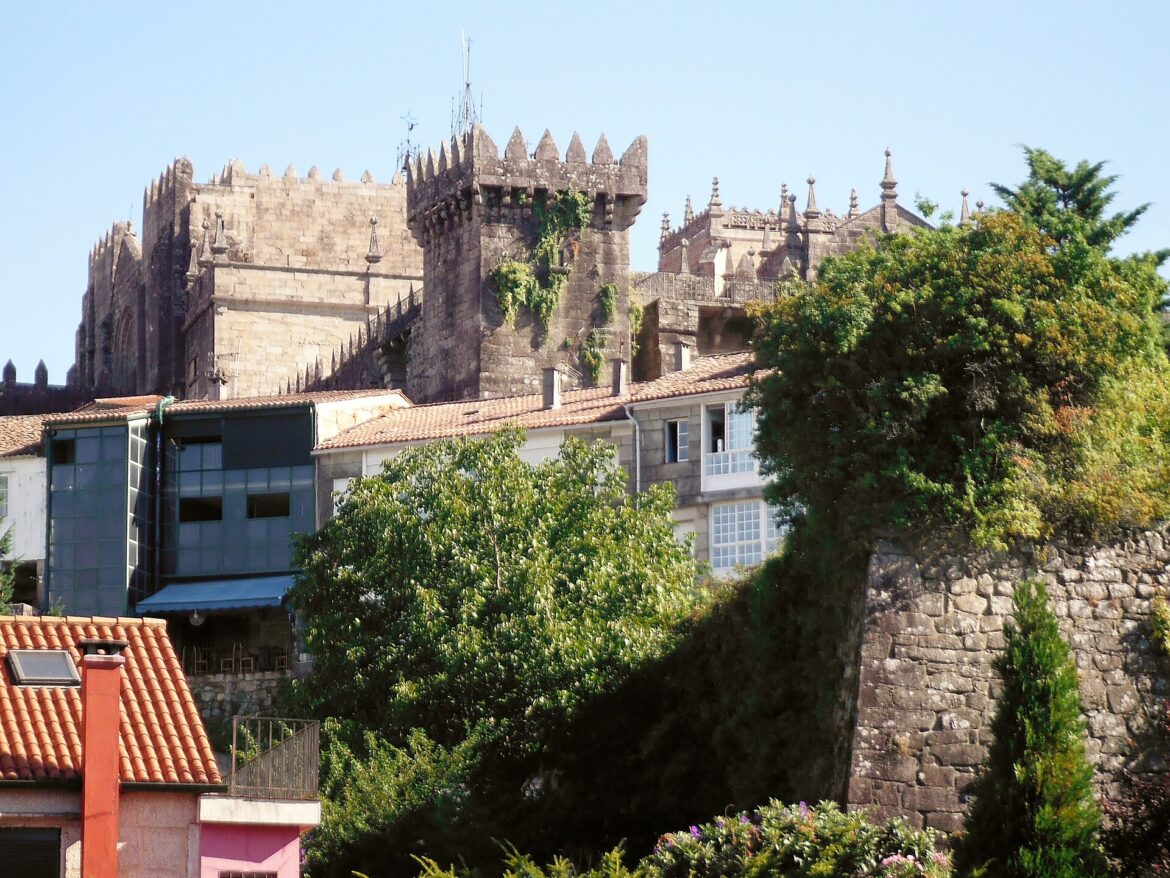
The fortified silhouette of the cathedral accompanies several pilgrims who cross Minho from Portugal.
For many of them, there are also some of the first major monumental references after entering Galiza.
The anniversary also offers an opportunity to remember that the Portuguese Way is not just a contemporary route in growth, but an itinerary with traces of history.
Olhar by 2027
Or you will find another inevitable element: or next Xacobeo 2027.
The new Holy Year will once again increase the number of pilgrims to Santiago and the pressure on the main routes.
The Portuguese Way will probably be one of the itineraries that will notice this growth the most.
For this reason, the Tui debate does not intend to remain solely in the past.
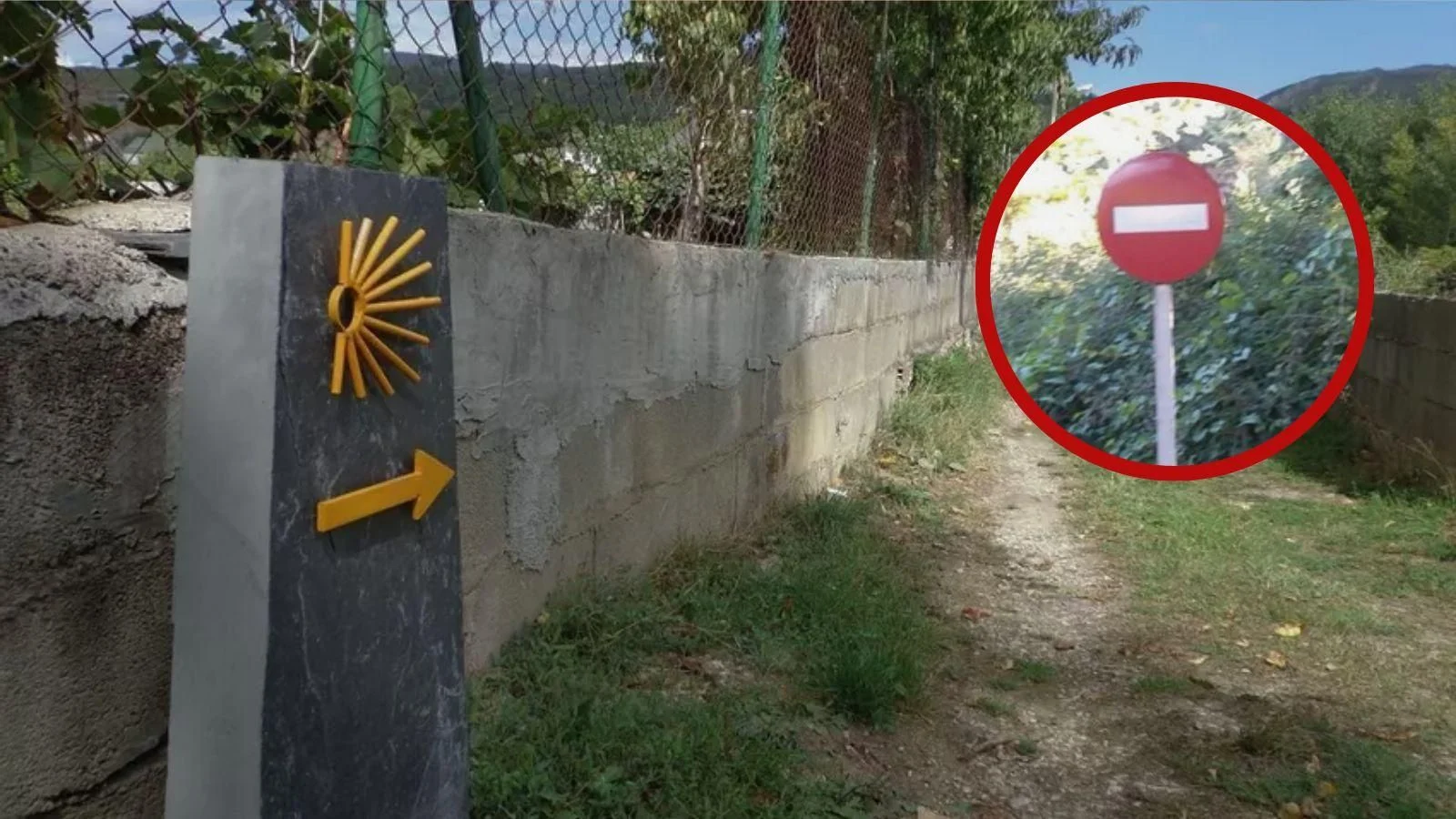
Decisions on signage, heritage, services, hospitality, sustainability and coordination between Portugal and Galicia will have increasing importance in the coming years.
The great challenge will be to ensure that the Portuguese Way continues to grow without losing what has made it one of the great pilgrimage routes in Europe.
Tui wants to start answering that question before many more pilgrims arrive.