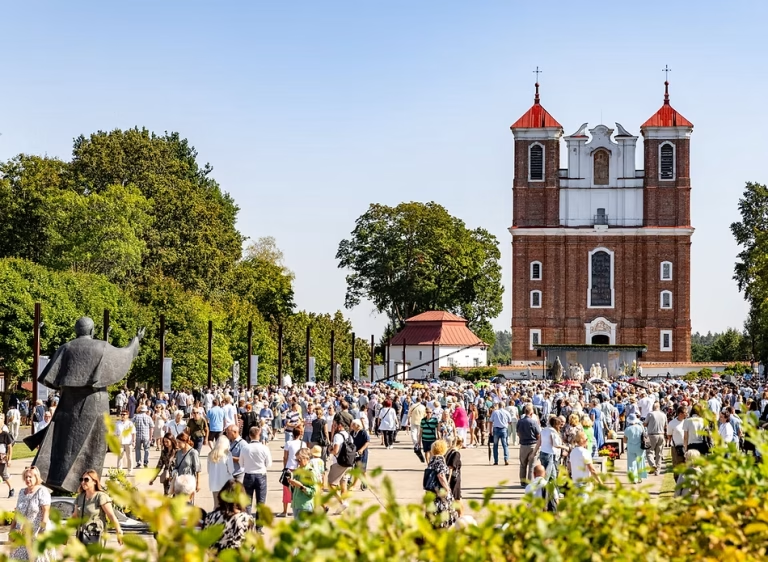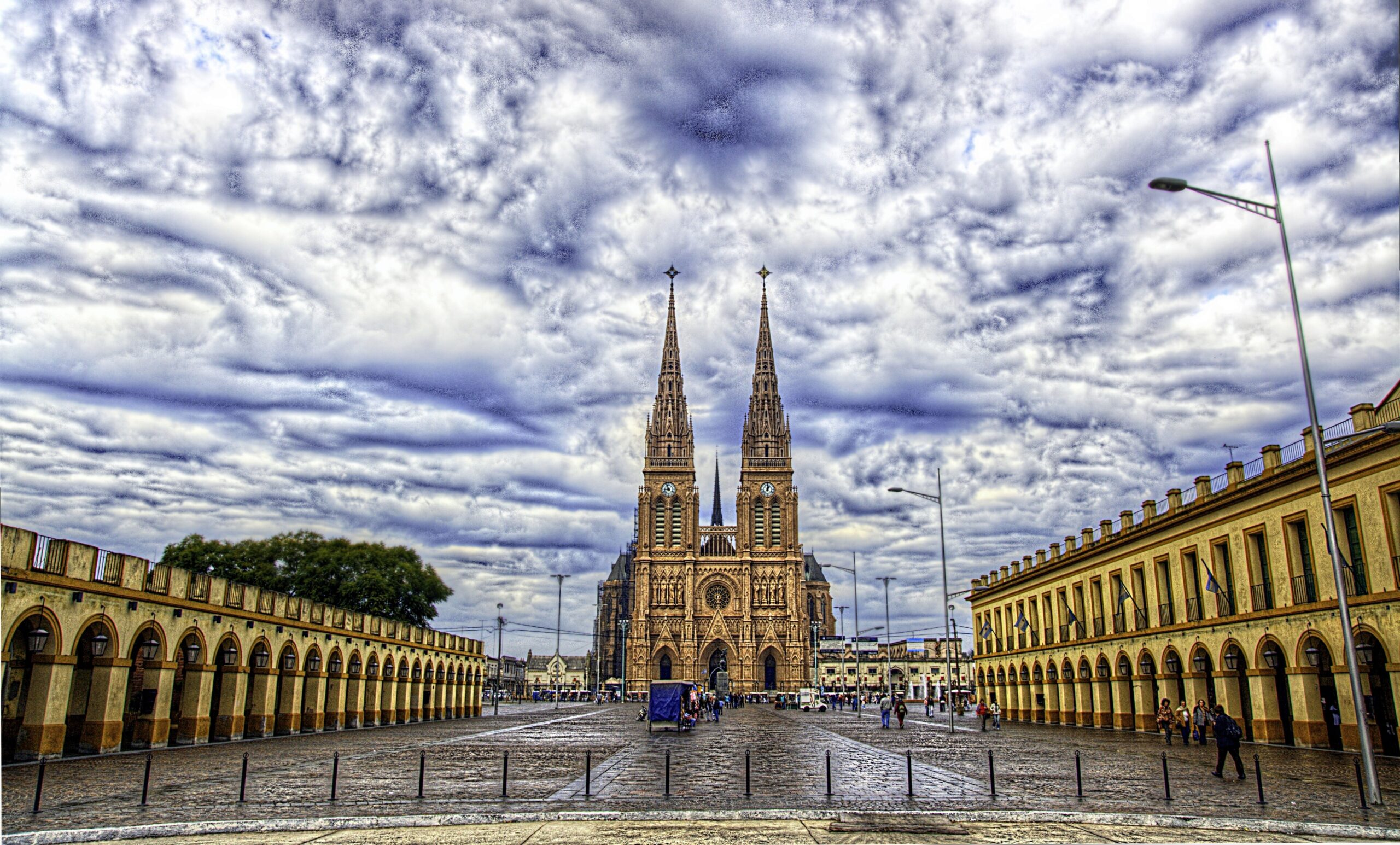
Luján has just taken a step that goes far beyond organizing a massive pilgrimage. The Argentine city wants to convert the experience accumulated over decades receiving millions of faithful into a model of cooperation between some of the great Marian sanctuaries in Latin America.
He First Ibero-American Forum of Marian Cities, held on October 19 and 20, brought together more than 40 mayors, mayors, bishops and representatives of sanctuaries from 16 countries to discuss pilgrimages, heritage, hospitality and religious tourism.
The meeting ended with a particularly interesting proposal: create a stable relationship between these cities to share solutions to problems that many of them have in common.
Because when hundreds of thousands or even millions of pilgrims arrive, faith also forces us to talk about transportation, security, accommodation, cleanliness, heritage, public services and coexistence with the inhabitants.
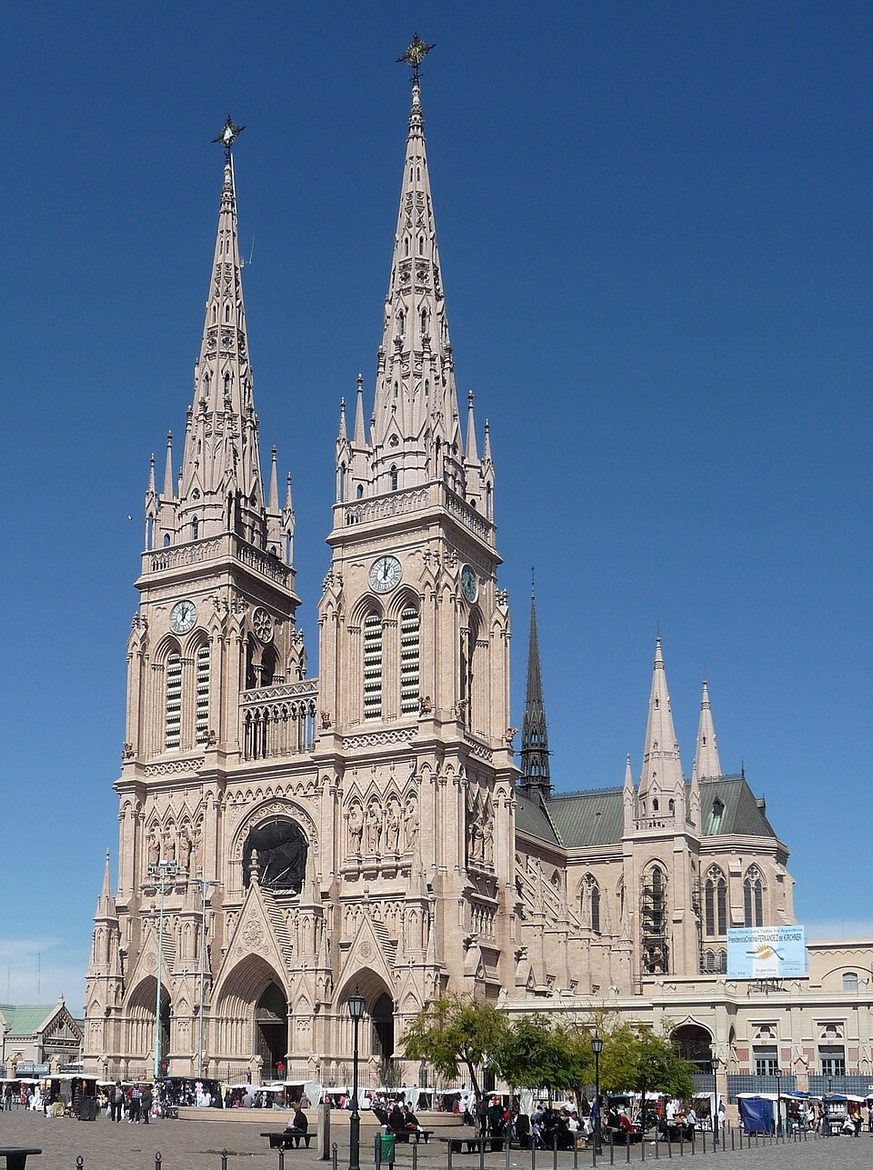
From Luján to Fátima, Aparecida or El Pilar
Some of the great Marian pilgrimage destinations of the Ibero-American world were represented at the meeting.
Luján shared space with sanctuaries linked to Fátima, Aparecida, Guadalupe, Caacupé, Copacabana, Chiquinquirá or Nuestra Señora del Pilar, among others.
Cities very different from each other, but with a common phenomenon: the constant arrival of pilgrims transforms their economy, their urban planning and part of their daily life.
The objective of the forum has been precisely to stop observing these pilgrimages solely as isolated religious events.
The proposal is to study the cities and sanctuaries as a whole.
That is, analyzing what happens before the pilgrim arrives, how they are received, what services they need, how the heritage is protected and what remains in the city when the pilgrimage ends.
Almost three million pilgrims in one weekend
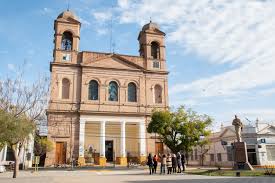
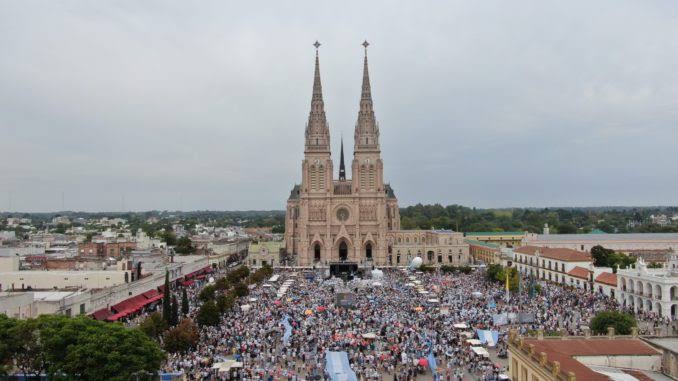
Luján comes to this debate after experiencing one of the most massive pilgrimages in its history.
The 52nd Youth Pilgrimage on Foot to Luján, held on October 3 and 4, took participants to travel nearly 60 kilometers from the sanctuary of San Cayetano, in Liniers, to the Basilica of Our Lady of Luján.
The City Council later estimated 2,860,933 people arrived in the city during that weekend, using a measurement system based on the movement recorded by mobile phone antennas.
The magnitude is difficult to imagine.
For a few hours, a relatively small city has to receive a number of people comparable to the population of some large capitals.
To make it possible, mobile hospitals, ambulances, health posts, security, supply areas, public services and different devices distributed along the route were deployed.
There appears one of the keys to the new religious tourism: pilgrimage needs spirituality, but also organization.
From a sanctuary city to a “sanctuary city”
One of the concepts that appeared during the meeting is especially interesting.
Having a sanctuary within a city is not the same as building a city capable of permanently coexisting with its status as a place of pilgrimage.
Luján wants to delve deeper into precisely that model.
The basilica cannot be understood in isolation from the streets, shops, accommodations, transportation, public spaces or neighbors that welcome those who come attracted by the Virgin of Luján throughout the year.
The same reflection can be applied to many other religious destinations.
Fátima, Guadalupe, Aparecida or Santiago de Compostela face, each with its particularities, the challenge of receiving large numbers of visitors without losing the identity that precisely made them places of pilgrimage.
Religious tourism without turning faith into a product
This will probably be one of the great debates of the coming years.
Religious tourism generates economic activity, maintains accommodation and restaurants, creates employment and can contribute to preserving churches, heritage and traditions.
But the pilgrim is not simply a conventional tourist.
Many people come to these places moved by a promise, an illness, gratitude, a family loss or a spiritual search.
Maintaining this balance between economic development and religious meaning is one of the great challenges of pilgrimage destinations.
And precisely there it is especially interesting to share experiences between cities.
What works in one sanctuary can help another located thousands of miles away.
The Walk of the Marian Cities
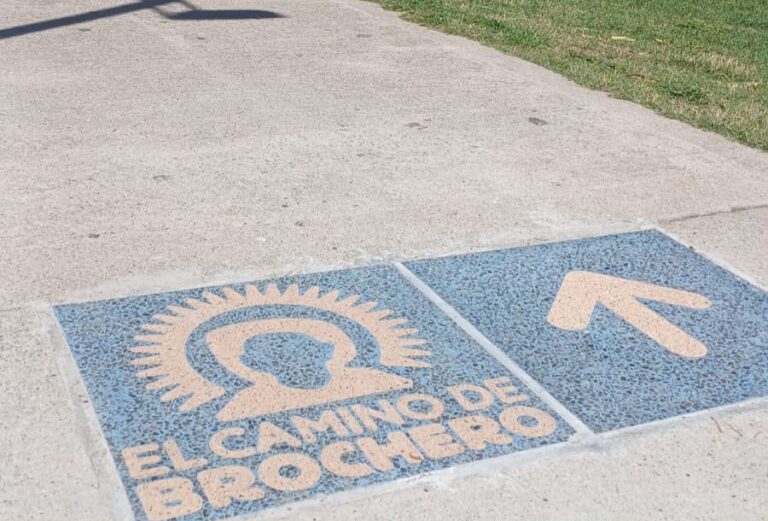
As a symbol of this new international relationship, Luján inaugurated during the closing of the forum the Walk of the Marian Cities.
The initiative aims to physically remember that the Argentine sanctuary is part of a much broader spiritual geography that crosses Europe and America.
The meeting also ended with the proposal to give institutional continuity to this collaboration through the Latin American and Caribbean Episcopal Council, CELAM.
Among the possibilities raised is holding an upcoming meeting in Bogotá.
It is still a proposal, but the objective is clear: that the Luján forum is not an isolated event.
A question that also interests the Camino de Santiago
Although the Camino de Santiago responds to a different reality, many of the questions raised in Luján are familiar.
How to receive more and more pilgrims without deteriorating the experience?
How to make inhabitants and visitors compatible?
How to preserve heritage?
How to manage accommodation, mobility and services?
And how to ensure that economic growth does not end up erasing the reason why people began to pilgrimage?
El Camino has been facing these issues for years.
Therefore, observing what happens in other great religious destinations in the world can be as interesting as looking only at Santiago.
Luján has just brought together some of those cities around the same table.
The next step will be to check if a network capable of improving the way in which millions of pilgrims are received each year is really born from this meeting.