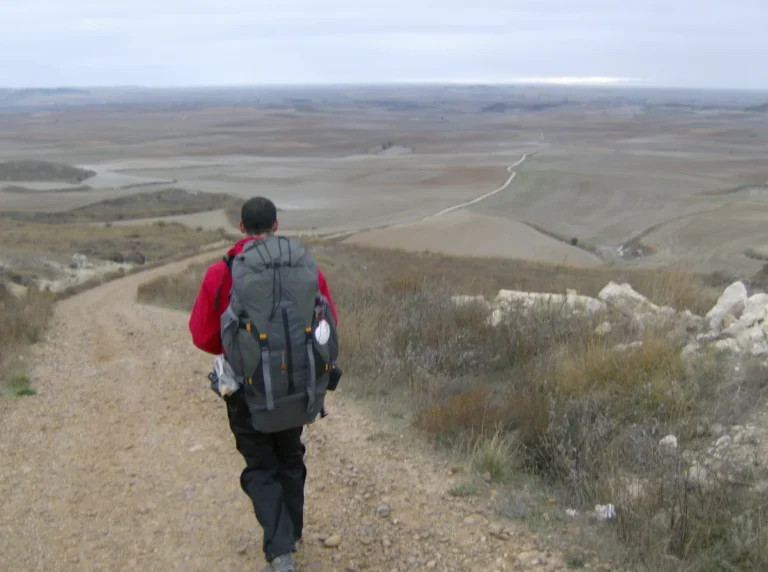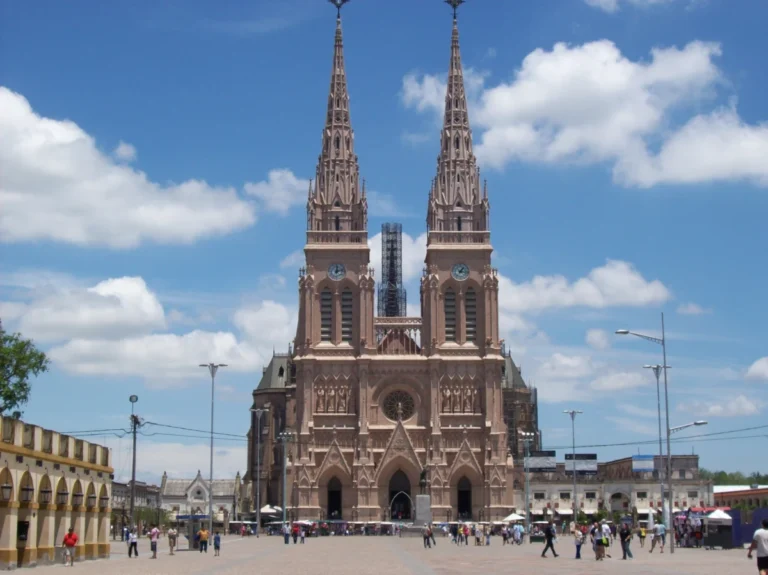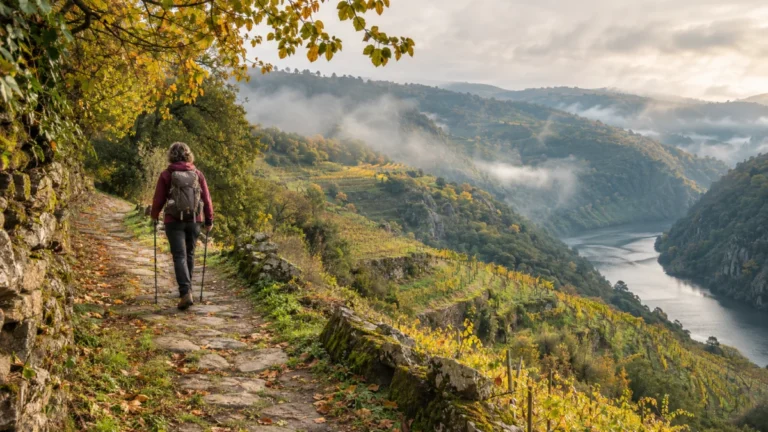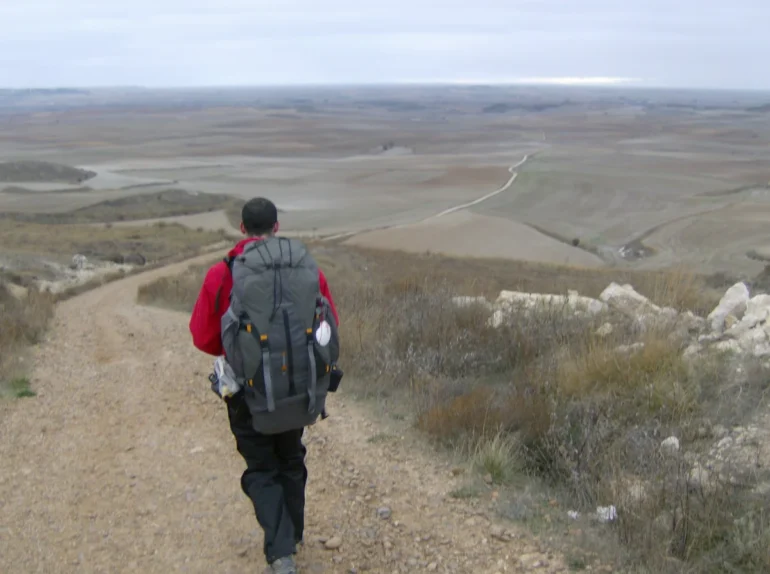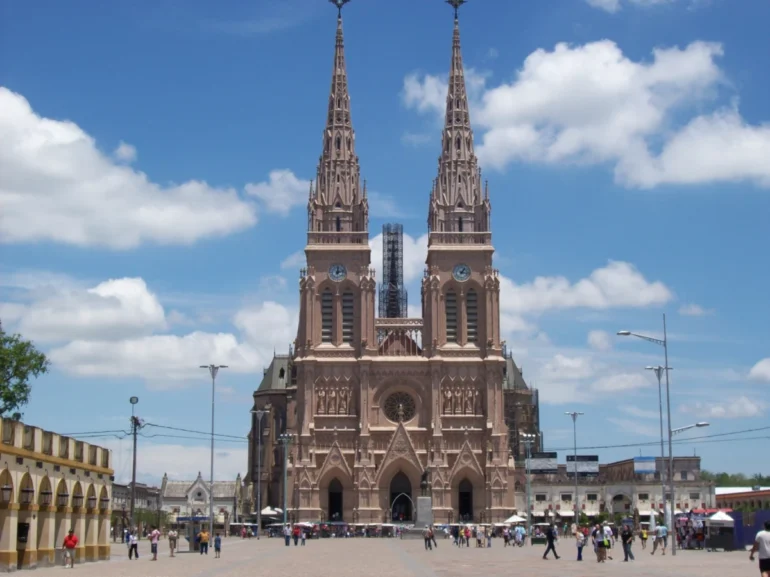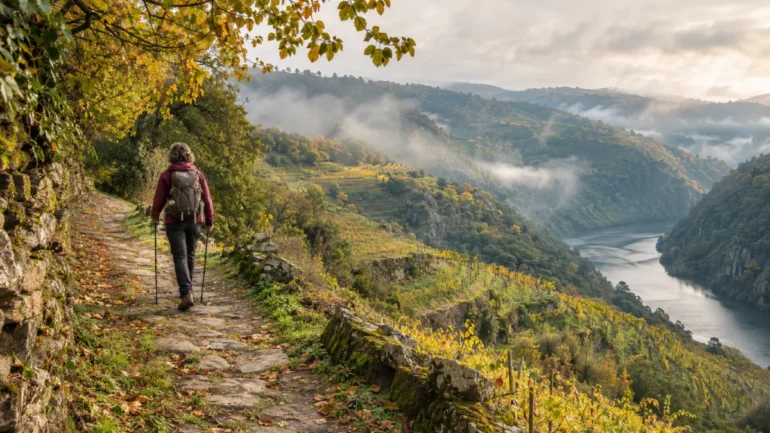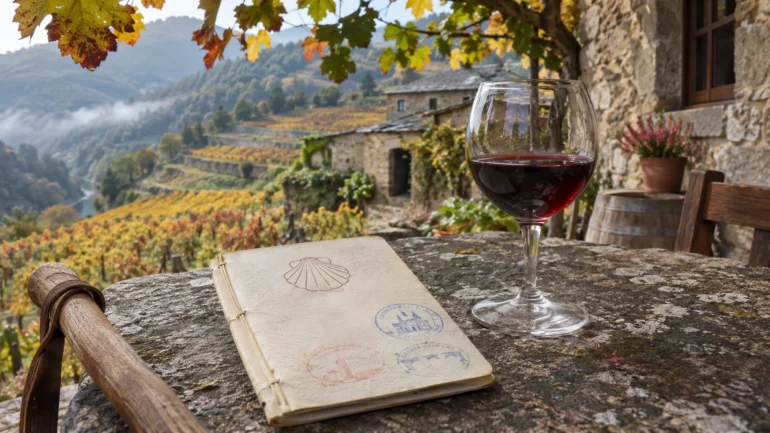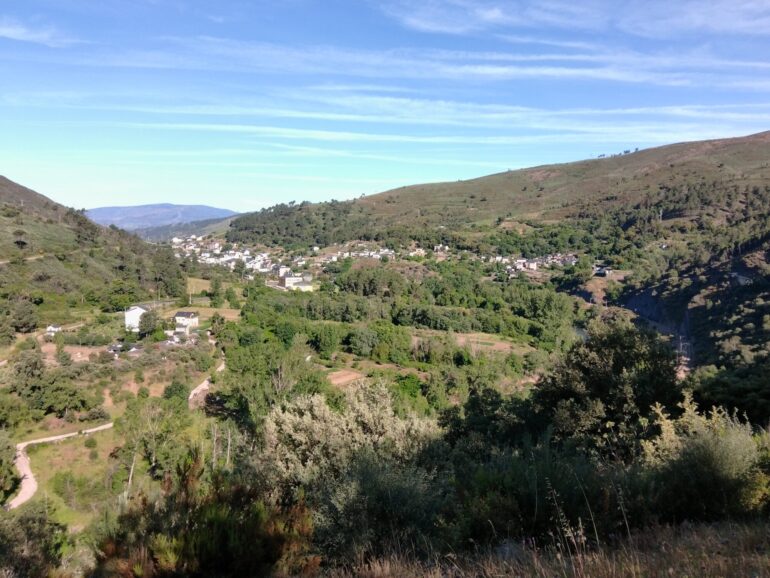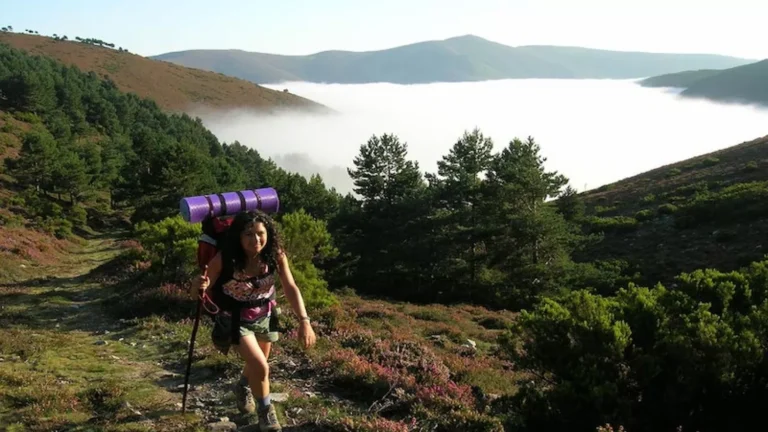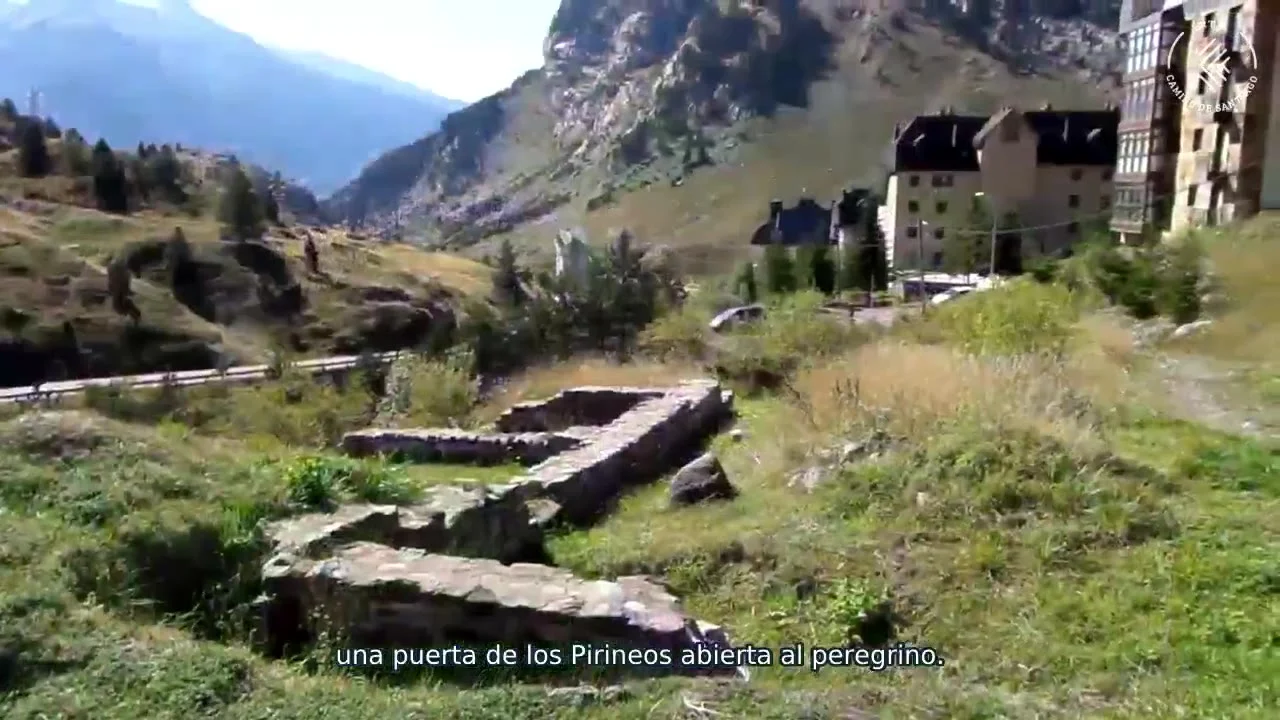
The Aragonese Way begins at more than 1,600 meters above sea level, in the port of Somport, and ends by linking with the French Way in Navarra. In this new audiovisual report RTV Camino de Santiago covers six stages, from the landscapes of the Pyrenees to Puente la Reina-Gares, to show the heritage and life of a route that deserves to be known step by step.
The video, approximately seven and a half minutes, proposes a trip along the itinerary that connects Somport, Jaca, Arrés, Ruesta, Sangüesa, Monreal and Puente la Reina. It is an overall presentation: a way to discover the scenarios of the stages before preparing the Camino on the ground.
See the Aragonese Way in video
See the complete report of the Aragonese Camino on the RTV Camino de Santiago YouTube channel.
Six stages from Somport to Puente la Reina
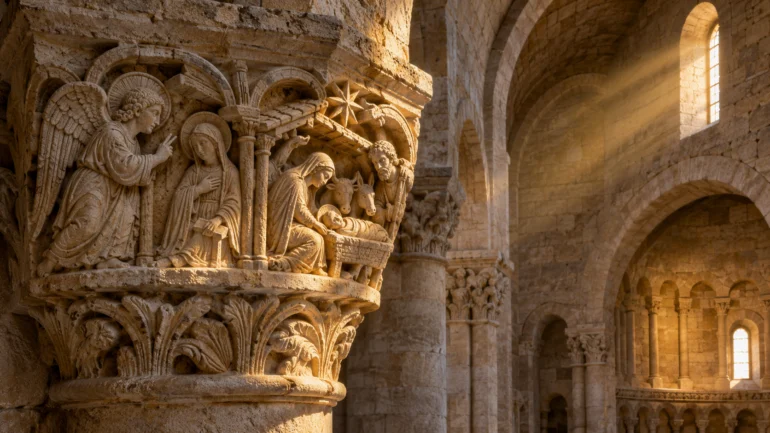
Stage from Somport to Jaca. The route begins at the top of Somport, a historic pass for pilgrims arriving from France. The descent follows the Aragón valley and passes through towns linked to the Jacobean transit for centuries, before reaching Jaca, one of the great heritage references of this variant.
Stage from Jaca to Arrés. After leaving the city, the itinerary continues west. The Canal de Berdún, the small towns in the valley and the hamlet of Arrés give this section a different character from that of the mountain. The landscape opens up and the pilgrim enters a succession of towns with a long memory of welcome.
Stage from Arrés to Ruesta. It is a route of rural roads and small towns like Artieda. Ruesta, marked by its medieval past and the history of the Yesa reservoir, becomes one of the most recognizable places on the Aragonese route.
Stage from Ruesta to Sangüesa. The Camino approaches the border between Aragón and Navarra, passing through the area of Undués de Lerda. Sangüesa welcomes the pilgrim with a monumental heritage that remembers the importance of this communication route throughout the centuries.
Stage from Sangüesa to Monreal. Once in Navarra, the route offers a transitional landscape, with towns, paths and softer mountain profiles. Monreal has traditionally been one of the end-of-stage references for those approaching the confluence with the Camino Francés.
Stage from Monreal to Puente la Reina-Gares. The last section completes the route to the place where the routes that have entered the peninsula through Somport and Roncesvalles converge. The arrival at Puente la Reina marks the beginning of a story shared with the pilgrims of the French Way.
A report to know the Camino before walking it
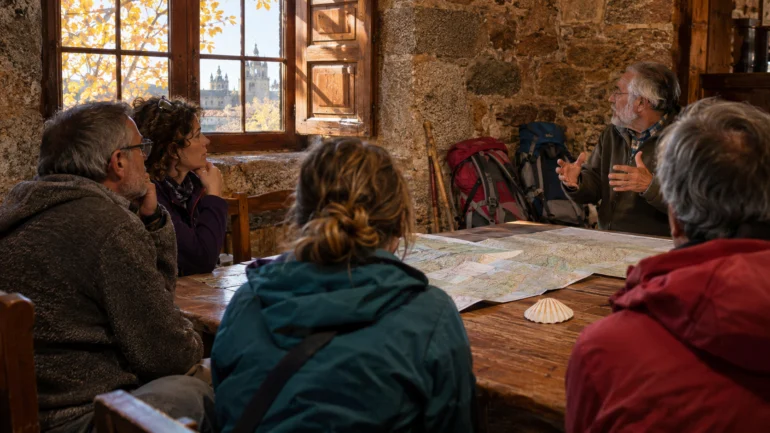
This video does not replace a stage guide with mileage, times, slopes or updated warnings. Its purpose is to present, in a visual and accessible way, the environments and main crossing points of the Aragonese Way. Anyone who wants to explore it should check the practical information on accommodation, weather and the state of the trails before leaving.
The complete itinerary combines a demanding Pyrenean entry with valley sections and routes through Navarra. The names of Jaca, Arrés, Ruesta, Sangüesa and Monreal appear on the trip, towns that help to understand the historical continuity of this route, connected to the Via Tolosana on the other side of the Pyrenees.
The report is part of the audiovisual content of RTV Camino de Santiago to publicize the different Jacobean itineraries and bring their landscapes and heritage closer to those who have not yet been able to travel them.
From Somport to Puente la Reina, the Aragonese Way shows that the same route can bring together mountains, valleys, historic towns and very different ways of experiencing the pilgrimage.
Sources: Report from RTV Camino de Santiago; Aragon Tourism; Navarra Tourism.